





















































































Spindle and Linear Guide Selection for High-Speed Machining (HSM)
📑 Table of contents (Click to open)
- Introduction and Technical Analysis of Spindle and Linear Guide Selection for High-Speed Machining (HSM)
- Working Principle and Technical Data for Spindle and Linear Guide Selection in High-Speed Machining (HSM)
- Spindle Motor Selection and Technical Details
- Linear Guide Rail System Selection and Technical Details
- Field Considerations for Spindle and Linear Guide Selection in High-Speed Machining (HSM)
- Common Problems and Solutions for Spindle and Linear Guide Selection in High-Speed Machining (HSM)
- Conclusion and Expert Advice for Spindle and Linear Guide Selection in High-Speed Machining (HSM)
- FAQ
Introduction and Technical Analysis of Spindle and Linear Guide Selection for High-Speed Machining (HSM)
The modern manufacturing industry, particularly in high-value sectors such as aerospace, medical, mold & die, and automotive, faces increasing expectations for part precision, surface quality, and efficiency. The key to meeting these expectations lies in adopting High-Speed Machining (HSM) techniques. HSM is a manufacturing strategy that utilizes significantly higher cutting speeds, feed rates, and spindle RPMs compared to conventional machining methods. This strategy offers substantial advantages, including extended tool life, reduced machining time, and improved final product quality. However, unlocking the full potential of HSM is directly linked to the correct selection of equipment. Foremost among these critical components are the spindle motor and the linear guide rail system. These two vital elements directly influence the dynamic performance, precision, and reliability of the machine tool. This detailed field guide and technical article will delve into the selection processes, technical analyses, and field considerations for spindle and linear guide systems specifically for HSM applications, aimed at industrial automation professionals and engineers. The correct selection of components not only boosts machining efficiency but also extends machine life and optimizes operational costs.
Working Principle and Technical Data for Spindle and Linear Guide Selection in High-Speed Machining (HSM)
HSM demands maximum dynamic performance and thermal stability from the machine tool. In this context, the working principles and technical specifications of spindle and linear guide systems are of paramount importance.
Spindle Motor Selection and Technical Details
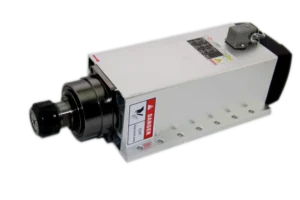
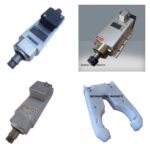
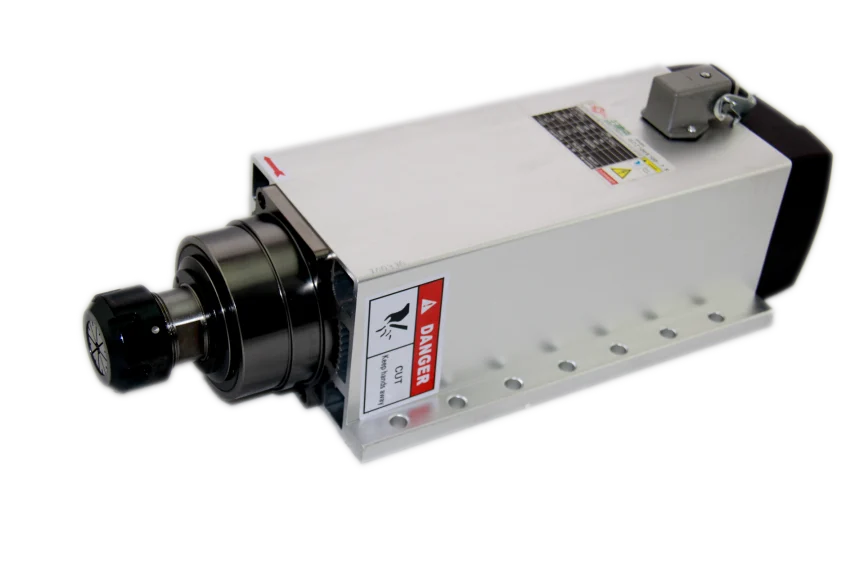
The spindle is the main component that transmits motion and power to the cutting tool during the machining process. In HSM applications, the spindle must not only achieve high RPMs but also provide high rigidity, torque, and thermal stability at these speeds.
- RPM and Power (kW): HSM typically requires spindle speeds of 20,000 RPM and above, with some applications reaching up to 100,000 RPM. Power is determined by the hardness of the material to be machined, cutting depth, and tool diameter. Motorized (integral) spindles capable of maintaining sufficient torque even at high speeds are preferred.
- Bearing Technology: The precision and lifespan of the spindle largely depend on its bearings. HSM spindles commonly use ceramic hybrid bearings. These bearings are lighter, more rigid, and generate less heat at high speeds compared to steel bearings. Pre-load amount is critical for optimizing rigidity and damping.
- Cooling System: Heat generated at high speeds causes thermal expansion of the spindle, leading to a loss of machining precision. Therefore, water-cooled or oil-air mist-cooled systems are generally preferred. The temperature of the coolant must be precisely controlled.
- Tool Holder Interface: The tool holder ensures a secure and precise connection of the cutting tool to the spindle. The most common and effective interfaces for HSM are HSK (Hollow Shank Taper) and sometimes BT/CAT (Big-Plus) types. HSK offers better radial rigidity and repeatability at high speeds because it provides contact from both the taper and the face. Dynamic balancing of the tool holder is essential to minimize vibration at high speeds.
- Dynamic Rigidity and Damping: The spindle’s resistance to cutting forces (rigidity) and its ability to absorb vibrations (damping) are crucial for surface quality and tool life. Motorized spindles, due to their shorter and more compact designs, generally offer higher dynamic rigidity compared to belt-driven systems.
Linear Guide Rail System Selection and Technical Details
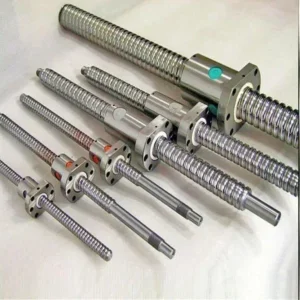
Linear guides ensure precise and repeatable movement of the machine tool’s moving axes (X, Y, Z). In HSM applications, linear guides are expected to provide high speed, acceleration, precision, and rigidity.
- Linear Guide Type:
- Ball Linear Guides: Ideal for high speed and low friction. They can be preferred in applications requiring smaller loads and less rigidity. However, in HSM, especially with high cutting forces, rigidity can be a limiting factor.
- Roller Linear Guides: Offer higher load capacity and rigidity compared to ball guides. They are generally preferred in heavier cutting and high-precision HSM applications. Roller guides can also have better damping characteristics due to their larger contact surfaces.
- Hydrostatic Guides: Operate on an oil film, providing frictionless and wear-free movement. They offer very high precision, rigidity, and damping. However, due to their complex structure and high cost, they are typically used in ultra-precision and specific HSM applications.
- Aerostatic Guides: Operate on an air film. Being frictionless and non-contact, they offer extremely high precision and speed. They are particularly preferred in applications such as optics, semiconductors, and micro-machining. Their cost and precise air supply requirements can be a disadvantage.
- Load Capacity and Rigidity: Linear guides must minimize deformation under both static and dynamic loads. High rigidity prevents unwanted deflections of the tool on the workpiece and ensures better surface quality. The pre-load level can be adjusted to increase rigidity.
- Speed and Acceleration: HSM requires axes to move quickly and change direction abruptly. It is important for linear guides to withstand high speeds and accelerations, have a low friction coefficient, and generate minimal heat.
- Precision and Repeatability: In HSM applications with tight machining tolerances, linear guides must offer micron-level precision and repeatability. This guarantees consistency in production quality.
- Lubrication System: The lifespan and performance of linear guides are directly related to proper lubrication. Automatic lubrication systems provide regular and controlled lubrication to guide rails and carriages, reducing friction and preventing wear.
- Mounting Surface and Alignment: The rigidity of the machine frame to which the linear guides are mounted and the precise machining of the mounting surfaces affect the overall system performance. Misalignment accelerates wear and reduces precision.
Spindle and linear guide systems must be considered as a whole. Pairing a high-performance spindle with a low-rigidity linear guide system, or vice versa, limits the potential of HSM. Therefore, in machine design and component selection, the system’s overall dynamic response, damping capacity, and thermal management must be taken into account.
| Parameter | Value/Description |
|---|---|
| Maximum Spindle RPM | 40,000 – 80,000 RPM (Application Dependent) |
| Spindle Power | 15 kW – 40 kW (Continuous) |
| Spindle Tool Holder Type | HSK-A63, HSK-E40/F63 (For High Precision and Rigidity) |
| Spindle Bearing Type | Ceramic Hybrid (Pre-loaded, High-Speed Angular Contact) |
| Linear Guide Type | Roller Linear Guide (High Rigidity and Load Capacity) |
| Linear Guide Maximum Feed Rate | 60 – 120 m/min (Application Dependent) |
| Linear Guide Maximum Acceleration | 1.5g – 2.5g (For High Dynamic Performance) |
| Linear Guide Repeatability | ±1 µm – ±2 µm (ISO 230-2) |
| Spindle Cooling System | Closed-Loop Water Cooling (Precisely Temperature Controlled) |
Field Considerations for Spindle and Linear Guide Selection in High-Speed Machining (HSM)
- Application Analysis and Material to be Machined: The selection of HSM components begins with parameters such as the type of material to be machined (aluminum, titanium, mold steel, etc.), part geometry, desired surface quality, and tolerances. For example, for high-speed machining of soft materials, lighter, high-RPM spindles may suffice, while for hard materials, spindles with high torque and rigidity, along with roller linear guides, would be more suitable. Tool path strategies and tool selection also directly impact the performance of these components.
- Environmental Factors and Thermal Management: The temperature, humidity, and vibration levels of the machining environment can affect machine performance. Especially the heat generated in the spindle leads to thermal expansion and thus a deterioration of machining precision. Therefore, precisely temperature-controlled water cooling systems for the spindle are indispensable. Thermal stabilization of the machine structure and isolation of heat sources are also important. Proper lubrication of linear guides and protection from contaminants extend their life and precision.
- Mounting Precision and Alignment: The mounting of spindle and linear guide systems to the machine frame requires micron-level precision. Misalignment can lead to excessive loading on bearings and guides, vibration, wear, and premature failures. The flatness, parallelism, and perpendicularity of the mounting surfaces are critically important. Regular checks and adjustments should be made with measuring tools such as laser interferometers or precision spirit levels.
- Vibration Analysis and Damping: In high-speed operations, vibration is one of the most significant factors that degrade surface quality, shorten tool life, and damage machine components. The rigidity, damping capacity, and dynamic balancing of the machine frame are critically important. The spindle itself must also be dynamically balanced. Modal analyses and vibration monitoring systems should be used to detect and avoid resonance frequencies that occur during machining. Active or passive vibration dampers can be integrated.
- Control System Integration and Optimization: To fully utilize the potential of HSM, the machine tool’s CNC control system must work in complete harmony with the spindle and linear guide systems. The control system’s high-speed block processing capability, Look-Ahead functions, spline interpolation capabilities, and dynamic acceleration/deceleration control are vital for creating fluid and precise tool paths. The performance settings of the servo drives for the spindle and axis motors play a critical role in optimizing the system’s dynamic response and stability.
- Maintenance and Monitoring Strategies: HSM components require regular and proactive maintenance due to their high performance. The lifespan of spindle bearings, the proper functioning of the lubrication system, the quality of the coolant, and the cleanliness of filters should be checked regularly. Linear guide lubrication lines, sealing elements, and surfaces should be periodically inspected for wear or contamination. Condition monitoring techniques such as vibration analysis, thermal imaging, and acoustic emission are very effective in detecting potential failures in advance, minimizing unplanned downtime.
Common Problems and Solutions for Spindle and Linear Guide Selection in High-Speed Machining (HSM)
Common problems encountered with spindle and linear guide systems in HSM applications generally have direct negative impacts on the machine’s overall performance, machining quality, and tool life. Understanding the root cause of these problems and producing effective solutions is vital for production continuity and quality.
- Spindle Vibration and Noise:
Problem: High vibration, abnormal sounds, poor surface quality, and tool breakage during machining. Excessive spindle heating may also accompany this.
Solution: First, the dynamic balance adjustment of the spindle and tool holder should be checked. An unbalanced tool or tool holder can cause severe vibrations at high speeds. The condition of the bearings should be examined, and worn or damaged bearings should be replaced. Ensure that the spindle is mounted correctly and rigidly. Verify that the cooling system is functioning adequately and that the spindle temperature is under control. If necessary, the vibration damping characteristics of the machine frame should be improved.
- Excessive Spindle Heating:
Problem: Abnormal temperature increase in the spindle body, dimensional errors due to thermal expansion, and shortened bearing life.
Solution: Coolant level, flow rate, and temperature should be checked. Look for blockages in cooling channels or pump failure. Filters of the cooling system should be cleaned or replaced. The spindle bearing lubrication system should be checked; insufficient lubrication or the wrong type of lubricant can cause overheating. Evaluate whether the spindle’s operating parameters (RPM, load) are being excessively pushed.
- Loss of Precision and Backlash in Linear Guides:
Problem: Dimensional errors in machined parts, surface undulations, repeatability issues, and a feeling of backlash in axis movement.
Solution: Visually inspect linear guide carriages and rails for wear, scratches, or corrosion. Check the pre-load settings of the linear guides; loose or insufficient pre-load can lead to backlash. Verify that the lubrication system is working properly and that sufficient lubricant reaches all moving surfaces. The mounting alignment and parallelism of the linear guides should be checked with precise measuring devices and realigned if necessary. In cases of severe wear, linear guide carriages or rails may need to be replaced.
- High Friction and Sticking in Linear Guides:
Problem: Difficulty in axis movement, excessive current draw by motors, rough movement, or complete stoppage.
Solution: First, check the lubrication system; lack of lubrication or contaminated lubricant can increase friction. Chips, dust, or contaminants accumulated on the linear guides should be cleaned. Recheck the mounting alignment and parallelism of the linear guides; misalignment can cause sticking. Inspection of linear guide carriages and rails for mechanical damage or deformation may be necessary, and replacement if required. Excessive pre-load can also increase friction; this setting should be checked.
- Tool Holder Runout:
Problem: Unacceptable runout at the tool tip, poor surface quality, shortened tool life, and decreased cutting performance.
Solution: First, the runout of the tool holder itself should be checked. Damaged or low-quality tool holders should not be used. Check the cleanliness and integrity of the spindle taper surface. Dirt, burrs, or damage can prevent the tool holder from seating properly. Check for play or wear in the spindle bearings. In HSK systems, verify that simultaneous face and taper contact of the tool holder is achieved. If necessary, the runout value of the spindle itself should be measured.
Conclusion and Expert Advice for Spindle and Linear Guide Selection in High-Speed Machining (HSM)
High-Speed Machining (HSM) has become an indispensable part of modern manufacturing, and every business in the industrial automation sector needs to effectively utilize this technology to remain competitive. As detailed in this article, the success of HSM is directly proportional to the correct selection, integration, and maintenance of spindle and linear guide systems. These components are fundamental elements that determine not only the speed of a machine tool but also its precision, surface quality, and overall efficiency. Field experience shows that focusing on initial cost advantages rather than selecting based on the technical specifications required by the application and long-term operational performance ultimately leads to a more profitable and sustainable production process.
As expert advice, when embarking on HSM projects or optimizing existing systems, it is critical not to rely solely on catalog data but also to seek detailed support from the application engineers of manufacturing companies. Component selection should be approached with a system-level perspective; that is, the spindle, linear guides, tool holders, cutting tools, cooling systems, and CNC control unit should be designed and optimized to work in harmony. It should be remembered that high speeds and feed rates bring with them high dynamic loads and thermal stresses. Therefore, the rigidity, damping capacity, thermal stability, and precision of the components are fundamental criteria for a long-lasting and reliable HSM operation. Periodic maintenance, condition monitoring, and proactive troubleshooting strategies are key to maximizing production efficiency by preventing unplanned downtime. In the future, AI and machine learning-supported predictive maintenance systems, along with new-generation material technologies, will further advance the performance of HSM components and continue to push the boundaries of industrial automation. Therefore, it is of great importance for industry professionals to closely follow these developments and remain open to continuous learning.
FAQ
What is High-Speed Machining (HSM) and why is it important?
High-Speed Machining (HSM) is a manufacturing strategy that uses significantly higher cutting speeds, feed rates, and spindle RPMs than traditional methods. It improves tool life, reduces machining time, and enhances product quality, especially for complex geometries and hard materials.
What are the critical considerations for selecting a spindle motor for HSM?
Key factors include maximum RPM and power, bearing technology (ceramic hybrid bearings are preferred), efficient cooling systems (water or oil-air mist), and the tool holder interface (HSK is highly recommended for rigidity and repeatability). Dynamic rigidity and damping are also crucial for surface finish and tool life.
Which type of linear guide rail system is best for HSM and why?
For HSM, roller linear guides are often preferred over ball guides due to their higher load capacity and rigidity, which are essential for heavy cuts and high precision. Hydrostatic and aerostatic guides offer even higher precision and speed but come with increased complexity and cost, typically reserved for ultra-precision applications.
What are the common problems encountered with spindle and linear guide systems in HSM, and how can they be resolved?
Common issues include spindle vibration, excessive heating, loss of linear guide precision, high friction, and tool holder runout. Solutions involve dynamic balancing, optimizing cooling and lubrication systems, checking bearing and guide wear, and ensuring precise mounting and alignment.
What field considerations should be taken into account when selecting these components?
Beyond component specifications, consider the material to be machined, environmental factors (temperature, humidity), mounting precision, vibration analysis, and seamless integration with the CNC control system. A holistic system approach ensures optimal performance and longevity.