No products in the cart.
Motor Overheating While Machine Operates: Is There a Problem?
Contents
Mermak CNC Technical Guide
Practical notes for CNC router, automation and industrial motion systems.
Yes, a motor that is overheating while the machine continues to operate is a sign of a serious problem. This condition reduces motor efficiency, shortens its lifespan, increases energy consumption, and can lead to unexpected failures, causing production losses. Immediate intervention is required.
What Does It Mean When a Motor Overheats But the Machine Still Works?
Electric motors are the heart of most industrial automation systems. Their smooth and efficient operation is vital for production continuity and the overall performance of a facility. While it’s normal for a motor to generate some heat during operation, significant overheating on the motor’s surface or within its windings, even while the machine continues to run, is a critical warning sign that should not be ignored. The machine’s continued operation suggests the issue hasn’t yet caused a critical failure, but this situation often precedes one. Overheating can cause irreversible damage to the motor’s internal components, particularly its winding insulation. Insulation breakdown can lead to short circuits and complete motor failure. Furthermore, high temperatures reduce bearing life, degrade lubrication properties, and accelerate mechanical wear. This not only lowers energy efficiency but also significantly increases the risk of unplanned downtime. Therefore, an overheating motor, even if the machine is still running, indicates a problem that needs prompt attention.
Operating Principle and Technical Data
An electric motor converts electrical energy into mechanical energy. During this conversion, a portion of the energy is inevitably lost as heat. This heat originates from various sources, including resistance losses (copper losses), core losses (iron losses), friction losses (bearings and air resistance), and stray load losses. Motors are designed with specific thermal classifications (e.g., Class F or H), which indicate the maximum temperature the winding insulation can withstand. Exceeding these temperature limits rapidly ages and degrades the insulation. It’s a widely accepted rule that every 10°C increase in temperature can halve the motor’s insulation life. This means that even if a motor continues to run when overheating, its lifespan is severely compromised in the long term. In industrial automation, where continuous and reliable operation is paramount, temperature monitoring and control are critical.
| Parameter | Value/Description |
|---|---|
| Normal Operating Surface Temperature | 30-50°C above ambient (typically 40-70°C) |
| Winding Insulation Class (e.g., Class F) | Max. 155°C (winding temperature, for expected lifespan) |
| Bearing Operating Temperature | Should generally be below 80°C, maximum 95°C |
| Ambient Temperature Effect | Motor life reduces by approx. 50% for every 10°C increase in ambient temperature. |
| Overload Capacity | Slightly above nominal current (10-15%) tolerable for short periods (max. 1 min), causes damage if prolonged. |
| Vibration Level (ISO 10816-1) | For good condition |
| Energy Efficiency Class | IE3 or IE4 (Standard for modern motors, reduces losses) |
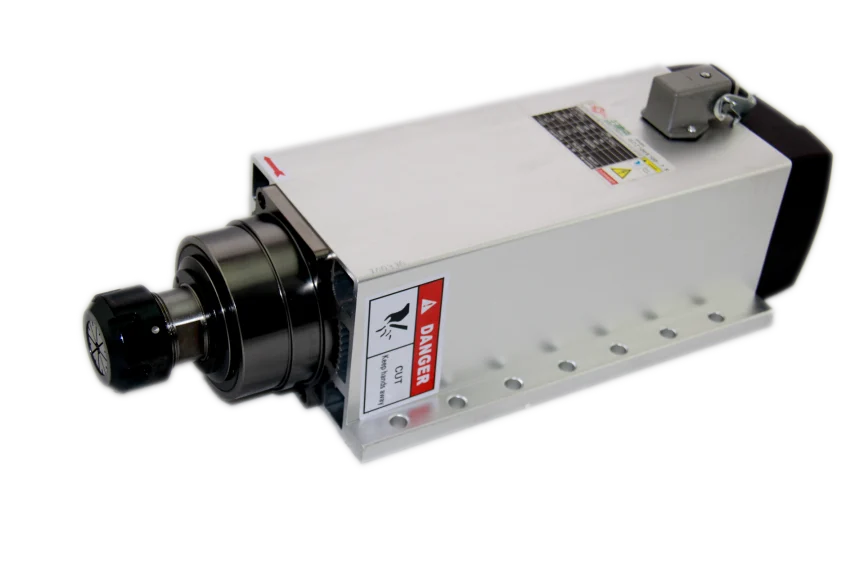
Field Considerations
- Thermal Monitoring and Observation: Regularly checking the motor’s surface temperature using infrared thermometers or thermal cameras is crucial for identifying hot spots. Modern facilities often integrate sensors like RTDs (Resistance Temperature Detectors) or thermocouples to provide real-time winding temperature feedback to the control system. Analyzing trends in this data helps in early detection of potential issues.
- Load Analysis: Measure the motor’s current draw to determine if it’s operating above its nominal power rating. Continuous operation under overload is a common cause of overheating. The load profile reveals mismatches between process demands and motor capacity. If necessary, reduce the load or consider a higher-capacity motor.
- Ventilation and Cooling Systems: Ensure the motor’s fan is functioning correctly and that cooling channels or radiator fins are not blocked by dust, dirt, or other obstructions. Ambient temperature and airflow are also important; operating a motor in an enclosed or poorly ventilated space can lead to overheating. Regular cleaning and maintenance preserve cooling performance.
- Bearing Condition and Lubrication: Motor bearings are essential for minimizing friction between rotating parts. Worn, improperly lubricated, or lubrication-deficient bearings generate excessive friction and heat, increasing the motor’s overall temperature. Abnormal bearing noises, increased vibration levels, and high bearing temperatures are indicators of potential failure. Periodic lubrication and bearing checks are necessary.
- Power Quality: Issues such as voltage imbalance, harmonics, or low voltage in the electrical supply can cause additional losses in motor windings, leading to overheating. Voltage imbalance in three-phase systems causes one phase to draw more current, resulting in localized heating. Network parameters should be checked with power quality analyzers, and corrective measures (harmonic filters, compensation) should be implemented if necessary.
- Mechanical Alignment: Misalignment between the motor and the driven equipment (pump, fan, compressor, etc.) imposes unnecessary mechanical stress on couplings and bearings. This stress increases friction and heat generation, while also shortening the life of bearings and couplings. Precise alignment using laser alignment tools prevents such issues.
- Environmental Factors: Dust, moisture, corrosive gases, or abrasive particles in the motor’s operating environment can accumulate on the motor’s exterior, reducing its cooling capacity and potentially damaging internal components. High ambient temperatures also make it difficult for the motor to dissipate its own heat, raising its overall operating temperature. Selecting a motor appropriate for the environmental conditions and using protective coatings are important.
Common Problems and Solutions
Numerous factors can cause motor overheating. Here are the most common scenarios and recommended solutions for field technicians:
- Overloading:
- Problem: The motor continuously attempts to drive a mechanical load exceeding its nominal power rating. This increases the current flowing through the windings, leading to higher Joule heating.
- Solution: First, measure the motor’s current draw with a clamp meter. If the readings exceed the nominal current, the mechanical load must be reduced, or the process optimized. In the long term, consider replacing the motor with one of higher capacity that meets the application’s requirements.
- Insufficient Ventilation or Blocked Cooling Channels:
- Problem: Airflow over the motor’s surface or through its internal passages is obstructed by dust, dirt, oil buildup, or external obstacles. This prevents effective dissipation of the heat generated by the motor.
- Solution: Regularly clean the motor’s exterior, fan covers, and cooling fins using compressed air or appropriate cleaning agents. Ensure cooling channels are clear and that the fan is operating correctly. If the motor is in an enclosed space, improve ventilation.
- Bearing Issues:
- Problem: Worn bearings, insufficient lubrication, or contamination can cause increased friction, leading to excessive heat generation within the bearing housing and radiating to the motor.
- Solution: Listen for abnormal noises (grinding, squealing) from the bearings. Check bearing temperatures with an infrared thermometer. Ensure proper lubrication schedules are followed and use the correct type of lubricant. Replace worn bearings promptly.
- Voltage Imbalance:
- Problem: Unequal voltages across the three phases of the power supply cause uneven current distribution in the motor windings, leading to localized overheating and reduced efficiency.
- Solution: Measure the phase-to-phase voltages at the motor terminals. If an imbalance exists (typically more than 1-2%), investigate the power supply system. This might involve checking connections, transformer taps, or the utility supply. Consider installing a phase balancing device if the imbalance cannot be corrected at the source.
- Internal Winding Faults:
- Problem: Short circuits between turns or windings, or ground faults due to insulation breakdown, can cause significant localized heating and potentially catastrophic failure.
- Solution: If overheating persists despite addressing other potential causes, perform insulation resistance (megger) tests and winding resistance measurements. If faults are detected, the motor will likely require rewinding or replacement.
- High Ambient Temperature:
- Problem: The surrounding environment’s temperature is too high, reducing the motor’s ability to dissipate heat effectively.
- Solution: Ensure the motor is operating within its specified ambient temperature range. If the ambient temperature is consistently high, consider improving ventilation in the area, using a motor with a higher service factor, or employing a motor with enhanced cooling (e.g., forced ventilation).
Addressing motor overheating promptly is crucial for maintaining the operational integrity of your CNC machinery. Ignoring these signs can lead to costly downtime and repairs. Regular maintenance, proper load management, and vigilant monitoring are key to preventing such issues.
If you suspect your CNC router machine’s motor is overheating or experiencing other performance issues, it’s essential to consult with experts. For immediate assistance and to ensure your operations run smoothly, request a quote on WhatsApp today!
Related product categories: Genel · Mekanik · AC Servo Motor