






























































Best Diamond Engraving Bit for Plexiglass (Acrylic): Field Guide and Technical Article
📑 İçindekiler (Tıkla Aç)
Introduction and Technical Analysis
The industrial automation sector is a dynamic field continuously evolving in terms of production line efficiency, safety standards, and clarity of operator interfaces. In this context, the use of plexiglass (PMMA – Polymethyl Methacrylate) has become widespread in many applications such as control panels, machine interfaces, warning and safety signs, labeling systems, and brand identity elements. Plexiglass is a preferred polymer in industry due to its lightweight, impact resistance, optical clarity, and machinability. However, creating precise and permanent engravings on plexiglass is an engineering task that requires in-depth knowledge of material science, tool selection, and processing parameters. This technical article and field guide focuses on the most suitable diamond bit selection for plexiglass engraving applications for industrial automation professionals, detailing working principles, technical data, field experiences, and solutions to potential problems.
Working Principle and Technical Data
The selection of diamond bits in plexiglass engraving directly impacts critical factors such as desired surface quality, engraving depth, processing speed, and tool life. Diamond bits are produced by fixing natural or synthetic diamond particles to a metal body with a special binder. The unique hardness of diamond allows for high-precision engraving of polymeric materials like plexiglass with minimal wear. Plexiglass engraving is fundamentally performed by two main methods: Drag Engraving and Rotary Engraving.
In the principle of Drag Engraving, the diamond bit is typically pressed onto the material with a certain pressure, usually by a spring-loaded mechanism, and dragged across the surface. The bit does not rotate; it merely leaves a trace by creating microscopic cracks and chips on the material’s surface. This method is ideal for fine and precise lines, small text, and detailed graphics. Heat generation is minimal, which reduces the risk of melting or burning in thermoplastic materials like plexiglass. Drag engraving bits typically have a conical structure and a very sharp tip. The tip angle (usually 60°, 90°, 120°) and tip radius/flatness determine the width and depth of the line. Smaller angles provide deeper and finer lines, while wider angles are suitable for shallower and wider lines. This method offers advantages of low tool cost and simple setup.
Rotary Engraving, on the other hand, is based on the principle of the diamond bit rotating at high speed to cut the material. This method, used in CNC machines, is preferred for deeper engravings, filling larger areas, and higher processing speeds. Rotary engraving bits are typically produced by electroplating or sintering industrial diamond particles onto a metal body. These bits remove material similarly to milling operations. The selection of rotary diamond bits is made according to tip geometry (conical, pyramidal, flat-bottomed), diamond grit size, and binder material. Fine grit bits provide smoother surfaces, while coarse grit bits have a higher material removal capacity. In rotary engraving, RPM (revolutions per minute) and Feed Rate parameters are critically important. High RPM and appropriate feed rate are essential for clean cuts and minimized burring. However, excessively high RPMs or incorrect feed rates can cause melting, burning, or cracking in plexiglass. Cooling and chip evacuation play a vital role in surface quality and tool life with this method.
The properties of plexiglass directly affect diamond bit selection. Cast PMMA has a more homogeneous molecular structure and generally responds better to engraving processes; it produces less burring and allows for sharper lines. In contrast, Extruded PMMA may be more prone to internal stresses due to its manufacturing method and may exhibit more burring or brittleness during engraving. Therefore, for extruded plexiglass, lower processing speeds, sharper tip angles, and/or multiple passes may be preferred.
The best diamond bit selection depends on application specifications, machine capabilities, and plexiglass type. Generally, drag diamond bits should be preferred for high precision and aesthetic details, while rotary diamond bits should be chosen for faster and deeper engravings. Tip angle, tip flatness, diamond quality, and manufacturer recommendations should be carefully considered for optimal results.
| Parameter | Value/Description |
|---|---|
| Bit Type | Drag Engraving / Rotary Engraving |
| Diamond Type | Industrial Synthetic Diamond (Monocrystalline or Polycrystalline) |
| Application Area | Panel Labels, Machine Interfaces, Safety Signs, Logo Engraving, Serial Numbering |
| Recommended Tip Angle (Drag) | 60° (Fine Lines), 90° (General Purpose), 120° (Wide Lines/Filling) |
| Recommended Tip Flatness (Drag) | 0.005″ (0.127mm) – 0.020″ (0.508mm) (According to detail level) |
| Recommended RPM (Rotary) | 15,000 – 30,000 RPM (Adjusted according to material thickness and bit diameter) |
| Recommended Feed Rate (Rotary) | 50 – 200 mm/min (Adjusted according to bit diameter, RPM, and material hardness) |
| Surface Quality | Drag: High Smoothness, Sharp Edges; Rotary: Good to Very Good (Depends on grit size) |
| Depth Control | Drag: Precise with spring mechanism; Rotary: Precise with Z-axis |
| Cooling/Chip Evacuation | Air Blast and Vacuum System (Especially critical for Rotary) |
| Bit Wear Life | Very High (Due to diamond hardness, with correct parameters) |
Field Considerations
- Material Selection and Preparation: One of the keys to success in plexiglass engraving is selecting the correct type of plexiglass. Cast PMMA generally responds better to engraving, producing less burring and sharper lines, as it has fewer internal stresses. Extruded PMMA is more economical but may tend to crack or burr excessively during engraving due to internal stresses. Removing the protective film from the material surface just before engraving is important to prevent surface scratches and ensure a clean engraving area. Securely clamping the material to the work table improves engraving quality by preventing vibration.
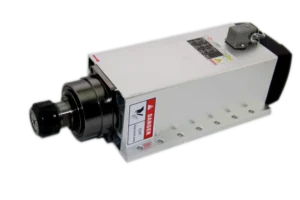
- Machine Settings and Calibration: The mechanical accuracy and stability of the CNC engraving machine directly affect the performance of the diamond bit. Before processing, ensure that the spindle runout is minimal. High runout can lead to premature bit wear, poor surface quality, and even breakage. Z-axis zeroing must be performed with extreme precision, ensuring the bit makes proper contact with the material surface. Backlash in the machine’s axes should be checked and compensated if necessary.
- Cutting Parameter Optimization: RPM, Feed Rate, and Depth of Cut should be optimally adjusted according to the diamond bit type and plexiglass material. For drag engraving, feed rate and applied pressure are usually critical. For rotary engraving, high RPMs (15,000-30,000 RPM) and appropriate feed rates should be chosen to stay below the melting point of plexiglass. Too low RPMs can lead to burring, while too high RPMs can cause melting and burning. Generally, preferring shallower, multiple passes instead of deep single passes provides cleaner results and longer tool life.
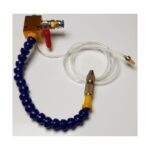
- Cooling and Chip Evacuation: Plexiglass is sensitive to heat during processing. Especially during rotary engraving, friction heat can cause the material to melt, become sticky, and clog the bit. To prevent this, using an effective air blast system is essential. Air both cools the bit and removes chips from the engraving area, ensuring a clean working environment. Vacuum systems are also highly effective for chip evacuation. The use of liquid coolants is generally not recommended for plexiglass, as the chemicals in the liquid can damage the plexiglass surface or cause cracking.
- Bit Wear and Maintenance: Diamond bits are long-lasting due to their extraordinary hardness, but they do wear over time. Losing the sharpness of the tip, in particular, reduces engraving quality and increases burring. Bits should be regularly inspected under a magnifying glass, and replaced if any signs of breakage or wear are observed. Keeping bits clean, especially cleaning plexiglass residues trapped between diamond particles in rotary bits, is important for maintaining performance.
- Test Engravings: When using a new batch of material or a different type of diamond bit, it is vital to perform test engravings on a small scrap piece before proceeding to the final product. These tests are a critical step for finding optimal parameters, evaluating surface quality, and identifying potential problems in advance. Different tip angles, feed rates, and depths should be tested to determine the best-performing combination.
Common Problems and Solutions
Some common problems that may be encountered in industrial plexiglass engraving applications and proposed solutions are detailed below:
- Burring and Edge Chipping:
Problem: Rough burrs forming on the edges of engraved lines or chipping of material edges.
Solution: This usually occurs due to incorrect bit selection, excessive feed rate, or insufficient RPM (for rotary). For drag engraving, a sharper angled bit (e.g., 60°) can be tried. For rotary engraving, the RPM should be increased and the feed rate decreased to ensure a more controlled cut. The use of cast plexiglass is preferred. Multiple shallow passes can also reduce burring.
- Blurry or Irregular Engraving Lines:
Problem: The engraved text or pattern is not clear, with lines appearing wavy or irregular.
Solution: Machine vibration, spindle runout, backlash in the axes, or a loosely mounted bit can cause this problem. The mechanical stability of the machine should be checked, spindle runout measured and corrected if necessary. The bit should be securely and correctly mounted in the collet. Z-axis zeroing should be re-checked, and the bit’s pressure on the material (for drag) or depth (for rotary) should be correctly adjusted. A worn bit can also cause this problem; the bit should be checked and replaced if necessary.
- Melting or Burn Marks on the Surface:
Problem: Melting, blackening, or stickiness on the plexiglass surface, especially during rotary engraving.
Solution: This is usually a sign of excessive heat generation. For rotary engraving, the RPM may be too high or the feed rate too low. The RPM should be reduced or the feed rate increased to ensure the tool moves faster over the material. Most importantly, use an effective air blast system to continuously cool both the bit and the engraving area and remove molten plexiglass residues. Avoid very deep cuts in a single pass; shallower, multiple passes should be preferred.
- Diamond Bit Breakage or Premature Wear:
Problem: The diamond bit breaks or loses its sharpness sooner than expected.
Solution: Bit breakage can result from excessive feed rate, too deep a cut, incorrect bit angle (for the material), material defects (internal stresses), or machine vibration. The feed rate should be reduced, the depth of passes decreased, and the machine’s stability ensured. Wear can be caused by insufficient cooling/chip evacuation, an incorrect RPM/feed rate combination, or poor bit quality. Higher quality, reputable brand diamond bits should be preferred, and the parameters mentioned above optimized. Spindle runout also significantly affects bit life.
- Repeatability Issues:
Problem: Inconsistent engraving quality across different batches or at different times, even when using the same settings.
Solution: This can be caused by environmental factors (temperature changes), thermal expansion in machine components, differences between material batches, or operator errors. It is important to maintain a stable temperature in the working environment. Work closely with the material supplier to ensure consistent quality plexiglass. Regular machine maintenance and calibrations should be performed, and operators should receive comprehensive training on standard operating procedures. Performing small test engravings for each new material batch helps to identify potential differences in advance.
Expert Advice
Plexiglass engraving applications in the industrial automation sector are critically important for the aesthetics, functionality, and durability of products. The correct selection of diamond bits and optimized processing parameters form the foundation for achieving excellence in this field. From an expert perspective, plexiglass engraving is not just a combination of tool and material but a process where material science, mechanical engineering, and precise control converge. Determining the best diamond bit requires a comprehensive evaluation of the application’s specific requirements, the type of plexiglass used (cast or extruded), machine capabilities, and targeted surface quality, rather than focusing on a single