No products in the cart.
Why Does Your CNC Vacuum Table MDF Substrate Leak Air?
Contents
- Understanding Air Leaks in CNC Vacuum Table MDF Substrates
- How Vacuum Tables Work and Technical Data
- The Natural Porosity of MDF
- Wear and Deformation
- Sealing Elements and Gaskets
- Vacuum Pump Capacity and Maintenance
- Workpiece Incompatibility and Placement
- Dust and Chip Accumulation
- Field Considerations
- Common Problems and Solutions
- Expert Advice
Air leaks in CNC vacuum table MDF substrates can significantly impact workpiece holding and machining accuracy. This article explores the primary reasons for these leaks, such as the natural porosity of MDF, wear and tear from machining, damaged seals, and dust accumulation. Understanding these factors is crucial for maintaining efficient CNC operations and ensuring high-quality production.
Mermak CNC Technical Guide
Practical notes for CNC router, automation and industrial motion systems.
Understanding Air Leaks in CNC Vacuum Table MDF Substrates
In industrial manufacturing, particularly within CNC machining centers, the precise and secure fixturing of workpieces is paramount. Vacuum tables are a common solution, utilizing negative pressure to hold components firmly against the machine bed. A critical component in this system is the MDF (Medium Density Fiberboard) substrate, often referred to as a sacrificial layer. This substrate protects the main vacuum table surface while ensuring uniform vacuum distribution to the workpiece. However, over time and with continuous use, these MDF substrates can develop air leaks, leading to reduced vacuum power, workpiece slippage, and compromised production quality and efficiency. Identifying the root causes of these leaks is essential for effective troubleshooting and prevention.
How Vacuum Tables Work and Technical Data
The fundamental principle of a vacuum table is straightforward: a vacuum pump creates a negative pressure within the table’s internal channels. This vacuum is transmitted through the MDF substrate, which has micro-pores or specifically machined channels, to the underside of the workpiece. When the workpiece is placed on the substrate, the air between them is evacuated, and the external atmospheric pressure firmly presses the workpiece onto the table. Various factors can disrupt this ideal scenario, leading to air leaks. Here are the primary technical reasons and detailed explanations:
The Natural Porosity of MDF
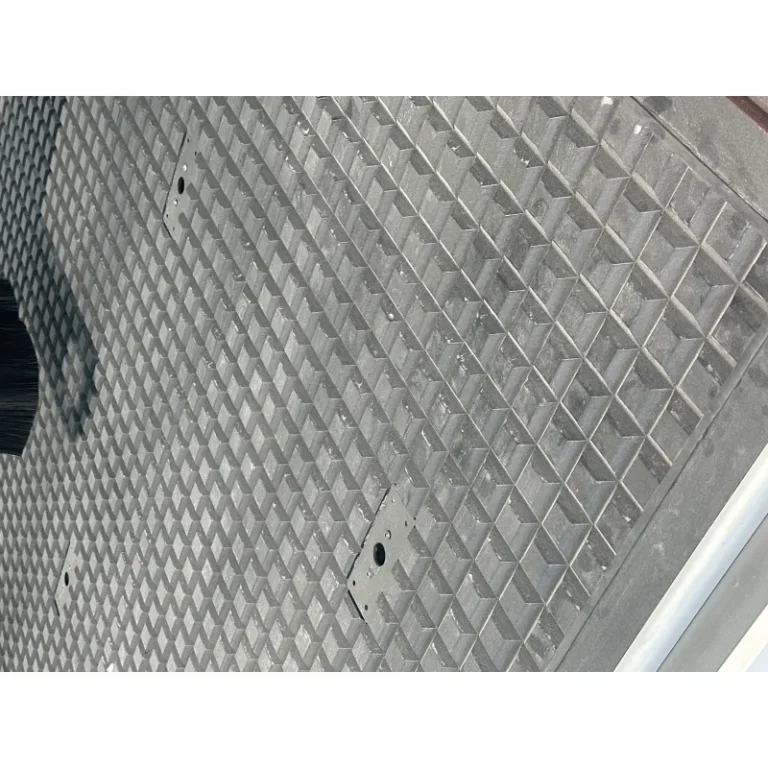
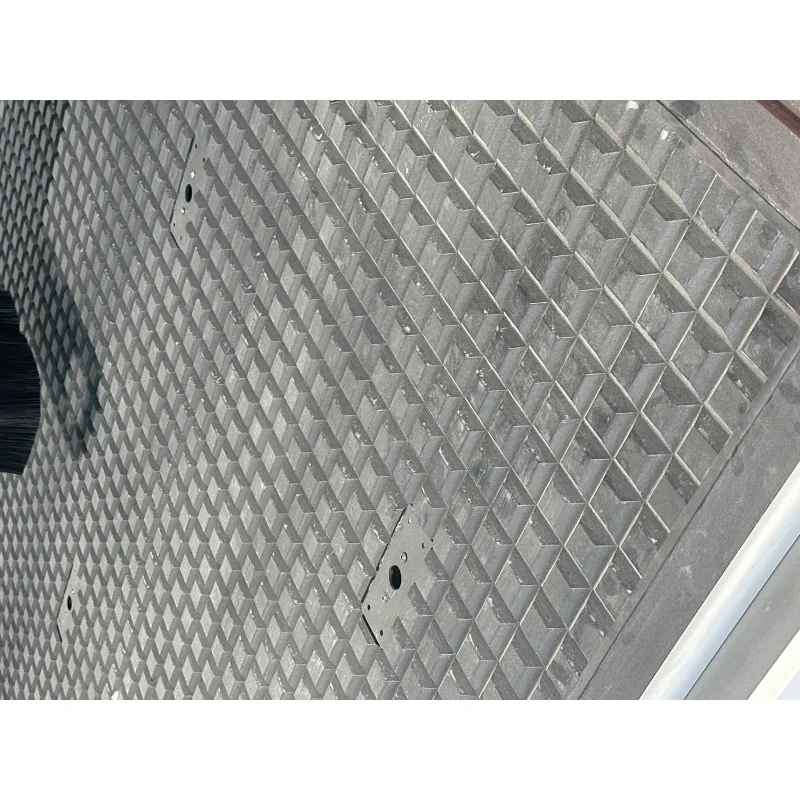
MDF (Medium Density Fiberboard) is manufactured by bonding wood fibers with synthetic resins under high pressure and temperature. While this process creates a dense and homogeneous material, it inherently possesses microscopic porosity. These pores, while facilitating vacuum transfer to the workpiece, are also a primary source of air leaks. In high-vacuum applications, air seeping through these pores can strain the vacuum pump’s capacity. The density of the MDF directly influences its porosity; lower-density MDF may be more porous and prone to leaks, while higher-density MDF offers better durability but might be less permeable initially. However, prolonged use tends to increase porosity in all types of MDF.

Wear and Deformation
MDF substrates on vacuum tables function as sacrificial layers. This means that during CNC machining, the cutting tools are allowed to penetrate slightly into the substrate. Over time, this results in cuts, scratches, and indentations on the substrate’s surface. Each cut creates a new pathway for air to escape, increasing leakage. Furthermore, frequent placement and removal of workpieces, the pressure from heavy components, or improper handling can lead to deformation, crushing, and cracks in the MDF. These physical damages compromise the substrate’s integrity and severely affect its ability to maintain a vacuum seal.

Sealing Elements and Gaskets
Beyond the MDF substrate itself, the sealing elements (gaskets) between the vacuum table and the substrate, and between the substrate and the workpiece, are crucial. Rubber or silicone gaskets typically installed around the perimeter or in specific zones of the vacuum table ensure that the vacuum is contained. If these gaskets become worn, hardened, cracked, or are improperly seated, air can be drawn into the system. This is particularly critical when machining smaller workpieces; if the unmachined areas of the substrate are not properly masked using sealing strips or gaskets, air leakage can significantly reduce overall vacuum performance. Even the smallest gap in these seals can have a detrimental effect.

Vacuum Pump Capacity and Maintenance
Sometimes, air leak issues are not directly caused by the MDF substrate but are related to the overall performance of the vacuum table system. An inadequate vacuum pump capacity or poor maintenance (clogged filters, low oil levels, worn vanes) can prevent the system from generating or maintaining sufficient vacuum pressure. This can be mistaken for an air leak in the substrate when, in reality, the pump is simply unable to compensate for existing leaks. Regular pump maintenance and selecting a pump with the correct capacity are essential to avoid these issues.

Workpiece Incompatibility and Placement
The shape, size, and surface quality of the workpiece can also contribute to vacuum leaks. If a workpiece does not completely cover the MDF substrate, or if its surface has unevenness, gaps, or roughness, air can seep through these areas. This is especially true when machining small parts; if the exposed areas of the substrate are not masked, continuous air ingress will reduce vacuum pressure. Improper seating of the workpiece or leaks around its edges will weaken the vacuum’s holding power. In such cases, using special masking strips or gaskets around the workpiece may be necessary.
Dust and Chip Accumulation
The dust, chips, and other debris generated during CNC machining can accumulate in the micro-pores and vacuum channels of the MDF substrate over time. This buildup obstructs the uniform distribution of vacuum to the workpiece, leading to insufficient holding force in certain areas. More critically, these particles can become lodged under the sealing strips or gaskets at the table edges, compromising their function and creating air leaks. Regular cleaning and an effective dust extraction system are vital for minimizing these problems.
| Parameter | Value/Description |
|---|---|
| MDF Density Range | 600-800 kg/m³ (Higher density is typically preferred for vacuum tables) |
| Average Porosity (Initial) | 5-15% void volume (varies by material and manufacturing method) |
| Vacuum Pressure (Operating) | -0.6 to -0.9 bar (Absolute pressure 0.1 – 0.4 bar) |
| Air Flow (Average Leakage) | 0.5 – 5 m³/hr (depending on MDF condition and surface area) |
| MDF Substrate Thickness | 12mm – 25mm (based on CNC application depth and frequency of replacement) |
| Sealing Gasket Material | EPDM, Silicone, Nitrile Rubber (selected based on wear and chemical resistance) |
| MDF Replacement Frequency | 1 week – 3 months (depending on usage intensity and wear) |
Field Considerations
- Correct MDF Material Selection and Thickness: The density and thickness of the MDF substrate must match the application’s requirements. Higher density MDF generally offers less porosity and better vacuum holding, along with increased wear resistance. Thickness should be determined by cutting depths and replacement frequency; thinner substrates deform faster, while excessively thick ones can slow vacuum transfer.
- Periodic Surface Inspection and Maintenance: Regularly inspect the MDF substrate surface. If excessive wear, deep cuts, or deformations are detected, consider resurfacing (e.g., light planing) or replacing the substrate. A smooth, undamaged surface is crucial for vacuum sealing. Also, check and clean vacuum channels for blockages.
- Condition and Check of Sealing Elements: Periodically inspect all sealing gaskets and strips around the vacuum table and for zoning. Replace any worn, hardened, cracked, or deformed seals immediately. Ensure seals seat perfectly against the table and substrate without any gaps. Correct material selection for these seals is also important.
- Vacuum Pump Performance and Maintenance: Do not neglect regular vacuum pump maintenance (filter cleaning/replacement, oil level checks, vane inspection). Periodically measure pump performance to ensure it maintains adequate vacuum pressure. A weak pump can lead to insufficient holding force even without substrate leaks.
- Workpiece Placement and Area Management: Ensure workpieces are positioned to cover the MDF substrate as completely as possible. If a workpiece does not cover the entire substrate, use masking strips, rubber sheets, or zone reduction techniques to prevent leaks from exposed areas. Verify the workpiece surface is flat and makes full contact with the substrate.
- Effective Chip and Dust Management: Efficiently removing dust and chips generated during CNC machining is critical for both machine longevity and vacuum table performance. Accumulated debris can clog vacuum channels and interfere with sealing strips, causing air leaks. A powerful dust extraction system and regular table cleaning are essential.
Common Problems and Solutions
Air leak issues in vacuum table systems often present with similar symptoms and can be resolved with proper diagnosis:
Problem 1: Insufficient Workpiece Holding or Slippage. This is the most common symptom, indicating inadequate vacuum power. The workpiece moves during machining, leading to loss of accuracy or complete displacement.
- Solution:
- Inspect the MDF substrate surface. Plane or replace if deep cuts or wear are present.
- Check and clean vacuum pump filters and oil levels; perform maintenance as needed.
- Inspect and replace any damaged sealing gaskets (table perimeter and zoning).
- Ensure the workpiece fully covers the substrate. Mask any exposed areas.
- Use a vacuum pressure gauge to verify the system’s vacuum level.
Problem 2: Persistent Hissing Sound from the System. This sound often clearly indicates an air leak. The intensity of the sound can suggest the size of the leak.
- Solution:
- Apply a soap and water test to locate the leak. Spray on suspect areas (MDF surface, gaskets, connection points); bubbles will reveal the leak’s origin.
- Carefully examine the edges and surface of the MDF substrate.
- Ensure all hoses and fittings are securely connected.
- Check the seating of gaskets.
Problem 3: Vacuum Pump Consistently Running at High Speed. The pump should stabilize or stop once a set vacuum level is reached. Continuous high-speed operation suggests the pump is working excessively hard to compensate for leaks.
- Solution:
- Implement all leak detection and repair steps mentioned above. Find and eliminate the source of the leak.
- Assess the overall condition and capacity of the pump. It might be old or undersized for the system’s requirements.
- Consider better sealing solutions or denser MDF substrates to reduce the total leakage rate.
Problem 4: Surface Marks or Defects on the Workpiece After Machining. Insufficient workpiece stability due to minor vibrations or movement can degrade machining quality.
- Solution:
- Implement all measures to increase vacuum holding force.
- If necessary, use additional mechanical fixturing (clamps, stops) for the workpiece.
- Review machining parameters (cutting speed, feed rate); they might be too aggressive for the workpiece.
Expert Advice
Air leaks in CNC vacuum table MDF substrates are an inevitable yet manageable challenge in industrial automation and CNC machining. The primary causes include the inherent porosity of MDF, wear and deformation from machining, degradation of sealing elements, improper workpiece placement, and dust accumulation within the system. Neglecting these issues not only reduces production quality but also decreases machine efficiency, increases scrap rates, and ultimately raises operational costs.
From an expert perspective, proactive maintenance and correct material selection are key principles for preventing and resolving these problems. Opting for high-density, quality MDF substrates extends wear life and minimizes initial porosity. Regular inspection, resurfacing, or replacement of the substrate ensures optimal vacuum table performance. Periodic checks and timely replacement of worn sealing gaskets and other connection components prevent minor leaks from escalating into major issues. Furthermore, regular maintenance of the vacuum pump and ensuring its capacity matches the system’s needs are critical for maintaining vacuum power.
Attention to workpiece placement and an effective chip and dust extraction system also directly impact vacuum table efficiency. Training operators on these procedures and establishing standard operating protocols can reduce human error. Remember, a well-designed and regularly maintained vacuum table system provides significant competitive advantages through high precision, repeatability, and efficiency in production processes. Minimizing air leaks is not merely a troubleshooting task but an integral part of continuous improvement in production quality and operational excellence.
Need to optimize your CNC setup? Ensure your vacuum table is performing at its best. Request a quote on WhatsApp today and let us help you achieve superior machining results.
Related product categories: Genel · 380V Vakum Pompası