Why Choose Domestically Produced CNC Parts?
📑 Table of contents (Click to open)
Introduction and Technical Analysis
The industrial automation sector is key to global competitiveness and manufacturing efficiency. At its core, CNC (Computer Numerical Control) machines are indispensable for modern manufacturing due to their precision, speed, and repeatability. The performance of a CNC machine is directly related to the quality, compatibility, and accessibility of each component it houses. Especially in recent years, vulnerabilities in global supply chains, currency fluctuations, and rapidly changing market dynamics have led businesses to opt for domestically produced CNC parts. This preference not only offers cost advantages but also brings operational flexibility, strategic independence, and the potential to create a sustainable manufacturing ecosystem. This article aims to provide in-depth insights into the technical, economic, and operational dimensions of choosing domestic CNC parts for industrial automation professionals, shedding light on decision-making processes in the field. Domestic production strengthens a country’s industrial backbone while also serving as a critical factor in ensuring the uninterrupted and high-efficiency operation of businesses’ machine parks.
Operating Principles and Technical Data
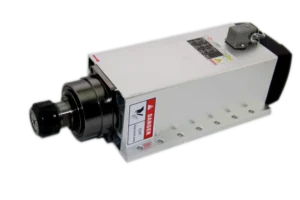
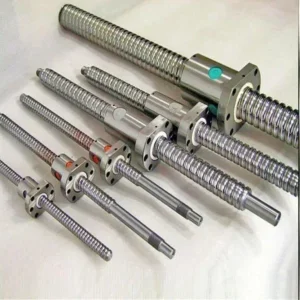
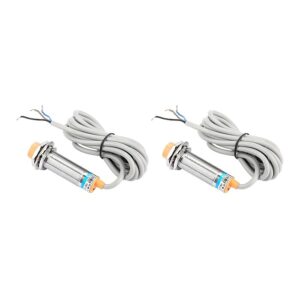
CNC machines are complex systems that interpret numerical codes (G-codes, M-codes) containing the geometry and processing parameters of the workpiece, controlling the movements and functions of the machine tool. The fundamental components of these systems include critical elements such as servomotors, servo drives, control cards, linear guide rails, ball screws, spindle motors, tool holders, sensors, and operator panels. The correct operation and compatibility of each part directly affect the overall precision, repeatability, and lifespan of the machine. Domestically produced CNC parts are developed with local engineering expertise and manufacturing capabilities at all stages, from design to production, testing processes, and field integration. This increases the potential to offer solutions that comply with international standards but are optimized for local needs, especially in countries with dynamic industries like Turkey. Domestic manufacturers can often better understand the specific demands of the local industry and the diversity of machine parks, developing more flexible and customizable products. Engineering details such as material selection, heat treatment processes, surface coatings, and assembly techniques are key factors determining the quality standards of domestic production. For example, the precision class of a ball screw (such as C0, C1, C3, C5), the load-carrying capacity and rigidity of linear guide rails, and the torque and speed characteristics of servomotors can be designed and manufactured by domestic producers to perform at par with or better than international competitors. The CNC machining centers, precision measuring devices, and quality control systems used in the production of these parts directly affect the final performance of the product. Domestic production offers the advantage of transparency and auditability throughout all these processes.
| Parameter | Value/Description |
|---|---|
| Precision Class (e.g., Ball Screw) | C3 (±0.008mm/300mm) or better |
| Repeatability (e.g., Linear Guide Rail) | ±0.003mm |
| Material Hardness (e.g., Guide Rail Surface) | 60-62 HRC (High Carbon Alloy Steel) |
| MTBF (Mean Time Between Failures) | Over 25,000 hours (Should be checked according to manufacturer datasheet value.) |
| Operating Temperature Range | -10°C to +70°C |
| Local Technical Support Time | On-site support within 24-48 hours (Varies by region) |
| Warranty Period | Minimum 2 years |
Considerations in the Field
- Compatibility and Integration: When choosing domestically produced CNC parts, ensuring full mechanical, electrical, and software compatibility with other components in your existing machine park is critical. Detailed technical drawings, electrical connection diagrams, and software interface protocols should be requested from the manufacturer. Especially in retrofit applications for older generation machines, active support from the domestic manufacturer’s engineering team in this integration process can prevent potential incompatibility issues.
- Quality Control and Certification: It is important for the domestic manufacturer to have quality management system certifications such as ISO 9001 and to document the compliance of their products with international standards like CE. Transparency in quality control stages during the production process, and information about the origin and quality of the materials used, play a vital role in the reliability of the final product. If possible, visiting the manufacturer’s facilities to inspect production lines and test laboratories on-site provides a clearer understanding of product quality.
- Technical Support and Service Network: One of the biggest advantages of domestic production is the ability to offer fast and accessible technical support. The quality of after-sales services is a decisive factor in minimizing machine downtime in case of malfunctions. It should be questioned whether the manufacturer has a wide service network, sufficient spare parts stock, and experienced technical personnel. Remote access and diagnostic capabilities are also a significant advantage in today’s technology.
- Spare Part Access and Inventory Management: Long supply times and customs processes experienced with foreign-made parts are eliminated with domestic production. Domestic manufacturers can usually supply spare parts faster and, in special cases, even produce them instantly to meet critical needs. Businesses reduce their own inventory costs while minimizing potential production losses. The domestic supplier’s spare part warranty and replacement policies should be thoroughly examined.
- Cost-Effectiveness and Total Cost of Ownership (TCO): Domestically produced parts can often be more competitive in initial cost. However, instead of focusing solely on the initial purchase cost, a Total Cost of Ownership (TCO) analysis should be performed. This analysis should cover part cost, shipping, customs, installation, maintenance, repair, spare part procurement time, and potential production loss costs. Domestic parts can significantly reduce TCO through lower shipping, faster service, and less downtime.
- Customization and Flexibility: Domestic manufacturers are generally more flexible in designing and producing parts according to the customer’s specific needs, in addition to standard products. Special solutions that will increase machine performance or are optimized for a specific application can be developed more easily with domestic manufacturers. This is a great advantage, especially for niche applications or the modernization (retrofit) of older machine parks.
Common Problems and Solutions
Some common problems encountered when using domestically produced CNC parts and field-oriented solutions are detailed below:
1. Part Incompatibility: A newly acquired domestic part (e.g., a servomotor or servo drive) may not perfectly fit the existing machine system, with mounting holes not aligning, different electrical connections, or conflicting software protocols. This is a common occurrence.
Solution: Before purchasing, request detailed technical drawings, 3D models, and electrical interface documents from the domestic manufacturer. Compare these with the detailed measurements and connection diagrams of the relevant section of your existing machine. If necessary, request an on-site inspection with the manufacturer’s engineering team to obtain a compatibility guarantee. Converter cards or software adaptations can be developed for electrical and software incompatibilities.
2. Shorter Lifespan or Early Failure: A newly installed domestic CNC part failing sooner than its expected lifespan or showing performance degradation can often be attributed to material quality, manufacturing tolerances, or incorrect assembly.
Solution: Review the manufacturer’s material certificates, heat treatment reports, and quality control test results. Ensure that the part’s assembly is performed according to manufacturer instructions and general engineering principles. Lubrication and maintenance programs for friction-exposed parts such as bearing housings, ball screws, and linear guide rails must be meticulously followed. In case of failure, contact the manufacturer to request a failure analysis and evaluate replacement or repair options under warranty.
3. Vibration, Noise, or Overheating Issues: A newly installed motor, servo drive, or motion control mechanism exhibiting abnormal vibration, high noise, or excessive heating negatively affects the machine’s overall performance and lifespan.
Solution: These issues typically stem from incorrect assembly, imbalance, inadequate bearing support, or electrical incompatibility. First, ensure that the assembly is correct, all connections are tight, and parts are mechanically aligned. If motors and servo drives are overheating, check the adequacy of the cooling system and that electrical parameters (voltage, current) are correctly set. Obtain additional information from the manufacturer regarding the part’s optimal operating conditions and assembly instructions. Vibration analysis and thermal cameras can be used to identify the source of the problem.
4. Delays in Technical Support and Spare Part Procurement: Despite being domestically produced, delays in technical support or spare part procurement can occur in some cases.
Solution: Before purchasing, obtain clear information about the size, competency, and average response time of the manufacturer’s technical support team. Spare part stock and procurement times should be guaranteed. For large-scale enterprises, consider keeping critical spare parts in-house or entering into a special spare parts agreement with the manufacturer. Establish regular communication channels with the manufacturer to proactively resolve issues before they arise.
5. Software and Firmware Incompatibility: Especially with electronic components like controllers and servo drives, the domestic manufacturer’s software or firmware may not fully integrate with the existing machine control system, leading to communication errors or incorrect operation.
Solution: Before purchasing, clarify which CNC control systems (Siemens, Fanuc, Heidenhain, etc.) or PLC platforms (Siemens TIA Portal, Rockwell Studio 5000, etc.) the domestic manufacturer’s software and firmware are compatible with. If necessary, a special adaptation or software development can be requested from the manufacturer. Before commissioning a new part, comprehensive tests should be conducted in a test environment or a non-critical section of the machine to identify integration issues in advance. Ensure that software updates can be easily performed.
Expert Recommendation
In the industrial automation sector, choosing domestically produced CNC parts is more than just a cost optimization strategy in today’s global and dynamic competitive environment; it is a strategic move for independence and operational flexibility. Our field experience shows that collaboration with the right domestic supplier provides significant long-term advantages to businesses. Fast technical support, immediate access to spare parts, and customizable solutions directly increase production efficiency by minimizing machine downtime. Furthermore, it contributes to the development of local R&D and engineering capabilities, strengthening the technological capacity of national industry. This paves the way for the development of high value-added products and increased competitiveness in international markets. It is critically important for businesses to evaluate domestic manufacturers not only based on price but also holistically considering criteria such as product quality, certifications, after-sales services, engineering support, and Total Cost of Ownership (TCO). A reliable domestic supplier can become not just a part provider but also a strategic partner for the continuous improvement and technological adaptation of your production processes. It should be remembered that domestic production is a fundamental element that reduces external dependence and increases the resilience of national industry, in addition to supporting economic sustainability and local employment. As industrial automation professionals, we must maximize this potential and proactively turn to domestic solutions.
FAQ
What are the main benefits of choosing domestically produced CNC parts?
Domestically produced CNC parts offer several key advantages, including faster technical support, quicker access to spare parts, reduced lead times, lower shipping and customs costs, and the potential for customized solutions tailored to specific industrial needs. This leads to reduced downtime and a lower Total Cost of Ownership (TCO).
How can I ensure compatibility when integrating domestic CNC parts into my existing machinery?
When selecting domestic CNC parts, it is crucial to verify compatibility with your existing machine park, including mechanical, electrical, and software interfaces. Always request detailed technical drawings, 3D models, and electrical diagrams from the manufacturer. Consider on-site inspections and engineering support for complex integrations.
What steps should I take to evaluate the quality and reliability of domestically produced CNC components?
To assess the quality and reliability of domestic CNC parts, look for manufacturers with ISO 9001 and CE certifications. Review material certificates, heat treatment reports, and quality control test results. Visiting the manufacturer's facilities and inspecting their production lines and test laboratories can also provide valuable insights.
What should I do if I encounter a problem with a domestically produced CNC part?
In case of technical issues or malfunctions, contact the domestic manufacturer's technical support team immediately. Ensure they have a robust service network, sufficient spare parts inventory, and experienced personnel. Proactive communication and a clear understanding of their warranty and replacement policies are essential for minimizing downtime.
How should I compare the cost-effectiveness of domestic versus international CNC parts?
When comparing domestic and international CNC parts, focus on the Total Cost of Ownership (TCO) rather than just the initial purchase price. TCO includes costs for the part, shipping, customs, installation, maintenance, repairs, spare part lead times, and potential production losses. Domestic parts often offer a lower TCO due to faster service and reduced logistics.