No products in the cart.
Why Should Cable Channels Be Separated on CNC Machines?
Contents
Discover the critical importance of separating cable channels on CNC machines. This practice prevents electromagnetic interference (EMI) and radio frequency interference (RFI), safeguarding signal integrity and ensuring optimal machine performance. Essential for industrial CNC routers and complex automation systems.
Mermak CNC Technical Guide
Practical notes for CNC router, automation and industrial motion systems.
Understanding the Need for Separate Cable Channels in CNC Machines
CNC (Computer Numerical Control) machines are sophisticated automated systems requiring high precision and reliability. The wiring within these machines acts as their nervous system, transmitting vital commands and feedback. The principle of separating cable channels is fundamental to isolating power cables, signal cables, and data communication cables, both physically and electrically. This separation is particularly critical on moving axes and within control cabinets, preventing different cable types from running together in the same conduit or carrier. The primary goal is to ensure the machine operates reliably, accurately, and without interruption by preventing one type of cable from negatively impacting another. Industry standards and best practices mandate this separation, as disorganized wiring can lead to a wide range of issues, from intermittent faults to long-term system degradation. This is a key design and implementation principle for both new installations and the modernization of existing systems.
Operational Principles and Technical Data
The core principle behind cable separation in CNC machines is to minimize inductive and capacitive coupling effects between cables with different electrical characteristics. Power cables supply motors, heaters, and other high-current components, carrying significant amperage and sometimes high voltage. These high currents generate strong electromagnetic fields (EMF). Devices like variable frequency drives (VFDs) and switched-mode power supplies are notorious sources of wideband radio frequency interference (RFI) due to their high-frequency switching operations.
Conversely, signal cables from sensors (encoders, limit switches, temperature sensors) and data communication cables (Ethernet, Profibus, DeviceNet, CANopen, etc.) transmit low voltages (millivolts) and low currents (microamps). These cables are highly susceptible to electromagnetic noise because they often carry high-frequency signals. The EMF generated by power cables can induce unwanted voltages onto these sensitive signal cables or overlay noise onto existing signals. This can result in signal distortion, data loss, positioning errors, speed fluctuations, and even complete machine shutdowns. For instance, noise on an encoder cable can lead to incorrect motor position readings, degrading machining accuracy or causing the tool to move to the wrong location.
Technically, cable separation provides the following benefits:
- EMI/RFI Reduction: Physical separation minimizes inductive coupling (where current changes in one cable induce voltage in another) and capacitive coupling (charge transfer between two cables via their electric field). This is crucial for preventing high-frequency noise from VFDs from interfering with control signals.
- Signal Integrity: Ensures that sensitive analog and digital signals are transmitted without noise, guaranteeing data integrity and control accuracy.
- Safety: Keeping high-voltage power cables separate from low-voltage signal cables prevents high voltages from reaching sensitive control circuits or posing a hazard to operators in case of cable insulation failure. It can also slow the spread of fire.
- Ease of Maintenance and Troubleshooting: Separate channels lead to more organized wiring, making it easier to identify faulty cables, replace them, or add new ones. Visual inspections are more effective in a well-organized system.
- Thermal Management: High-current power cables can generate heat. Separating them from signal cables prevents this heat from affecting signal integrity or degrading insulation. Separate channels also allow for better airflow and heat dissipation, extending cable life.
- Compliance with Standards: International industrial automation standards, such as IEC 60204-1 and NFPA 79, often mandate cable separation for machine safety and electrical equipment.
These principles are especially important for cables running within cable carriers (drag chains) on moving axes. Under constant flexing and tension, cable insulation can degrade; separate channels provide an additional layer of protection against potential short circuits or interference propagation.
| Parameter | Value/Description |
|---|---|
| Cable Type Separation | Power (AC/DC), Signal (Analog/Digital), Data Communication (Ethernet, Fieldbus) cables in separate channels. |
| Minimum Separation Distance (Recommendation) | At least 10-30 cm between power and signal cables (varies by application and noise level). Physical dividers within cable carriers. |
| EMI/RFI Shielding | Use of shielded cables with proper single-point grounding. Separate channels support this protection. |
| Inductive Coupling Reduction | Minimizes magnetic field interaction between cables, critical for high-frequency switching currents. |
| Capacitive Coupling Reduction | Lowers electric field interaction between cables, important for high-voltage power cables. |
| Compliant Standards | IEC 60204-1 (Safety of Machinery – Electrical Equipment), NFPA 79 (Electrical Standard for Industrial Machinery). |
| Signal Integrity Guarantee | Ensures noise-free transmission of sensitive sensor and encoder data for accurate position and speed control. |
Field Considerations for Proper Installation
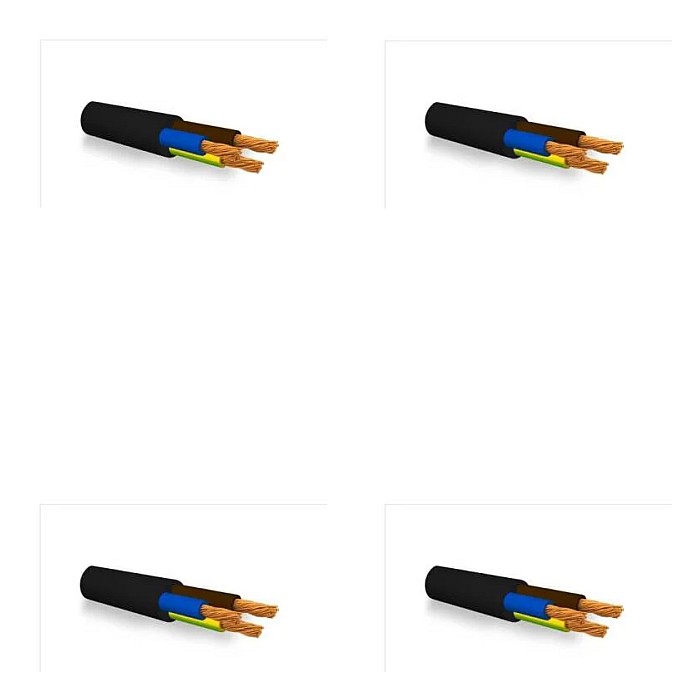
- Correct Channel and Divider Selection: Within cable carriers, use appropriate divider plates and separators to isolate power, signal, and data cables. These dividers must be robust enough to prevent cables from shifting and contacting each other during movement. Channel fill should not exceed 60-70% to allow for air circulation and flexibility, preventing premature cable wear and overheating.
- Shielding and Grounding: For noisy environments and sensitive signals, using shielded cables is essential. Shielding blocks external EMI and contains the cable’s own emissions. Proper single-point grounding of the shield is vital to prevent ground loops. Double-shielded cables (e.g., foil and braid) offer superior protection, especially against high-frequency interference.
- Cable Labeling and Documentation: Clear, durable labeling on all cables significantly speeds up maintenance and troubleshooting, even when cables are in separate channels. An up-to-date electrical schematic and cable list serve as indispensable references for field technicians, facilitating future modifications, expansions, and system integrations while minimizing human error.
- Minimum Bend Radius and Strain Relief: Adhering to the manufacturer’s specified minimum bend radius for cables is crucial for longevity. Proper strain relief prevents excessive tension on cable connections.
By implementing these practices, you ensure the robust and reliable operation of your industrial CNC router, minimizing downtime and maximizing productivity. For advanced CNC solutions and expert consultation, request a quote on WhatsApp today.
Related product categories: General · Electronics · Combination Packages