No products in the cart.
What Are Linear Guides and Carriages? How Are They Used in CNC Systems?
Contents
- Linear Guide and Carriage: Introduction and Technical Analysis for CNC Systems
- What Are Linear Guides and Carriages? How Are They Used in CNC Systems? Working Principle and Technical Data
- What Are Linear Guides and Carriages? How Are They Used in CNC Systems? Field Considerations
- What Are Linear Guides and Carriages? How Are They Used in CNC Systems? Common Problems and Solutions
- What Are Linear Guides and Carriages? How Are They Used in CNC Systems? Conclusion and Expert Advice
- FAQ
Linear Guide and Carriage: Introduction and Technical Analysis for CNC Systems
Linear guide and carriage systems are fundamental building blocks of industrial automation, especially in CNC (Computer Numerical Control) systems, making them indispensable components of modern manufacturing technologies. These systems enable machines to perform highly precise, low-friction, and repeatable movements along a specific axis. With a wide range of applications from machining and assembly lines to robotic systems and custom machine designs, linear guides directly impact the efficiency, quality, and speed of today’s production processes. This technical article and field guide will provide an in-depth analysis of linear guide and carriage systems, detailing their working principles, critical roles in CNC systems, technical parameters, field considerations, and solutions for common issues. Our goal is to offer a comprehensive guide for industrial automation professionals, engineers, and technicians on these vital components. A correctly selected, properly installed, and regularly maintained linear motion system extends machine life while maximizing manufacturing precision and overall operational reliability. These systems excel not only in ensuring motion linearity but also in their ability to carry heavy loads, operate at high speeds, and withstand harsh environmental conditions, forming the bedrock of modern manufacturing.
What Are Linear Guides and Carriages? How Are They Used in CNC Systems? Working Principle and Technical Data
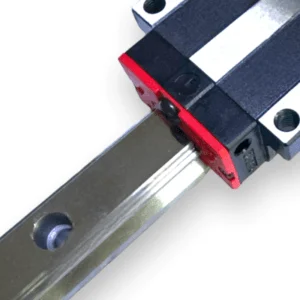
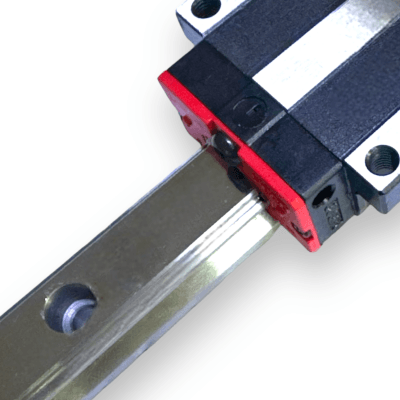
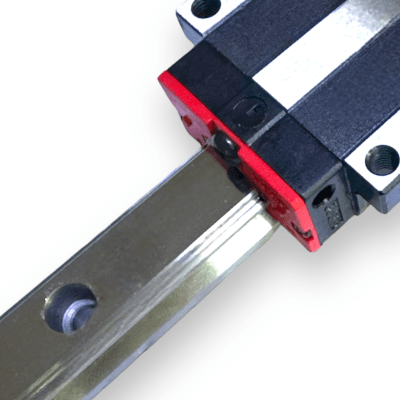
Linear guide and carriage systems fundamentally consist of two main components: one or more carriages (bearing blocks) that move along, and a guide (rail) on which these carriages slide. The core working principle of these systems is to provide high-precision linear motion by minimizing friction and distributing the load evenly. Unlike traditional plain bearing systems, linear guides typically use rolling elements (balls or rollers) to significantly reduce friction. These rolling elements continuously recirculate along special channels within the carriage, ensuring smooth and stable movement on the guide rail. This structure offers a low friction coefficient, high rigidity, and precise positioning capability. Working Principle Details: The balls or rollers inside the carriage make contact with the precisely machined grooves on the guide rail. These contact points determine the system’s load-carrying capacity and rigidity. The rolling elements move in a continuous cycle, entering one end of the carriage and exiting the other. This recirculation mechanism allows for unlimited motion. The carriage also contains guides that ensure the smooth direction of the rolling elements and sealing elements (wipers) that protect the system from external factors. Wipers prevent contaminants such as dust, chips, and liquids from entering the carriage, extending system life and maintaining performance. Technical Data and Engineering Parameters: The selection and application of linear guide and carriage systems depend on a series of critical technical parameters:
- Dynamic Load Capacity (C): This is the maximum equivalent load a system can carry over a specified service life (typically 50 km or 100 km) while in motion. This value is used to calculate the expected life of the system.
- Static Load Capacity (C₀): This is the maximum load a system can withstand without causing permanent deformation in the rolling elements and contact surfaces when the system is not moving. This is particularly important for shock loads or prolonged static loads.
- Accuracy Class: A parameter that defines the manufacturing tolerances of the guide and carriage systems and, consequently, the accuracy of movement (e.g., Normal, High, Precision, Super Precision). High-accuracy classes are generally preferred for CNC machine tools.
- Preload: An internal load applied to eliminate play (clearance) in the system and increase rigidity. Preload is critical for accuracy and vibration damping. Typically, Light, Medium, or Heavy preload levels are available. Heavy preload provides higher rigidity and better vibration damping but can increase friction and wear.
- Maximum Speed: The highest linear speed at which the systems can operate safely and efficiently. This is limited by the recirculation speed of the rolling elements and lubrication conditions.
- Rigidity (Stiffness): A measure of how much the system deforms when subjected to a load. High rigidity reduces vibrations during machining and ensures better surface finish and accuracy.
- Friction Coefficient: Indicates the resistance generated during motion. In rolling element systems, the friction coefficient is very low (typically 0.002-0.005), which translates to energy efficiency and less heat generation.
- Material: Guide rails and carriages are typically manufactured from hardened alloy steel. Stainless steel or special coatings can also be used for corrosion resistance.
- Operating Temperature Range: The ambient temperature range within which the systems can operate safely and performantly.
Usage in CNC Systems: Linear guide and carriage systems serve as fundamental motion components in all moving axes (X, Y, Z, A, B, C) of CNC machines. They play a critical role especially in high-speed machining centers, machine tools, laser cutting machines, waterjet cutting machines, measuring devices, and robotic applications. Thanks to these systems, CNC machines achieve:
- High Accuracy and Repeatability: Micro-level positioning accuracy and the ability to return to the same point repeatedly.
- High Rigidity: Resistance to cutting forces generated during machining, minimizing tool vibrations, and thus ensuring better surface quality and longer tool life.
- High Speed and Acceleration: Axes can move and accelerate quickly due to low friction, which shortens cycle times.
- Long Life and Reliability: Properly selected and maintained systems operate trouble-free for many years.
- Modular Design: Easily integrated in different sizes and capacities, providing flexibility in machine design.
In summary, linear guide and carriage systems are at the heart of CNC technologies and are indispensable for meeting the high precision, speed, and efficiency standards required by modern manufacturing. Proper selection and application, in accordance with engineering principles, fully unleash the potential of these components, leading to revolutionary improvements in production processes.
| Parameter | Value/Description |
|---|---|
| Dynamic Load Capacity (C) | 50,000 N (Example: for 35 mm rail) – Moving load capacity over a specified life. |
| Static Load Capacity (C₀) | 100,000 N (Example: for 35 mm rail) – Maximum load it can withstand without permanent deformation. |
| Accuracy Class | H (High) – ±0.02 mm/300mm positioning accuracy. |
| Preload Level | P1 (Medium Preload) – For increased rigidity and backlash-free operation. |
| Maximum Speed | 5 m/s – Depending on application and lubrication conditions. |
| Operating Temperature Range | -20°C to +80°C – Wide industrial application range. |
| Material | Hardened Alloy Steel – High wear resistance and durability. |
What Are Linear Guides and Carriages? How Are They Used in CNC Systems? Field Considerations
- Correct Selection and Sizing: The linear guide and carriage system must be selected with the correct type and size according to the application’s required load, speed, accuracy, and operating environment conditions (temperature, humidity, contamination). Oversizing leads to unnecessary costs, while undersizing results in premature failure and performance loss. Load directions (radial, reverse radial, lateral) and moment loads must be carefully calculated and compared with the manufacturer’s catalog values. Incorrect selection shortens machine life and prevents the desired accuracy from being achieved.
- Mounting and Alignment Precision: The mounting of linear guides has a critical impact on system performance and life. The mounting surface must be extremely flat and clean, the guide rails must be tightened with the correct torque values, and parallelism and coplanarity between axes must be ensured to within thousandths of a millimeter. Misalignment can lead to excessive friction, noise, vibration, premature wear, and even failure. Especially for long guide rails, thermal expansion factors must also be considered. Special alignment tools and techniques should be used during mounting, and the cleanliness of bolt holes and the correct tightening sequence must be followed.
- Effective Lubrication: Regular and correct lubrication is vital for the long-term and efficient operation of linear guide and carriage systems. A sufficient oil film must be created between the rolling elements and contact surfaces. The type of oil or grease used must be appropriate for the manufacturer’s recommendations and operating conditions (temperature, speed, load). Lubrication intervals and quantities should be adjusted according to the duty cycle, load, and environmental factors. Automatic lubrication systems minimize human error, providing continuous and optimal lubrication. Insufficient or incorrect lubrication increases friction, accelerates wear, and dramatically shortens system life.
- Protection Against Contamination: In CNC environments, chips, dust, coolants, and other contaminants are inevitable. The ingress of these contaminants into the carriage can damage rolling elements and rail surfaces, leading to premature wear and failure. Appropriate bellows, metal or plastic covers, wipers, and special seals should be used to protect the guide rails. Furthermore, utmost care must be taken with cleanliness during assembly and maintenance. If operating in a dirty environment, systems with a higher protection class or special coatings should be preferred.
- Regular Maintenance and Inspection: Linear guide and carriage systems should be periodically inspected visually and audibly. Abnormal noises (squeaking, clicking), excessive heat, oil leakage, or increased movement resistance are signs of a potential problem. The guide rail surfaces should be checked for rust, scratches, or deformation. The integrity and functionality of the wipers should be checked, and damaged wipers should be replaced immediately. Bolt connections should be checked for looseness and re-tightened with a torque wrench if necessary. Early intervention prevents larger failures and production losses.
- Storage and Transportation: Unused linear guides and carriages should be stored in their original packaging, in a dry, clean, and vibration-free environment. Protective lubrication should be applied to prevent corrosion. During transportation, damage such as dropping, impact, or bending should be avoided, as such mechanical impacts can damage the internal structure and impair accuracy.
What Are Linear Guides and Carriages? How Are They Used in CNC Systems? Common Problems and Solutions
Linear guide and carriage systems, despite being highly engineered components, can experience problems for various reasons. Early diagnosis and correct resolution of these issues are critical to minimizing machine downtime and maintaining production efficiency.
- Increased Friction, Noise, or Vibration:
- Problem: Abnormal noises (squeaking, clicking) during movement, difficult movement, or vibrations in the machine axis.
- Possible Causes: Insufficient or incorrect lubrication, contamination (dust, chips, coolant), misalignment, worn rolling elements or rail surfaces, loose mounting bolts.
- Solution: First, check lubrication and, if necessary, lubricate with the type and amount recommended by the manufacturer. Clean the guide rails and carriages, and check the sealing elements. Perform an alignment check and, if there is a deviation, realign precisely. Tighten loose bolts with a torque wrench. If wear is advanced, replacement of the guide and carriage set may be necessary.
- Loss of Positioning Accuracy or Backlash:
- Problem: The machine not reaching the desired position accurately, a feeling of play in the axes, or dimensional errors during machining.
- Possible Causes: Wear of rolling elements or rail surfaces, reduced preload, loosening of mounting bolts, internal deformation due to shock loads.
- Solution: Check the tightness of the mounting bolts. In case of wear, replacing the system is the most permanent solution. In some cases, adjustment may be attempted on systems where the manufacturer allows preload adjustment, but this usually requires expertise. If the problem is due to mounting, a precise reassembly and alignment should be performed.
- Premature Wear or Corrosion:
- Problem: Visible signs of wear, rust, or discoloration on the guide rail surfaces or inside the carriage.
- Possible Causes: Insufficient lubrication, exposure to aggressive chemicals (coolants), humid or corrosive operating environment, damage to the protective coating, overloading.
- Solution: Ensure regular and appropriate lubrication. Take protective measures (bellows, covers) to prevent coolants from contacting the guide rails. In environments with high corrosion risk, stainless steel or specially coated linear guides should be preferred. Worn or rusted components should be replaced. Ensure that the load capacity has been calculated correctly.
- Carriages Sticking or Not Moving Smoothly:
- Problem: The carriage getting stuck at certain points, intermittent movement, or complete locking.
- Possible Causes: Severe misalignment, physical damage on the guide rail (nicks, bending), large contaminants trapped inside the carriage, excessive preload, or thermal expansion.
- Solution: Check the physical condition of the guide rail and carriage; consider part replacement if there is any damage. Recheck and correct alignment. Perform contamination control and clean the carriage. If thermal expansion is an issue, consider leaving expansion gaps in the machine design or selecting appropriate materials.
- Oil Leakage or Sealing Problems:
- Problem: Oil or grease leakage from the carriages, rapid depletion of lubricant.
- Possible Causes: Damaged or worn sealing elements (wipers), excessive lubrication pressure, faulty lubrication system components.
- Solution: Damaged wipers should be replaced immediately. Check the pressure settings of automatic lubrication systems and adjust excessive lubrication amounts. Ensure that the sealing elements are installed correctly.
Most of these problems can be prevented by correct installation, regular maintenance programs, and adherence to manufacturer recommendations. Early detection and quick intervention prevent costly failures and prolonged production downtime.
What Are Linear Guides and Carriages? How Are They Used in CNC Systems? Conclusion and Expert Advice
Linear guide and carriage systems are complex and high-performance components that form the backbone of modern industrial automation, especially CNC systems. Without these systems, it would be impossible to achieve the levels of precision, speed, and repeatability required by today’s demanding manufacturing processes. The overall performance of a CNC machine or automation system directly depends on the quality of the linear motion systems used, their correct sizing, meticulous installation, and regular maintenance. Our field experience shows that investment in linear guides should not be seen merely as a cost item, but as a strategic decision that, in the long run, increases production efficiency, product quality, and machine life. A cheap, low-quality, or incorrectly selected linear motion system, while seemingly offering a cost advantage initially, can quickly lead to much higher costs due to increased maintenance expenses, frequent failures, production downtime, and substandard products. As expert advice, when selecting linear guide and carriage systems, always carefully analyze all application requirements (load, speed, accuracy, environmental conditions, expected life) and prefer products from leading, reliable brands. During installation, strictly follow the manufacturer’s instructions, use precise alignment techniques, and do not compromise on the quality of mounting surfaces. Lubrication, one of the most critical elements, should never be neglected; the correct lubricant type, quantity, and lubrication periods must be meticulously followed. Advanced automatic lubrication systems offer great convenience and reliability in this regard. Furthermore, appropriate bellows and sealing elements should be used to protect the guide rails from external factors, and care should be taken to maintain cleanliness in the working environment. Periodic inspections and preventive maintenance activities are key to detecting potential problems early, preventing major failures and unexpected downtime. Remember that a well-designed, correctly installed, and regularly maintained linear motion system is the heart of your machine and ensures your production processes continue uninterrupted, efficiently, and with high quality. The care given to these components will maximize the return on your industrial automation investments.
FAQ
What are linear guides and carriages?
Linear guides and carriages are precision mechanical components that provide highly accurate, low-friction linear motion in industrial machinery. They consist of a guide rail and a bearing block (carriage) that moves along it, typically using recirculating balls or rollers to minimize friction. They are essential for CNC machines, robotics, and other automation systems requiring precise linear movement.
How are linear guides and carriages used in CNC systems?
In CNC systems, linear guides and carriages are used on all moving axes (X, Y, Z, A, B, C) to ensure precise and repeatable tool or workpiece positioning. They provide the necessary rigidity to withstand cutting forces, enable high-speed and high-acceleration movements, and maintain accuracy over long operational periods, directly impacting the quality and efficiency of machining operations.
What are the critical technical parameters for selecting linear guides and carriages?
Key technical parameters include Dynamic Load Capacity (C) for moving loads, Static Load Capacity (C₀) for stationary loads, Accuracy Class (e.g., High, Precision), Preload (to eliminate play and increase rigidity), Maximum Speed, Rigidity, Friction Coefficient, Material (hardened alloy steel), and Operating Temperature Range. These parameters dictate the system's performance and suitability for specific applications.
What are common problems encountered with linear guide and carriage systems?
Common issues include increased friction, noise, or vibration (often due to poor lubrication or misalignment), loss of positioning accuracy or backlash (due to wear or reduced preload), premature wear or corrosion (due to insufficient lubrication or harsh environments), and carriages sticking (due to misalignment or damage).
How can common problems with linear guides and carriages be resolved?
Solutions typically involve ensuring proper and regular lubrication, meticulous mounting and alignment, protecting against contamination with bellows and seals, and conducting periodic inspections and preventive maintenance. In cases of significant wear or damage, replacement of components is often necessary.