No products in the cart.
Water Protection Measures in Marble and Stone Processing CNC Machines
Contents
Marble and stone processing CNC machines heavily rely on the precision and efficiency of Computer Numerical Control (CNC) technology to create products that combine aesthetics with durability. When processing hard and abrasive materials, these industrial CNC router machines often use water for cooling and chip evacuation during operations like cutting, drilling, shaping, and polishing. The use of water is critical for reducing high temperatures generated during machining, extending tool life, preventing thermal deformation of the workpiece, and minimizing the spread of stone dust into the environment. This protects both worker health and machine components. However, this beneficial use of water also introduces significant technical challenges and risks.
From an industrial automation perspective, the presence of water in marble and stone processing CNC machines can lead to corrosion of machine components, short circuits in electrical systems, wear on sensitive moving parts, and a general reduction in machine lifespan. Therefore, water protection measures are not merely an optional feature but a fundamental requirement for the reliable, efficient, and long-lasting operation of the machine. Key considerations in the design and operation of these machines include IP (Ingress Protection) ratings, sealing elements, effective filtration systems, and material selection. This guide aims to provide industry professionals with a comprehensive overview by delving into the technical details, field applications, and the critical role of industrial automation in water protection for marble and stone processing CNC machines.
Operating Principle and Technical Data
In marble and stone processing CNC machines, water is typically directed to the cutting zone via a high-pressure pump. The primary functions of this water include cooling the tool and workpiece, removing chips and dust from the processing area, and reducing airborne particulate matter. The water used in this process is usually filtered and recirculated in a closed-loop system. This closed-loop system reduces water consumption while ensuring that abrasive particles contained in the water are kept under control. However, there is always a potential for this water to come into contact with the machine’s sensitive mechanical and electronic components.
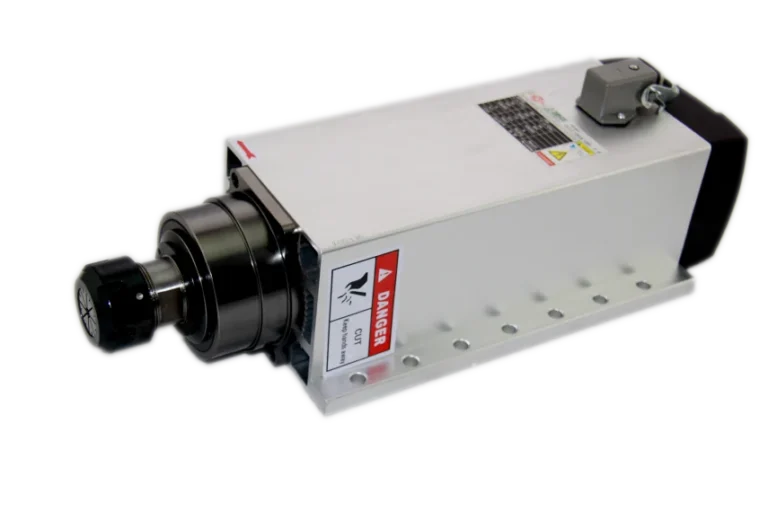
Water protection measures involve a series of engineering solutions to minimize these potential risks. The most basic measure is for critical machine components to have an appropriate IP (Ingress Protection) rating. For example, high protection classes like IP67 or IP68 are often preferred for components such as the spindle motor, servo motors, sensors, and electrical cabinets. IP67 signifies complete protection against dust ingress and the ability to operate submerged in up to 1 meter of water for 30 minutes, while IP68 provides protection against longer and deeper submersion. These ratings standardize the durability of components against environmental conditions and enhance their reliability.
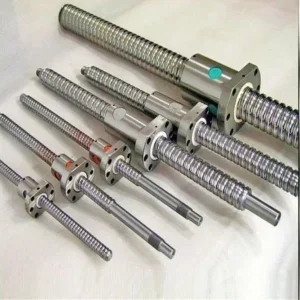
Mechanical protection involves using bellows, sealing elements (seals, O-rings), and special covers to protect moving parts like linear guide rails, ball screws, and bearings from water and abrasive particles. These elements form a barrier against water spray and particle accumulation on the machine’s moving axes. Additionally, some machines use positive pressurization systems in critical areas like electrical cabinets. These systems continuously pump clean, filtered air into the cabinet, preventing dust and water ingress from the outside.
Filtration systems are vital for maintaining water quality and preventing abrasive particles from damaging the machine. Multi-stage filtration systems are commonly used: pre-filters to capture coarse particles, cartridge filters for finer particles, and sometimes centrifugal or magnetic separators. Filtration accuracy is typically expressed in microns and varies depending on the type of material being processed and the desired surface quality. For instance, a 50-micron pre-filter followed by a 10-20 micron fine filter may be sufficient for most stone processing applications. The pH level and mineral content of the water should also be regularly monitored to maintain water quality, as unsuitable water chemistry can accelerate corrosion.
Material selection is also a critical factor. For components in continuous contact with water or exposed to moisture, stainless steel, special alloys, or corrosion-resistant coatings (e.g., nickel plating, galvanizing) should be preferred. For electrical cables and connectors, special water-resistant, UV-protected cable conduits and connectors suitable for industrial environments must be used. These detailed engineering approaches ensure that marble and stone processing CNC machines operate with a long lifespan and high performance, even in challenging working conditions.
| Parameter | Value/Description |
|---|---|
| Spindle IP Protection Class | Typically IP67 or IP68 |
| Electrical Cabinet IP Protection Class | Minimum IP54, preferably IP65 or IP66 |
| Coolant Pressure (Cutting Zone) | 2-5 bar (varies by application and nozzle) |
| Coolant Flow Rate | 10-50 liters/minute (depends on processing speed and tool diameter) |
| Filtration Accuracy (Fine Filter) | 10-20 microns (depends on material processed) |
| Critical Mechanical Component Material | Stainless Steel (AISI 304/316), Corrosion-Resistant Alloys |
| Operating Environment Temperature | 5°C – 40°C (must be checked against machine manufacturer datasheet) |
| Water Chemistry Control | pH range 7.0-8.5, low chlorine and mineral content |

Field Considerations
- Regular Inspection and Replacement of Sealing Elements: Sealing elements such as bellows, gaskets, and O-rings in CNC machines wear out, harden, or deteriorate over time. These elements should be visually inspected periodically, and immediately replaced if any signs of deformation, cracks, or tears are observed. The bellows on moving axes are particularly critical as they are directly exposed to water and abrasive particles. Original spare parts or equivalent quality industrial standard materials should be used for replacement.
- Filtration System Maintenance and Water Quality Control: The coolant filtration system plays a critical role in ensuring water cleanliness and removing particles that could damage the machine. Filter elements (cartridges, bag filters) should be cleaned or replaced at specified intervals. Clogged filters reduce water flow, decrease cooling efficiency, and create unnecessary load on the pump. Furthermore, the pH value and mineral content of the coolant should be regularly checked and maintained at optimal levels using water treatment systems or appropriate water additives if necessary. Excessively hard water or water containing corrosive chemicals can accelerate corrosion of machine components.
- Electrical Safety and Grounding: Water and electricity together pose serious safety risks. All electrical connections, cables, and panels must comply with their specified IP protection class. Cable entries and exits should be properly sealed, and cable conduits designed to prevent water accumulation. Effective grounding of all metal parts of the machine and the electrical cabinet is indispensable for protection against leakage currents. Grounding resistance measurements should be performed periodically, and the functionality of residual current devices (RCD/ELCB) should be tested.
- Machine Area Cleanliness and Drainage: The working area around the machine and the drainage channels at the machine base must be kept clean to ensure effective collection, filtration, and recirculation of water. Chips, sludge, or other debris must not be allowed to clog the drainage system. Regular cleaning reduces water accumulation and thus the risk of corrosion. Additionally, inclined surfaces and collection trays should be present to ensure that water splashed onto the machine drains away easily.
- Operator Training and Awareness: Machine operators should be regularly trained on the importance of water protection measures, associated risks, and fundamental safety procedures. Informing them about what to do if they notice any water leakage, abnormal sounds, or electrical fault symptoms is critical for rapid intervention and preventing potential damage. Reading and understanding the sections related to water protection in machine user manuals should be encouraged.
- Material Compatibility and Corrosion Control: Ensure that all parts in direct contact with water are made from corrosion-resistant materials (stainless steel, special alloys). If this is not possible, these parts must be protected with anti-corrosion coatings. When different metals are used together in the machine structure, care must be taken to reduce the risk of galvanic corrosion through insulation or appropriate material selection.

Common Problems and Solutions
Various problems can arise in marble and stone processing CNC machines due to water usage. Early detection and correct solutions for these problems extend machine life and reduce operating costs.
- Problem: Water Leaks and Electrical Faults. Water can seep into the electrical cabinet, motors, or sensors, causing short circuits, malfunctions, and even dangerous electric shocks. Worn or incorrectly installed sealing elements (bellows, gaskets) are among the most common causes. Solution: All sealing elements should be regularly inspected, and worn ones immediately replaced. Ensure that electrical cabinet door seals and cable entries are watertight. If necessary, positive pressurization systems can be integrated into cabinets. Electrical cable insulation should be periodically checked, and damaged cables replaced. Junction boxes and connectors must comply with their IP protection class.
- Problem: Abrasive Particles Damaging Mechanical Components. Coolant containing stone dust and chips can seep into sensitive moving parts like linear guide rails, ball screws, and bearings, accelerating wear and impairing accuracy. Solution: An effective multi-stage filtration system must be used. Pre-filters should be regularly cleaned, and fine filters periodically replaced. Ensure that protective bellows and wipers on guide ways and ball screws are intact and functional. Regular cleaning and lubrication of these components with manufacturer-recommended lubricants also reduce wear.
- Problem: Corrosion and Rusting. Rusting and corrosion occur on metal surfaces in continuous contact with water, leading to structural weakness and component failures. Iron-containing alloys are particularly susceptible. Solution: In machine design, critical parts in contact with water should be made from stainless steel (AISI 304, 316) or special corrosion-resistant alloys. If this is not possible, anti-corrosion coatings (nickel plating, galvanizing, special paints) should be applied. The pH value of the coolant should be controlled and maintained within a neutral or slightly alkaline range. Special anti-corrosion additives (inhibitors) can be used. Machine surfaces should be regularly cleaned and kept dry.
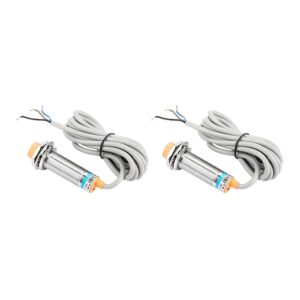
- Problem: Sensor Malfunctions or Incorrect Readings. Water and moisture can seep into electronic sensors such as proximity sensors, limit switches, and encoders, causing them to malfunction or produce incorrect signals. Solution: Models with appropriate IP protection classes (minimum IP67) should be selected for all sensors. Ensure that sealing elements are correctly used during sensor installation. Sensor surfaces should be regularly cleaned, preventing water accumulation or scale formation. If necessary, protective covers or air curtains can be mounted over sensors.
- Problem: Pump Clogging and Efficiency Loss. The coolant pump can become clogged or lose efficiency due to particles in the water. This leads to insufficient cooling and reduced tool life. Solution: A sufficiently sized and accurate pre-filter must be used at the pump inlet. The pump should be periodically inspected, cleaned, and worn parts (impeller, mechanical seal) replaced. When selecting a pump, industrial-grade pumps suitable for handling solid particles should be chosen. Sludge and sediment accumulated at the bottom of the water tank should be regularly cleaned.
Expert Advice
Water protection measures in marble and stone processing CNC machines should be viewed not merely as a cost item, but as a fundamental element of long-term investment, operational reliability, and occupational safety. In the complex world of industrial automation, the smooth operation of these machines, high-precision production, and the ability to remain competitive depend on their protection from the potential harms of water. As an expert observer, I emphasize that success in this area is possible with an integrated and proactive approach. Water protection awareness must be maintained at the highest level at every stage, from machine selection to installation, daily operation, and periodic maintenance.
Our field experience shows that correct engineering choices made at the outset – for example, preferring high IP-rated components, using corrosion-resistant materials, and integrating effective filtration systems – result in significantly lower operating costs and less downtime in the long run. It should be remembered that a spindle motor failure or electrical cabinet damage is not limited to the cost of spare parts, but can lead to much greater consequences such as production loss, delivery delays, and damage to brand reputation. Therefore, investment in water protection measures is, in fact, an investment in the overall efficiency and sustainability of the machine.
The importance of operator training should never be overlooked. Even if the machine has the best water protection features, it can be insufficient if operators do not use these systems correctly or ignore early warning signs. Regular training, diligent application of maintenance procedures, and the ability to respond quickly to potential problems are key to minimizing risks caused by water. Finally, technological advancements are offering new solutions in the field of water protection. Smart sensors, predictive maintenance systems, and more advanced material sciences will make the interaction of marble and stone processing CNC machines with water even safer and more efficient in the future. Following these developments and adapting to them is a critical requirement for any business that wishes to maintain its leading position in the industry. Request a quote on WhatsApp for Mermak CNC solutions.
FAQ
What are IP ratings and why are they important for water protection in CNC machines?
IP (Ingress Protection) ratings indicate a machine component's resistance to dust and water. For marble and stone CNC machines, critical components like spindle motors and servo drives should have high IP ratings (e.g., IP67 or IP68) to ensure protection against water spray, submersion, and abrasive dust particles, thus preventing electrical faults and corrosion.
How do filtration systems contribute to water protection and machine longevity?
Effective filtration systems are crucial to remove abrasive stone dust and chips from the coolant water. Multi-stage systems with pre-filters (e.g., 50 microns) and fine filters (e.g., 10-20 microns) prevent these particles from damaging sensitive mechanical components like linear guide rails, ball screws, and bearings, extending their lifespan and maintaining machining accuracy.
What materials and practices help prevent corrosion in water-exposed CNC parts?
To prevent corrosion, machine components in contact with water should be made from corrosion-resistant materials like stainless steel (AISI 304/316) or special alloys. If not possible, anti-corrosion coatings (nickel plating, galvanizing) should be applied. Additionally, monitoring and maintaining the coolant's pH level (7.0-8.5) and using corrosion inhibitors can significantly reduce rusting and material degradation.
What are the key maintenance practices for ensuring effective water protection?
Regular maintenance includes periodic inspection and replacement of sealing elements (bellows, gaskets, O-rings), cleaning/replacing filter elements, checking electrical connections for watertightness, ensuring proper grounding, and keeping the machine area clean with effective drainage. Operator training on these procedures and early problem detection is also vital.
What are common water-related problems in stone CNC machines and their solutions?
Common problems include water leaks leading to electrical faults, abrasive particles damaging mechanical components, corrosion, sensor malfunctions, and pump clogging. Solutions involve using high IP-rated components, multi-stage filtration, corrosion-resistant materials, regular maintenance of seals and filters, proper grounding, and operator training.