



































































Price/Performance Analysis When Buying CNC Automation Components
📑 Table of contents (Click to open)
- Introduction and Technical Analysis: Price/Performance for CNC Automation Components
- Operating Principles and Technical Data for CNC Automation Components
- Practical Considerations for Price/Performance Analysis of CNC Automation Components
- Common Issues and Solutions in Price/Performance Analysis of CNC Automation Components
- Conclusion and Expert Advice on Price/Performance Analysis for CNC Automation Components
- FAQ
Introduction and Technical Analysis: Price/Performance for CNC Automation Components
At the heart of industrial automation, CNC systems are indispensable for modern manufacturing processes. The efficiency, precision, and reliability of these systems are directly linked to the quality of the automation components used. However, selecting the right components goes beyond merely looking at technical specifications; it requires a comprehensive price/performance analysis. This analysis aims to balance the initial investment cost with long-term operational benefits, maintenance expenses, and the system’s Total Cost of Ownership (TCO). With increasing competition in the industry, the value of every penny has become even more critical, pushing engineers and procurement specialists to make more strategic decisions.
Key components of a CNC automation system include servo motors, servo drives, linear motion systems (linear guides and ball screws), gearboxes, CNC control units (control cards), sensors, and various connection elements. Each of these components has a critical impact on the overall performance of the system. High precision, repeatability, speed, and long service life are fundamental expectations of modern manufacturing facilities. When selecting components to meet these expectations, it is essential to find the most suitable solution for the project’s specific requirements, rather than simply opting for the cheapest or most expensive product. For instance, while a mold processing machine demands precision down to thousandths of a millimeter, a simple cutting machine might tolerate broader tolerances. This directly influences the technical specifications and, consequently, the costs of the components to be selected.
When conducting a price/performance analysis, focusing solely on the list price of a component can be misleading. Factors such as energy consumption, maintenance intervals, spare part availability, failure rate, ease of assembly, and integration capability with the system significantly affect long-term operating costs. A servo drive with low energy consumption, even if it has a higher initial cost, can pay for itself over years through energy savings. Similarly, a more durable and low-maintenance linear guide, even if initially more expensive, increases overall efficiency by reducing production downtime and saving on maintenance costs. Therefore, when making purchasing decisions, in addition to the technical specifications of each component, operational costs and potential risks must also be meticulously evaluated. This detailed technical and cost analysis is indispensable for a sustainable and profitable manufacturing process.
Operating Principles and Technical Data for CNC Automation Components
At the core of CNC automation systems lies the precise control of motion. This control is achieved through the harmonious operation of a series of integrated components. The operating principle typically begins with a CNC control unit (control card) interpreting programmed motion commands and converting them into electrical signals, which are then sent to servo drives. Servo drives receive these signals and provide the necessary current and voltage to servo motors. Servo motors convert this electrical energy into mechanical motion, which is then transmitted to linear motion systems (ball screws, linear guides) via gearboxes, ensuring the precise positioning of the machining table or robot arm. Encoders or resolvers, used as feedback mechanisms, continuously report the actual position, speed, and torque of the motor or motion system to the control unit, thus providing closed-loop control and achieving the desired precision.
Understanding this operating principle is critical for correctly interpreting technical data during component selection. For example, parameters such as a servo motor’s torque (Nm), nominal speed (rpm), maximum speed, encoder resolution (pulses/revolution), and moment of inertia directly affect the machine’s dynamic performance. High torque provides the ability to move heavy loads quickly, while high encoder resolution offers more precise positioning capabilities. For servo drives, features such as control modes (position, speed, torque), communication protocols (EtherCAT, Profinet, CANopen), current capacity (A), and safety functions (STO, SS1) are vital for system integration and safety. Modern drives typically offer advanced PID control algorithms and resonance suppression capabilities, ensuring smoother and more stable motion.
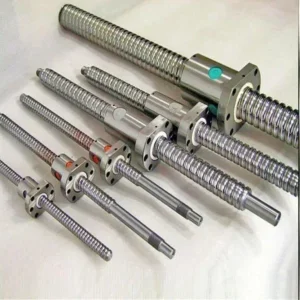
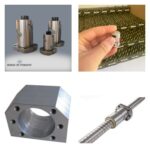
For linear motion systems, critical technical data include dynamic and static load capacities (kN), repeatability (µm), accuracy class, life expectancy (km or hours), and friction coefficient. For instance, the backlash value of a ball screw is one of the most important factors determining the system’s overall precision. In applications requiring high precision, preloaded ball screws or zero-backlash gearboxes should be preferred. For gearboxes, parameters such as backlash (arcmin), torque capacity (Nm), ratio, and efficiency (%) indicate the effectiveness and precision of power transmission. Gearboxes with low backlash values offer less error margin in motion control.
CNC control units or control cards are the brain of the system. Technical specifications such as processor speed (MHz/GHz), axis support, I/O capacity, programming language (G-code, PLC languages), and network connection options (Ethernet, USB) determine the controller’s capabilities. Modern controllers can typically process high-speed and complex motion trajectories with advanced interpolation algorithms and real-time operating systems. Selecting all these technical data to be compatible with each other and to meet the overall requirements of the system forms the foundation of a successful CNC automation project. Otherwise, incompatible or inadequate components can lead to undesirable results such as performance degradation, frequent failures, and high operating costs.
| Parameter | Value/Description |
|---|---|
| Servo Motor Nominal Torque | 1.5 – 200 Nm (Varies by application) |
| Servo Drive Communication | EtherCAT, Profinet, CANopen, RS485 |
| Linear Guide Repeatability | ±1 µm (High Precision Class) |
| Ball Screw Backlash | 0.005 – 0.05 mm (C3-C7 precision classes) |
| Gearbox Backlash | < 3 arcmin (For precise applications) |
| CNC Control Unit Axis Support | 3-32 Axes (Modular configuration possible) |
| Average Life Expectancy | 20,000 – 40,000 Hours (For high-quality components) |
| IP Protection Class | IP65 – IP67 (Protection against Dust and Water) |
Practical Considerations for Price/Performance Analysis of CNC Automation Components
- Compatibility and Ease of Integration: Compatibility issues between products from different manufacturers are common. Opting for control units, drives, and motors from the same brand or products that communicate via fully compatible protocols significantly speeds up installation and commissioning processes and minimizes potential integration problems. Industrial Ethernet-based communication protocols like EtherCAT and Profinet should be preferred for high-speed, synchronized operation.
- Support and Service Network: After-sales technical support, warranty period, spare parts availability, and the service network for the purchased components are as important as the price. Especially in critical production lines, fast and effective service in case of a breakdown minimizes production downtime and prevents significant cost losses. Brands with local representation or an extensive service network should be preferred.
- Environmental Durability: Industrial environments where CNC machines operate can often be dusty, humid, subject to temperature fluctuations, or vibratory. It is essential that the selected components (motors, sensors, cables) have an appropriate IP protection class for these environmental conditions and are manufactured according to industrial standards for long-lasting and trouble-free operation. Otherwise, premature failures and frequent maintenance needs may arise.
- Future Scalability and Modularity: Production needs can change or expand over time. The chosen automation system should be easily scalable and modular for additional axes, more I/O, or different processes in the future, ensuring the protection of the investment in the long term. This increases the system’s flexibility and adaptability.
- Energy Efficiency: Energy costs are a significant expense in industrial facilities. High-efficiency servo motors, regenerative drives, and smart energy management systems, while increasing initial cost, provide significant energy savings in the long run, reducing operating costs. This is a major advantage, especially for continuously operating machines.
- Ease of Installation and Maintenance: Ergonomic design of components, standard connection interfaces, easily accessible terminals, and clearly labeled components simplify installation and routine maintenance processes. This reduces labor costs and minimizes maintenance errors.
- Compliance with Safety Standards: Compliance with machine safety standards (CE, ISO 13849, EN 62061) is mandatory, especially in EU countries and international markets. Ensuring that selected automation components have appropriate certifications for these standards provides both legal compliance and guarantees worker safety. Safety integration should be an integral part of system design.
Common Issues and Solutions in Price/Performance Analysis of CNC Automation Components
Some common issues encountered in the selection and integration of CNC automation components, along with their solutions, are shaped by field experience:
1. Incompatibility Issues: Servo motors, drives, and control cards selected from different brands may not work together perfectly, leading to communication problems or performance degradation.
Solution: Whenever possible, prefer integrated solutions from the same brand. If different brands are used, select products that support broad industrial communication protocols (EtherCAT, Profinet, CANopen) and have detailed technical documentation. Performing compatibility tests before purchase or seeking integration support from suppliers will be beneficial.
2. Loss of Precision and Repeatability Issues: Over time, machines can lose precision due to increased backlash in ball screws, wear in linear guides, or encoder errors.
Solution: Initially select high-precision class components (e.g., C3 or C5 ball screws, P-class linear guides) and low-backlash gearboxes. Include mechanical backlash checks and calibration procedures in periodic maintenance plans. Reduce external adverse effects on the system by using vibration damping elements.
3. Overheating and Premature Failure: Inadequate sizing of motors or drives, insufficient cooling, or continuous operation under excessive load can cause components to overheat and shorten their lifespan.
Solution: Ensure proper sizing according to the application’s actual load profile. Provide adequate cooling (fan, air conditioning) to keep motor and drive operating temperatures under control. Correctly set overload protection functions and consider thermal management in system design.
4. Limited Spare Parts and Service: Especially for components purchased from niche or less-known brands, difficulties in obtaining spare parts or extended service times may occur in case of a breakdown.
Solution: Prefer established and reliable brands with a widespread global service network and spare parts stock. Maintain a minimum stock of spare parts for critical components. Clearly define spare part delivery times and service response times in purchasing contracts.
5. Noise and Vibration Problems: Incorrect assembly, unbalanced mechanical structures, resonance frequencies, or low-quality components can lead to excessive noise and vibration in the machine. This negatively affects the working environment and shortens the lifespan of components.
Solution: Strictly adhere to assembly instructions, checking surface flatness and alignment. Use vibration isolators. Effectively configure the resonance suppression and vibration reduction functions of servo drives. If necessary, perform dynamic analysis of the system to identify resonance points and take preventive measures.
Conclusion and Expert Advice on Price/Performance Analysis for CNC Automation Components
The price/performance analysis when purchasing CNC automation components is a strategic decision-making process that goes far beyond a simple cost comparison. This process requires a holistic approach that covers not only the initial investment but also all costs and benefits that will arise throughout the operational life. From an expert perspective, it is clear that the lowest-priced product is not always the most cost-effective solution; on the contrary, it can lead to higher long-term maintenance, energy, and production downtime costs. Therefore, decision-makers should focus on the Total Cost of Ownership (TCO). If a component with a higher initial price offers a longer lifespan, lower energy consumption, higher precision, and reduced maintenance requirements, this will accelerate the return on investment (ROI) and provide a sustainable competitive advantage for the business.
Our field experience shows that supplier selection is as critical as component selection. Working with reliable, established suppliers who have an extensive technical support network is vital for finding quick solutions to potential problems and accessing technical knowledge. Furthermore, the training opportunities offered by the supplier, the quality of technical documentation, and spare parts availability directly affect the smooth operation of the system and the competence of the operating personnel. When starting a new automation project or modernizing an existing system, conducting pilot applications, testing products from different brands, and benefiting from the experiences of other users in the industry increases the likelihood of making the right decision.
In conclusion, the price/performance analysis for CNC automation components is a comprehensive evaluation process that brings together multi-dimensional factors such as operational reliability, energy efficiency, ease of maintenance, future scalability, and supplier support, in addition to technical specifications. This meticulous analysis ensures that strategic investments are made to help the business achieve its long-term goals, increase production efficiency, and profitability, rather than simply chasing immediate cost advantages. It should be remembered that every correct investment in industrial automation is an investment in the future and one of the key elements for staying competitive in the market.
FAQ
What is price/performance analysis for CNC automation components?
Price/performance analysis for CNC automation components involves evaluating the initial investment cost against long-term operational benefits, maintenance expenses, and the Total Cost of Ownership (TCO). It considers factors like energy consumption, spare part availability, and system reliability to ensure optimal value.
What are the essential components considered in CNC automation price/performance analysis?
Key components include servo motors, servo drives, linear motion systems (linear guides, ball screws), gearboxes, CNC control units, and sensors. Each plays a crucial role in the system's precision, speed, and overall performance.
What practical considerations are important when selecting CNC automation components?
Focus on compatibility between components (e.g., control unit, drives, motors), the supplier's technical support and service network, durability in industrial environments (IP protection), future scalability, energy efficiency, ease of installation and maintenance, and compliance with safety standards.
What are common problems encountered and their solutions in CNC automation component selection?
Common issues include incompatibility between different brands, loss of precision over time, overheating due to improper sizing, limited spare parts availability, and noise/vibration problems. Solutions involve choosing integrated systems, high-precision components, proper sizing, reliable suppliers, and meticulous installation.
What is the expert advice for making the best purchasing decision for CNC automation components?
An expert recommends focusing on Total Cost of Ownership (TCO) rather than just initial price. Prioritize reliable suppliers with strong technical support, conduct pilot applications, and test products to ensure long-term efficiency and profitability.