





































































How to Prevent Algae and Limescale in Spindle Motor Water Cooling Systems

📑 Table of contents (Click to open)
- Spindle Motor Water Cooling Systems: Preventing Algae and Limescale – Introduction and Technical Analysis
- How Spindle Motor Water Cooling Systems Work: Principles and Technical Data
- Practical Considerations for Preventing Algae and Limescale in Spindle Motor Water Cooling Systems
- Common Issues and Solutions in Spindle Motor Water Cooling Systems
- Conclusion and Expert Advice on Preventing Algae and Limescale in Spindle Motor Water Cooling Systems
- FAQ
Spindle Motor Water Cooling Systems: Preventing Algae and Limescale – Introduction and Technical Analysis
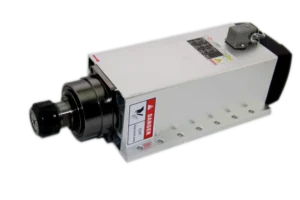
Spindle motors are indispensable components in industrial automation, playing a critical role in high-speed milling, drilling, and grinding operations, especially in CNC machining centers. One of the fundamental conditions for ensuring their optimal performance and long lifespan is an effective cooling system. Spindle motors operating at high RPMs and under heavy loads generate a significant amount of heat. Efficient removal of this heat prevents the motor from overheating and protects bearings and windings from damage. Water cooling systems successfully perform this task due to their high heat transfer capacity. However, closed or semi-closed loop water cooling systems face serious issues that can arise over time: algae formation (biological fouling) and limescale buildup (mineral accumulation). These two problems reduce system efficiency, increase energy consumption, lead to equipment failures, and can cause production downtime. For businesses operating in the industrial automation sector, preventing these issues not only saves costs but also directly impacts production quality and continuity. This detailed field guide and technical article aims to provide comprehensive strategies, technical information, and practical solutions for preventing algae and limescale in spindle motor water cooling systems.
How Spindle Motor Water Cooling Systems Work: Principles and Technical Data
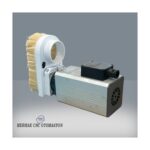
Spindle motor water cooling systems typically consist of a chiller unit, water pump, expansion tank, filters, sensors, and cooling channels within the spindle motor. The system operates on the principle of water cooled in the chiller unit being sent to the spindle motor’s cooling jacket via a pump, where it absorbs heat generated by the motor and returns. The heated water then returns to the chiller unit to be re-cooled, and this cycle continues continuously. While these closed-loop systems minimize the entry of external contaminants, minerals and microorganisms within the water itself are potential sources of problems.
Algae Formation (Biological Fouling): The growth of microorganisms such as algae, bacteria, and fungi in water cooling systems severely impacts system efficiency. This growth accelerates particularly in stagnant or low-flow areas, environments exposed to light, and within suitable temperature ranges. Although spindle cooling systems are generally closed, microorganisms can enter the system from the external environment during system ventilation or water replenishment. Biological fouling forms a film layer (biofilm) on heat transfer surfaces, reducing heat transfer efficiency, impeding water flow, straining pumps, and even leading to blockages. Additionally, microbiologically induced corrosion (MIC) can occur beneath the biofilm layer, damaging metal surfaces and shortening the lifespan of system components.
Limescale Buildup (Mineral Accumulation): Natural water sources like tap water or well water contain high levels of dissolved minerals, especially calcium (Ca) and magnesium (Mg) ions. These minerals lose their solubility as water temperature increases or pH changes, precipitating as solid particles. These precipitates accumulate on heat transfer surfaces, pipelines, and valves, forming a limescale layer. Limescale acts as an insulating layer against heat, severely hindering heat transfer. This leads to insufficient cooling of the spindle motor, overheating, and performance degradation. Furthermore, limescale buildup constricts water flow, increasing pump pressure and raising energy consumption. In the long term, limescale can cause blockages and permanent damage to system components.
To overcome these problems, continuous monitoring of water quality parameters and taking appropriate preventive measures are critically important. The hardness, pH value, conductivity, and biological activity levels of the water used in the system should be regularly checked. Additionally, engineering details such as material selection, filtration capacity, and flow rate during system design also play an effective role in preventing these issues.
| Parameter | Value/Description |
|---|---|
| Water Type | Demineralized water, distilled water, or reverse osmosis (RO) water is recommended. Tap water should not be used. |
| pH Value | Optimal range is 6.5 – 8.0. Excessively acidic or basic conditions accelerate corrosion or limescale. |
| Conductivity | Preferably below 50 µS/cm. High conductivity indicates high mineral content. |
| Hardness (Total) | Should be below 10 ppm (CaCO3). Near-zero hardness prevents limescale. |
| Chloride Content | Below 25 ppm reduces corrosion risk. |
| Biological Load | Total bacterial count (TBC) should be below 100 CFU/ml. Regular biocide use may be necessary. |
| System Temperature | Must be kept within the manufacturer’s specified range (typically 20-25°C). Excessive temperature accelerates limescale. |
| Antifreeze/Corrosion Inhibitor | Ethylene glycol or propylene glycol-based products should be used according to manufacturer recommendations (typically 10-20% concentration). |
Practical Considerations for Preventing Algae and Limescale in Spindle Motor Water Cooling Systems
- Correct Water Selection and Pre-treatment: Tap water should never be used directly in spindle cooling systems. Due to its high mineral content, tap water significantly increases the risk of limescale. Instead, demineralized water (DI water), distilled water, or reverse osmosis (RO) water should be preferred. These waters have very low mineral content, eliminating the potential for limescale. If access to such waters is limited, tap water should first be treated with a water purification system (e.g., softener or RO unit). This will extend the system’s lifespan and reduce maintenance costs.
- Chemical Water Treatment: Using only demineralized water is not sufficient. Special cooling fluids containing corrosion inhibitors and biocides must be used in the system. Corrosion inhibitors protect metal surfaces in the system from corrosion, while biocides prevent the growth of microorganisms such as algae, bacteria, and fungi. Ethylene glycol or propylene glycol-based antifreeze/corrosion inhibitor mixtures are commonly used. These mixtures also provide freeze protection. Chemical dosing should be performed by regularly measuring parameters such as water pH and conductivity, and manufacturer recommendations must be strictly followed.
- Regular Filtration and Cleaning: An effective filtration system is essential for keeping the system continuously clean. Particle filters remove solid matter (rust, sediment, biological residues) from the water, preventing blockages. Filters should be checked and cleaned or replaced at specified intervals. Additionally, periodically completely draining and cleaning the system (e.g., once or twice a year) and then refilling it with fresh, treated water minimizes algae and limescale accumulation. Special system cleaners can be used during this cleaning process.
- Temperature and Flow Control: The operating temperature of the spindle motor should be kept within the optimal range specified by the manufacturer. High temperatures increase the rate of limescale formation and create a suitable environment for biological growth. Chiller unit settings should be regularly checked and calibrated. Furthermore, the water flow rate in the system is also important. Sufficient flow rate both maximizes heat transfer and prevents biological accumulation in stagnant areas. Ensure that pump performance and flow sensors are functioning correctly.
- System Insulation and Light Protection: Cooling water pipes and tanks should be insulated as much as possible. This both reduces heat gain, lowering the chiller load, and helps maintain a constant water temperature in the system. Especially if translucent or transparent pipes are used, they should be wrapped with opaque materials or kept in enclosed areas to prevent light entry, which triggers algae formation. Minimizing the system’s contact with the external environment is also important.
- Material Compatibility: The materials of pipes, fittings, pumps, and chiller components used in the cooling system must be compatible with the cooling fluid used. The use of dissimilar metals together (galvanic corrosion) or plastics that react with chemicals can shorten the system’s lifespan and lead to contamination. Stainless steel, copper, or special polymers are generally preferred.

Common Issues and Solutions in Spindle Motor Water Cooling Systems
Many problems related to algae and limescale can be encountered in spindle motor water cooling systems in the field. Early diagnosis and correct solutions for these problems prevent production losses and costly breakdowns.
Problem 1: Spindle Motor Overheating and Performance Loss
Symptom: The spindle motor operating hotter than expected in the CNC machine, issuing thermal alarms, decreased machining precision, or the motor automatically shutting down.
Cause: The most common cause is the hindrance of heat transfer due to limescale or biofilm accumulation in the cooling channels. Additionally, insufficient water flow (clogged filters, faulty pump) or low performance of the chiller unit can also be factors.
Solution: First, the water temperature, flow rate, and pressure should be checked. Filters should be cleaned or replaced. Water analysis should be performed to determine the level of limescale or biological contamination. If limescale is present, the system should be cleaned by dosing an appropriate descaling chemical and then rinsed. If biofilm is present, a shock dose with a strong biocide should be applied, and then the system should be drained and cleaned. The cooling performance of the chiller unit should be checked, and maintenance performed if necessary. A regular water treatment program should be implemented to prevent future problems.
Problem 2: Reduced Cooling Water Flow or Pressure Fluctuations
Symptom: Excessive load on the pump, low readings from flow sensors, vibration or abnormal noises in pipelines.
Cause: Blockages due to limescale, algae, or solid particle accumulation in pipelines or narrow channels within the spindle. Pump failure or airlock are also possible causes.
Solution: All filters in the system should be checked and cleaned. If blockages are widespread, chemical cleaning of the system should be performed. Acid-based chemicals for limescale or alkaline-based or oxidizing biocides for biological blockages can be used. After cleaning, the system should be thoroughly rinsed and refilled with fresh, treated water. The pump should be checked, and repair or replacement considered if necessary. Air bleed valves should be checked to ensure there is no air in the system.
Problem 3: Discoloration, Odor, or Visible Particles in Cooling Water
Symptom: Cooling water turning greenish or brownish, emitting a foul odor, or visible slimy layers in the tank or pipes.
Cause: These symptoms directly indicate the presence of biological contamination (algae, bacteria, fungi). Additionally, corrosion products (rust) or external contaminants can also cause discoloration.
Solution: Immediately apply a shock dose of an appropriate broad-spectrum biocide to the system. After a short period (according to manufacturer instructions), the system should be completely drained and cleaned mechanically or with chemical cleaners. Special attention should be paid to areas with heavy biofilm formation. After cleaning, the system should be thoroughly rinsed and refilled with fresh, treated water (containing biocide and corrosion inhibitor). A regular biocide dosing program should be established to prevent future biological growth. If corrosion symptoms are present, the corrosion inhibitor level should be checked and adjusted.
Problem 4: Chiller Unit Running Continuously and High Energy Consumption
Symptom: The chiller unit running longer than usual, increased energy bills, difficulty reaching the set temperature.
Cause: Reduced heat transfer efficiency due to limescale or biofilm, accumulations on chiller condenser or evaporator coils, refrigerant leakage, or a fault in the chiller unit itself.
Solution: The quality of the water in the cooling system should be rechecked, and solutions for the above problems applied (limescale/biofilm cleaning). Chiller unit condenser and evaporator coils should be checked and cleaned if there are accumulations. Chiller gas pressures and refrigerant levels should be checked, and gas replenishment or leak repair performed if necessary. Periodic maintenance of the chiller unit should not be neglected.
Conclusion and Expert Advice on Preventing Algae and Limescale in Spindle Motor Water Cooling Systems
Algae and limescale issues in spindle motor water cooling systems are critical concerns that directly affect the efficiency, reliability, and profitability of industrial automation facilities. Ignoring these problems leads not only to production losses but also to costly repairs, premature wear of system components, and significant increases in energy consumption. From an expert perspective, managing such systems requires a proactive and preventive maintenance strategy rather than a reactive approach. Fundamentally, correct water selection and continuous water quality monitoring, chemical treatment, regular filtration, and periodic system cleaning are the steps that must be taken for a root solution to these problems.
Our field experience shows that the use of demineralized water, in addition to the correct dosing of specific corrosion inhibitors and biocides, is the most effective method for extending system life and maximizing performance. Regular use of water analysis kits or portable test devices ensures real-time tracking of critical parameters such as pH, conductivity, hardness, and biological load. Based on this data, the dosages of treatment chemicals can be optimized, and potential problems can be detected before they escalate. Furthermore, maintaining the closed-loop nature of the system prevents the entry of contaminants and microorganisms from the external environment, reducing the risk of biological contamination. A small overlooked air leak or inadequate filtration can disrupt the entire system’s balance.
It should be remembered that every spindle motor water cooling system has its unique dynamics based on operating conditions, environmental factors, and the water source used. Therefore, in addition to general recommendations, creating a personalized maintenance and treatment program tailored to the specific system’s needs is vital. Seeking support from companies specializing in water chemistry or experienced engineers in creating and implementing this program will be the most intelligent investment for businesses in the long run. In conclusion, preventing algae and limescale problems in spindle motor water cooling systems is not just a technical requirement but also a strategic imperative for sustainable and efficient industrial automation operations.
FAQ
What type of water should be used in spindle motor cooling systems to prevent issues?
Using demineralized water (DI water), distilled water, or reverse osmosis (RO) water is crucial to prevent limescale. These waters have extremely low mineral content. Additionally, incorporating corrosion inhibitors and biocides into the cooling fluid is essential to protect against corrosion and biological growth.
What are the key maintenance practices to prevent algae and limescale?
Regular maintenance includes periodic water analysis to check pH, conductivity, hardness, and biological load. Filters should be cleaned or replaced regularly, and the entire system should be drained, cleaned, and refilled with fresh, treated water at least once or twice a year. Maintaining optimal system temperature and flow rate is also vital.
How can I identify if my spindle motor cooling system has algae or limescale problems?
Signs include the spindle motor overheating, thermal alarms, decreased machining precision, reduced water flow or pressure fluctuations, unusual noises from the pump, and discoloration or foul odor in the cooling water. Increased energy consumption by the chiller unit is also a strong indicator.
What are the immediate solutions for existing algae or limescale in the system?
For limescale, a suitable descaling chemical should be dosed into the system, followed by thorough rinsing. For algae or biofilm, a shock dose of a broad-spectrum biocide is recommended, followed by complete draining and mechanical/chemical cleaning of the system. Always follow manufacturer guidelines for chemical use.
Does the material of the cooling system components matter for preventing these issues?
Yes, material compatibility is very important. Ensure that all components, including pipes, fittings, pumps, and chiller parts, are compatible with the cooling fluid and each other. Using dissimilar metals can lead to galvanic corrosion, and incompatible plastics can degrade, both contributing to system contamination and failure.