No products in the cart.
Is an Automatic Lubrication System Truly Necessary?
Contents
Mermak CNC Technical Guide
Practical notes for CNC router, automation and industrial motion systems.
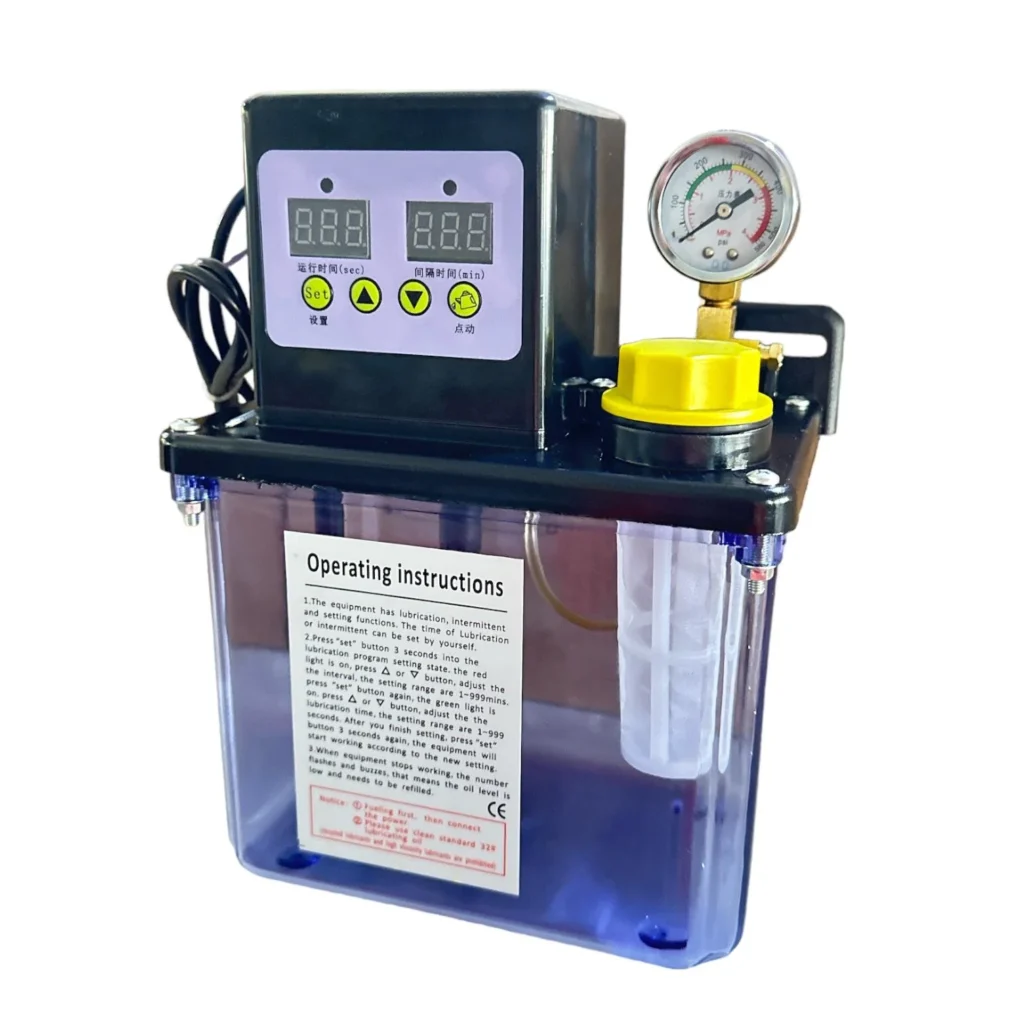
Yes, in industrial automation systems, automatic lubrication systems are an absolute necessity for extending equipment life, reducing maintenance costs, increasing operational efficiency, and minimizing unplanned downtime. By providing continuous, precise, and accurate lubrication, they offer optimal performance and reliability where traditional manual methods fall short. An automatic lubrication system (ALS) is a mechanical or electromechanical system that automatically supplies lubricant (oil or grease) to the moving parts of industrial equipment at predetermined intervals and quantities. Unlike traditional manual lubrication methods, it provides continuous and consistent lubrication without human intervention. These systems play a critical role, especially in machines operating under harsh conditions, in hard-to-reach areas, or with numerous lubrication points. The primary goal of an ALS is to extend machine life by reducing friction and wear, optimize energy consumption, lower maintenance costs, and minimize unplanned breakdowns. As an indispensable part of industrial automation, it ensures the uninterrupted and efficient operation of production lines. The question of necessity has moved beyond being an ‘option’ to becoming a ‘requirement’ for modern manufacturing facilities.
Working Principle and Technical Data
Automatic lubrication systems consist of a central pump unit, distributors (progressive, single-line, dual-line), a control unit, and lines leading to the lubrication points. The working principle involves the central pump drawing lubricant from a reservoir and delivering it to the main line at a specific pressure. The distributors on this line then deliver the correct amount of lubricant to each lubrication point.
Progressive Systems: In these systems, lubricant from a main distributor sequentially feeds a series of secondary distributors. Each secondary distributor delivers a predetermined amount of lubricant to a specific lubrication point. The operation of one distributor is dependent on the operation of another, giving the system its “progressive” name. If one distributor becomes blocked, the entire system stops, which can be easily detected. These systems are generally ideal for medium and small-scale machine groups.
Single-Line Systems: Typically used in larger and more complex systems. They operate by the central pump increasing pressure in the main line at specific intervals. When the pressure increases, injectors connected to each lubrication point activate and deliver a preset amount of lubricant to the respective point. When the pressure drops, the injectors refill. These systems are suitable for a high number of lubrication points.
Dual-Line Systems: Preferred for systems with a very large number of lubrication points. Two main lines are used, and the pump alternately applies pressure to these lines. While one line is pressurized, the other is depressurized, and this cycle continues. Distributors use these pressure changes to deliver lubricant to the points. They are designed for heavy industry applications.
Lubricant Selection: The viscosity, temperature resistance, EP (extreme pressure) additives, and other properties of the lubricant (grease or oil) used in the system must be carefully selected according to the application’s requirements. Incorrect lubricant selection can negatively impact system performance and lead to equipment failure.
Control Unit: Modern ALS units integrate with PLCs (Programmable Logic Controllers) or dedicated control units. These units monitor lubrication cycles (duration and frequency), pump operating times, data from pressure sensors, and detect system anomalies (low lubricant level, line blockage). This allows for fully automated lubrication management and, if necessary, sends alerts to the operator or halts the production line for safety.
| Parameter | Value/Description |
|---|---|
| System Type | Progressive, Single-Line, Dual-Line, Multi-Point Direct |
| Lubricant Type | Grease (NLGI 000-3), Oil (ISO VG 32-680) |
| Operating Pressure | Typically 100 – 400 bar (varies by application) |
| Number of Lubrication Points | 1 to 1000 (depending on system type) |
| Control Method | Time-Based, Cycle-Based, PLC Integrated, Sensor Controlled |
| Operating Temperature Range | -30°C to +80°C (depending on lubricant and system component) |
| Reservoir Capacity | 0.5 liters to 100 liters (depending on application) |
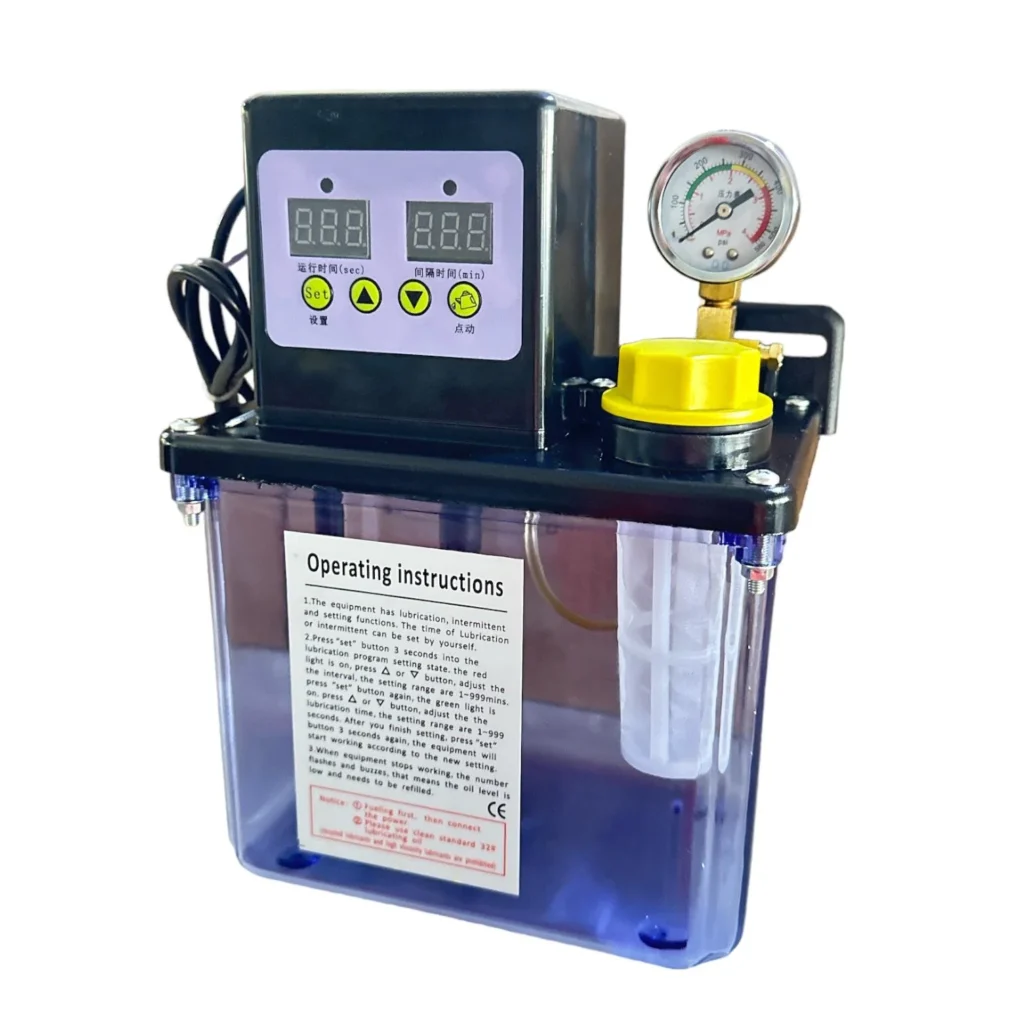
Considerations in the Field
- Correct System Selection and Design: Each application has unique requirements. The most suitable ALS type (progressive, single-line, dual-line, etc.) and components must be selected considering factors such as machine type, number of lubrication points, operating conditions (temperature, humidity, dust), lubricant type, and budget. Incorrect design can lead to insufficient or excessive lubrication, increasing costs and shortening equipment life. Expert engineering support is critical at this stage.
- Quality Lubricant Use and Storage: Using the correct and high-quality lubricants is essential for the efficient operation of automatic lubrication systems. Lubricant selection should be based on manufacturer recommendations and application conditions. Furthermore, lubricant storage conditions are important; contamination must be prevented by protecting them from moisture, dust, and temperature fluctuations. Contaminated lubricants can cause system blockages and equipment failures.
- Periodic Maintenance and Checks: Although automatic, lubrication systems require periodic maintenance. Checking the reservoir level, changing filters, inspecting line integrity, testing pump performance, and observing distributor operation form the basis of this maintenance. Regular testing of sensors and alarm systems is vital for early detection of potential failures. Adhering to maintenance schedules ensures the system operates reliably and for a long time.
- Assembly and Installation Quality: Correct and professional installation of the system is fundamental for long-term reliability. Using pipes of the correct diameter and material, paying attention to bend radii, ensuring leak-proof connections, and correctly positioning distributors are necessary. Improper installation can lead to pressure drops, leaks, and reduced system performance.
- Integration and Monitoring: Modern ALS can often be integrated with the facility’s overall automation system (SCADA, DCS, or PLC). This integration allows critical parameters such as lubrication status, lubricant level, and pressure values to be monitored from a central point. Potential failures or anomalies are immediately reported to operators, providing a significant advantage for quick intervention and prevention of unplanned downtime. Smart sensors and IoT-based solutions further enhance this monitoring capability.
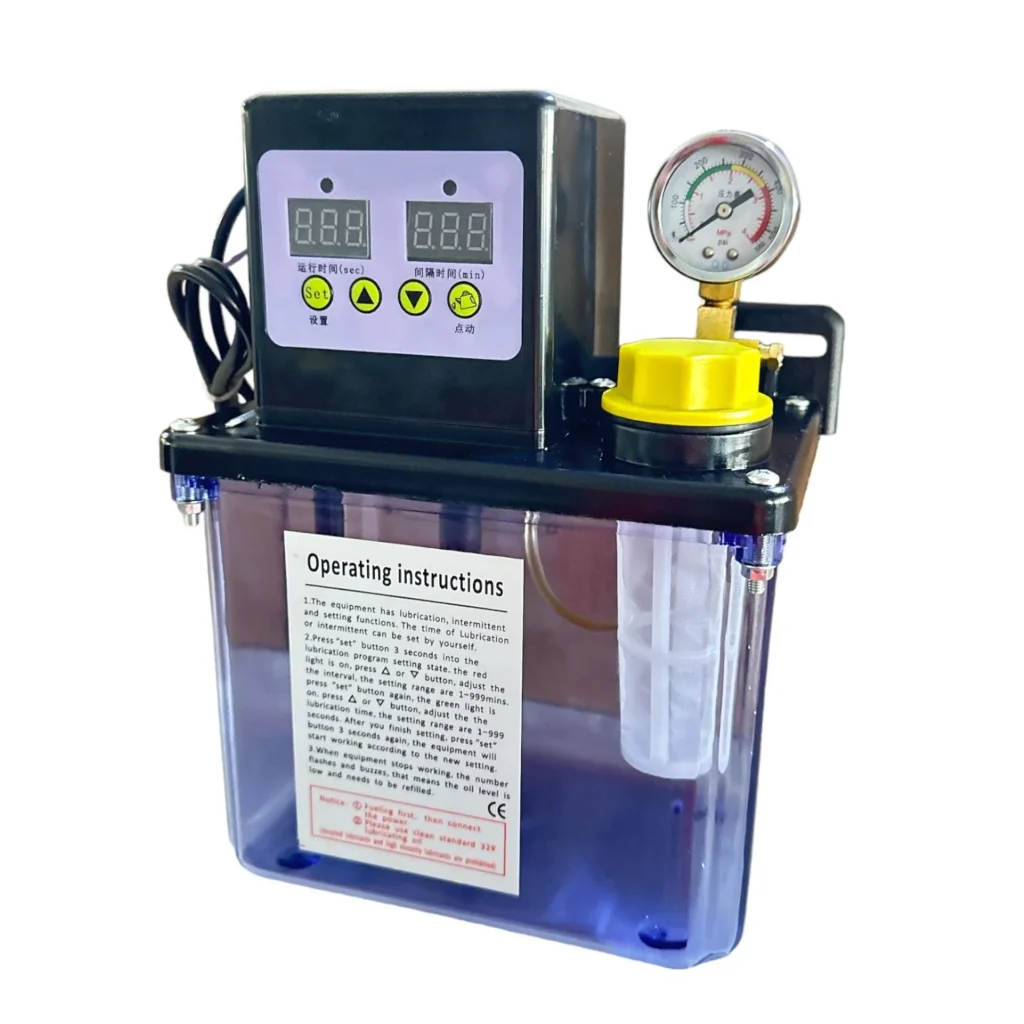
Common Problems and Solutions
While automatic lubrication systems are known for their efficiency, some problems can occur in the field. One of the most common issues is the lack of lubricant reaching lubrication points. This is usually caused by blocked lines, a faulty distributor element, low lubricant level, or pump failure. As a solution, first check the lubricant reservoir level, then inspect the lines for visible blockages or damage. Check the outlets of the distributor blocks and replace any faulty distributor elements. Also, check if the pump is producing pressure. Another common problem is pressure loss in the system. This is typically due to leaks in the pipe lines, loose connections, or worn pump seals. All connection points and lines should be inspected for leaks, and loose connections should be tightened. If the pump seals are suspected, they should be replaced.
For optimal performance and longevity of your industrial CNC router machines, investing in a high-quality automatic lubrication system is not just beneficial, it’s essential. Ensure your equipment receives the precise lubrication it needs to operate at peak efficiency. Request a quote on WhatsApp today to learn more about our solutions.
Related product categories: General · Electronics · Combination Packages