








































































Understanding Nozzles: Their Function in Air, Liquid, and Cooling Applications

📑 Table of contents (Click to open)
Practical notes for CNC router, automation and industrial motion systems.
What is a Nozzle? Its Role in Air, Liquid, and Cooling Applications
A nozzle is a mechanical component, typically with a constricting outlet, designed to accelerate, direct, control the spray pattern and droplet size, or atomize a fluid (air, liquid, or gas). In industrial automation, it optimizes fluid dynamics, ensuring efficiency and precision in critical applications such as cooling, cleaning, coating, fuel injection, and drying.
In industrial automation, the nozzle stands as an indispensable element, enabling the precise processing of fluids like gases, liquids, and vapors for specific purposes. Its primary function is to convert a fluid’s pressure energy into kinetic energy, thereby accelerating flow, altering direction, enabling spray in a specific pattern, or breaking it down into very fine droplets (atomization). The design of a nozzle can vary significantly based on the fluid type, application requirements, and desired performance. For instance, an air nozzle typically concentrates and directs airflow to a specific point, while a liquid nozzle disperses liquid in a fine mist or a defined spray pattern. Cooling nozzles are specifically optimized for reducing the temperature of surfaces or environments. This versatility makes nozzles fundamental tools across nearly every sector of modern industry, from production lines and power plants to agriculture and waste management.
Working Principle and Technical Data
The operation of nozzles is generally based on fundamental fluid mechanics principles such as the Bernoulli Principle and the Venturi Effect. When a fluid moves from a wider cross-section to a narrower one, its velocity increases due to the principle of conservation of mass. This increase in velocity, according to Bernoulli’s Principle, leads to a decrease in the fluid’s static pressure. The internal geometry of the nozzle is engineered to optimize this acceleration and pressure drop, achieving the desired spray pattern, flow rate, and droplet size. Industrial nozzles typically consist of three main sections: an inlet, a throat (the point of constriction), and an outlet (expansion or straight jet). The proportions and shapes of these sections directly influence the nozzle’s performance.
Nozzles in Air Applications
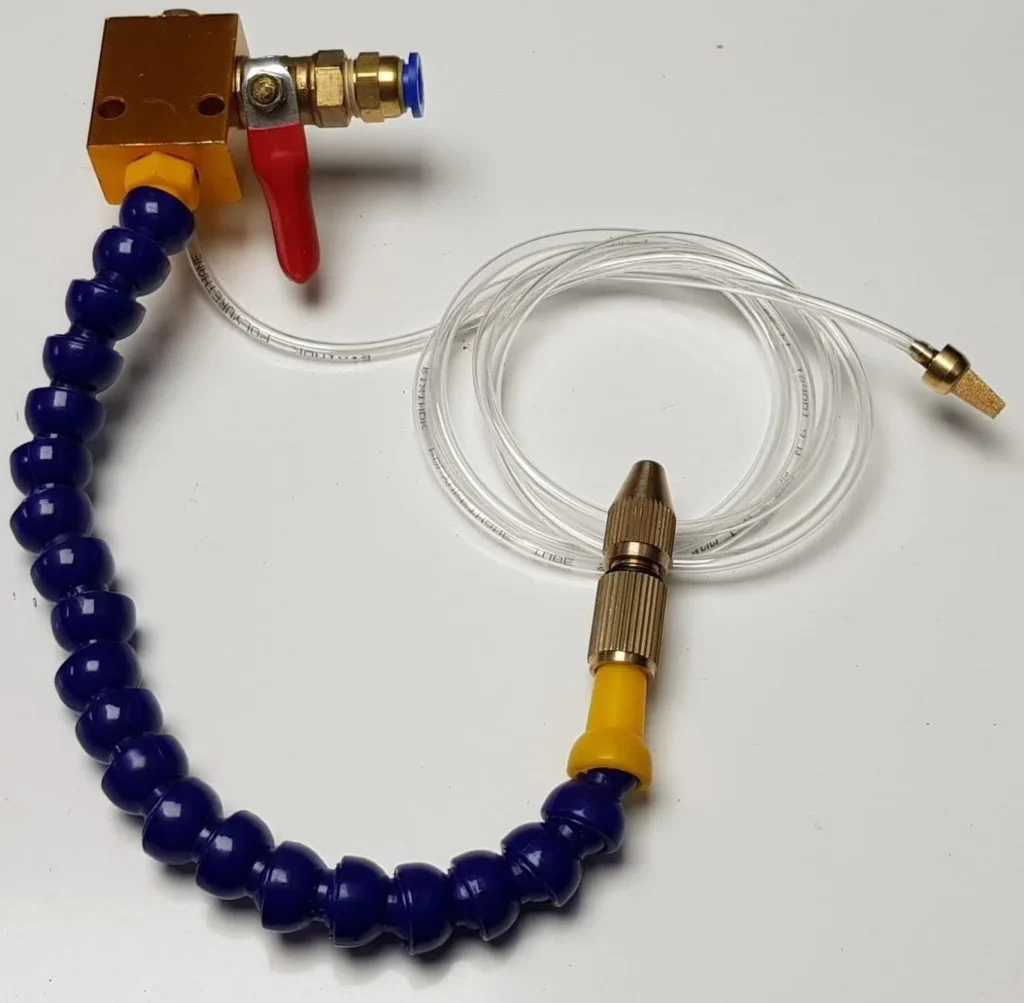
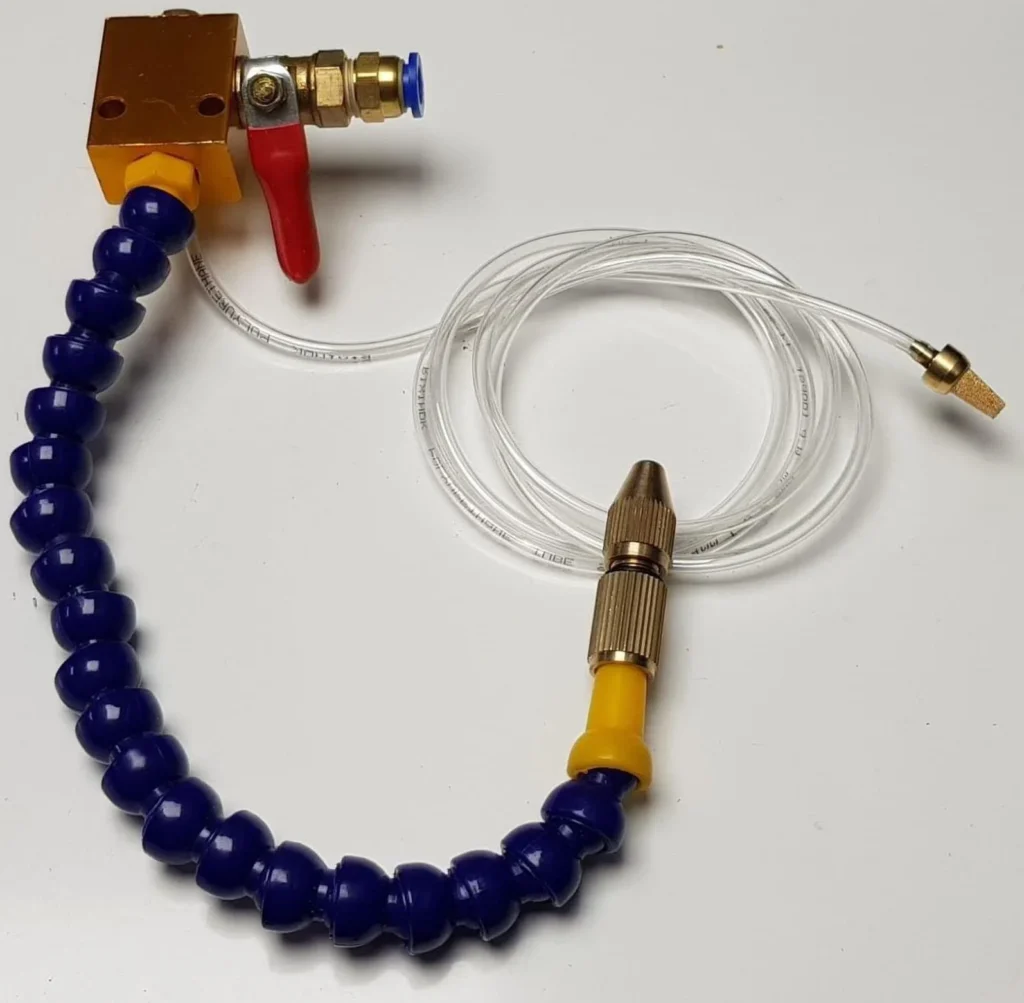
Air nozzles are designed to direct and shape compressed air for specific purposes. These nozzles are commonly used in drying, cleaning, cooling, conveying (pneumatic transport), and air knife applications. For example, a high-speed, focused airflow is required to dry products on a production line or to clean dust and debris from surfaces. Air nozzles provide much more efficient air utilization, reduced noise levels, and enhanced operator safety compared to standard open pipe outlets. Various types are available: flat jet air nozzles (focused, high impact), fan jet air nozzles (wide, flat spray), and multi-hole nozzles (broad area coverage). Key technical parameters for selecting an air nozzle include flow rate (m³/hr), pressure (bar), noise level (dB), and spray pattern.
Nozzles in Liquid Applications
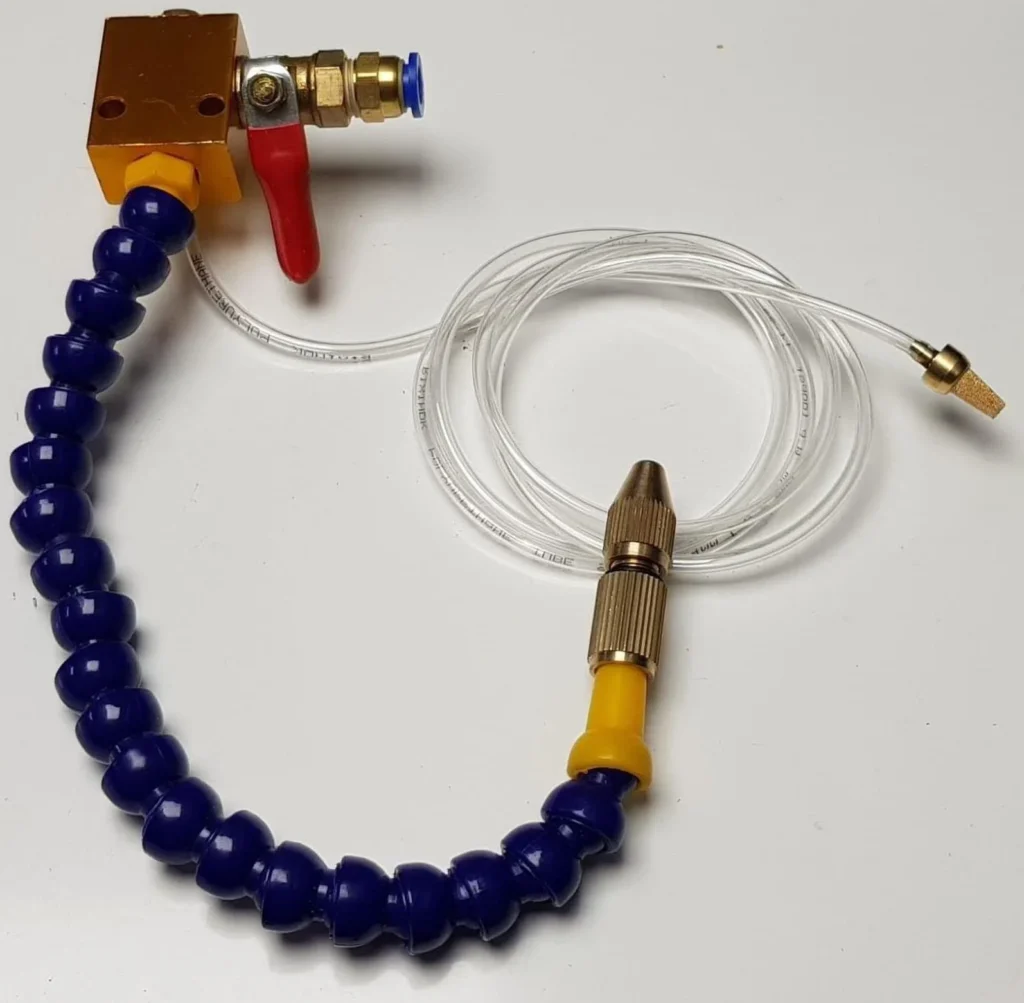
Liquid nozzles are employed across a broad industrial spectrum for spraying, atomizing, coating, washing, and humidifying liquids. These applications include paint spraying, fuel injection, agricultural spraying, fire suppression, chemical mixing, and cleaning systems. The primary goal of liquid nozzles is to distribute liquid according to the desired droplet size and spray pattern. Spray patterns typically include full cone (wide, even distribution), hollow cone (ring-shaped, fine droplets), flat fan (thin line spray), and solid jet (focused, high impact). Droplet size can be controlled to the micron level, depending on the nozzle pressure, orifice size, and liquid viscosity. Flow rate (L/min), spray angle, pressure, and liquid viscosity are critical technical data points when selecting a liquid nozzle.
Nozzles in Cooling Applications
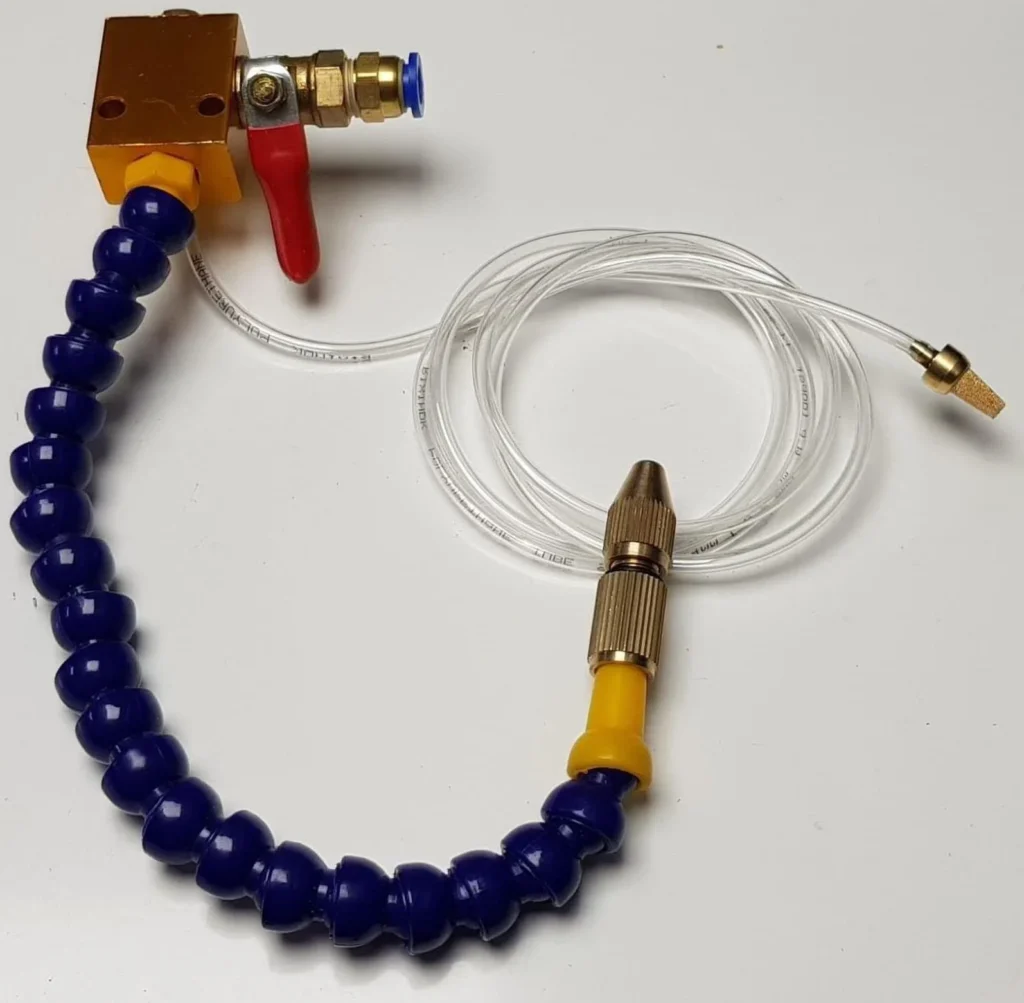
Cooling nozzles are vital for temperature control in industrial processes. They are used to cool surfaces, gases, or equipment in high-temperature environments such as metalworking, casting, glass manufacturing, plastic injection, and power plants. By dispersing water or special cooling fluids in a fine mist or a specific spray pattern, they provide evaporative cooling or direct heat transfer. For instance, the rapid cooling of hot steel strips in a steel mill or reducing the temperature of combustion gases in a gas turbine is achieved using specially designed cooling nozzles. These nozzles are typically manufactured from materials resistant to high thermal shock and corrosive environments. Spray angle, flow rate, and droplet size are factors directly impacting cooling efficiency. Particularly in evaporative cooling applications, small and uniform droplet sizes optimize heat transfer by maximizing surface area.
| Parameter | Value/Description |
|---|---|
| Material Types | Stainless Steel (303, 316, 316L), Brass, Plastic (PP, PVDF, PTFE), Ceramic (Silicon Carbide), Special Alloys (Hastelloy, Monel) |
| Flow Rate Range | 0.1 L/min to 1000+ L/min (liquid), 10 m³/hr to 500+ m³/hr (air), dependent on pressure and orifice size |
| Operating Pressure | 0.5 bar to 200+ bar (ranging from low-pressure spraying to high-pressure atomization) |
| Spray Patterns | Full Cone, Hollow Cone, Flat Fan, Solid Jet, Air Knife, Mist, Atomized Spray |
| Droplet Size | 10 microns to 1000+ microns (classified as micro-mist, fine mist, coarse spray) |
| Connection Types | NPT, BSPT, BSPP male/female, flanged, push-in, welded connections |
| Spray Angle | 0° (solid jet) to 180° (wide-angle cone), wider angles for specialized applications |
Considerations in the Field
- Correct Nozzle Selection and Sizing: Selecting a nozzle with the appropriate type, material, flow rate, and spray pattern that matches application requirements (fluid type, viscosity, pressure, temperature, target surface, spray distance, desired effect) is critical for efficient operation. Incorrect selection can lead to inadequate performance, wasted energy, and system failures. For example, using a brass nozzle instead of stainless steel for an abrasive fluid will result in rapid wear and clogging. Therefore, a thorough engineering analysis, and if necessary, technical support from manufacturers, is essential to determine the correct nozzle.
- Mounting, Alignment, and Positioning: Proper mounting and alignment of the nozzle relative to the target are key to spray performance. Misalignment can distort the spray pattern, cause incomplete coverage, or lead to product waste. In vibrating environments, appropriate fasteners should be used to prevent nozzle loosening, and periodic checks should be performed. The spray angle, height, and distance must be adjusted to achieve the required coverage and impact for the application.
- Maintenance and Cleaning: Regular inspection and cleaning of nozzles are crucial to maintain optimal performance and prevent downtime. Deposits, corrosion, or wear can alter the spray pattern and flow rate. Cleaning methods may include flushing with appropriate solvents, using ultrasonic baths, or replacing worn-out nozzles. For critical applications, a preventive maintenance schedule should be established.
- Material Compatibility: The nozzle material must be compatible with the fluid being sprayed and the operating environment to prevent corrosion, erosion, or chemical degradation. This ensures longevity and consistent performance.
Nozzles are fundamental components in countless industrial processes, enabling precise control over fluid dynamics. Understanding their principles, types, and selection criteria is essential for optimizing efficiency, quality, and safety in air, liquid, and cooling applications.
For tailored solutions and expert advice on industrial nozzles that can enhance your CNC operations or other manufacturing processes, request a quote on WhatsApp today!
Related product categories: Genel · CNC Kontrol Paneli · Mach3 Kontrol Kartları
