No products in the cart.
Induction Hardened Chrome Shafts and Linear Bearings: Applications and Technical Analysis
Contents
- Introduction and Technical Analysis of Induction Hardened Chrome Shafts and Linear Bearings Applications
- Operating Principle and Technical Data of Induction Hardened Chrome Shafts and Linear Bearings
- Induction Hardened Chrome Shafts: Structure and Advantages
- Linear Bearings: Types and Operating Principle
- Application Areas
- Field Considerations for Induction Hardened Chrome Shafts and Linear Bearings
- Common Problems and Solutions for Induction Hardened Chrome Shafts and Linear Bearings
- Conclusion and Expert Advice on Induction Hardened Chrome Shafts and Linear Bearings
- FAQ
Introduction and Technical Analysis of Induction Hardened Chrome Shafts and Linear Bearings Applications
Movement control systems, lying at the heart of industrial automation, are indispensable components of modern manufacturing. The precision, durability, and efficiency of these systems largely depend on the quality of their fundamental mechanical components. At this juncture, induction hardened chrome shafts and linear bearings stand out as cornerstones of industrial automation. This field guide and technical article aims to provide a comprehensive reference for industry professionals by detailing the operating principles, technical specifications, broad application areas, field considerations, and solutions for common problems associated with these critical components. Ensuring uninterrupted performance even in high-speed, high-precision, and heavy-load applications is directly related to the correct selection, installation, and maintenance of these components. In the new generation production paradigms brought by Industry 4.0, the optimized performance of such mechanical systems is a factor that directly affects overall system efficiency and competitiveness.
Operating Principle and Technical Data of Induction Hardened Chrome Shafts and Linear Bearings
Induction hardened chrome shafts and linear bearings, forming the backbone of industrial motion control systems, are complementary components designed to provide high-performance linear motion. This duo plays a critical role, especially in applications requiring precise positioning, low friction, and high load-carrying capacity.
Induction Hardened Chrome Shafts: Structure and Advantages
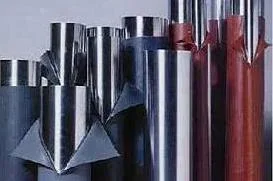
An induction hardened chrome shaft, as its name suggests, undergoes two primary processes: induction hardening and chrome plating. These processes optimize both the mechanical strength and surface properties of the shaft.
- Induction Hardening: This process involves heating the surface of the shaft with a high-frequency electromagnetic field, followed by rapid cooling. It provides high hardness (typically 58-62 HRC) and wear resistance on the outer surface of the shaft, while keeping the inner core softer and tougher (more flexible). This structure increases the shaft’s resistance to impact and reduces its brittleness. Surface hardness minimizes deformation and wear that can occur, especially on the surface in contact with the balls or rollers of linear bearings.
- Chrome Plating: A thin layer of industrial chrome is applied over the hardened surface. This layer enhances the shaft’s corrosion resistance, reduces the surface friction coefficient, and provides additional protection against wear. Chrome plating extends the life of the shaft, particularly in environments exposed to moisture or chemical agents. Furthermore, the smooth and homogeneous chrome surface allows linear bearings to operate more fluidly and quietly. Typical chrome thickness can range from 10-30 microns and is optimized according to application requirements.
These shafts are produced with high accuracy and smooth surface quality (typically Ra 0.2-0.4 µm), which extends the life of linear bearings and increases motion precision. High-carbon alloy steels such as Ck45 and Cf53 are generally preferred as materials.
Linear Bearings: Types and Operating Principle
Linear bearings are low-friction, high-precision mechanical components that provide linear motion along a shaft. They can be broadly categorized into three main types:
- Ball Bushings/Linear Ball Bearings: The most commonly used type. They contain steel balls that roll along the shaft in an endless loop. These balls significantly reduce friction by minimizing contact between the shaft and the bearing housing. They are ideal for applications requiring high speed, moderate load, and high precision. They are available in various configurations such as open, closed, adjustable, and flanged.
- Roller Bearings: These offer higher load capacity compared to ball bearings because their contact area is larger. They are generally preferred in heavier industrial applications where high rigidity and durability are required.
- Plain/Sleeve Bearings: These are bushings, typically made from bronze, polymer, or composite materials, that move by sliding on a frictional surface. They are used in applications requiring low speed, low load, and vibration damping, or in environments where lubrication is difficult. Their friction can be higher than ball or roller bearings, but they are simpler in structure and generally more economical.
The operating principle of linear bearings is to convert sliding friction into rolling friction by having rotating elements (balls or rollers) roll between the shaft and the bearing housing. This provides a much lower coefficient of friction, resulting in less energy consumption, less heat generation, and longer life. Ball or roller circulation systems within the bearing ensure continuous and smooth movement.
Application Areas
The synergistic operation of induction hardened chrome shafts and linear bearings finds critical applications across a wide industrial spectrum:
- CNC Machines: Indispensable in the axial motion systems of lathes, milling machines, laser cutting, plasma cutting, and grinding machines to ensure machining precision and repeatability.
- Robotic Systems: Used for fast and precise positioning in the linear motion axes of industrial robot arms and manipulators.
- Packaging Machines: Provide linear motion for product handling, placement, and sealing mechanisms in packaging processes for food, pharmaceuticals, and other products.
- Textile Machines: Involved in the precise movements of fabric feeding, yarn guiding, and cutting units in weaving, knitting, and sewing machines.
- Medical Devices: Offer high reliability and precision in medical imaging equipment (MRI, CT), laboratory automation systems, and rehabilitation equipment.
- Measurement and Control Equipment: Ensure accuracy in the moving parts of coordinate measuring machines (CMMs), optical inspection systems, and other precision measuring devices.
- 3D Printers: Provide motion precision directly affecting print quality in the X, Y, and Z axes of both hobbyist and industrial 3D printers.
- Conveying and Material Handling Systems: Enable precise movement of heavy loads in logistics and intralogistics applications such as automated storage and retrieval systems (AS/RS), palletizing, and depalletizing robots.
- Woodworking Machines: Used for precise positioning of workpieces in panel cutting, edge banding, and drilling machines.
| Parameter | Value/Description |
|---|---|
| Shaft Material | High Carbon Alloy Steel (e.g., Ck45, Cf53) |
| Surface Hardness (Shaft) | 58-62 HRC (After Induction Hardening) |
| Surface Roughness (Shaft) | Ra 0.2 – 0.4 µm (After Precision Grinding) |
| Chrome Plating Thickness | 10-30 microns (Varies by Application) |
| Shaft Accuracy Class | h6, h7 (According to DIN 671, ISO 286-2 standard) |
| Linear Bearing Type | Ball, Roller, or Plain Type (Application Dependent) |
| Operating Temperature Range | -20°C to +80°C (Standard, may vary for special types) |
| Maximum Load Capacity | Varies widely based on shaft diameter and bearing type |
Field Considerations for Induction Hardened Chrome Shafts and Linear Bearings
- Correct Installation and Alignment: The performance and lifespan of linear systems are directly linked to installation precision. It is essential that shafts are mounted parallel, straight, and without torsion. Parallelism errors can lead to overloading, premature wear, and jamming of the bearings. During installation, torque wrenches should be used to adhere to specified torque values, ensuring that shafts and bearing housings are fully seated. Any curvature or tension will create unnecessary friction and wear in the system.
- Appropriate Lubrication and Sealing: Lubrication, critical for the life of linear bearings, reduces friction, dissipates heat, and prevents corrosion. The type and amount of lubricant (grease or oil) should be suitable for the application’s speed, load, operating temperature, and environmental conditions. Periodic lubrication schedules should be established and rigorously followed. Additionally, effective sealing elements (seals, bellows) should be used to prevent foreign matter such as dust, dirt, or chips from entering the bearings. Contamination can create pitting and wear on the surfaces of bearing balls or rollers, shortening their lifespan.
- Load Distribution and Avoiding Overload: Linear bearings have a specific dynamic and static load capacity. During the design phase, the correct size and type of bearing should be selected, taking into account expected loads and impact loads. Overloading bearings and shafts leads to surface fatigue, deformation, and premature failure. The load should be distributed as evenly as possible among the bearings. Optimizing the center of the load relative to the distance between bearings increases system rigidity and lifespan.
- Control of Environmental Factors: The conditions of the operating environment directly affect the performance of induction hardened chrome shafts and linear bearings. Environments with high humidity, chemical vapors, or abrasive particles can cause corrosion of the chrome plating or bearing materials. Extreme temperature changes can lead to material expansion and thus changes in clearance tolerances. In such environments, stainless steel shafts, special coatings, or sealed bearings should be preferred. Controlling ambient temperature and humidity extends the life of components.
- Periodic Inspection and Maintenance: Visual inspections and performance tests should be carried out at regular intervals. Look for signs of rust, scratches, or deformation on the surface of the shafts. Check for excessive play, noisy operation, vibration, or abnormal heat increase in the bearings. Loose fasteners should be tightened, and damaged sealing elements should be replaced. Preventive maintenance is critical for early detection and resolution of potential failures, thereby minimizing unplanned downtime.
Common Problems and Solutions for Induction Hardened Chrome Shafts and Linear Bearings
When using induction hardened chrome shafts and linear bearings in industrial automation systems, various problems can be encountered. Early detection and resolution of these issues are vital for system efficiency and longevity.
- Wear and Surface Damage:
- Problem: Scratches, pits, rust, or general wear on the surface of shafts or bearings. This leads to increased friction, noise, and irregular motion.
- Causes: Insufficient or incorrect lubrication, contamination (dust, chips, metal particles), overloading, incorrect material selection, damaged sealing elements, damage to the chrome plating.
- Solutions: Ensure regular and correct type of lubrication. Use effective sealing elements to prevent environmental contamination. Re-evaluate bearing type and shaft diameter based on load capacity. Replace damaged shafts or bearings. Take environmental protection measures to preserve the integrity of the chrome plating.
- Sticking, Jamming, or Irregular Movement:
- Problem: Sticking, sudden stops, vibrations, or loss of smooth motion during linear travel.
- Causes: Incorrect installation (bent shaft, parallelism errors), incorrect bearing clearance adjustment, shaft deformation (bending), damaged or jammed balls/rollers within the bearing, foreign matter ingress.
- Solutions: During installation, check the alignment and parallelism of the shaft and bearing housings with lasers or precision measuring instruments. Adjust bearing clearance according to manufacturer instructions. Replace deformed shafts or damaged bearings. Check and replace sealing elements if necessary to prevent foreign matter ingress.
- Abnormal Noise and Vibration:
- Problem: Loud noises, clicking, grinding sounds, or abnormal vibrations during operation.
- Causes: Excessive play or insufficient preload within the bearing, damaged balls/rollers, shaft surface defects (scratches, pits), insufficient lubrication, bearings not fully seated in their housings, system imbalance.
- Solutions: Check and adjust bearing clearance. Replace worn or damaged bearings. Inspect the shaft surface and replace the shaft if necessary. Review the lubrication system. Check the tightness of mounting connections.
- Corrosion and Rusting:
- Problem: Rust spots or corrosion formation on the metal surfaces of shafts or bearings.
- Causes: Exposure to humid or chemical vapors, damage to the chrome plating, insufficient protection (lubrication or special coatings).
- Solutions: Use shafts with higher corrosion resistance (stainless steel) or bearings with special coatings suitable for environmental conditions. Maintain the integrity of the chrome plating. Create a protective layer through regular lubrication. Control humidity or chemical vapors in the environment.
- Shaft Deformation or Bending:
- Problem: The shaft bending or warping over time.
- Causes: Overloading, impact loads, incorrect installation (stress), insufficient shaft diameter (lack of resistance to buckling).
- Solutions: Select a shaft of appropriate diameter and material for the application’s load requirements. Take measures to minimize impact loads. Apply correct installation techniques. Replace bent shafts.
Generally, most problems can be prevented with correct component selection, precise installation, regular and appropriate lubrication, and management of environmental conditions. In case of failure, the correct approach is to conduct a detailed examination to diagnose the source of the problem and consult the manufacturer’s technical manuals. Preventive maintenance programs are critically important for detecting and resolving such problems before they occur, thereby minimizing unplanned downtime and costly repairs.
Conclusion and Expert Advice on Induction Hardened Chrome Shafts and Linear Bearings
In the continuously evolving and accelerating world of industrial automation, the performance of motion control systems is one of the most critical factors directly affecting a business’s competitiveness. In this context, induction hardened chrome shafts and linear bearings stand out as indispensable core components of modern manufacturing and automation. Their high precision, low friction, excellent wear and corrosion resistance, combined with high load-carrying capacities, have made them preferred solutions across a wide range of applications, from CNC machines to robotic systems, packaging lines to medical devices. However, achieving the expected performance and long lifespan from these components is not merely about selecting the right product; it also requires a meticulous engineering approach, precise installation techniques, and a disciplined maintenance strategy.
As an expert, my advice is to prioritize total cost of ownership (TCO) and long-term reliability over initial cost when selecting these critical mechanical components. A high-quality induction hardened chrome shaft and a compatible linear bearing set, while seemingly a higher initial investment, will yield much greater gains in the long run by reducing downtime, lowering maintenance costs, and increasing production precision. Correct alignment of the shaft during installation, minimizing parallelism errors, and ensuring that the bearings are fully seated in their housings are vital for the system’s lifespan. Even a small overlooked installation error can, over time, lead to excessive friction, premature wear, and unplanned failures in the system. Therefore, installation procedures must be carried out by qualified personnel, following manufacturer instructions and using precision measuring instruments.
Furthermore, special attention should be paid to lubrication and environmental protection. Selecting the appropriate lubricant for the application’s speed, load, and temperature, and applying it at regular intervals, guarantees the smooth operation and extended life of the bearings. Using effective sealing elements to protect against environmental factors such as dust, moisture, and chemicals, and periodically inspecting the condition of these elements, will increase the system’s resistance to external influences. It should be remembered that preventive maintenance is always more economical than reactive maintenance and results in fewer operational disruptions. Regular visual inspections, sound and vibration analyses, and early detection of abnormal conditions play a key role in preventing major failures.
In conclusion, induction hardened chrome shafts and linear bearings are fundamental building blocks for the smooth and efficient operation of industrial automation. To fully utilize the potential of these components, maximum attention and care must be given at every stage, from correct selection to precise installation and regular, informed maintenance. This approach will ensure your systems are long-lasting, reliable, and high-performing, thus providing critical support in achieving your business’s Industry 4.0 goals.
FAQ
What are induction hardened chrome shafts and their primary benefits?
Induction hardened chrome shafts are steel shafts that undergo two main processes: induction hardening for high surface hardness (58-62 HRC) and wear resistance, and chrome plating (10-30 microns) for corrosion resistance and reduced friction. This combination provides durability, precision, and longevity for demanding industrial applications.
How do linear bearings work to provide precise motion?
Linear bearings facilitate smooth, low-friction linear motion along a shaft. They convert sliding friction into rolling friction using internal rolling elements (balls or rollers). This design ensures high precision, reduced energy consumption, less heat generation, and extended operational life in linear motion systems.
What are the common industrial applications for induction hardened chrome shafts and linear bearings?
These components are crucial in CNC machines (lathes, milling, laser cutters), robotic systems, packaging machinery, textile equipment, medical devices, 3D printers, and material handling systems. They enable high-precision positioning, smooth movement, and robust performance under various industrial loads.
What are the critical factors for ensuring optimal performance and lifespan of these components?
Key considerations include precise installation and alignment to prevent premature wear, proper lubrication with the correct type and amount of lubricant, ensuring balanced load distribution to avoid overloading, and controlling environmental factors like humidity and contaminants to prevent corrosion and damage.
What are the typical problems encountered with these components and how can they be resolved?
Common issues include wear and surface damage (due to poor lubrication or contamination), sticking/irregular movement (from misalignment or deformation), abnormal noise/vibration (from excessive play or damaged components), and corrosion (from environmental exposure). Regular maintenance, correct installation, and appropriate material selection are key to prevention.