No products in the cart.
How to Prepare Your CNC Machine for Extended Downtime
Contents
- Preparing Your CNC Machine for Extended Downtime: A Comprehensive Guide
- Understanding the Principles of Long-Term Storage
- Protecting Mechanical Systems
- Safeguarding Electrical and Electronic Systems
- Ensuring Software and Data Integrity
- Environmental Controls for Storage
- On-Site Considerations for Downtime Preparation
- Conclusion
Mermak CNC Technical Guide
Practical notes for CNC router, automation and industrial motion systems.
Preparing Your CNC Machine for Extended Downtime: A Comprehensive Guide
When an industrial CNC router machine or any complex automated system is taken offline for an extended period, whether planned or unplanned, it presents significant risks. This is not a simple matter of unplugging; it requires a systematic shutdown procedure to protect the machine from corrosion, dust, and moisture. Essential steps include completely cutting off the power supply, securing moving parts, performing software backups, and covering all surfaces with protective materials. This proactive approach not only prevents potential malfunctions but also extends the machine’s operational lifespan and simplifies its eventual reactivation.
Understanding the Principles of Long-Term Storage
Preparing a machine for long-term inactivity is an engineering discipline focused on preventing mechanical wear, chemical degradation, and electrical/electronic failures. The goal is to ensure the machine can be brought back online smoothly and efficiently, minimizing downtime and maintenance costs.

Protecting Mechanical Systems
Mechanical components are highly susceptible to corrosion and deformation. A robust protection plan is crucial:
- Cleaning and Lubrication: Thoroughly clean all external and internal surfaces, paying special attention to moving parts, to remove dirt, grease, metal chips, and other residues. Apply anti-corrosion oils (VCI – Volatile Corrosion Inhibitor) or specialized grease to exposed metal surfaces, critical moving parts like bearings, shafts, and gears. Hydraulic and pneumatic cylinder rods should be fully retracted and coated with oil.
- Fluid Management: Hydraulic fluids, coolants, and other process liquids should be drained properly or filtered to prevent contamination and degradation. Drained systems can be filled with dry air or inert gas to prevent internal moisture buildup. In hydraulic systems, keeping the reservoir full can minimize air contact, but the oil must be checked periodically.
- Securing Moving Parts: The machine’s axes, robotic arms, and other dynamic components must be mechanically secured and supported to prevent deformation or instability during the downtime. This can be achieved using specialized locks, supports, or wooden blocks.
- Seal and Hose Inspection: Inspect rubber and plastic seals and hoses for signs of drying, cracking, or hardening. Treat them with protective sprays if necessary, or loosen them to prevent permanent deformation under pressure.

Safeguarding Electrical and Electronic Systems
Electrical components are vulnerable to short circuits and corrosion caused by moisture and dust.
- Power Disconnection and Lockout/Tagout (LOTO): All electrical power sources (main supply, auxiliary power) must be safely disconnected. Implement LOTO (Lockout/Tagout) procedures to prevent unauthorized access or accidental re-energization. This is critical for both personnel safety and equipment protection.
- Control Panels and PLCs: Protect control panels, PLCs, HMIs, and other electronic components from moisture and dust using specialized covers or by storing them in climate-controlled environments. Check PLC batteries; replace or remove them if necessary, as a dead battery can lead to program loss during extended shutdowns.
- Cabling: Verify all cable connections, tighten any loose connections, and protect cables from physical damage. Ensure any exposed cable ends are properly insulated.

Ensuring Software and Data Integrity
Protecting the software that powers modern machines is key to a swift restart.
- Software Backups: Back up all critical software and parameters, including PLC programs, HMI/SCADA configurations, robot programs, calibration data, and operating system files. Store these backups on secure external media (cloud, external drives) and verify their integrity and restorability.
- Licenses and Documentation: Archive all relevant documentation, such as software licenses, schematics, user manuals, and maintenance records, both digitally and physically.

Environmental Controls for Storage
The storage environment significantly impacts the machine’s condition.
- Temperature and Humidity: Maintain stable temperature and humidity levels within ideal ranges (e.g., 40-60% relative humidity, +5°C to +30°C) to prevent corrosion and electronic component degradation. Use dehumidifiers or climate control systems as needed.
- Dust and Debris: Cover the machine with appropriate materials (e.g., industrial covers, shrink wrap) to protect it from dust and debris.
| Parameter | Value/Description |
|---|---|
| Corrosion Inhibitor Type | VCI (Volatile Corrosion Inhibitor) or Anti-Corrosion Grease |
| Storage Environment Humidity | 40-60% Relative Humidity (Controlled) |
| Storage Environment Temperature | +5°C to +30°C (Stable) |
| Power Disconnection Procedure | LOTO (Lockout/Tagout) Standard |
| PLC Battery Life Check | Every 6 Months (for 3-5 year lifespan batteries) |
| Software Backup Frequency | Complete and Verified Backup Before Shutdown |
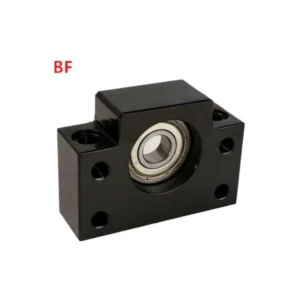
| Mechanical Securing | Support/Lock for Moving Axes and Bearing Blocks |
| Cable Connection Check | No Loose Connections, Insulated Ends |

On-Site Considerations for Downtime Preparation
- Develop and Implement a Detailed Checklist: Create a step-by-step shutdown and preservation checklist specific to each machine. This checklist should cover all critical components and necessary actions, including lubrication points, electrical disconnection steps, software backup procedures, and final protective covering.
- Regular Inspections: During extended downtime, schedule periodic inspections to check for any environmental changes, signs of corrosion, or damage. Address any issues promptly.
- Documentation: Ensure all records of the shutdown procedure, including checklists completed and any issues encountered, are maintained for future reference.
Conclusion
Properly preparing your industrial CNC router machine for extended downtime is an investment in its longevity and future performance. By meticulously following these steps, you safeguard your valuable asset against the detrimental effects of inactivity, ensuring a seamless and cost-effective return to production when needed. For expert advice on machine preparation or to explore reliable CNC solutions, request a quote on WhatsApp today.