No products in the cart.
Critical Considerations for Ball Screw and Nut Assembly in Industrial CNC Systems
Contents
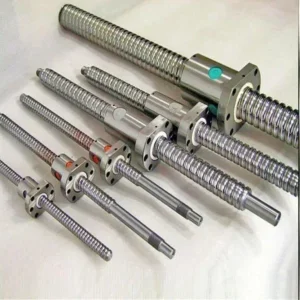
- Introduction and Technical Analysis At the heart of industrial automation systems, the assembly of ball screw and nut mechanisms, key components for precise linear motion, critically impacts the overall performance, lifespan, and accuracy of the system. These components efficiently convert rotary motion into linear motion with high efficiency, finding extensive use in a wide range of applications, from CNC router machines and robotic systems to precision positioning platforms and medical devices. Ball screws consist of a rotating shaft with specially designed helical grooves, within which steel balls move, and a corresponding nut. These balls minimize friction, ensuring high mechanical efficiency and precision. However, the sustainability of this high performance relies on a correct and meticulous assembly process. Incorrect assembly practices can lead to serious issues such as premature wear, vibration, noise, loss of accuracy, and unexpected failures, resulting in production downtime and high maintenance costs. This field guide and technical article aim to comprehensively cover the fundamental principles, technical details, and practical tips for ball screw and nut assembly for industrial automation professionals. The objective is to provide the necessary knowledge to ensure systems operate with optimum performance and extended longevity. Operating Principle and Technical Data
- Field Considerations for Ball Screw and Nut Assembly
- Common Problems and Solutions
- Expert Advice
- FAQ
Introduction and Technical Analysis
At the heart of industrial automation systems, the assembly of ball screw and nut mechanisms, key components for precise linear motion, critically impacts the overall performance, lifespan, and accuracy of the system. These components efficiently convert rotary motion into linear motion with high efficiency, finding extensive use in a wide range of applications, from CNC router machines and robotic systems to precision positioning platforms and medical devices. Ball screws consist of a rotating shaft with specially designed helical grooves, within which steel balls move, and a corresponding nut. These balls minimize friction, ensuring high mechanical efficiency and precision. However, the sustainability of this high performance relies on a correct and meticulous assembly process. Incorrect assembly practices can lead to serious issues such as premature wear, vibration, noise, loss of accuracy, and unexpected failures, resulting in production downtime and high maintenance costs. This field guide and technical article aim to comprehensively cover the fundamental principles, technical details, and practical tips for ball screw and nut assembly for industrial automation professionals. The objective is to provide the necessary knowledge to ensure systems operate with optimum performance and extended longevity.
Operating Principle and Technical Data
Ball screw and nut systems are among the most efficient mechanical systems for converting rotary motion into linear motion. Their fundamental principle is based on the frictionless rolling of steel balls placed between the helical grooves on the screw shaft and the matching grooves inside the nut. As the shaft rotates, the balls advance along the grooves, moving the nut linearly. The balls are continuously recirculated through a return channel within the nut, ensuring uninterrupted motion. This mechanism offers significantly lower friction coefficients compared to traditional sliding screw systems, providing high efficiency (up to 90% or more), which translates to lower energy consumption and reduced heat generation.
The performance of ball screw systems is defined by various technical parameters:
- Diameter: The outer diameter of the screw shaft, generally directly related to its load-carrying capacity and torsional rigidity.
- Lead: The linear distance the nut travels for one complete revolution of the screw. This is a critical parameter for the system’s speed and precision. Smaller leads increase precision, while larger leads increase speed.
- Accuracy Grade: A value defined by ISO or JIS standards, indicating the system’s positioning accuracy and repeatability (e.g., C0, C1, C3, C5, C7). C0 represents the highest accuracy, while C7 represents lower accuracy.
- Preload: A controlled force applied between the balls within the nut, which eliminates backlash, increases system rigidity, and improves accuracy. While single nuts may have backlash tolerance, preload can be applied in double nuts or specially designed single nuts.
- Dynamic Load Capacity (Ca): The maximum dynamic load the system can safely carry over a specified operating life (typically 1 million revolutions or 500 km of travel distance).
- Static Load Capacity (Coa): The maximum load the system can withstand without permanent deformation while stationary.
- Critical Speed: The rotational speed at which the screw shaft begins to resonate at its natural frequency. Exceeding this speed can lead to vibrations and system failures. The length and diameter of the screw affect this value.
- Stiffness: The system’s ability to resist deformation under load. High stiffness means better positioning accuracy.
- Efficiency: The ratio of output power to input power. Ball screws are known for their high efficiency.
These technical data are fundamental for the design of automation systems and the selection of ball screws. Choosing the appropriate ball screw and nut based on application requirements (load, speed, accuracy, operating environment) is vital for the long-term success of the system. For instance, in high-speed and high-precision applications, ground ball screws with high accuracy grades (C0, C1) are preferred, while more cost-effective and tolerant rolled ball screws (C5, C7) can be used in more general industrial applications.
| Parameter | Value/Description |
|---|---|
| Accuracy Grade | C0, C1, C3, C5, C7 (ISO/JIS standard; C0 highest accuracy) |
| Diameter Range | Typically 8 mm – 120 mm (Varies by application and load) |
| Lead | 1 mm – 60 mm (According to speed and accuracy requirements) |
| Dynamic Load Capacity (Ca) | Must be checked against manufacturer’s datasheet. (in kN) |
| Static Load Capacity (Coa) | Must be checked against manufacturer’s datasheet. (in kN) |
| Maximum Rotational Speed | Must be checked against manufacturer’s datasheet. (Pay attention to critical speed) |
| Operating Temperature | -20°C to +80°C (Depending on lubricant and material properties) |
| Material | Typically alloy steel (e.g., SCM415, SAE 52100) |
Field Considerations for Ball Screw and Nut Assembly
- Environmental Cleanliness and Component Protection: Ball screw and nut systems are extremely sensitive to dust, dirt, metal chips, and other particles. Before starting the assembly process, the work area and all components (screw, nut, bearings, housings, seals) must be meticulously cleaned. When cleaning with air guns, care must be taken to prevent particles from spreading; if possible, use a vacuum or lint-free cloths. Component packaging should not be opened until the moment of assembly and should always be kept on a clean surface during assembly. Even the smallest particle of dirt can cause wear, jamming, or noise in the ball raceways, which severely reduces the system’s lifespan and performance.
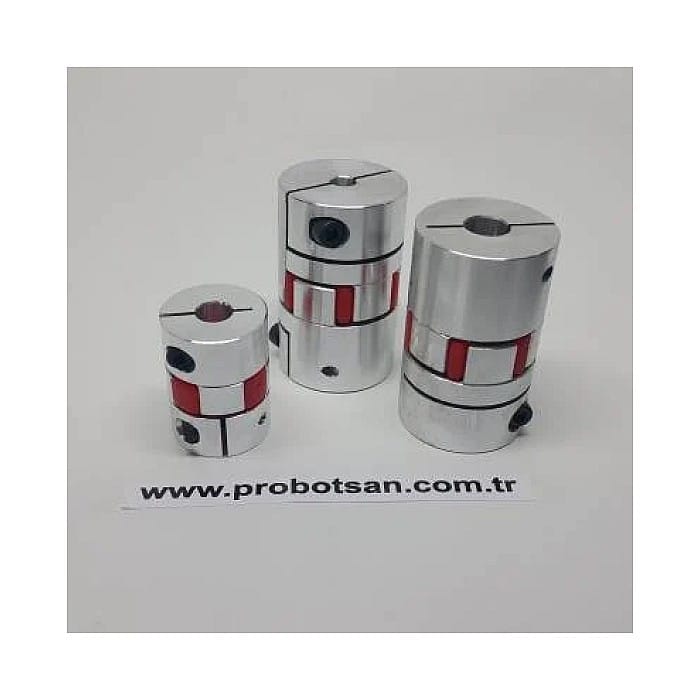
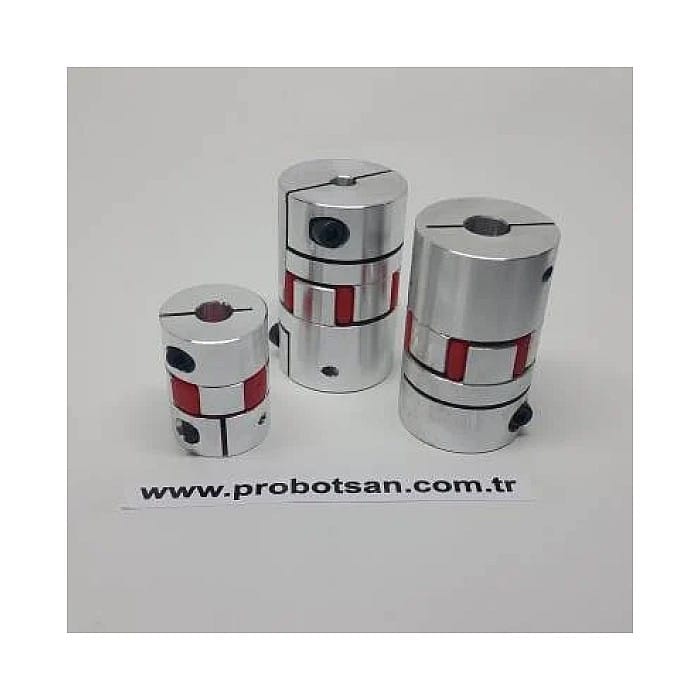
- Accurate Alignment and Parallelism: Perfect alignment of the ball screw and nut with the mechanical system they are connected to (e.g., linear guides, motor) is crucial. Axial runout, angular misalignment, or parallelism errors of the screw and nut can lead to uneven load distribution on the balls, excessive friction, vibration, and premature wear. Precision measuring instruments (dial indicators, laser alignment devices) must be used for alignment. Correct positioning and tightening of mounting bearings and motor connections guarantee the system’s lifespan and performance. Runout control is especially critical for long screws.
- Proper Lubrication: Ball screw and nut systems require continuous and correct lubrication to reduce friction and prevent corrosion. The type and amount of lubricant (usually grease or special oil) recommended by the manufacturer must be used. Lubrication should be performed during assembly and at regular maintenance intervals. Excessive or insufficient lubrication can lead to performance degradation, wear, and overheating. Automatic lubrication systems can be preferred, especially in hard-to-reach or continuously operating systems. Keeping lubrication points clean and preventing lubricant contamination is also important.
- Mounting Torque Control: The bolts and nuts used to attach the ball screw to the bearings and the nut to the support plate must be tightened with the correct torque. Overtightening can cause deformation in components, internal stresses, and premature bearing damage. Insufficient tightening can lead to loosening of the connection, vibrations, and positioning errors. The manufacturer’s specified torque values must be meticulously applied using a torque wrench. Special tightening methods and torque values exist, especially for locknuts.
- Preload Adjustment: Some ball screw nuts come with preload to eliminate backlash and increase rigidity. If the system’s preload is adjustable, it is very important to set the correct preload value according to the manufacturer’s instructions. Incorrect preload can increase friction, leading to overheating, energy loss, and premature wear. Preload control is a precise operation requiring special measuring instruments and technical knowledge.
- Thermal Expansion Management: Especially long ball screws can expand and contract during operation or due to changes in ambient temperature. This can affect positioning accuracy and cause undesirable stresses on the screw. This must be considered during the design phase, and an appropriate screw support configuration (e.g., fixed at one end, free at the other, or both ends free but under tension) should be selected. During assembly, ensure that sufficient clearance is left at the free end of the screw.
- Use of Protective Elements: Bellows, wipers, or special sealing elements should be used to protect ball screw and nut systems from external factors such as dirt, dust, chips, and moisture. These protectors extend the life of the balls and raceways and reduce maintenance needs. During assembly, ensure these elements are correctly installed and performing their function.
- Use of Appropriate Tools and Techniques: Tools of the correct size and type must be used during assembly. Avoid impact tools like hammers and refrain from applying brute force that could damage the screw or nut. Special presses or pullers should be used for mounting bearings and seals. Assembly personnel must be trained and experienced in ball screw system assembly.
- Storage and Transportation Conditions: Ball screw and nut systems must be stored and transported under appropriate conditions before assembly. They should not be exposed to direct sunlight, moisture, extreme temperature changes, or impacts. Their protective packaging should not be damaged and should not be opened until immediately before assembly. Careful handling methods must be applied to prevent bending or scratching the screw surface.
Common Problems and Solutions
Errors made during ball screw and nut assembly or abnormalities in operating conditions can lead to various problems. Early diagnosis and correct solutions for these problems increase system efficiency and lifespan.
- Excessive Noise and Vibration: This usually occurs due to misalignment, insufficient lubrication, contamination/damage to balls or raceways, worn bearings, or operation near critical speed. As a solution, alignment should first be checked, lubrication status reviewed, and cleaning and re-lubrication performed if necessary. The condition of the bearings should be inspected and replaced if damaged. The system should be adjusted to operate below critical speed, or a more rigid screw selection should be considered.
- Sticking Motion or Jamming: Rough or completely stopped ball screw motion is usually caused by excessive contamination, insufficient lubrication, excessive preload, bent screw, or damaged balls within the nut. The solution is careful cleaning and lubrication of the screw and nut, checking and adjusting preload if it’s an adjustable type. The straightness of the screw should be checked, and if bent, the screw should be replaced. If there is damage to the balls or raceways, the nut or the entire system may need replacement.
- Loss of Accuracy and Positioning Error: Increased backlash in the system, component wear, bearing play, or control system errors lead to loss of accuracy. The solution is to first check for mechanical play, and if the preload is adjustable, readjust it. Worn nuts or bearings should be replaced. Control system parameters and feedback devices (encoders) should also be checked.
- Short Operating Life: Premature failure of the ball screw and nut system before its expected lifespan is caused by factors such as excessive loading, insufficient or incorrect lubrication, continuous exposure to contamination, incorrect assembly (alignment errors), or excessive temperature. The solution is to identify and eliminate the root cause. Load capacity, lubrication schedules, environmental protection, and assembly procedures should be re-evaluated.
- Overheating: Abnormal heating of the ball screw usually results from excessive friction. This can be due to insufficient lubrication, excessive preload, misalignment, or operation near critical speed. The solution is to check lubrication status, adjust preload, correct alignment, and keep the operating speed below critical speed. Appropriate cooling measures (e.g., oil cooling) should be considered for high-speed applications.
Expert Advice
Ball screw and nut assembly is a critical process for the performance and reliability of industrial automation systems. These components can only offer high precision, efficiency, and long life through a meticulously planned and executed assembly process. Field experience clearly shows that even the smallest detail can have significant impacts on the overall operation of the system. Working in a clean environment, correct alignment of components, proper lubrication, precise torque control, and consideration of factors like thermal expansion ensure smooth operation not only at the time of assembly but throughout the entire service life of the system. Adhering strictly to the manufacturer’s assembly instructions, applying specified torque values, and lubrication specifications are fundamental requirements. Furthermore, having adequately trained and experienced assembly personnel plays a key role in preventing potential errors. It should be remembered that initial care and attention to detail will translate into less maintenance, fewer breakdowns, higher production efficiency, and significant cost savings in the long run. In case of any doubt, always consult the technical support team of the ball screw system manufacturer. Periodic maintenance and monitoring for signs of early wear are the most effective ways to maximize system lifespan and prevent potential failures. By adhering to the principles in this guide, you can achieve maximum efficiency from ball screw and nut assembly in your industrial automation systems.
FAQ
What is a ball screw and nut system?
Ball screw and nut systems are highly efficient mechanical components that convert rotary motion into precise linear motion. They consist of a threaded shaft (ball screw) and a mating nut with recirculating balls, minimizing friction and enabling high accuracy in industrial applications like CNC router machines and robotic systems.
What are the critical technical parameters of ball screw systems?
Key technical parameters include diameter, lead (linear distance per revolution), accuracy grade (e.g., C0, C5), preload (to eliminate backlash), dynamic and static load capacities, critical speed (to avoid resonance), stiffness, and efficiency. These parameters are crucial for selecting the right ball screw for specific industrial applications.
Why is proper ball screw and nut assembly critical for industrial systems?
Proper assembly is vital because it directly impacts the system's performance, lifespan, and accuracy. Incorrect assembly can lead to premature wear, vibration, noise, loss of precision, and unexpected failures, resulting in costly downtime and maintenance. Meticulous assembly ensures optimal operation and longevity.
What are the most important considerations during ball screw and nut assembly?
Essential considerations include maintaining a clean environment, ensuring accurate alignment and parallelism, applying proper and sufficient lubrication, controlling mounting torque precisely, correctly adjusting preload (if applicable), managing thermal expansion, using protective elements like bellows, and employing appropriate tools and trained personnel.
What are common problems encountered during ball screw operation and their solutions?
Common issues include excessive noise and vibration (often due to misalignment or insufficient lubrication), sticking motion or jamming (from contamination or bent screws), loss of accuracy (due to backlash or wear), short operating life (from overloading or improper lubrication), and overheating (from excessive friction or incorrect preload). Solutions involve addressing the root cause, such as re-alignment, re-lubrication, component replacement, or parameter adjustment.