No products in the cart.
CNC Spindle Motor Noisy: How to Diagnose Bearing Failure? A Field Guide

Contents
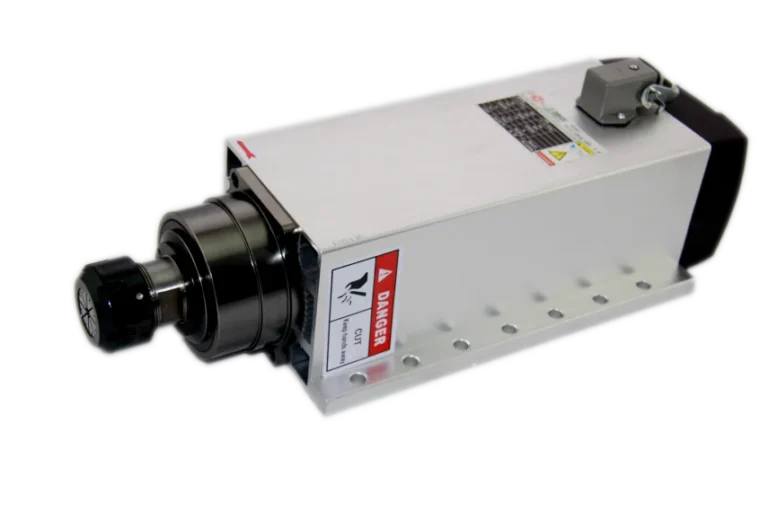
- CNC Spindle Motor Noisy: How to Diagnose Bearing Failure? A Field Guide and Technical Article As the indispensable heart of industrial automation, CNC machines play a critical role in manufacturing processes. One of the most important components of these machines is the spindle motor, which performs operations requiring high speed and precision. The performance of spindle motors directly impacts machining quality, production efficiency, and the overall lifespan of the machine. Unfortunately, various malfunctions can occur in spindle motors over time or due to improper use. Among these malfunctions, the most common, and often first indicated by “noisy operation,” are bearing failures. Bearing failures not only cause noise pollution but also reduce machining accuracy, shorten tool life, and can ultimately lead to complete spindle motor shutdown, causing significant disruptions in production. This detailed field guide and technical article provides industrial automation professionals with an expert perspective on how to understand, diagnose, and implement potential solutions for bearing failures in CNC spindle motors. Our goal is to minimize unplanned downtime and optimize maintenance costs by early diagnosis of the fault. Operating Principle and Technical Data
- Field Observations and Diagnostic Techniques
- Common Problems and Solutions
- Expert Advice
- FAQ
CNC Spindle Motor Noisy: How to Diagnose Bearing Failure? A Field Guide and Technical Article
As the indispensable heart of industrial automation, CNC machines play a critical role in manufacturing processes. One of the most important components of these machines is the spindle motor, which performs operations requiring high speed and precision. The performance of spindle motors directly impacts machining quality, production efficiency, and the overall lifespan of the machine. Unfortunately, various malfunctions can occur in spindle motors over time or due to improper use. Among these malfunctions, the most common, and often first indicated by “noisy operation,” are bearing failures. Bearing failures not only cause noise pollution but also reduce machining accuracy, shorten tool life, and can ultimately lead to complete spindle motor shutdown, causing significant disruptions in production. This detailed field guide and technical article provides industrial automation professionals with an expert perspective on how to understand, diagnose, and implement potential solutions for bearing failures in CNC spindle motors. Our goal is to minimize unplanned downtime and optimize maintenance costs by early diagnosis of the fault.
Operating Principle and Technical Data
CNC spindle motors are cornerstones of modern manufacturing. These motors rotate cutting tools at high speeds in machine tools to perform material processing operations. At the heart of the spindle motor are bearing systems, which ensure the rotor rotates stably and precisely at high revolutions. Typically, angular contact ball bearings are used in a CNC spindle motor. These bearings are capable of carrying both radial and axial loads and are specially designed to operate with low friction at high speeds. In high-precision spindle applications, ceramic ball bearings are often preferred. Ceramic balls are lighter, harder, and more resistant to high temperatures than steel balls, allowing for higher speeds and longer life.
The operating principle of bearings is to provide rotational motion with low friction between the rotating shafts and the stationary housing. This is achieved through rolling elements (balls or rollers) between the inner and outer rings of the bearing. In high-speed spindle applications, preload of the bearings is critically important. Preload increases rigidity by eliminating clearance between the bearings, improves rotational accuracy, and reduces vibration. However, incorrect or excessive preload can significantly shorten bearing life and cause overheating. Spindle motors are typically lubricated with an oil-air mixture (oil-air lubrication) or grease (grease lubrication). Lubrication reduces friction, dissipates heat, and protects bearing surfaces from corrosion. The correct functioning of the lubrication system is vital for the longevity of the bearings.
Key factors affecting bearing life include:
- Load: The magnitude of radial and axial loads acting on the bearings.
- Speed: The operating speed of the spindle motor. High speeds generate more heat in the bearings.
- Temperature: The operating environment and the temperature within the bearing. Excessive temperatures lead to lubricant degradation and fatigue of the bearing material.
- Lubrication: The type, quantity, quality, and application method of the lubricant. Insufficient or contaminated lubrication is the most common cause of bearing failures.
- Contamination: Entry of dust, chips, moisture, or other foreign matter into the bearing. Such contamination causes wear and pitting on bearing surfaces.
- Mounting: Incorrect mounting can apply excessive pressure to bearings or lead to misalignment, setting the stage for early failures.
- Vibration: Excessive vibrations caused by imbalance or other mechanical issues can damage bearings.
Bearing failures usually develop gradually, and the first symptom is often abnormal noises. These noises result from wear, fatigue cracks, pitting, or the presence of contaminants on the surfaces of the bearing elements. The character of the sound can provide important clues about the type and severity of the fault. Early diagnosis is critical to prevent greater damage and costly repairs.
| Parameter | Value/Description |
|---|---|
| Bearing Type | Typically Angular Contact Ball Bearings |
| Rolling Element Material | Steel (100Cr6) or Ceramic (Si3N4) |
| Precision Class | Typically P4 (ABEC 7) or P2 (ABEC 9) |
| Maximum Speed (RPM) | 10,000 – 60,000 RPM (Varies by spindle model) |
| Lubrication Method | Grease Lubrication or Oil-Air Mixture Lubrication |
| Expected L10 Life | 20,000 – 40,000 Operating Hours (Depends on load and speed) |
| Operating Temperature Range | Ambient temperature +10°C to +40°C (Bearing surface temperature should not exceed 60°C) |
| Vibration Limit (RMS) | Typically < 1.5 mm/s (ISO 10816-1) |
| Axial Preload | Must be checked according to manufacturer’s datasheet values. |
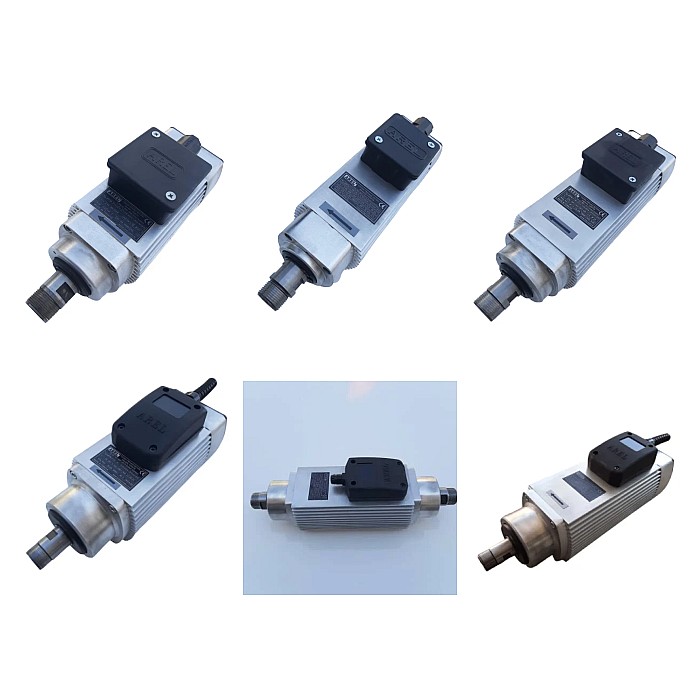
Field Observations and Diagnostic Techniques
- Sound Analysis (Acoustic Listening): Carefully listening to the spindle motor’s sound is one of the most basic ways to diagnose bearing failures. Normally, a spindle motor should emit a smooth, low hum. However, when bearings begin to fail, this sound changes.
- High-Frequency Whine/Squeal: Often indicates insufficient lubrication, excessive preload, or early-stage fatigue. It may become more pronounced when the motor is cold or newly started.
- Grinding/Scratching Sound: This sound indicates the presence of foreign matter (dust, chips, metal particles) inside the bearing or the onset of severe wear and pitting on the surfaces. This is a serious condition requiring prompt intervention.
- Knocking/Clicking Sound: Typically indicates damage to the bearing cage, irregular movement of balls or rollers, brinelling (permanent deformation on the surface), or excessive clearance. This is usually an advanced stage of failure.
- Low-Frequency Rumbling/Growling: A symptom of excessive load, improper mounting, looseness in the bearing housing, or general wear. The intensity of the sound may increase with RPM.
To better pinpoint the source of these sounds, a stethoscope or electronic listening device can be used. By touching different areas of the spindle motor (front, rear, middle), the point where the sound is most intense should be identified.
- Vibration Analysis: Sound is often a result of vibration. Collecting vibration data using an accelerometer on the spindle motor is one of the most reliable ways to quantitatively detect bearing failures. Vibration sensors are mounted on the motor housing or near the spindle shaft to measure vibration amplitude and frequency.
- Amplitude Increase: When a bearing failure begins, vibration amplitude increases. Amplitudes above a certain threshold indicate a problem.
- Frequency Spectrum Analysis: Looking at the frequency spectrum of the vibration signal with FFT (Fast Fourier Transform) analysis helps identify the source of the fault (inner ring, outer ring, ball, or cage). Each bearing component has a unique fault frequency, and the prominence of these frequencies in the spectrum indicates a problem in that component. This forms the basis of predictive maintenance strategies.
Periodic vibration measurements allow monitoring the progression of a fault and planning maintenance without unplanned downtime.
- Temperature Monitoring: A faulty bearing generates more friction than normal, leading to a temperature increase. Measuring temperature at different points on the spindle motor (especially near bearing housings) is a significant indicator of a potential bearing failure.
- Thermal Cameras (Infrared Cameras): Used to quickly and non-invasively visualize the surface temperature distribution of the spindle motor. Abnormal hot spots may indicate excessive friction or insufficient lubrication in the bearings.
- Thermocouples/RTD Sensors: Can be mounted at critical points on the spindle motor for more precise and continuous temperature monitoring. Alarms can be triggered if a certain temperature threshold is exceeded.
Sudden or continuous temperature increases can mean that the bearings are excessively preloaded, insufficiently lubricated, or their internal structure has begun to degrade.
- Lubrication Condition Check: Lubrication is a critical factor for bearing life.
- Grease Lubricated Systems: Grease fill level and the condition of the grease (color, consistency) should be checked periodically. Old, dried, or contaminated grease increases friction in bearings.
- Oil-Air Mixture Systems: Ensure the lubrication unit is functioning correctly, and that air pressure and oil flow rate are properly adjusted. Check for blockages or leaks in the oil line. Replace contaminated lubricant with fresh. Insufficient lubrication leads to increased metal-to-metal contact on bearing surfaces, causing rapid wear.
Oil analysis can provide early information about bearing wear by identifying the presence and type of metal particles in the oil.
- Spindle Run-out Measurement: Radial and axial run-out measured at the tip or tapered section of the spindle shaft can provide information about the condition of the bearings.
- Dynamic Run-out: Measured with a dial indicator or laser measurement system while the spindle rotates. Higher-than-normal run-out values may indicate clearance, wear, or damage in the bearings.
- Static Run-out: Performed to check the straightness of the shaft when the spindle is stationary.
High run-out directly affects machining accuracy and is a sign of progressing bearing failure.

Common Problems and Solutions
Bearing failures in CNC spindle motors can manifest in various ways, each with its specific symptoms and solution approaches:
- Insufficient Lubrication:
- Symptom: High-frequency whine, increased temperature, discoloration of bearing surfaces (blue/brown).
- Solution: Check the lubrication system (grease level, oil flow, air pressure). If necessary, relubricate the bearings with appropriate grease or oil. Strictly adhere to the lubrication periods and lubricant type specified by the manufacturer. Avoid over-lubrication, as this can also cause overheating.
- Contamination:
- Symptom: Grinding/scratching sound, increased vibration, unexpected reduction in bearing life.
- Solution: Ensure cleanliness of the spindle motor and its surroundings. Check sealing elements (seals, labyrinth seals) and replace damaged ones. Periodically clean or replace filters in the lubrication system. Replace contaminated lubricant with fresh.
- Excessive Preload:
- Symptom: High temperature, whining sound, shortened bearing life.
- Solution: Check the preload setting. This typically involves disassembling the spindle and using special tools. Incorrect preload causes premature bearing fatigue. This procedure should be performed by a qualified technician.
- Mounting Errors:
- Symptom: Low-frequency rumbling, vibration, increased spindle run-out, shortened bearing life.
- Solution: Ensure the spindle motor is mounted correctly, that bearing seats are within tolerances, and that bearings are installed properly. Damaged or incorrectly mounted bearings should be replaced. Check the fit values between the shaft and housing.
- Fatigue:
- Symptom: Generally a progressive rumbling or clicking sound, gradual increase in vibration, pitting or spalling on bearing surfaces.
- Solution: Fatigue indicates that the bearing is approaching the end of its natural life. In this case, bearings need to be replaced. Bearing replacement is a procedure requiring special tools and precision, and usually means the spindle motor needs to be disassembled and overhauled.
- Brinelling or False Brinelling:
- Symptom: Clicking or knocking sound, especially at low speeds or after the spindle has been stationary for a long time before restarting.
- Solution: Brinelling is permanent deformation caused by excessive impact loads or improper mounting. False brinelling is micro-wear caused by lubricant being squeezed out in vibrating environments. In both cases, bearings may need to be replaced. Ensure good vibration damping during machine transport or storage.
Expert Advice
Bearing failures in CNC spindle motors are a critical issue that can lead to serious disruptions and costs in industrial production. However, with accurate information, regular monitoring, and proactive maintenance strategies, it is possible to prevent these failures or at least detect them at an early stage to minimize unplanned downtime. Abnormal noises from a spindle motor are more than just a minor annoyance; they are signals from the system indicating a problem. Ignoring these signs can turn the cost of a small bearing replacement into the much larger cost of a complete spindle overhaul or even purchasing a new spindle motor. Our field experience shows that a combination of sound analysis, vibration analysis, temperature monitoring, and lubrication condition checks is the most effective method for accurately and early diagnosing bearing failures. Investing in predictive maintenance techniques, especially vibration analysis, allows you to plan maintenance before a fault develops, contributing to the uninterrupted operation of your production line. It should be noted that spindle motors are high-precision components, and interventions such as bearing replacement must be performed by authorized and experienced personnel, in accordance with manufacturer specifications and technical guidelines. Incorrect intervention can lead to greater, irreversible damage. Establishing regular maintenance programs, training operators on abnormal sounds and behaviors, and utilizing modern monitoring technologies will extend the life of your CNC spindle motors and increase the reliability of your industrial automation systems. Early diagnosis is always the most economical and efficient solution. Request a quote on WhatsApp today to learn more about Mermak CNC solutions and maintenance support.
FAQ
What does a noisy CNC spindle motor typically indicate?
A noisy CNC spindle motor often indicates a bearing failure. Common sounds include high-frequency whining, grinding, knocking, or low-frequency rumbling. These noises are caused by wear, contamination, insufficient lubrication, or incorrect preload.
What are the primary methods for diagnosing bearing failure in a CNC spindle motor?
Key diagnostic methods include sound analysis (listening for specific types of noises), vibration analysis using accelerometers and FFT, temperature monitoring with thermal cameras or sensors, checking lubrication status, and measuring spindle run-out. Combining these methods provides a comprehensive assessment.
What are the most common causes of CNC spindle bearing failure?
Common causes include insufficient lubrication, contamination (dust, chips), excessive bearing preload, improper mounting, and natural fatigue. Brinelling and false brinelling from impact loads or vibration can also lead to failure.
What are the solutions for different types of bearing failures?
Solutions depend on the cause. For lubrication issues, check and replenish lubricant. For contamination, clean the system and check seals. For excessive preload or mounting errors, professional adjustment or re-installation is required. For fatigue or severe damage, bearing replacement is necessary.
How can predictive maintenance help prevent major spindle motor bearing failures?
Predictive maintenance, such as regular vibration analysis and temperature monitoring, allows for early detection of developing faults. This enables planned maintenance interventions, minimizing unplanned downtime and reducing the risk of catastrophic failures and costly repairs.