






































































Building Your Own CNC Machine with Mermak CNC Market Sets: A Cost and Technical Analysis
📑 Table of contents (Click to open)
Introduction and Technical Analysis
At the heart of industrial automation and manufacturing processes lies the CNC (Computer Numerical Control) machine, an indispensable element of modern industry. Offering significantly higher precision, repeatability, and the ability to machine complex geometries compared to traditional methods, CNC technology has revolutionized prototyping, mold making, mass production, and custom part manufacturing. However, the investment cost of a ready-made CNC machine can be a significant barrier, especially for small and medium-sized enterprises (SMEs) or R&D departments. This is precisely where modular components, such as the Mermak CNC market sets available on the market, make the idea of building your own CNC machine or upgrading an existing system appealing. This article aims to comprehensively explore how much it would cost to build your own CNC machine using components available from suppliers like Mermak, examining technical details and field experiences. This work, serving as a field guide for industrial automation professionals, will offer an in-depth look at cost analysis, technical selections, and implementation challenges. Building your own machine not only provides a cost advantage but also allows you to fully understand every detail of the machine, optimize it according to your specific needs, and increase your operational independence. This process is an unparalleled opportunity to develop engineering skills and understand the intricacies of automation systems.
Operating Principle and Technical Data
A CNC machine operates on the principle of converting 3D models created in Computer-Aided Design (CAD) software into numerical command sequences called G-code through Computer-Aided Manufacturing (CAM) software. These G-codes are then interpreted by the machine’s motion controller, which sends signals to the axis motors to perform specific movements. The motors, typically stepper motors or servo motors, precisely position the machining tool (spindle) along the X, Y, and Z axes via mechanical elements like linear rails and ball screws. While the spindle rotates the cutting tool through its rotational motion, it performs the material removal operation on the workpiece. This complex process is made possible by the correct selection and integration of components. The market sets offered by suppliers like Mermak provide each of these components individually or in modular packages, giving users extensive customization and cost control options.
Key technical components and data to consider when building your own CNC machine include:
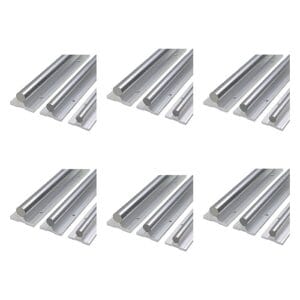
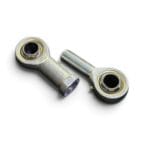
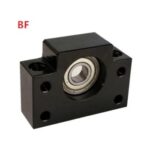
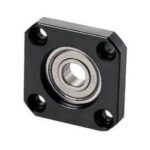
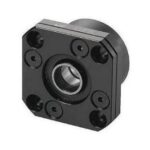
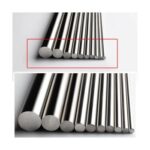
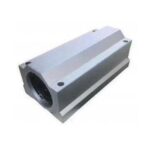
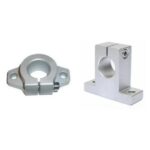
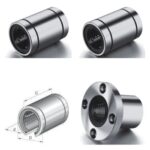
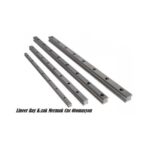
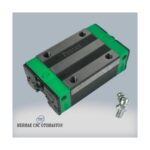
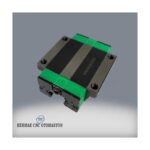
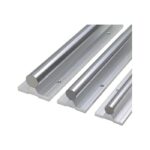
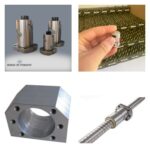
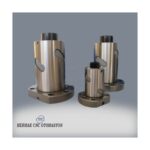
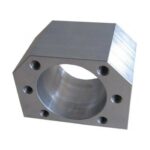
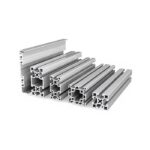
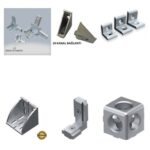
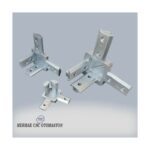
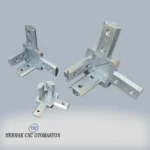
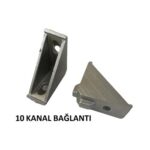
- Mechanical Structure and Chassis: Fundamental for the machine’s rigidity and precision. Aluminum profiles, steel welded frames, or cast iron structures can be preferred. Linear guides, ball screws, couplings, and bearings available from Mermak form the moving parts of this structure. For precision machining, industrial standard components such as C5 grade ball screws and HGH/HGW series linear guides should be chosen.
- Motion Control Systems:
- Stepper Motors: Widely used in hobbyist and entry-level machines due to their economic nature and ease of control. Torque, step angle (typically 1.8 degrees), and current values are important. They come in standard sizes like NEMA 23 and NEMA 34.
- Servo Motors: Offer higher torque, speed, precision, and feedback (encoder) capabilities. Ideal for professional and high-performance machines. Their cost is higher than stepper motors.
Drivers: Must be compatible with the selected motor type and current requirements. Micro-stepping capability provides smoother motion and higher resolution.
- CNC Control Board: The brain of the machine. Options like GRBL (Arduino-based, economical), Mach3/Mach4 (PC-based, professional), and LinuxCNC (open-source, high-performance) are available. The board’s axis count, I/O ports, PWM output (for spindle control), and communication interface (USB, Ethernet) are critical.
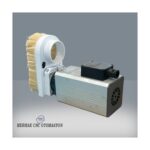
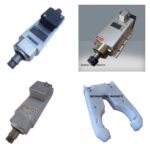
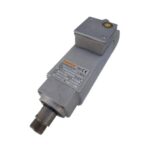
- Spindle: Selected based on the material to be machined and the desired cutting performance. Can be air-cooled or water-cooled. Its power (in kW), speed range (RPM), and collet type (ER11, ER16, ER20, etc.) are important. It is controlled by a VFD (Variable Frequency Drive).
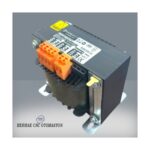
- Power Supplies: Must provide stable and sufficient power for motor drivers, the control board, and other electronic components. Typically, 24V or 48V DC main power supplies are used.
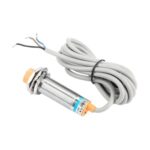
- Sensors and Safety: Limit switches (define physical limits of each axis), homing switches (define the starting point), and an emergency stop (E-Stop) button are essential for safety and automation.
- Cabling: Shielded, flexible, and industrial standard compliant cables resistant to EMI (electromagnetic interference) should be used.
| Parameter | Value/Description |
|---|---|
| Motion System Type | Stepper Motor (NEMA 23 – NEMA 34) or Servo Motor (50W – 750W range) |
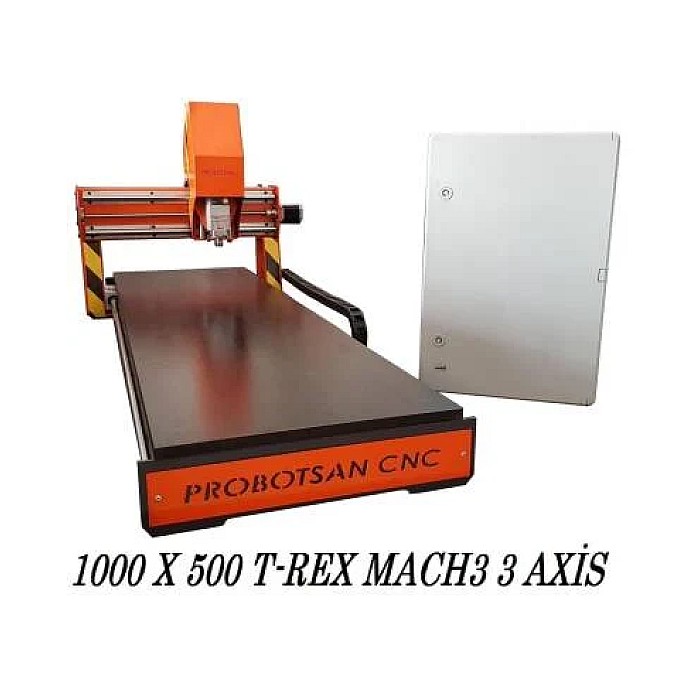
| Working Area (X, Y, Z axes) | Typically ranges from 300x400x100mm to 1000x1500x250mm |
| Repeatability Accuracy | ±0.01mm – ±0.05mm (Depends on component quality and assembly) |
| Max. Machining Speed | 3000mm/min – 15000mm/min (Depending on motor and driver power) |
| Spindle Power | 0.8kW (Hobby) – 2.2kW (Professional) or higher |
| Control Board Type | GRBL (Arduino-based) or Mach3/Mach4 (PC-based) |
| Frame Material | Aluminum Profile (20×40, 40×80), Steel Profile, or Composite |
| Estimated Total Cost Range | $2,500 – $15,000 (Varies significantly based on component quality and working area) |
| Power Consumption (Average) | 0.5kW – 3.0kW (Depends on spindle power and number of motors) |
| Linear Motion System | Chrome Plated Rods & Bearings or Linear Rail & Carriage |
| Ball Screw Class | C7 (Hobby) or C5 (Industrial) |
Field Considerations
- Mechanical Assembly Precision: The precision of a CNC machine largely depends on the accuracy of its mechanical assembly. The parallelism of linear guides, the axial alignment of ball screws, and the overall rigidity of the chassis are critical. Even minor misalignment or loose connections during operation can lead to vibrations, loss of precision, and deterioration of surface quality. Precision measuring tools such as spirit levels, calipers, and micrometers should be used during assembly, and each connection must be secured with the correct torque using a torque wrench. Especially the alignment of ball screw bearings and couplings is crucial.
- Electrical Wiring and Shielding: Proper shielding of cables is essential to prevent electromagnetic interference (EMI) from affecting the control signals. Using shielded cables for motors, limit switches, and sensors, and ensuring a common ground connection for all electronic components, helps maintain signal integrity and machine reliability. Incorrect wiring can lead to erratic movements or complete system failure.
- Component Compatibility: Ensuring that all components – motors, drivers, control board, spindle, and power supply – are compatible with each other is vital. For instance, the current rating of the motor drivers must match the current requirements of the motors, and the control board must support the chosen motor type (stepper or servo) and the number of axes. Mermak CNC’s market sets are designed to offer compatible component combinations, simplifying this selection process.
- Software Configuration: After assembly, the CNC control software (e.g., Mach3, GRBL) needs to be configured correctly. This includes setting motor steps per millimeter, acceleration and velocity limits, homing directions, and limit switch behavior. Incorrect software settings can lead to poor performance, inaccurate cuts, or even crashes.
- Material Selection for Workholding: The choice of workholding system (e.g., vacuum table, clamps, vise) depends on the materials being machined and the complexity of the parts. For sheet materials like wood, acrylic, or thin aluminum, a vacuum table is highly effective. For heavier materials or complex 3D shapes, robust clamping systems are necessary. Mermak CNC offers various solutions that can be integrated into custom builds.
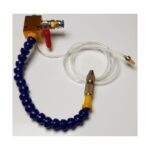
- Cooling and Lubrication: For prolonged operation and high-performance machining, especially with harder materials, proper cooling of the spindle and cutting tool is necessary. This can be achieved through air blasts, mist cooling, or flood coolant systems. Similarly, linear guides and ball screws require periodic lubrication to ensure smooth operation and longevity.
Cost Breakdown Example (Estimated for a Medium-Sized Industrial CNC Router)
Building a CNC machine offers significant cost savings compared to purchasing a pre-built industrial unit, especially when leveraging market sets. Here’s a hypothetical cost breakdown for a machine with an approximate working area of 600x900x150mm, using mid-range industrial components:
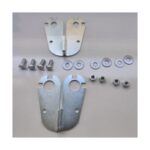
- Frame and Mechanical Structure (Aluminum Profiles, Brackets): $400 – $800
- Linear Motion System (Linear Guides, Ball Screws, Bearings): $600 – $1500 (Depending on size and precision class)
- Motors (NEMA 34 Stepper Motors or equivalent Servo Motors): 3-axis set: $500 – $1200
- Motor Drivers: 3-axis set: $300 – $700
- Spindle (2.2kW Air-Cooled with VFD): $300 – $600
- CNC Control Board (e.g., Mach3/Mach4 compatible board): $150 – $400
- Power Supply (48V DC): $100 – $200
- Limit Switches, E-Stop Button, Cabling: $100 – $250
- Workholding (e.g., basic clamps or MDF spoilboard): $50 – $200
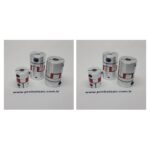
- Miscellaneous (Fasteners, Couplings, Tools): $100 – $300
Estimated Total Cost: $2,600 – $6,150 USD
This estimate highlights that a functional, industrial-grade CNC router can be built for a fraction of the cost of a comparable commercial machine, which could range from $8,000 to $30,000+ depending on specifications and brand.
Conclusion
Building your own CNC machine using Mermak CNC market sets and other quality components is a viable and cost-effective strategy for businesses seeking to enhance their manufacturing capabilities without a prohibitive capital outlay. It requires careful planning, technical understanding, and meticulous assembly. However, the resulting machine can be tailored precisely to your operational needs, offering significant advantages in terms of cost, customization, and operational control. By selecting reliable components like industrial-grade linear guide rails, powerful servo drives, precise ball screws, and robust spindle motors, you can create a machine that rivals commercial offerings in performance and durability. The key lies in understanding the interplay between these components and ensuring their precise integration. For businesses looking to take control of their production technology, embarking on a DIY CNC project with Mermak CNC’s modular solutions is a strategic investment in efficiency and innovation.
Ready to build your custom CNC solution? Request a quote on WhatsApp and let our experts guide you through the process!