








































































Automation Systems You Can Build with Products from Mermak CNC Market
📑 Table of contents (Click to open)
Introduction and Technical Analysis
Industrial automation plays a critical role in helping businesses achieve efficiency, precision, and cost-effectiveness in today’s competitive manufacturing environment. The digitalization of production processes and the increase in automation levels minimize human-induced errors, maximize production capacity, and ensure standardization in product quality. Automation systems designed with high-quality components sourced from suppliers like Mermak CNC Market offer revolutionary solutions across a wide industrial spectrum, particularly from CNC machines to robotic applications, packaging lines to material handling systems. This technical article and field guide addresses the fundamental principles, technical details, field applications, and potential solutions to problems that may be encountered when building automation systems using the Mermak CNC Market product portfolio, all from an expert perspective. Our goal is to create a comprehensive reference for engineers, technicians, and decision-makers involved in industrial automation projects. Topics such as system integration, component selection, programming approaches, and maintenance strategies form the cornerstones for businesses to achieve their Industry 4.0 goals. Building a correct and integrated automation infrastructure provides flexible and scalable solutions that can meet not only today’s but also future production needs. This guide aims to explain the complex structure of automation systems in an understandable language, helping readers make informed decisions in their own projects.
Operating Principles and Technical Data
An automation system typically consists of various subsystems that work in an integrated manner. Each of these subsystems is designed to perform a specific task and can be easily assembled with the wide range of products available from Mermak CNC Market. The heart of the system is usually formed by a Programmable Logic Controller (PLC). PLCs are industrial computers that provide logical control of the machine or process. They process data from sensors, make decisions according to programmed algorithms, and send commands to actuators (motors, valves, etc.). Modern PLCs stand out with their high processor speeds, extensive I/O (input/output) capacities, and ability to support various communication protocols. Programming is usually done in languages compliant with IEC 61131-3 standards such as Ladder Diagram (LD), Structured Text (ST), and Function Block Diagram (FBD). The performance of a PLC is directly related to its scan time, memory capacity, and supported communication interfaces.
Interfaces that enable operators to interact with the system are established via Human-Machine Interfaces (HMI) or Industrial PCs (IPC). HMIs visualize machine status, alarm information, and production data through graphical displays, allowing the operator to control the system. Resolution, screen size, touch sensitivity, and communication ports (Ethernet, RS-232/485) are important parameters in HMI selection. IPCs, on the other hand, are preferred for more complex applications, data acquisition, SCADA (Supervisory Control and Data Acquisition) systems, and Industrial IoT (IIoT) integrations.
For applications requiring precise motion control, Servo Motors and Drives or Stepper Motors and Drives are used. Servo systems offer high precision, dynamic response, and torque control through closed-loop control (with encoder feedback). They are ideal for CNC machines, robotic arms, and precise positioning systems. Stepper motors are generally preferred for lower-cost, open-loop control applications; they provide positioning by moving step-by-step but carry the potential for position error due to the lack of feedback. Drives (amplifiers) provide the necessary power to the motors and convert commands from the controller into motor movement. The power capacity of the drives, communication interfaces (EtherCAT, CANopen, etc.), and safety functions (STO – Safe Torque Off) are critically important.
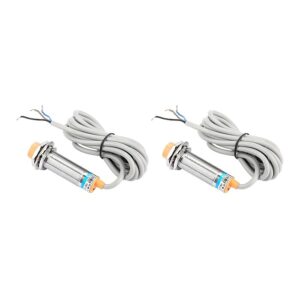
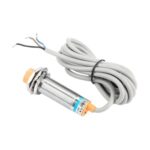
Sensors, which are the “senses” of the system, and Actuators, which are its “muscles,” form the foundation of automation. Various detectors such as proximity sensors (inductive, capacitive, optical), encoders, pressure sensors, and temperature sensors convert physical parameters into electrical signals. Actuators (pneumatic cylinders, hydraulic valves, contactors, relays) perform physical movement or action with commands from the PLC. Sensor detection distance, output type (PNP/NPN), protection class (IP rating), and response time; and actuator operating pressure, power consumption, and lifespan are selection criteria.
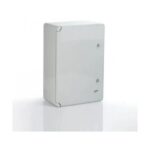
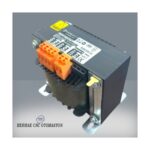
Industrial Communication Networks that enable all these components to communicate with each other are vital. Ethernet-based protocols (Profinet, EtherCAT, Modbus TCP/IP) offer high speed and bandwidth, while RS-485 based protocols (Modbus RTU, CANopen) provide simpler and more cost-effective solutions. The correct protocol selection directly affects system performance and integration capability. Additionally, components such as Emergency Stop Buttons, Safety Light Curtains, Safety Relays, and Safety PLCs should be included in the system design to ensure system safety. These safety components must be selected and integrated in accordance with international standards (e.g., ISO 13849, IEC 62061). Finally, Power Supplies that meet the system’s energy needs and Industrial Panels that protect all components from external factors are also integral parts of the automation system. Power supply efficiency, output voltage stability, short-circuit protection, and overload capacity are important. For panels, the IP rating, cooling system, and ergonomic structure should be considered.
| Parameter | Value/Description |
|---|---|
| PLC Processor Speed | Typically ranges from 10 ns/step to 100 ns/step. Should be selected according to application complexity. |
| HMI Screen Size | Various sizes from 3.5 inches to 21 inches, according to operator needs. |
| Servo Motor Torque Range | A wide range from 0.1 Nm to 200 Nm. Depends on application load and dynamic requirements. |
| Communication Protocols | EtherCAT, PROFINET, Modbus TCP/IP, CANopen, RS-485 (Modbus RTU). Selection is based on speed and integration needs. |
| Power Supply Efficiency | Typically 85% – 95%. Important for energy consumption and heat dissipation. |
| Digital Input/Output Count | From 8 to 512 in modular or compact structures. Should be planned according to application I/O needs. |
| Protection Class (IP Rating) | Between IP20 (inside panel) and IP67 (outdoor environment). Should be selected according to environmental conditions. |

Considerations for Field Implementation
- Correct Component Selection and Sizing: Detailed analysis of system requirements (speed, precision, load, cycle time) is vital for selecting each component (PLC, drive, motor, sensor) with the correct size and capacity. Oversizing leads to unnecessary costs and energy consumption, while undersizing can result in performance degradation and premature failures. Technical datasheets of products offered by Mermak CNC Market should be carefully reviewed, and selections should be made in line with manufacturer recommendations.
- Electrical Noise Management and Grounding: Industrial environments are exposed to high levels of electrical noise (EMI/RFI) originating from motor drives, contactors, and other power electronics devices. This noise can disrupt sensitive sensor signals and communication lines. Proper grounding techniques, the use of shielded cables, separation of signal and power cables, and the application of ferrite filters are critical to minimize these issues. Ground loops should be avoided, and all equipment should be connected to a single reference point.
- Software Architecture and Programming Standards: The PLC program, which is the heart of the automation system, should have a modular, understandable, and easy-to-maintain structure. Programming languages and structural approaches (function blocks, subroutines) compliant with IEC 61131-3 standards should be used. Detailed documentation of the program (comments, variable lists, I/O maps) is indispensable for future revisions and troubleshooting. Appropriate development environments and licenses for PLCs obtained from Mermak CNC Market should be determined in advance.
- Mechanical Integration and Assembly Quality: The physical assembly of automation components is crucial for the long-term and reliable operation of the system. Airflow and cooling systems (fans, air conditioners) inside the panels should prevent components from overheating. Cable trays and organized cabling are important for both aesthetics and ease of maintenance. In vibrating environments, special precautions should be taken to securely fasten components and prevent connections from loosening. IP-rated enclosures provide protection against dust, moisture, and chemicals.
- Compliance with Safety Standards and Risk Assessment: Industrial automation systems must be designed and installed in accordance with international safety standards (e.g., EN ISO 13849, IEC 62061) to ensure operator safety. Safety components such as emergency stop buttons, safety light curtains, door interlocks, and safety relays, available from Mermak CNC Market, should be determined and integrated as a result of a proper risk assessment. Safety PLCs are ideal for managing complex safety logic.
- Ease of Maintenance and Service: System design should consider easy access to components, quick replacement capabilities, and remote diagnostics. Maintenance-intensive items such as connection terminals, fuses, and indicator lights should be easily accessible. A spare parts strategy should be determined in advance, and critical parts should be stocked. Industrial modems or VPN solutions can be integrated for remote access.
- Data Management and Industry 4.0 Integration: Modern automation systems should offer not only control but also data collection and analysis capabilities. Production data (OEE – Overall Equipment Effectiveness, cycle times, fault frequency) can be collected and used for efficiency improvements and predictive maintenance. With Industrial PCs, SCADA software, and communication modules available from Mermak CNC Market, this data can be transferred to the company network or cloud-based platforms. Standards like OPC UA facilitate data exchange between different devices.
Common Problems and Solutions
Industrial automation systems can encounter various problems due to their complex structures. Anticipating these problems and providing quick solutions is essential to minimize production downtime.
- Communication Problems: One of the frequently encountered problems is communication interruptions between different automation components. This can result from incorrect cabling (lack of shielding, loose connections), IP address conflicts, incorrect protocol settings, or electromagnetic interference. Solution: Adhere to cabling standards (e.g., TIA/EIA-568), use shielded cables, and ensure proper grounding. Assign a unique IP address to each device, and match communication parameters (baud rate, parity, data bits) across all devices. Monitor packet loss and delays with network analyzers.
- Sensor/Actuator Failures: Contamination of sensors, mechanical damage, incorrect calibration, or electrical failures of actuators (motors, valves) are common. Solution: Sensors need regular cleaning and calibration. Protective measures should be taken against overloading or mechanical impacts. Electrical connections and power supplies of actuators should be checked, and functional tests should be performed with test equipment if necessary. Faulty components should be quickly replaced with spare parts available from Mermak CNC Market.
- Loss of Precision in Motion Control: Especially in servo or stepper motor-based systems, deviations in positioning accuracy can occur. This can be caused by mechanical backlash, incorrectly tuned PID (Proportional-Integral-Derivative) parameters, encoder failures, or tuning errors in the motor drive. Solution: Mechanical connections (couplings, gearboxes) should be checked, and backlash eliminated. The automatic tuning feature of the motor drive should be used, or PID parameters should be optimized manually. Encoder feedback signals should be checked with an oscilloscope, and faulty encoders replaced.
- PLC Program Errors: Logic errors, timing issues, memory overflow, or incorrect I/O addressing in the PLC program can lead to unexpected machine behavior. Solution: Detailed tests should be performed during the programming phase, and simulation tools should be used. In online monitoring mode, variable values and program flow should be tracked. If necessary, error detection can be done by running the program step-by-step (single step). The PLC’s user manual should be consulted for error messages and diagnostic codes.
- HMI Screen Freezes or Incorrect Data: HMI freezes, display of incorrect data, or unresponsiveness prevents the operator from properly managing the system. This usually results from communication interruptions, bugs in HMI software, power fluctuations, or overloading. Solution: Communication cables and protocol settings between the HMI and PLC should be checked. HMI software and firmware updates should be performed. A stable power supply should be used, and HMI system resources (CPU, memory) should be monitored. If necessary, the HMI should be restarted or reset to factory settings.
- Overheating: Overheating of components (PLC, drive, power supply) inside automation panels leads to performance degradation and reduced lifespan. Insufficient cooling, direct exposure of the panel to sunlight, or overloading of components can cause this situation. Solution: Airflow inside the panel should be optimized, and fans or panel air conditioners should be used. Thermal analyses should be performed to identify hot spots, and component placement should be reviewed. Ensure that component operating temperature limits are adhered to.
- Power Supply Problems: Failures or fluctuations in the power supplies, which are the main feed of the automation system, can cause the entire system to operate unstably or shut down. Voltage drops, overload, short circuits, or signs of aging may be observed. Solution: Input and output voltages of power supplies should be regularly checked with a multimeter. The load current should not exceed the nominal current value of the power supply. If necessary, power supply capacity should be increased, or a redundant power supply system should be installed. High-quality and industrial-standard power supplies should be preferred.
Expert Advice
Industrial automation systems form the backbone of modern manufacturing and can be built with various components available from reliable suppliers like Mermak CNC Market. The successful design, integration, and operation of these systems are possible not only through the selection of correct components but also with detailed engineering knowledge, field experience, and continuous learning. When starting an automation project, the scope, goals, and requirements of the project should first be clearly defined. Then, essential components such as PLCs, HMIs, motion control systems, sensors, actuators, and communication infrastructure should be meticulously selected, considering performance, cost, and future scalability. The wide range of products offered by Mermak CNC Market provides significant advantages to engineers in this selection process.
As expert advice, it is important to remember that automation systems require careful management not only during the installation phase but throughout their entire lifecycle. In software development processes, modularity, documentation, and compliance with standards are critically important for the long-term maintenance and development of the system. In field applications, utmost care should be given to issues such as electrical noise management, proper grounding, mechanical assembly quality, and compliance with safety standards. A comprehensive troubleshooting strategy and spare parts management plan should be established for the quick and effective resolution of potential failures. Furthermore, following the innovations brought by Industry 4.0 and IIoT, and integrating technologies such as data analysis and AI-supported predictive maintenance into automation systems, will increase the competitiveness of businesses. Mermak CNC Market provides the necessary hardware and software infrastructure in this technological transformation, enabling businesses to develop future-ready automation solutions. It should be noted that a successful automation project is directly related not only to technical competence but also to the collaboration and continuous training of the project team. Always focus on building safe, efficient, and sustainable automation systems by referencing the latest technical documents and manufacturer information.
FAQ
Why are industrial automation systems important for modern manufacturing?
Industrial automation systems improve efficiency by minimizing human error, standardizing product quality, and maximizing production capacity. They are crucial for achieving cost-effectiveness and staying competitive in manufacturing.
What are the main components of an industrial automation system?
Key components include Programmable Logic Controllers (PLCs) for logical control, Human-Machine Interfaces (HMIs) for operator interaction, servo or stepper motors and drives for precise motion, various sensors and actuators, and industrial communication networks for data exchange. Power supplies and industrial panels are also essential.
How should I select and size components for my automation project?
When selecting components, consider the application's speed, precision, load, and cycle time requirements. Review technical datasheets from Mermak CNC Market and follow manufacturer recommendations to avoid oversizing or undersizing, which can lead to unnecessary costs or performance issues.
What are some common problems encountered in industrial automation systems and how can they be addressed?
Common issues include communication problems (cabling, IP conflicts, EMI), sensor/actuator failures (contamination, damage), loss of motion control precision (backlash, tuning errors), PLC program bugs, HMI freezes, and overheating of components. Each has specific troubleshooting steps.
What are the best practices for ensuring the long-term reliability and safety of an automation system?
To ensure long-term reliability, focus on proper electrical grounding, shielded cabling, modular and well-documented software, high-quality mechanical assembly, and strict adherence to safety standards. Plan for easy maintenance, remote diagnostics, and a robust spare parts strategy.