




































































Are Chinese Spindle Motors Reliable? A Field Guide and Technical Article
📑 Table of contents (Click to open)
- Are Chinese Spindle Motors Reliable? Introduction and Technical Analysis
- Are Chinese Spindle Motors Reliable? Working Principle and Technical Data
- Are Chinese Spindle Motors Reliable? Field Considerations
- Are Chinese Spindle Motors Reliable? Common Problems and Solutions
- Are Chinese Spindle Motors Reliable? Conclusion and Expert Advice
- FAQ
Are Chinese Spindle Motors Reliable? Introduction and Technical Analysis
In the world of industrial automation, especially CNC machining, spindle motors are the heart of every machine. These critical components directly impact material processing quality, speed, and final product precision, also representing a significant investment cost. In recent years, Chinese-made spindle motors have attracted attention in the global market with their competitive prices and wide product range. However, there are varying opinions and concerns in the industry regarding the reliability, performance, and longevity of these products. This article aims to provide an objective perspective to industrial automation professionals and decision-makers by deeply analyzing the technical specifications, field performance, and user experiences of Chinese spindle motors. The goal is not just a price-focused evaluation, but to reveal the true potential and potential risks of these motors, helping to make informed investment decisions. While China’s manufacturing capacity and rapid technological development have largely changed the initial perception of “low quality,” a wide range of quality still exists in the market. Therefore, a detailed technical understanding and field experience are crucial for making the right choice.
Are Chinese Spindle Motors Reliable? Working Principle and Technical Data
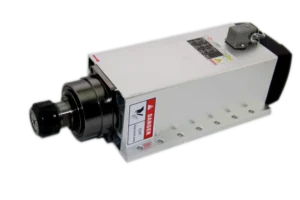
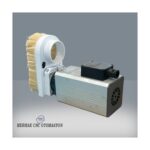
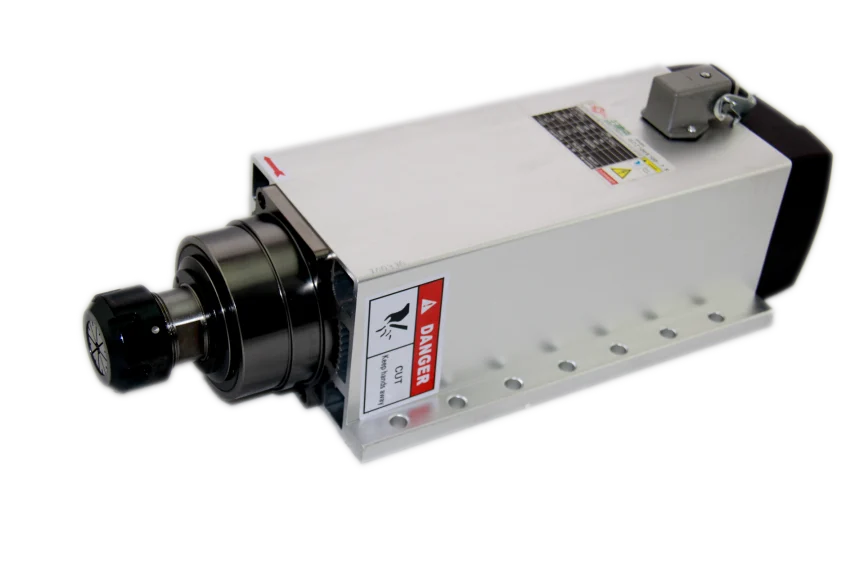
Spindle motors are essentially electric motors that provide power to cutting tools by rotating at high speeds. They typically operate on the principle of AC asynchronous motors or brushless DC (BLDC) motors and are controlled by a high-frequency Variable Frequency Drive (VFD). Key factors determining the performance of these motors include rotational speed (RPM), power (kW), torque (Nm), bearing type and quality, cooling system, and runout precision. Chinese spindle motors are generally available in power ranges from 2.2 kW to 9 kW and can reach high rotational speeds from 18,000 RPM to 24,000 RPM, and even up to 60,000 RPM in some special applications.
Technically, most of these motors use ceramic ball bearings designed for high-speed operations; however, standard steel bearings can also be found in low-cost models, which directly affects motor life and precision. Cooling systems are generally divided into two main types: air-cooled or water-cooled. Water-cooled systems usually offer better temperature control, allowing the motor to operate at high performance for longer periods and producing less noise. Air-cooled motors are simpler in terms of installation and maintenance but tend to overheat more, especially in dusty environments or during prolonged heavy-duty operations.
Runout precision is a critical parameter for machining quality and is usually expressed in microns (e.g., 0.01 mm or better). In Chinese motors, these values can vary greatly depending on the product’s quality. High-end Chinese brands offer precision close to global standards, while in cheaper alternatives, these values can become unacceptable. Their application areas are quite broad; they are preferred in many fields, from processing wood, plastic, aluminum, and light metals to PCB drilling and engraving applications. They are particularly attractive for small and medium-sized workshops and hobby users due to their cost-effective solutions. However, when selecting for continuous and heavy industrial production lines with expectations of reliability and longevity, paying attention to technical details and manufacturer references is vital.
| Parameter | Value/Description |
|---|---|
| Power Range | 0.8 kW – 9 kW (Common Models) |
| Max RPM | 18,000 – 24,000 RPM (Standard), 60,000 RPM (Special Applications) |
| Voltage | 220V / 380V AC (3 Phase) |
| Frequency | 300 Hz – 400 Hz (Adjustable with VFD) |
| Cooling Type | Air-Cooled / Water-Cooled |
| Bearing Type | Typically Ceramic Ball (4 pcs), sometimes Steel Ball |
| Runout Precision | ≤ 0.01 mm (Good Quality), ≤ 0.02 mm (Medium Quality) |
| Collet Type | ER11, ER16, ER20, ER25, ER32 (Varies by Application) |
Are Chinese Spindle Motors Reliable? Field Considerations
- Correct Spindle and VFD Matching: The reliability and lifespan of a spindle motor are directly related to its proper matching with the VFD (Variable Frequency Drive). The VFD must be compatible with the motor’s nominal power, voltage, and maximum frequency. Incorrect matching can lead to motor overheating, inefficient operation, and premature failure. Especially with Chinese-made products, correct VFD parameter settings are crucial; manufacturer instructions must be followed strictly, and expert assistance should be sought if necessary.
- Effective Cooling System Setup: Spindle motors generate a significant amount of heat due to their high-speed operation. Insufficient cooling shortens bearing life, damages motor winding insulation, and reduces motor performance. For water-cooled motors, using a high-quality water pump, a sufficiently sized water tank, and an antifreeze-containing coolant is vital. For air-cooled motors, ensure adequate airflow and that the motor’s fan inlets are not blocked by dust or chips. Regular cleaning and coolant replacement play a critical role here.
- Bearing Maintenance and Replacement: Bearings in spindle motors are the most subject to wear and are usually the first components to fail. Bearing quality can vary greatly in Chinese motors. High-quality ceramic bearings offer longer life and better precision, while low-quality steel bearings can wear out quickly. Periodic bearing inspection and replacement, if necessary, should be performed according to the motor’s operating hours. When replacing bearings, opting for higher quality bearings that match original specifications can significantly extend the motor’s life.
- Proper Mounting and Vibration Control: Correct and secure mounting of the spindle motor to the machine is essential to minimize vibrations. Improper mounting can lead to excessive vibrations, damaging the motor’s bearings, collet, and even machining quality. The flatness of the mounting surface and the tight securing of the motor are important. Additionally, proper tool installation and balancing play a significant role in reducing vibrations. Abnormal noises or vibrations during machining can indicate a potential problem.
- Electrical Connections and Grounding: Electrical connections between the spindle motor and VFD must be correctly made, and cables of appropriate thickness should be used. High-frequency signals from the VFD can particularly affect other electronic components. Therefore, a good grounding system and the use of shielded cables reduce electrical noise (EMI/RFI), increasing the overall stability of the system. Loose or incorrect connections can cause irregular motor operation or damage.
- Operating Environment and Cleanliness: The cleanliness and temperature control of the spindle motor’s operating environment are also important. Excessive dust, chips, or moisture can penetrate the motor’s internal mechanisms, leading to short circuits or bearing contamination. Regularly cleaning the motor’s exterior surface and cooling channels enhances its performance and lifespan. Extremely hot or cold environments can also negatively affect the performance of the motor and VFD.
Are Chinese Spindle Motors Reliable? Common Problems and Solutions
Here are common problems that may be encountered with Chinese spindle motors and suggested solutions:
1. Overheating: Motor overheating shortens bearing life and damages motor windings.
- Solution: Check the cooling system. If water-cooled, check water flow, water level, and pump operation. If air-cooled, ensure the fan is clean and air inlets/outlets are not obstructed. Verify that VFD parameters (especially maximum frequency and voltage) match the motor’s technical specifications. Allow the motor to rest periodically during prolonged high-load operations.
2. High Noise and Vibration: A motor operating louder or vibrating more than usual typically indicates a mechanical problem.
- Solution: Check the bearings. Worn or damaged bearings are the most common cause of noise and vibration. Replace bearings if necessary. Ensure the motor mounting is secure and not loose. Check if the cutting tool is balanced; unbalanced tools can cause severe vibration. Ensure the collet grips the tool correctly.
3. No Power from Spindle or Low Performance: The motor fails to produce desired power or reach target RPM.
- Solution: Check VFD settings. Maximum frequency, voltage, and acceleration/deceleration ramps must be set correctly. Check electrical connections and cables; loose or damaged cables can cause power loss. Use a multimeter to check for short circuits or breaks in motor windings. Test the VFD for faults with another motor or consult an expert.
4. High Runout Value: Tool wobbling during machining leads to poor machining quality and reduced tool life.
- Solution: Ensure the collet and collet nut are clean and undamaged. Check that the collet grips the tool correctly and tightly. Check the motor shaft itself for bending or excessive play in the bearings. In this case, bearing replacement or motor shaft inspection may be necessary. Using high-quality collets and collet nuts can effectively reduce runout.
5. VFD Error Codes: The frequency converter displays various error codes.
- Solution: Refer to the VFD’s user manual to understand what the error code means. These codes typically indicate issues such as overcurrent, overvoltage, undervoltage, motor overload, or phase error. Follow the steps in the manual to resolve the respective issue. Carefully check the electrical supply, motor connections, and VFD parameters.
6. Leakage in Water-Cooled Motors: Coolant leaking from the motor or hose connections.
- Solution: Check hose connections and clamps, tighten loose ones or replace them. Check seals at the motor’s water inlet/outlet ports, replace if damaged. In some cases, there may be cracks in the motor’s internal cooling channels; in this situation, motor repair or replacement may be necessary.
Are Chinese Spindle Motors Reliable? Conclusion and Expert Advice
This detailed examination of the reliability of Chinese spindle motors reveals a complex picture dependent on a variety of factors, rather than a single clear answer. Initially associated with a perception of “cheap and low quality,” Chinese manufacturing has undergone a significant transformation in recent years due to technological advancements and global competition. Today, the Chinese market offers both high-end brands that deliver world-class performance and reliability, as well as lower-cost products that still compromise on quality. This situation necessitates that buyers be informed and diligent in their research.
From an expert perspective, Chinese spindle motors can offer highly cost-effective and sufficiently reliable solutions for many industrial automation applications when the right choices are made and appropriate operating conditions are maintained. They present an attractive option, especially for small and medium-sized businesses, R&D projects, or hobbyist uses. However, for long-term, continuous, and high-precision industrial production lines, Total Cost of Ownership (TCO) and production continuity should take precedence over initial cost. In such critical applications, opting for products from more established and proven brands can lead to fewer problems and higher efficiency in the long run.
In summary, when selecting a Chinese spindle motor, the following points should be considered: The reputation of the manufacturer or seller and customer reviews should be meticulously examined, technical specifications (especially bearing type, runout precision, and cooling system) should be compared in detail, and warranty conditions and after-sales support services must be inquired about. Furthermore, selecting and installing a compatible VFD, an effective cooling system, regular maintenance, and correct operating conditions are critical factors that directly influence the lifespan and reliability of your spindle motor. It should not be forgotten that even the best product will experience performance degradation if used incorrectly or not maintained. By paying attention to the points mentioned in this guide, you can achieve maximum efficiency from Chinese spindle motors and use them confidently in your production processes. Request a quote on WhatsApp today to learn more about our industrial CNC router solutions.
FAQ
Are all Chinese spindle motors unreliable?
The reliability of Chinese spindle motors varies significantly. High-end Chinese brands offer performance and precision comparable to global standards, while cheaper alternatives may compromise on quality. It's crucial to research the manufacturer's reputation, technical specifications, and after-sales support.
What technical specifications should I look for in a Chinese spindle motor?
Key technical specifications to consider include power (kW), maximum RPM, bearing type (ceramic vs. steel), runout precision (e.g., ≤ 0.01 mm), and the cooling system (air-cooled vs. water-cooled). These factors directly impact performance, lifespan, and machining quality.
What are the most common problems with Chinese spindle motors and how can they be solved?
Common issues include overheating, excessive noise and vibration, low power output, high runout, and VFD error codes. Solutions often involve ensuring proper VFD matching, effective cooling, regular bearing maintenance, correct mounting, and checking electrical connections.
How can I maximize the lifespan and reliability of a Chinese spindle motor?
For optimal performance and longevity, ensure proper VFD matching, maintain an effective cooling system, perform regular bearing maintenance, ensure correct and secure mounting to minimize vibrations, and verify proper electrical connections and grounding. Also, keep the operating environment clean and control its temperature.
Should I choose an air-cooled or water-cooled Chinese spindle motor?
Water-cooled spindle motors generally offer better temperature control, allowing for longer high-performance operation and producing less noise. Air-cooled motors are simpler to install and maintain but may be more prone to overheating in dusty environments or during prolonged heavy use.