No products in the cart.
Is Antifreeze Use Correct for Water-Cooled Spindles?
Contents
- Is Antifreeze Use Correct for Water-Cooled Spindles? Introduction and Technical Analysis
- Is Antifreeze Use Correct for Water-Cooled Spindles? Operating Principle and Technical Data
- Is Antifreeze Use Correct for Water-Cooled Spindles? Field Considerations
- Is Antifreeze Use Correct for Water-Cooled Spindles? Common Problems and Solutions
- Is Antifreeze Use Correct for Water-Cooled Spindles? Conclusion and Expert Advice
- FAQ
Is Antifreeze Use Correct for Water-Cooled Spindles? Introduction and Technical Analysis
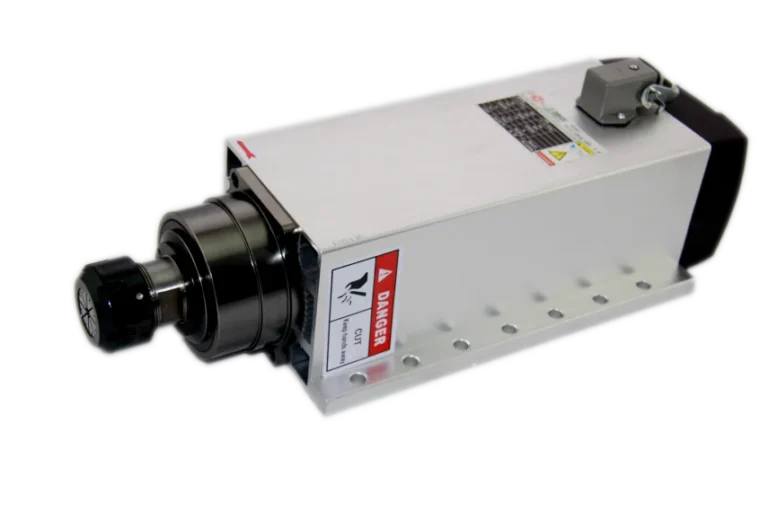
CNC router machines and high-precision machining centers, central to industrial automation, largely depend on the stable operation of their critical components for performance. Foremost among these components is the **water-cooled spindle**. Spindles generate significant heat during high-speed operation, and effective heat dissipation directly impacts machining accuracy, tool life, and, most importantly, the spindle’s own lifespan. Thermal management is an indispensable part of these systems. Traditionally, purified water is used in these cooling systems. However, especially in cold climates or specific industrial environments, the risk of water freezing becomes a serious concern. At this point, the question arises: “Is antifreeze use correct for water-cooled spindles?” This question involves complex engineering and operational factors that cannot be answered with a simple “yes” or “no.” Antifreeze use, while providing freeze protection, can significantly affect fundamental operating parameters such as the system’s **thermal conductivity**, **viscosity**, **corrosion** resistance, and **cavitation** risk. This guide will delve into all technical aspects, advantages, disadvantages, and critical field considerations of antifreeze use for experts and practitioners in the industrial automation sector. Our goal is to provide a comprehensive technical framework to enable informed decision-making.
Is Antifreeze Use Correct for Water-Cooled Spindles? Operating Principle and Technical Data
Water-cooled spindles typically operate with a closed-loop cooling system. This system is based on the principle that heat generated within the spindle is absorbed by a cooling fluid (usually water), transported to an external **chiller** unit, and then transferred to the air or another cooling medium. The cooling fluid circulating through the channels inside the spindle absorbs heat from the heated surfaces, returns to the chiller, where it is cooled, and then sent back to the spindle. This cycle ensures the spindle remains within its optimum operating temperature range. An ideal cooling fluid should have high **specific heat capacity**, high **thermal conductivity**, low **viscosity**, non-corrosive properties, low vapor pressure, and a wide liquid phase temperature range. Purified water perfectly meets most of these characteristics; thanks to its high specific heat capacity and thermal conductivity, it can transfer heat very efficiently. However, its tendency to freeze at temperatures below 0°C poses a serious risk of damage, especially in cold operating environments or when the system is shut down during winter months. Frozen water can expand, causing permanent damage to the spindle’s internal channels, pumps, and piping. Antifreeze solutions, known as glycol-based solutions (most commonly **monoethylene glycol (MEG)** or **propylene glycol (MPG)**), are used to lower the freezing point of water. When these glycols are mixed with water, they prevent water molecules from crystallizing, significantly reducing the freezing point. However, this freezing point depression comes with certain technical trade-offs. Glycol solutions have lower **thermal conductivity** and higher **viscosity** compared to pure water. This directly affects the efficiency of the cooling system. Lower thermal conductivity may require a larger fluid volume or a lower inlet temperature to transfer the same amount of heat. Higher viscosity can lead to increased pump energy consumption, reduced flow rate, and even an increased risk of **cavitation**. Cavitation is a phenomenon where vapor bubbles form in the liquid in low-pressure regions and then rapidly collapse in high-pressure regions. This can cause wear and damage to pump impellers and other system components. Furthermore, glycol solutions can cause **corrosion** in metal components (copper, aluminum, brass, etc.) in the system if proper inhibitors are not added or if used in incorrect concentrations. Industrial-grade antifreezes typically contain corrosion inhibitors, pH buffers, and biocides, but the depletion of these inhibitors over time or incorrect product selection can increase the risk of corrosion. Therefore, antifreeze selection should not only provide freeze protection but also ensure the long-term health of the system. The recommendations of spindle and chiller manufacturers are vital for the correct solution to this complex equation.
| Parameter | Value/Description |
|---|---|
| Coolant Type | Pure Purified Water vs. 30% Ethylene Glycol Solution |
| Thermal Conductivity (25°C) | Water: ~0.60 W/mK | 30% EG: ~0.45 W/mK (Heat transfer efficiency can decrease by up to 25%) |
| Specific Heat Capacity (25°C) | Water: ~4.18 kJ/kg°C | 30% EG: ~3.50 kJ/kg°C (Heat carrying capacity decreases by 15-20%) |
| Viscosity (25°C) | Water: ~0.89 mPa·s | 30% EG: ~1.50 mPa·s (Increased pump load and flow resistance) |
| Freezing Point | Water: 0°C | 30% EG: ~ -15°C (Lower freezing points can be achieved depending on concentration) |
| Boiling Point | Water: 100°C | 30% EG: ~105°C (Varies with system pressure and concentration) |
| Corrosion Risk | Pure water: Low (but increases with oxygen) | 30% EG: High without inhibitors, low with inhibitors |
| Pump Life Impact | Pure water: Optimal | 30% EG: Potential shortening due to increased load |
| System Cleanliness | Pure water: Risk of biological growth | 30% EG: Better if contains biocide, but old glycol can form sludge |
Is Antifreeze Use Correct for Water-Cooled Spindles? Field Considerations
- Correct Antifreeze Selection and Concentration: Many different types of antifreeze are available on the market. For spindle cooling systems, **industrial-grade, low-conductivity, and specially inhibited glycol-based (MEG or MPG) antifreezes** must be preferred. Automotive antifreezes typically contain silicate-based inhibitors, which can form precipitates over time, clogging or corroding cooling channels. Manufacturer-specified concentration ratios must be strictly adhered to. Excessive dilution reduces freeze protection, while excessive concentration lowers thermal performance and increases viscosity. Using a **refractometer** to measure the freezing point is the most reliable way to ensure correct concentration.
- Thermal Performance Reduction and Chiller Capacity: Glycol-based solutions have lower thermal conductivity than pure water. This leads to a reduction in the heat transfer capacity from the spindle. If the system’s original design is suitable for pure water operation, antifreeze use can lead to insufficient spindle cooling and overheating. To minimize this risk, ensure the chiller unit’s capacity is sufficient, and if necessary, recalibrate chiller settings (e.g., by lowering the outlet water temperature). It is critical to consult the spindle manufacturer for recommended operating temperatures and flow rates for the specific antifreeze type and concentration used.
- Corrosion and Material Compatibility: The inhibitors in antifreeze are designed to protect different metal types (aluminum, copper, brass, steel) in the system from corrosion. However, not all antifreezes are compatible with all materials. Incorrect antifreeze selection or depletion of inhibitors over time can lead to severe corrosion damage in the system. Especially for spindles containing aluminum components, products formulated with **Organic Acid Technology (OAT)** or **Hybrid Organic Acid Technology (HOAT)** inhibitors should be preferred. The pH level and inhibitor levels of the cooling fluid should be regularly checked and replaced at recommended intervals.
- Viscosity, Pump Load, and Flow Rate: Glycol solutions are more viscous than pure water. This means the pump has to work harder to maintain the same flow rate. Increased viscosity increases pressure drop in the system and potentially reduces the flow rate. A reduced flow rate further decreases heat transfer efficiency and increases the risk of spindle overheating. Additionally, high viscosity can increase the risk of **cavitation** within the pump, shortening its lifespan. The cooling system’s pump should be capable of handling the increased viscosity of glycol solutions. Flow rate sensors and pressure gauges in the system should be regularly monitored for abnormalities.
- Maintenance, Monitoring, and Replacement Intervals: Antifreeze cooling systems require more careful maintenance and monitoring than pure water systems. The color, clarity, pH level, freezing point, and inhibitor levels of the cooling fluid should be regularly checked. Contamination, sludge formation, or discoloration can be a sign of antifreeze degradation or inhibitor depletion. Manufacturer-recommended replacement intervals (typically 1-3 years) should be followed, and proper disposal of old antifreeze should be ensured.
- System Cleaning and Air Bleeding: Before antifreeze replacement or if there are signs of corrosion/deposits in the system, it is important to flush the system with an appropriate cleaner. Additionally, glycol solutions may tend to retain air bubbles longer than pure water. Air remaining in the system reduces cooling efficiency and increases the risk of cavitation. After filling with antifreeze, the system should be carefully bled of air and run for a period to ensure all air is expelled.
Is Antifreeze Use Correct for Water-Cooled Spindles? Common Problems and Solutions
Problems encountered with antifreeze use are generally associated with incorrect application, inadequate maintenance, or unsuitable product selection. Recognizing these problems and implementing correct solutions is vital for production continuity and equipment lifespan. Problem 1: Spindle Overheating and Performance Loss Scenario: After adding antifreeze to the system to prevent freezing in winter, the spindle is observed to operate at higher than normal temperatures or trigger alarms. Decreases in machining accuracy are experienced. Causes: The most common reasons are the lower thermal conductivity and specific heat capacity of antifreeze compared to pure water. Additionally, high viscosity can further negatively impact heat transfer by reducing the flow rate. Chiller settings may not have been optimized for the new thermal properties of the antifreeze. Incorrect concentration can also lead to this situation. Solutions: First, check the type and concentration of the antifreeze used with a refractometer. If necessary, adjust the concentration to the manufacturer’s recommended range. Recalibrate the chiller unit’s settings according to the thermal properties of the antifreeze mixture; this usually means lowering the chiller outlet temperature by a few degrees. Check the pump’s flow rate; if there is a decrease, review the pump capacity or blockages in the system. If necessary, consider a higher capacity chiller or pump. Problem 2: Corrosion, Deposits, or Clogs in the Cooling System Scenario: The cooling fluid’s color has changed (a rusty or muddy appearance), there are particles or deposit formation in the system. Filters are frequently clogged, and there is suspicion of scale-like deposits forming in the spindle’s internal channels. Causes: Using the wrong type of antifreeze (e.g., automotive antifreezes), depletion of inhibitors over time, not replacing antifreeze for too long, or adding dirty water or incompatible chemicals to the system leads to corrosion and deposit formation. Corrosion products and depleted inhibitors form sludge and deposits. Solutions: Regularly check the pH level and inhibitor concentration of the cooling fluid with test kits. If levels are low or there are signs of corrosion, completely drain the old antifreeze. Clean the system with an appropriate industrial cooling system cleaner and rinse thoroughly with plenty of water. Then, fill with a new industrial antifreeze solution with correct inhibitors, approved by the spindle and chiller manufacturer. Regularly check and replace filters. Problem 3: Pump Failures, Noise, or Low Flow Pressure Scenario: Abnormal noises (hissing, grinding) are coming from the cooling pump, flow pressure has dropped, or the pump has completely failed. Causes: High-viscosity glycol solutions can cause the pump to work harder, shortening its lifespan. Air bubbles in the system, especially on the pump suction side, can lead to **cavitation**, causing wear and noise in the impellers. Additionally, clogged filters or piping can increase flow resistance, putting extra load on the pump. Solutions: First, completely bleed air bubbles from the system. Check the pump’s operation; abnormal noises can be a sign of cavitation or mechanical failure. If necessary, disassemble the pump and check the impellers and seals. If there is cavitation damage, consider using a lower viscosity antifreeze solution or installing a higher discharge capacity pump. Ensure filters and piping are not clogged. The pump’s motor power should be compatible with the viscosity of the antifreeze solution used. Problem 4: Low Freeze Protection and Freezing Risk Scenario: Despite having antifreeze in the system, signs of freezing (stoppage of flow, cracked pipes) are observed in extreme cold. Causes: The antifreeze concentration may be insufficient, or the wrong type of antifreeze may have been used. While water loss due to evaporation over time can increase concentration, adding pure water to the system can raise the freezing point. Solutions: Measure the freezing point of the cooling fluid with a refractometer. Add the correct proportion of glycol to achieve the manufacturer’s recommended freeze protection level. Make freezing point checks a standard part of regular maintenance. This check is vital, especially before winter. Instead of adding pure water to the system, prefer using pre-prepared, correctly concentrated glycol-water mixtures.
Is Antifreeze Use Correct for Water-Cooled Spindles? Conclusion and Expert Advice
The use of antifreeze in water-cooled spindle systems can be an unavoidable necessity, especially in operating or storage conditions below 0°C, to eliminate the risk of freezing. However, this solution comes with a series of engineering trade-offs and requires careful planning and implementation. The answer to the question “Is it correct?” can be summarized as “yes, but with the right product and the right application,” depending on the conditions. As expert advice, it is essential to consider the following critical points when deciding on antifreeze use:
- Perform a Risk Analysis: Evaluate the lowest temperatures your spindle will be exposed to and the reality of freeze risk. If there is no freeze risk, pure purified water generally offers the best cooling performance.
- Use Manufacturer-Approved Products: First and foremost, use the antifreeze types and concentrations recommended or approved by your spindle and chiller manufacturers. This is the safest way to preserve warranty conditions and ensure system material compatibility. Absolutely avoid automotive antifreezes.
- Industrial-Grade Glycols: Preferably, choose low-conductivity industrial-grade monoethylene glycol (MEG) or propylene glycol (MPG) solutions containing corrosion inhibitors, pH buffers, and biocides. Propylene glycol is less toxic than ethylene glycol, making it a safer option environmentally and health-wise in case of potential leaks.
- Maintain Correct Concentration: Correct concentration is vital to optimize the antifreeze’s freezing point and thermal performance. Regularly check the concentration with a refractometer and make necessary adjustments.
- Review Chiller Settings: Due to differences in the thermal properties of antifreeze, the chiller unit’s temperature and flow settings may need to be re-optimized. Lowering the chiller outlet temperature is a common practice to prevent spindle overheating.
- Regular Maintenance and Monitoring: Antifreeze systems require regular monitoring for pH, inhibitor levels, contamination, and freezing point. Replacing antifreeze at specified intervals is essential for protecting the system from corrosion and maintaining optimal performance.
- System Cleaning and Air Bleeding: During antifreeze changes or when signs of problems are observed in the system, thorough cleaning of the system and careful bleeding of all air are critical for long-lasting and efficient operation.
In summary, for water-cooled spindles, antifreeze use is a valuable solution that protects your equipment from freeze damage in cold environments when managed with correct product selection, proper application, and regular maintenance. However, mistakes made during this process can lead to reduced cooling efficiency, corrosion, pump failures, and even permanent damage to the spindle. Therefore, every expert working in the industrial automation sector must be proficient in these technical details and manage their systems with a proactive approach, which is of great importance for both production continuity and investment protection.
FAQ
Is it always correct to use antifreeze in a water-cooled spindle?
Using antifreeze in a water-cooled spindle is generally correct and necessary in environments where temperatures can drop below 0°C to prevent freezing and potential damage. However, it's crucial to use industrial-grade glycol-based antifreeze with appropriate inhibitors, maintain the correct concentration, and adjust chiller settings to account for changes in thermal properties. Automotive antifreezes are not suitable.
What are the disadvantages of using antifreeze in a water-cooled spindle system?
The main disadvantage is a reduction in thermal transfer efficiency due to lower thermal conductivity and higher viscosity of glycol solutions compared to pure water. This can lead to increased pump load, reduced flow rates, potential spindle overheating if the chiller capacity isn't adjusted, and increased risk of corrosion if the wrong type of antifreeze or depleted inhibitors are used.
What type of antifreeze should be used for a water-cooled CNC router spindle?
You should use industrial-grade monoethylene glycol (MEG) or propylene glycol (MPG) based antifreeze specifically formulated for cooling systems, containing corrosion inhibitors, pH buffers, and biocides. Propylene glycol is often preferred for its lower toxicity. Always consult your spindle and chiller manufacturer's recommendations for approved products and concentrations. Avoid automotive antifreezes as they can cause system damage.
What maintenance is required when using antifreeze in a spindle cooling system?
Regular maintenance for antifreeze systems includes checking the antifreeze concentration with a refractometer, monitoring pH levels, inspecting for signs of contamination or discoloration, and ensuring inhibitor levels are adequate. The antifreeze should be replaced at manufacturer-recommended intervals, typically every 1-3 years. Also, ensure the system is properly bled of air after filling.
My spindle is overheating after adding antifreeze. What should I do?
If your spindle is overheating after adding antifreeze, first check the antifreeze concentration with a refractometer and adjust it to the manufacturer's recommended range. Then, recalibrate your chiller settings, potentially lowering the outlet temperature by a few degrees to compensate for the antifreeze's reduced thermal conductivity. Also, inspect the pump for proper flow rate and ensure there are no blockages or air in the system.