



































































Understanding Aluminum Chip Adhesion in CNC Machining

📑 Table of contents (Click to open)
Aluminum chip adhesion, also known as Built-Up Edge (BUE), is a common challenge in CNC machining. It occurs when aluminum chips stick to the cutting tool, workpiece, or machine, leading to reduced surface finish, increased cutting forces, and shorter tool life. This article delves into the causes, technical principles, and practical solutions for preventing chip adhesion in industrial CNC router operations.
Practical notes for CNC router, automation and industrial motion systems.
What is Aluminum Chip Adhesion in CNC Machining?
In industrial automation and CNC machining processes, aluminum chip adhesion is a frequent and costly issue. This phenomenon occurs when aluminum chips generated during the cutting process adhere to the edges of the cutting tool, the surface of the workpiece, or machine components. Chip adhesion is more than just an aesthetic problem; it leads to significant operational disruptions, reduced production quality, and a dramatic decrease in tool life. At its core, it stems from the unique physical and mechanical properties of aluminum combined with incompatible machining parameters. Aluminum’s high thermal conductivity and low melting point, coupled with its softness and ductility, can lead to excessive heat buildup in the cutting zone, especially under inadequate cooling and lubrication conditions. This heat can cause the chip to effectively weld to the cutting edge, forming a Built-Up Edge (BUE). BUE distorts the tool geometry, increases cutting forces, and degrades the quality of the machined surface. This directly impacts the precision and efficiency of automated systems, leading to unpredictable downtime and increased costs.
Technical Principles Behind Chip Adhesion
Understanding the mechanisms behind aluminum chip adhesion is crucial for efficient and trouble-free aluminum machining in automated systems.
- Material Properties and Chemical Affinity: Aluminum’s high ductility and low hardness make it prone to adhering to cutting tools under high pressure and temperature. During machining, aluminum chips can exhibit chemical affinity with the cutting tool material (e.g., high-speed steel or carbide), leading to micro-welding on the tool surface and facilitating chip adhesion. Unalloyed or low-alloyed aluminum grades are particularly susceptible.
- Cutting Parameters and Heat Generation:
- Cutting Speed (Vc): Very low cutting speeds increase friction and heat buildup, promoting BUE formation. While very high speeds can accelerate tool wear, they generally tend to reduce BUE. An optimal cutting speed range is essential.
- Feed Rate (f) and Chip Thickness: Low feed rates result in longer contact times between the tool and material, producing thinner chips. These thinner chips are less rigid, deform easily, and tend to adhere to the cutting edge. Higher feed rates produce thicker chips, which can carry heat away more effectively, but may lead to excessive vibration or tool breakage.
- Depth of Cut (ap): The depth of cut influences chip volume and heat generation. Very shallow cuts can increase the risk of chip adhesion, while deep cuts can make chip evacuation more challenging.
- Cutting Tool Geometry: The tool’s geometry plays a vital role in chip formation and evacuation.
- Rake Angle: High positive rake angles reduce cutting forces, facilitate chip flow, and lower heat generation. For aluminum machining, angles between +10° and +25° are often preferred.
- Clearance Angle: Adequate clearance prevents rubbing between the tool and workpiece, reducing friction and heat buildup.
- Cutting Edge Preparation: Sharp cutting edges minimize friction and heat. Dull or worn edges increase friction and adhesion.
- Tool Coatings: Specialized coatings, such as Diamond-Like Carbon (DLC) or TiN, reduce the coefficient of friction and chemical affinity, preventing chip adhesion.
- Coolant (Cutting Fluid) and Application: The primary functions of coolant are to dissipate heat, reduce friction, and flush away chips.
- Type: For aluminum, cutting fluids with high lubricity, such as water-soluble synthetic or semi-synthetic oils, are typically recommended. Water-based coolants alone may offer insufficient lubrication.
- Application: High-pressure, correctly directed coolant flow is essential to penetrate the cutting zone, dissipate heat, and evacuate chips. Inadequate or misdirected coolant can exacerbate the problem.
- Chip Control and Evacuation: Long, tangled chips tend to accumulate in the cutting zone, adhering to the tool and workpiece. Using tools with chip-breaker geometries or appropriate cutting parameters to produce short, broken chips significantly reduces adhesion. Automated chip conveyors and effective chip evacuation systems are also critical.
- Machine Rigidity and Vibrations: Insufficient machine rigidity or excessive vibrations can destabilize the cutting process, leading to uneven cutting forces and tool chatter, which promotes BUE and chip adhesion.
Key Technical Data for Aluminum Machining
| Parameter | Value/Description |
|---|---|
| Material Hardness | Varies by alloy (e.g., ~95 HB for 6061 T6). Softer alloys are more prone to adhesion. |
| Cutting Speed (Vc) | Typically 200-1000 m/min (600-3000 sfm). Very low speeds increase BUE; high speeds can improve surface finish but increase wear. |
| Feed Rate (f) | 0.05-0.3 mm/rev (0.002-0.012 ipr). Controls chip thickness to reduce adhesion. |
| Rake Angle | Positive angles preferred (+10° to +25°). Facilitates chip flow. |
| Cutting Edge Preparation | Sharp, honed edges or light honing (max 0.02 mm). Minimizes BUE. |
| Coolant Type | High lubricity, water-soluble synthetic/semi-synthetic oils. MQL or high-pressure systems can be effective. |
| Tool Coating | DLC (Diamond-Like Carbon) or TiN/TiAlN based coatings reduce friction and chemical affinity. |
Practical Considerations for Preventing Chip Adhesion
- Cutting Tool Selection and Maintenance:
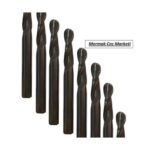
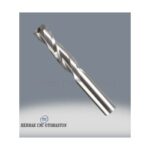
Utilize carbide tools specifically designed for aluminum machining, featuring high positive rake angles, sharp edges, and preferably polished surfaces. Tool coatings, especially DLC, are highly effective in reducing friction and preventing adhesion. Regular inspection and timely replacement or sharpening of tools before they become dull are fundamental steps to prevent BUE formation and subsequent chip adhesion. A dull tool generates excessive heat and friction, increasing the risk of adhesion.
- Cooling and Lubrication Management:
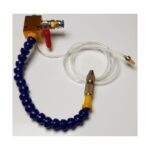
Beyond using the correct coolant type, its proper application is critical. Directing high-pressure, sufficient-flow coolant to the cutting zone effectively removes heat and actively flushes chips away. In deep pockets or confined areas, coolant accessibility is paramount. Minimum Quantity Lubrication (MQL) systems can offer environmental benefits and effective lubrication to reduce adhesion in specific applications.
- Optimization of Machining Parameters:
Parameters such as cutting speed, feed rate, and depth of cut directly influence aluminum chip adhesion. Generally, higher cutting speeds and appropriate feed rates are preferred for aluminum. Very low cutting speeds can trigger BUE formation, while excessively high speeds may accelerate tool wear. Controlling chip thickness through feed rate is crucial; thicker chips generally carry more heat away from the cutting zone. Experimentation within recommended ranges is often necessary to find the optimal balance for specific alloys and operations.
- Effective Chip Evacuation:
Ensure your CNC router machine is equipped with an efficient chip removal system. This includes proper coolant flow, chip conveyors, and potentially air blasts to keep the cutting zone clear of accumulated chips. Poor chip evacuation is a primary contributor to chip welding onto the tool and workpiece.
- Workpiece Material Considerations:
Different aluminum alloys have varying machining characteristics. Softer, more ductile alloys are more prone to chip adhesion. Understanding the specific alloy being machined and adjusting parameters accordingly is essential. For instance, machining free-machining alloys like 2011 or 6026 often requires different strategies than machining structural alloys like 6061 or 7075.
By carefully selecting cutting tools, optimizing machining parameters, ensuring effective cooling and lubrication, and managing chip evacuation, manufacturers can significantly mitigate the problems associated with aluminum chip adhesion. This leads to improved surface finish, extended tool life, and more reliable production runs on your industrial CNC router.
Ready to optimize your aluminum machining operations? Request a quote on WhatsApp today and let our experts help you find the perfect CNC solution.
Related product categories: Electronics · Combination Packages