No products in the cart.
10 Profitable Business Ideas with a CNC Router Machine
Contents
- Introduction and Technical Analysis With the rapid rise of industrial automation and digital manufacturing, CNC (Computer Numerical Control) router systems have become indispensable production tools across a wide spectrum, from small-scale workshops to large industrial facilities. This technology eliminates the limitations of traditional manual labor, enabling the realization of complex designs with high precision, repeatability, and speed. A CNC router machine translates designs prepared with computer-aided design (CAD) software into machine language, known as G-code, via computer-aided manufacturing (CAM) software. This G-code precisely controls the movement of the cutting tool in three-dimensional space with millimeter accuracy. This allows for cutting, engraving, drilling, and shaping operations on various materials such as wood, plastics, composite materials, and aluminum. As industrial automation specialists, we will thoroughly examine 10 popular business ideas that leverage the potential of CNC routers to enable entrepreneurs and small businesses to generate sustainable income, analyzing the technical depths of this technology. This guide will not only present business ideas but also serve as a comprehensive resource equipped with field experience and technical insights. Operating Principle and Technical Specifications
- 10 Popular Profitable Business Ideas with a CNC Router
- 1. Custom Furniture and Decorative Product Manufacturing
- 2. Signage and Advertising Panel Production
- 3. Prototyping and Model Making
- 4. Gift Items and Personalized Products
- 5. Mold and Fixture Production
- 6. Artistic Applications and Sculpture
- 7. Woodworking and Carpentry Support Services
- 8. Training and Workshop Services
- 9. Custom Packaging and Box Production
- 10. Stage Props and Event Materials
- Field Considerations
- Common Problems and Solutions
- Expert Advice
- FAQ
Introduction and Technical Analysis
With the rapid rise of industrial automation and digital manufacturing, CNC (Computer Numerical Control) router systems have become indispensable production tools across a wide spectrum, from small-scale workshops to large industrial facilities. This technology eliminates the limitations of traditional manual labor, enabling the realization of complex designs with high precision, repeatability, and speed. A CNC router machine translates designs prepared with computer-aided design (CAD) software into machine language, known as G-code, via computer-aided manufacturing (CAM) software. This G-code precisely controls the movement of the cutting tool in three-dimensional space with millimeter accuracy. This allows for cutting, engraving, drilling, and shaping operations on various materials such as wood, plastics, composite materials, and aluminum. As industrial automation specialists, we will thoroughly examine 10 popular business ideas that leverage the potential of CNC routers to enable entrepreneurs and small businesses to generate sustainable income, analyzing the technical depths of this technology. This guide will not only present business ideas but also serve as a comprehensive resource equipped with field experience and technical insights.
Operating Principle and Technical Specifications
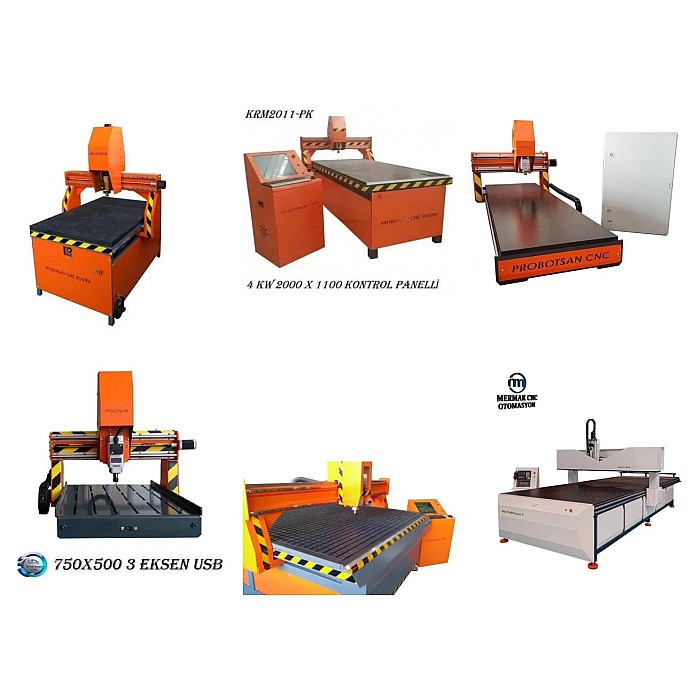
A CNC router machine fundamentally consists of a computer, a control card, motors (typically stepper or servo motors), a mechanical frame (axes: X, Y, Z), a spindle motor, and cutting tools. The process begins with the design creation in CAD software (e.g., AutoCAD, SolidWorks, Fusion 360). This design is then transferred to CAM software (e.g., Vectric Aspire, ArtCAM, Carbide Create). The CAM software optimizes cutting paths and tool movements, considering parameters such as material type, cutting tool geometry, and desired surface quality. This optimization generates G-code (and M-code), a series of commands understood by the machine. These G-codes are sent to the CNC control card, which, via motor drivers, sends precise pulses to the stepper or servo motors, ensuring millimeter-accurate movement of the axes. The spindle motor rotates the cutting tool at high speeds to process the material. This integrated system allows for the production of complex geometries and detailed craftsmanship without human error, achieving high efficiency. Machining precision is directly related to the resolution of the motors used, the quality of mechanical components (linear guide rails, ball screws), and the capability of the control system. In industrial applications, high-torque servo motors and more rigid machine structures are generally preferred, while stepper motor-driven and more cost-effective systems are common for hobbyists and small-scale businesses.
| Parameter | Value/Description |
|---|---|
| Number of Axes | 3-axis (X, Y, Z) standard; 4 or 5 axes optional |
| Motor Type | Stepper Motor (common) or Servo Motor (high performance) |
| Working Area (Standard Small Model) | 600x900x150 mm (X, Y, Z) – varies by model |
| Spindle Power | 1.5 kW – 9 kW (air or water-cooled) – varies by application |
| Maximum Machining Speed | 5,000 – 20,000 mm/min (rapid traverse speed can be higher) |
| Repeatability Accuracy | ±0.02 mm – ±0.05 mm (varies by machine quality) |
| Control System | Mach3, GRBL, DSP Controller, LinuxCNC, Syntec – varies by manufacturer |
| Material Compatibility | Wood, MDF, Acrylic, PVC, Composites, Aluminum, Brass, Foam |
| Tool Change System | Manual or Automatic Tool Changer (ATC) – varies by model |
10 Popular Profitable Business Ideas with a CNC Router
The versatility of industrial CNC router machines creates business opportunities across a wide market spectrum. Here are 10 popular business ideas, from an expert perspective, where you can generate income with these machines:
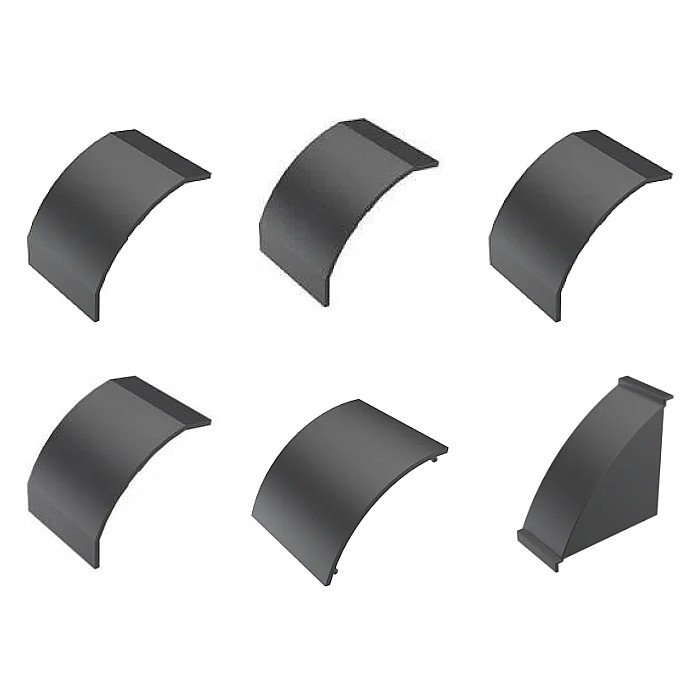
1. Custom Furniture and Decorative Product Manufacturing
This sector is one of the best for showcasing the precision and creativity of a CNC router. You can produce custom-designed tables, chairs, bookshelves, wall panels, partitions, or niche furniture. Unique and personalized furniture is in high demand, especially for boutique hotels, cafes, or individual homeowners. CNC technology easily creates complex patterns, intricate carving details, and perfect joint points, accelerating the production process and reducing costs. Working with materials like wood, MDF, and plywood, you can offer a wide range of products, from minimalist designs to traditionally carved pieces.
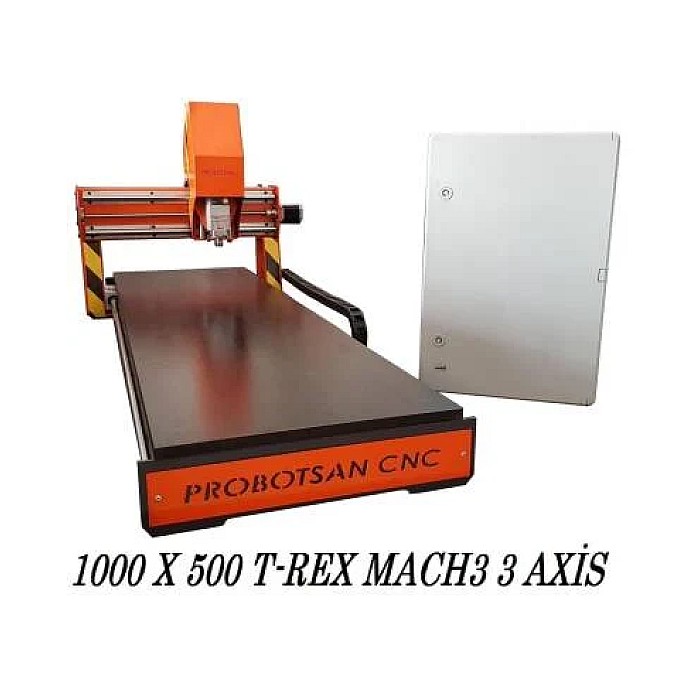
2. Signage and Advertising Panel Production
Every business needs visibility, and quality signage is key to this. CNC routers can meet all types of signage needs, from 2D cuts to complex 3D letters, illuminated sign boxes, and directional panels. By working with materials such as acrylic, PVC, aluminum composite panel (ACP), wood, and foam, you can produce aesthetic and durable signs suitable for both indoor and outdoor use. Especially 3D letters and engraved logos are professional solutions preferred by businesses to strengthen their corporate identity.
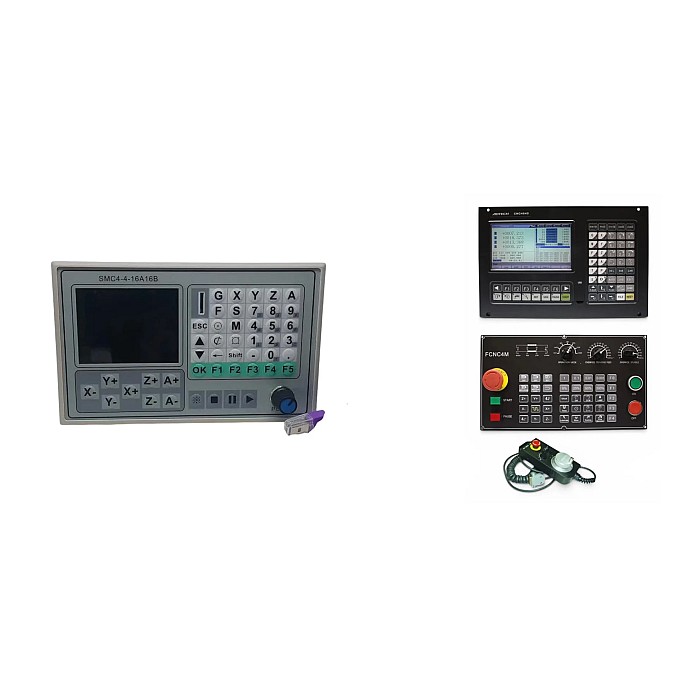
3. Prototyping and Model Making
Prototyping is indispensable for industrial design, engineering, architecture, and product development sectors. CNC routers are ideal for rapid and precise prototype production. They can be used to create physical models of new products, scale models of architectural projects, or functional prototypes of engineering parts. This service allows designers and engineers to materialize, test, and develop their ideas. Engineering plastics, foam, and soft metals are frequently used for these applications.
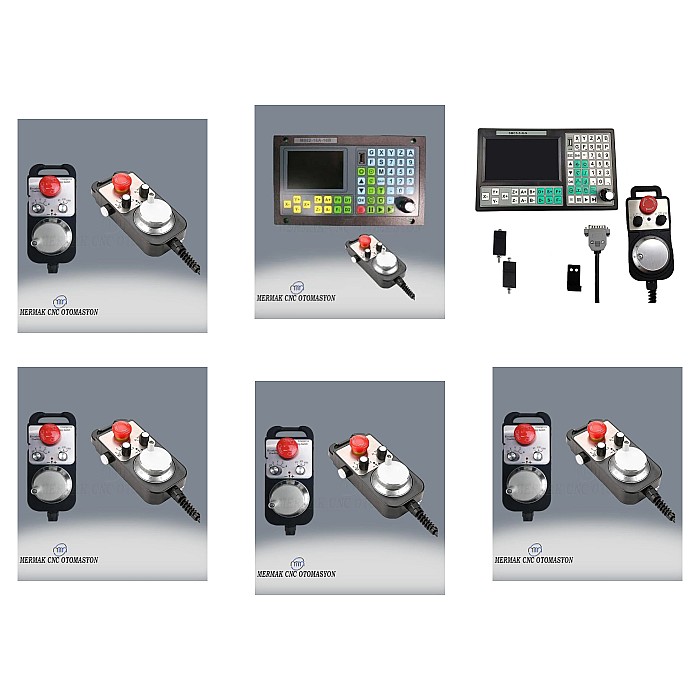
4. Gift Items and Personalized Products
The market for personalized products is growing daily. With a CNC router, you can produce many gift items such as keychains, photo frames, custom logo coasters, nameplates, awards, and plaques. By engraving names, dates, special messages, or logos onto wood, acrylic, or laminated materials, you can add a personal touch to products. This business idea offers low production costs and high-profit margin potential, especially reaching a wide audience through online sales platforms.
5. Mold and Fixture Production
In the manufacturing industry, molds and assembly fixtures are needed to enable mass production of products. CNC routers play a critical role in the production of vacuum molds, thermoforming molds, casting mold patterns, and special fixtures used in assembly lines. Precise molds and fixtures can be produced from materials such as engineering plastics (ABS, Delrin), aluminum, and high-density foams. This service is vital for large-scale manufacturing companies in sectors like automotive, white goods, and electronics.
6. Artistic Applications and Sculpture
The art world also benefits from the possibilities offered by CNC technology. Artists can use CNC routers to create 3D carved sculptures, relief panels, intricately patterned wall art, or large-scale installations. Working with various materials such as wood, soft stones, foam, and acrylic, artworks with details and symmetry difficult to achieve with traditional methods can be created. This business idea appeals to art galleries, interior designers, and clients seeking artistic projects for public spaces.
7. Woodworking and Carpentry Support Services
Traditional carpentry workshops and furniture manufacturers may require CNC router services for special cuts, complex joints, or pattern processing. Detailed craftsmanship parts such as door panels, window frames, custom patterns for cabinet doors, or interlocking joints can be easily produced with CNC. This increases the efficiency of carpenters while allowing them to realize designs that were previously difficult or impossible with manual labor.
8. Training and Workshop Services
As interest in CNC technology grows, so does the number of people wanting to learn how to use these machines. As a CNC router owner, you can organize training and workshops for beginners, hobbyists, or small business owners on CNC operation, CAD/CAM software, G-code programming, and safety procedures. This not only provides an additional income stream but also solidifies your expertise in the industry and opens doors for potential collaborations.
9. Custom Packaging and Box Production
Product presentation is critical for branding. CNC routers can be used to produce custom-designed packaging boxes, foam inserts, and display stands for boutique products, special gifts, or delicate electronics. By working with materials such as cardboard, corrugated board, foam, MDF, or thin wood, you can design protective and aesthetic packaging that perfectly fits the shape and size of the product. This service will be attractive to e-commerce companies, craft manufacturers, and luxury product brands.
10. Stage Props and Event Materials
Theater plays, concerts, trade shows, television programs, and special events require large-scale and detailed stage props. A CNC router offers fast and cost-effective solutions for such projects. Large panels, 3D logos, special effect objects, or modular stage elements can be produced from foam, MDF, plywood, or lightweight composite materials. This business idea is a niche market targeting event companies, theaters, production houses, and exhibition stand designers.
Field Considerations
- Machine Maintenance and Calibration: Regular maintenance is essential to extend the life of your CNC router and maintain production quality. Lubrication of axes, checking belt/ball screw tensions, spindle bearing condition, and dust collection system cleaning are critically important. Periodic calibrations ensure the preservation of dimensional accuracy. Loose connections or dirty sensors can lead to machining errors.
- Tool Selection and Usage: Selecting the correct cutting tool for each material and machining operation is vital. The wrong tool can result in poor surface quality, tool breakage, or damage to the machine. The tool’s diameter, cutting geometry, coating, and tip material (HSS, Carbide) should be chosen according to the material being processed and the desired finish. Checking tool sharpness and replacing worn tools promptly enhances both quality and safety.
- Safety Procedures: CNC routers involve high-speed rotating tools and moving parts. Always use personal protective equipment (safety glasses, gloves, ear protection). Ensure that the machine’s emergency stop buttons are functional. The work area should be well-ventilated, and chips should be cleaned regularly. Never touch the cutting tool or moving axes while the machine is operating.
- Software Knowledge (CAD/CAM): Proficiency in CAD and CAM software is fundamental for effective CNC operation. Creating accurate dimensions and geometry during the design phase, and determining correct tool paths, cutting depths, spindle speeds, and feed rates during the CAM phase, are critical for both efficiency and product quality. Following software updates and learning new features can provide a competitive advantage.
- Material Knowledge: Different materials (wood, acrylic, aluminum, PVC, etc.) have different machining characteristics. The material’s hardness, density, melting point, and chip removal properties directly affect cutting parameters. Knowing the optimal cutting strategies and cooling methods for each material ensures better surface quality and tool life.
- Market Research and Niche Identification: To establish a successful business, understanding market needs and identifying a potential niche is important. Conduct competitive analysis to determine the strengths and weaknesses of your competitors. Create your unique selling proposition (USP) and develop marketing strategies targeting your audience. Specializing in a specific area can often be more profitable than trying to do everything.
Common Problems and Solutions
Here are some common problems encountered in CNC router operations and expert solution recommendations:
- Problem: Poor Surface Quality (Burrs, Ripples, Burn Marks)
- Solution: Check for tool wear and replace if necessary. Adjust cutting parameters (spindle speed/feed rate) to suit the material and tool; excessively high feed rates can cause burrs, while very low feed rates or high spindle speeds can cause burning. Check spindle runout. Tighten connections to increase machine rigidity and reduce vibration. Check the cooling/lubrication system.
- Problem: Dimensional Error or Loss of Position
- Solution: Check machine calibration and ensure axes are moving correctly. Check and eliminate backlash in ball screws if present. Check motor driver settings and wiring; insufficient current or interference can cause motor skipping. Step loss in stepper motors can result from overloading; reduce cutting depth or feed rate.
- Problem: Tool Breakage
- Solution: Review cutting parameters (spindle speed, feed rate, cutting depth); ensure they are appropriate for the tool diameter and material. Ensure the tool holder is tightened correctly and the tool has no runout. Check for unexpected hardness or defects in the material. Monitor tool life and replace worn tools.
- Problem: Machine Control Software or G-Code Errors
- Solution: Carefully review the G-code in CAM software or a G-code simulator. Ensure post-processor settings are appropriate for your machine. Ensure the control software (Mach3, GRBL, etc.) is up-to-date and correctly configured. Check connection cables (USB, Ethernet) between the computer and control card, and protect against interference.
- Problem: Spindle Overheating or Abnormal Noises
- Solution: Check the spindle’s cooling system (air or water). For water-cooled spindles, check water flow and the cleanliness of the water tank; for air-cooled spindles, ensure fans are working and air channels are not blocked. Bearing wear or imbalance can cause abnormal noises; in this case, the spindle may require professional inspection.
Expert Advice
In today’s rapidly changing manufacturing environment, CNC routers are not just machines but powerful tools offering limitless creativity and entrepreneurial potential. The 10 business ideas detailed above demonstrate the wide range of applications this technology has and how it can be transformed into a profitable business model with the right strategies. From an industrial automation perspective, when investing in a CNC router, it is critical to focus not only on the machine’s technical specifications but also on its accompanying software ecosystem (CAD/CAM), after-sales support, and spare parts availability. Success is proportional not only to owning a good machine but also to continuous learning, understanding market dynamics, and the ability to offer fast and flexible solutions to customer needs. When establishing your business, gaining experience by starting with small-scale projects, diversifying your portfolio, and valuing customer feedback are key to sustainable growth. Maintaining quality, adhering to delivery times, and developing a strong digital marketing strategy will help you stand out in a competitive market. Remember, the income you generate with a CNC router will be shaped not only by the machine itself but also by your vision, perseverance, and technical knowledge. We hope this guide illuminates your journey to earning money with a CNC router and helps you take successful steps. Request a quote on WhatsApp today to learn more about Mermak CNC router solutions.
FAQ
What is a CNC router machine and how does it work?
A CNC router machine is a computer-controlled cutting device that uses CAD/CAM software to precisely cut, engrave, and shape various materials like wood, plastics, and metals. It offers high accuracy and repeatability for industrial applications.
What are the key technical specifications to consider for an industrial CNC router?
Key technical specifications include the number of axes (typically 3-axis, with 4 or 5 optional), motor type (stepper or servo), working area dimensions, spindle power (1.5 kW to 9 kW), maximum machining speed, repeatability accuracy (±0.02 mm to ±0.05 mm), and the control system used (e.g., Mach3, DSP Controller).
What types of materials can be processed with a CNC router?
Common materials include wood, MDF, acrylic, PVC, composite panels, aluminum, brass, and various foams. The choice of material depends on the specific application and desired finish.
How can I ensure high-quality production with my CNC router?
To ensure high-quality output, focus on regular machine maintenance and calibration, selecting the correct cutting tools for each material, adhering to safety procedures, mastering CAD/CAM software, and understanding material properties. Proper feed rates and spindle speeds are crucial.
What are common problems encountered with CNC routers and how can they be resolved?
Common issues include poor surface quality (burrs, ripples), dimensional errors, tool breakage, and software/G-code errors. Solutions involve checking tool wear, adjusting cutting parameters, calibrating axes, ensuring proper tool clamping, and verifying software configurations.