What Happens When a Jaw Coupling Elastomer Wears Out?

Contents
Practical notes for CNC router, automation and industrial motion systems.
Understanding Jaw Coupling Elastomer Wear
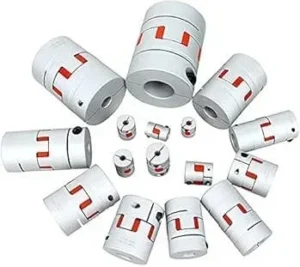
Jaw couplings are essential components in industrial automation and drive systems, responsible for safely and efficiently transmitting torque between shafts. They also play a crucial role in dampening system misalignments, shock loads, and vibrations. The core of a jaw coupling is its elastic element, often called a “spider” or “star,” typically made from materials like polyurethane, nitrile, or Hytrel. This elastomer sits between the two metal halves of the coupling, providing flexibility and absorbing energy. However, over time and under various operating conditions, this elastomer can wear out, harden, or degrade. Factors contributing to this wear include material fatigue, exposure to high temperatures, chemical exposure, overloading, and persistent misalignment. When the elastomer wears, the coupling can no longer perform its intended functions, triggering a cascade of issues that can severely impact connected equipment.
How Jaw Coupling Elastomers Work and Technical Specifications
Jaw couplings consist of two metal hubs that connect to the driving and driven shafts, respectively. These hubs have “jaws” or teeth that interlock with the central elastic element. The elastomer transmits torque from one hub to the other while accommodating angular, parallel, and axial shaft misalignments. It also absorbs shock loads and reduces operational noise, thereby extending the life of machinery and promoting a quieter working environment. The choice of elastomer material significantly influences performance. Polyurethane offers high torque capacity and wear resistance, nitrile provides better resistance to oils and chemicals, and Hytrel maintains flexibility across a wide temperature range. The Shore hardness of the elastomer (typically measured on the Shore A scale) dictates its damping capability and torque transmission characteristics. Softer elastomers offer greater damping and misalignment tolerance, while harder ones provide higher torque capacity and less backlash. Elastomer wear directly degrades these technical properties, leading to increased play, intermittent torque transmission, and a complete loss of damping ability, pushing the system outside its nominal operating parameters and increasing the risk of failure.
| Parameter | Value/Description |
|---|---|
| Elastomer Material | Typically Polyurethane, Nitrile (NBR), Hytrel (TPE) |
| Shore Hardness | Usually 85A – 98A (Softer: higher damping; Harder: higher torque) |
| Operating Temperature Range | -40°C to +100°C (varies by material) |
| Maximum Torque Capacity | Depends on coupling size and elastomer hardness (e.g., from 1 Nm to 5000 Nm) |
| Maximum Misalignment Tolerance | Angular: 0.5° – 1.5°, Parallel: 0.1 mm – 0.5 mm, Axial: 0.5 mm – 1.5 mm (approximate values) |
| Chemical Resistance | Material-dependent resistance to oils, solvents, UV radiation |
| Expected Lifespan | 5-10 years under nominal conditions; 6 months – 2 years under harsh conditions |
Key Considerations for Field Maintenance
- Regular Visual and Auditory Inspections: All jaw couplings in your machinery should undergo periodic visual checks. Look for cracks, tears, discoloration (indicating hardening or degradation), or excessive deformation in the elastomer. Unusual noises like squeaking, knocking, or metal-on-metal friction from the coupling area can signal early wear or misalignment. These regular checks are crucial for preventing failures.
- Accurate Shaft Alignment: While jaw couplings tolerate some misalignment, continuous or excessive misalignment drastically shortens elastomer life. Using laser alignment tools to minimize angular, parallel, and axial shaft misalignments will slow down elastomer wear and improve overall coupling performance. Misalignment imposes constant stress on the elastomer, leading to premature fatigue.
- Selecting the Correct Elastomer Material and Hardness: Choosing the appropriate elastomer for each application is vital. Systems operating under high torque, shock loads, or elevated temperatures require more durable elastomers with suitable hardness. For instance, nitrile-based elastomers might be better suited for environments exposed to chemical fumes or oils, while polyurethane could be preferred for high-torque applications demanding vibration damping. Incorrect selection can lead to premature elastomer failure.
- Monitoring Environmental Factors: The operating environment’s temperature, humidity, presence of chemical vapors, or UV exposure directly impacts elastomer lifespan. High temperatures can cause hardening and cracking, while certain chemicals can degrade the material’s structure. Regularly monitoring these factors and implementing protective measures (e.g., coupling guards, ventilation) is important.
- Load Analysis and Avoiding Overload: Sudden torque fluctuations, shock loads during startup/shutdown, or continuous overloading place excessive stress on the elastomer, accelerating fatigue. Understanding the system’s load profile and ensuring the coupling operates within its nominal torque capacity is essential. If necessary, consider a coupling with a higher torque rating or a harder elastomer.

Common Problems and Solutions Due to Elastomer Wear
When a jaw coupling elastomer wears out, several symptoms and problems typically emerge. Early diagnosis and correct solutions are key to preventing major failures and production losses.
- Increased Vibration and Noise: Wear or disintegration of the elastomer increases the gap between the metal halves, potentially leading to metal-on-metal contact. This results in significantly higher vibration levels and knocking sounds. Vibrations can propagate to connected equipment like motors, gearboxes, and pumps. Solution: Immediately stop the machine and replace the coupling elastomer. During replacement, verify and correct shaft alignment to extend the life of the new elastomer.
- Reduced or Lost Torque Transmission: A worn elastomer can no longer transmit torque efficiently. In cases of disintegration, torque transmission becomes intermittent or stops entirely, causing the driven equipment to slow down, stop, or fail to achieve desired performance. Solution: Inspect the elastomer’s condition and replace it if worn or damaged. Also, check the coupling hubs for any damage.
- Shaft or Bearing Damage: Excessive vibration and misalignment impose undue stress on the bearings and shafts of connected equipment. Prolonged exposure can lead to premature bearing wear, fatigue cracks in shafts, or even shaft breakage. These secondary damages can incur repair costs far exceeding the cost of the coupling itself. Solution: Along with elastomer replacement, thoroughly inspect the bearings and shafts of connected equipment (motor, gearbox, pump). Replace damaged components as needed and ensure proper system alignment.
- Overheating: Increased friction and metal-to-metal contact due to elastomer wear can cause overheating in the coupling area. This heat can accelerate further elastomer degradation and damage surrounding components. Solution: Replace the worn elastomer and ensure the coupling is correctly installed. Review the operating environment’s temperature and ventilation conditions.
- Frequent Coupling Failures: If coupling elastomers repeatedly wear out or fail within a short period, it indicates an underlying system issue. Factors like overloading, persistent misalignment, incorrect coupling or elastomer selection, or inadequate maintenance can be culprits. Solution: Conduct a detailed engineering analysis of the system. Re-evaluate the load profile, environmental conditions, and coupling selection. Consider a more robust coupling type or a different elastomer material, and update maintenance procedures.
Expert Recommendation
In industrial automation, jaw coupling elastomer wear might seem minor initially but can lead to significant breakdowns and halt entire production lines if ignored. As the elastomer wears, the coupling loses its ability to transmit torque effectively, absorb shocks, and tolerate misalignment. This results in a host of issues, including high vibration, abnormal noise, and damage to bearings and shafts in connected equipment. Field experience shows that failing to replace a small elastomer component promptly can lead to the failure of an entire motor or gearbox, incurring thousands of dollars in unplanned downtime costs.
Adopting proactive maintenance strategies is crucial. Regular visual and auditory checks, periodic vibration analysis, and thermal imaging are predictive maintenance techniques that help detect elastomer wear in its early stages. Furthermore, selecting the correct coupling type and elastomer material for each specific application will extend the coupling’s life and enhance system reliability. Meticulous shaft alignment using laser alignment tools during installation eliminates unnecessary stress on the elastomer, significantly slowing down wear. Remember, a coupling elastomer might be one of the least expensive components, but its failure can lead to costs far exceeding its value. Therefore, the condition of the jaw coupling elastomer is a critical parameter that requires continuous monitoring and prompt intervention for the uninterrupted and efficient operation of industrial automation systems. Investments in preventive maintenance translate to substantial long-term savings and operational reliability for businesses.
Need to ensure your industrial machinery runs smoothly? If you suspect issues with your drive systems or need expert advice on coupling selection and maintenance, don’t hesitate to reach out. Request a quote on WhatsApp today!
Related product categories: Genel · Ayak Bağlantı Parçaları · 40 mm Kaplin GS19