
































































































































Why is Your Hydraulic System Running Slow? Common Causes and Solutions

📑 Table of contents (Click to open)
Practical notes for CNC router, automation and industrial motion systems.
Understanding Hydraulic System Performance
In industrial automation, hydraulic systems are crucial for applications demanding high force and precise control. When a hydraulic system operates below its expected speed, it significantly impacts production efficiency, increases energy consumption, and can even pose safety risks. A slow hydraulic system typically indicates an anomaly in fluid dynamics, pressure integrity, or the performance of its mechanical components. When fluid cannot reach actuators (like cylinders or motors) with sufficient flow rate and pressure, these components move slower than required, directly affecting the overall efficiency of the machinery. This necessitates a thorough diagnostic process to identify the root cause.
How Hydraulic Systems Work: Technical Overview
Hydraulic systems operate on the principle of transmitting force through an incompressible fluid, usually hydraulic oil, under pressure. A hydraulic pump draws oil from a reservoir and delivers it through control valves (directional, pressure, and flow control) to actuators. These actuators convert hydraulic energy into mechanical motion. The system’s speed is primarily determined by the pump’s flow rate (GPM or LPM) and the system’s operating pressure. Insufficient pump output, internal leaks, malfunctioning valves, or system overload can all lead to reduced actuator speed. Critical parameters like hydraulic oil viscosity and temperature also play a vital role. Incorrect viscosity or overheating can increase friction and reduce the efficiency of pumps and valves. Clogged filters restrict oil flow, causing pressure drops and system slowdown.
| Parameter | Value/Description |
|---|---|
| Hydraulic Oil Level | Below minimum levels can cause cavitation and slow operation. |
| Oil Viscosity | Must be within manufacturer’s recommendation; too low or too high viscosity causes issues. |
| System Pressure | Operating below required pressure is a common cause of slow performance. |
| Pump Flow Rate (LPM) | A drop from the pump’s nominal flow rate (due to wear or malfunction) reduces speed. |
| Filter Condition | Clogged filters restrict oil flow, leading to pressure drops and slowdown. |
| Operating Temperature | Must be within the optimal range; overheating reduces viscosity and increases leaks. |
| Valve Leakage | Internal leaks reduce the amount of oil reaching the actuator, slowing it down. |
Key Considerations for Field Diagnosis
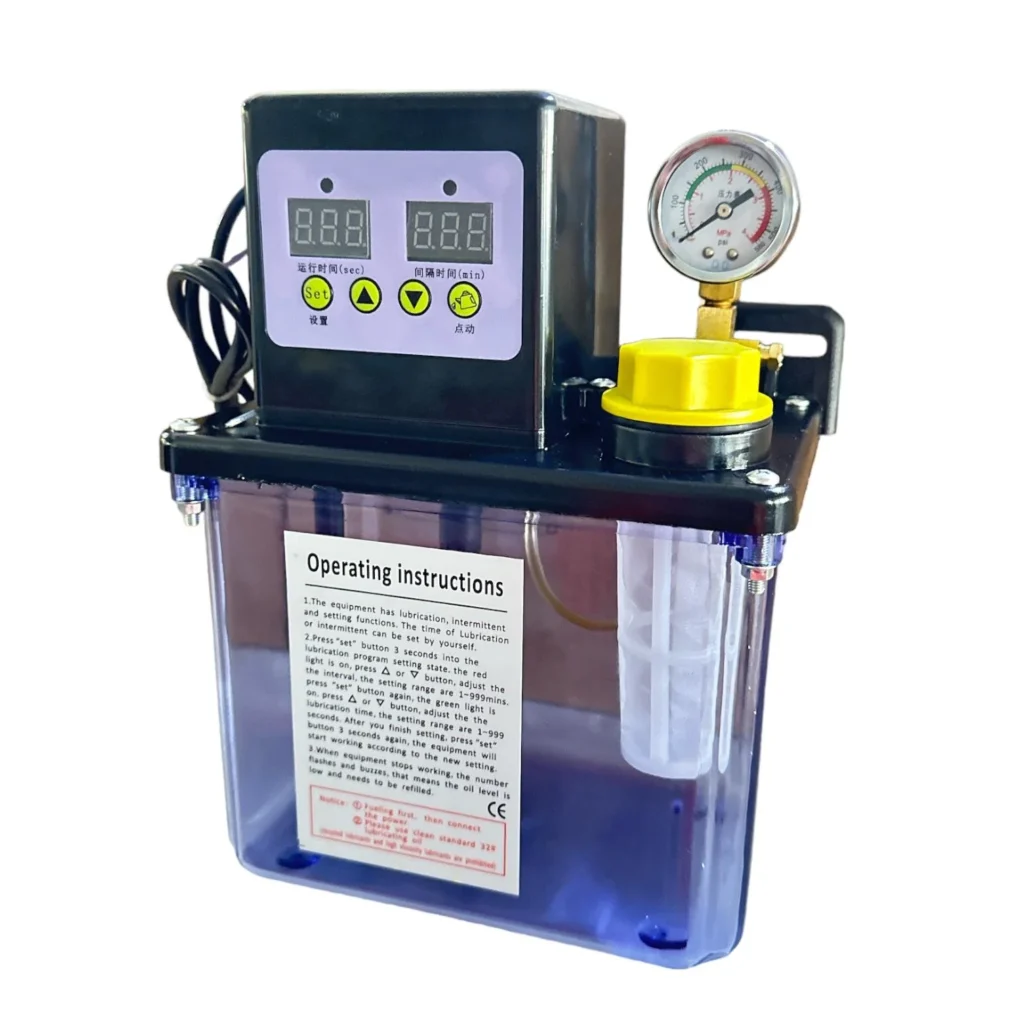
- Hydraulic Oil Level and Quality Check: Regularly verifying the oil level in the reservoir is critical. Low oil levels can lead to pump cavitation (ingesting air), reducing flow and pressure. Inspect the oil’s color, odor, and clarity for signs of oxidation, water contamination, or particulate matter, which alter viscosity and accelerate wear. Oil analysis is essential for determining oil life and condition.
- Filter Maintenance and Replacement: Suction, return, and pressure line filters are vital for maintaining oil cleanliness. Clogged filters increase resistance to oil flow, strain the pump, cause pressure drops, and prevent adequate oil supply to actuators, resulting in slow operation. Filters must be inspected periodically and replaced according to manufacturer recommendations. Differential pressure indicators can monitor filter clogging levels.
- Pressure Settings and Leak Detection: Use pressure gauges to confirm that system operating pressures are correctly set. Maladjusted or faulty pressure relief valves, sequence valves, or reducing valves can cause system pressure to drop. Carefully inspect hydraulic hoses, pipes, fittings, and actuators for both external (visible) and internal (hidden) leaks. Internal leaks, such as worn cylinder seals or valve spool leakage, often manifest as reduced system performance and can be detected with thermal cameras or ultrasonic listening devices.
- Pump Performance Evaluation: The hydraulic pump is the heart of the system. Wear in pumps (gear, vane, or piston types) increases internal leakage, reducing the delivered flow rate and causing actuators to move slowly. Changes in pump noise (increased whining or grinding), overheating, or excessive vibration are common fault indicators. Pump performance can be verified through flow and pressure tests.
- Valve Functionality Checks: Directional control valves, pressure control valves, and flow control valves regulate fluid direction, pressure, and flow. A sticking valve, one that cannot fully open or close due to contamination, or a faulty solenoid coil can disrupt oil flow to actuators, causing slowdown. Verify that manual and electrical controls are functioning correctly and that valve settings are appropriate.
- System Temperature Management: Hydraulic oil operating outside its optimal temperature range (typically 40-60°C or 104-140°F) negatively impacts performance. Overheating reduces oil viscosity, exacerbating internal leaks and shortening oil life. Inadequate cooling, clogged heat exchangers, or system overload can cause overheating. Conversely, very low temperatures in cold climates can increase oil viscosity, leading to slow operation.
Common Scenarios and Solutions
- Scenario: System is generally slow, and the pump sounds noisy.
Solution: This often indicates pump cavitation or air ingestion in the suction line. Check the oil level in the reservoir, inspect the suction filter for clogging, and verify that suction line connections are airtight. Pump wear may also be a factor, requiring a flow test for diagnosis.
- Scenario: System is very slow when cold but speeds up as it warms up.
Solution: This suggests the hydraulic oil’s viscosity is too high for the operating temperature. Verify that the oil is the correct viscosity grade; consider switching to a lower viscosity oil suitable for colder conditions if necessary. System heaters can also be employed to reduce warm-up time.
- Scenario: A specific hydraulic cylinder or motor is slow, while others operate normally.
Solution: This points to an issue localized to that actuator. Check the flow control settings for that circuit, inspect the valve for internal leakage or blockages, and examine the cylinder’s internal seals or hydraulic motor for wear. Restrictions in the supply hoses or lines should also be investigated.
- Scenario: System is slow, and the hydraulic oil is overheating.
Solution: Overheating usually signifies inefficiency and excessive internal leakage. Potential causes include a constantly open pressure relief valve, pump wear, a clogged heat exchanger, or system overload. Inspect the cooler’s cleanliness, the oil condition, and system pressure settings. If overload is suspected, the system design or application may need re-evaluation.
- Scenario: System is generally slow, with no unusual noise and normal oil levels.
Solution: Focus on internal leaks and pressure drops. A misadjusted or faulty pressure relief valve, leaking check valves, or internal leakage within directional control valves are likely culprits. Measure system pressures with gauges and perform functional tests on the valves.
Expert Advice for Optimal Performance
Slow operation in hydraulic systems can disrupt industrial automation processes and is often caused by a combination of factors. A systematic approach is essential for accurate root cause analysis, starting with visual inspections (oil level, external leaks, noise) and progressing to more detailed tests like pressure and flow measurements, and oil analysis. Remember that hydraulic systems operate under high pressure; all maintenance and repair work must be performed by qualified personnel, adhering strictly to safety protocols. Implementing a robust preventive maintenance program, including regular filter changes, oil analysis, and pump/valve inspections, is the most effective way to ensure optimal system performance and prevent slowdown issues. Investing in hydraulic system health is crucial for uninterrupted and efficient industrial operations. Don’t ignore minor slowdowns, as they can be precursors to more significant and costly failures; early diagnosis and intervention are key.
Is your CNC machinery experiencing hydraulic performance issues? Ensure your operations run at peak efficiency. Request a quote on WhatsApp to discuss your hydraulic system needs and maintenance solutions.
Related product categories: Uncategorized
