









































































What is Slide Oil? Why is it Important in CNC Linear Motion Systems?
📑 Table of contents (Click to open)
Slide oil is a specialized lubricant essential for CNC linear motion systems. It minimizes friction, prevents wear, and ensures precise movement by forming a stable oil film under high loads. This extends machine life, enhances positioning accuracy, and improves energy efficiency, making it a vital component in industrial automation.
Practical notes for CNC router, automation and industrial motion systems.
At the core of industrial automation, CNC (Computer Numerical Control) machines play a crucial role in production processes requiring high precision and repeatability. One of the most fundamental components of these machines is the linear motion system, which enables the smooth and accurate movement of processing axes (X, Y, Z). This is where slide oil comes into play. As its name suggests, slide oil is a specially formulated lubricant designed to reduce friction, minimize wear, and prevent metal-to-metal contact between moving surfaces, such as slides and bearings. Unlike conventional hydraulic oils or general-purpose lubricants, slide oils contain specific additives to prevent the “stick-slip” phenomenon, especially at low speeds and under high loads. This ensures that CNC machines achieve their primary requirements: positioning accuracy, surface finish quality, and machining precision. The importance of slide oil extends beyond wear prevention; it aids in heat dissipation, maintains system thermal stability, prevents corrosion, and removes contaminants, directly impacting the overall performance and lifespan of the machine. Without proper slide oil, CNC machines can quickly wear out, lose accuracy, and suffer costly failures.
Operating Principle and Technical Data
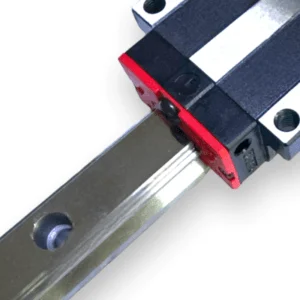
The working principle of slide oil is based on creating a continuous and stable oil film between moving surfaces. This oil film minimizes friction by preventing direct metal contact, operating on principles of hydrodynamic or hydrostatic lubrication. CNC machines typically utilize high-precision linear guides (V-shaped, box-way, or linear rails) that are subjected to high cutting forces and dynamic loads during machining. Slide oils are specifically engineered to prevent the breakdown of this oil film even under these demanding conditions.
The additives used in slide oil formulations define its unique properties. One of the most critical additives is the friction modifier and anti stick-slip agent. These additives eliminate sudden increases in friction (stick-slip) that occur when a machine starts moving or operates at low speeds. This phenomenon can cause vibrations and erratic movements, negatively impacting surface finish and positioning accuracy, especially in precision machining operations. Slide oil minimizes this effect, ensuring smooth and continuous motion.
Other important additives include:
- Extreme Pressure (EP) Additives: Form a chemical barrier to prevent metal-to-metal contact under high loads.
- Anti-Wear (AW) Additives: Create a protective layer on surfaces to reduce wear.
- Corrosion and Rust Inhibitors: Protect metal surfaces from corrosion caused by moisture and chemicals.
- Demulsification Property: Prevents the oil from mixing with cutting fluids or coolants, preserving the oil’s properties. This is a critical feature, especially in metalworking machinery.
- Anti-Foam Additives: Prevent foam formation within the lubrication system, ensuring oil film continuity and pump efficiency.
Viscosity is a fundamental parameter in selecting slide oils. Specified by ISO VG (International Organization for Standardization Viscosity Grade), viscosity indicates the oil’s flow characteristics. Higher viscosity oils form a thicker film, while lower viscosity oils flow more easily. Choosing the correct viscosity grade, as recommended by the machine manufacturer, is vital for both ensuring adequate oil film thickness and allowing the oil to be pumped easily throughout the system. Generally, higher viscosity grades (e.g., ISO VG 68, 100, 220) are preferred for larger, heavier machines, while lower viscosity grades (e.g., ISO VG 32) may be used for smaller, faster machines.
The correct use of slide oil is indispensable for maintaining the precise positioning capabilities of CNC machines, optimizing surface roughness, and maximizing component lifespan. These oils are widely used not only in CNC lathes and milling machines but also in machining centers, grinding machines, robotic systems, and other industrial automation equipment requiring precise linear motion.
| Parameter | Value/Description |
|---|---|
| ISO Viscosity Grade (VG) | Typically 32, 46, 68, 100, 150, 220. Selected based on machine and load conditions. |
| Density (15°C) | Approx. 0.86 – 0.90 g/cm³. Affects oil weight and pumping characteristics. |
| Flash Point (COC) | Typically >200°C. Indicates safe operating temperature and flammability risk. |
| Pour Point | Typically |
| Kinematic Viscosity (40°C) | Varies by ISO VG grade (e.g., 61.2 – 74.8 cSt for VG 68). Critical for oil film thickness. |
| Demulsification Property | Very good. Separates water and cutting fluids, extending oil life and preventing corrosion. |
| Anti Stick-Slip Performance | Excellent. Ensures smooth, vibration-free motion even at low speeds. |

Field Considerations
- Correct Oil Viscosity and Type Selection: Every CNC machine manufacturer recommends a specific slide oil viscosity grade and type. These recommendations must be strictly followed. Incorrect viscosity can lead to inadequate oil film formation or excessive friction. For instance, an oil that is too thin may break down under high load, while an oil that is too thick can cause pumping difficulties and energy loss. For modern, high-speed, and precision CNC machines, specially formulated synthetic or semi-synthetic slide oils are recommended. The machine’s user manual is the most reliable source for this information.
- Regular and Sufficient Lubrication: Determine whether the slide oil systems are automatic or manual. Automatic systems lubricate at set intervals and amounts, while manual systems require regular checks and application. The frequency and amount of lubrication should be adjusted based on the machine’s operating conditions (load, speed, operating hours). Insufficient lubrication accelerates wear and leads to stick-slip effects, while over-lubrication can cause waste, environmental pollution, and even damage machine parts. Ensure that lubrication points are not clogged and that oil is distributed evenly across all surfaces.
- Oil Cleanliness and Filtration: The cleanliness of slide oil is vital for its lifespan and effectiveness. Contaminants such as dust, metal particles, moisture, and cutting fluids degrade the oil’s properties, accelerate wear, and reduce system performance. Filters in the lubrication system must be regularly inspected and replaced according to manufacturer instructions. Periodic cleaning of the oil reservoir and monitoring the oil’s contamination level through analysis are important for early diagnosis of potential issues. Contaminated oil can cause irreversible damage to precision components.
- Oil Compatibility and Mixing: Avoid mixing different brands or types of slide oils. Each oil has its unique additive package, and mixing them can cause additives to react, reducing the oil’s performance, leading to foaming, or causing sludge formation. Similarly, ensure that slide oil does not mix with other fluids like hydraulic oil or cutting fluids. Verify that the system’s sealing elements (gaskets, O-rings) are compatible with the type of oil used; otherwise, leaks may occur.
- Environmental Factors and Storage: The storage environment for slide oils must be clean, dry, and at an appropriate temperature. Oil drums or containers should not be exposed to direct sunlight or extreme temperatures. Exposure to moisture can cause oil hydrolysis and loss of properties. Open oil containers can become contaminated by airborne particles and moisture. Proper storage conditions extend the oil’s shelf life and ensure its performance when ready for use.
Common Problems and Solutions
Common issues related to slide oil in CNC linear motion systems often stem from inadequate maintenance, incorrect oil selection, or environmental factors. These problems reduce machine performance, affect production quality, and ultimately lead to costly failures.
1. Excessive Wear and Surface Damage:
- Problem: Visible wear marks, pitting, or scoring on slide surfaces. Reduced machine accuracy and repeatability.
- Causes:
- Using slide oil with the wrong viscosity (too thin oil breaks the film).
- Insufficient or irregular lubrication (failure to form an oil film).
- Oil contamination (abrasive substances like metal particles, dust, chips).
- Insufficient or degraded anti-wear additives in the oil.
- Operation under excessive load.
- Solutions:
- Use slide oil with the correct viscosity and specifications recommended by the machine manufacturer.
- Check the proper functioning of automatic lubrication systems; increase lubrication frequency and quantity for manual systems.
- Regularly clean the lubrication system and oil reservoir, and replace filters.
- Perform oil analysis to check additive status and change the oil if necessary.
- Prevent overloading the machine.
2. Stick-Slip Effect and Vibrations:
- Problem: Axis sticking during movement, especially at low speeds or at the start of motion, causing vibrations and undulations or lines on the machined surface.
- Causes:
- Insufficient or degraded anti stick-slip additives in the slide oil.
- Inadequate oil film formation.
- Contamination or damage to slide surfaces.
- Solutions:
- Switch to high-performance slide oil specifically formulated with anti stick-slip additives.
- Optimize the amount and frequency of lubrication.
- Clean the slide surfaces and check surface smoothness if necessary.
- Monitor oil properties through oil analysis.
3. Oil Leaks and Waste:
- Problem: Oil leakage from slides, pipe connections, or sealing elements.
- Causes:
- Worn, aged, or incompatible sealing elements (gaskets, O-rings) with the oil used.
- High pressure in the lubrication system.
- Loose or damaged pipe connections.
- Use of excessively low viscosity oil.
- Solutions:
- Replace damaged sealing elements and ensure the correct material type is used.
- Check and adjust the lubrication system pressure.
- Tighten all connections and replace damaged pipes.
- Ensure you are using oil with the appropriate viscosity for the machine.
4. Corrosion and Rusting:
- Problem: Rust or corrosion formation on metal surfaces.
- Causes:
- Oil contamination with water (coolant, moisture).
- Insufficient corrosion inhibitors in the oil.
- Machine idle for extended periods without surface protection.
- Solutions:
- Prevent oil from mixing with water (use oils with high demulsification properties, check coolant systems).
- Regularly check water levels in the oil and change the oil if necessary.
- If the machine will be idle for a long time, coat slide surfaces with a protective oil layer.
- Use slide oil with adequate corrosion-inhibiting additives.
Expert Advice
The selection and management of slide oil for CNC linear motion systems are more than just a maintenance routine; they are strategically important for the continuity, efficiency, and profitability of industrial automation processes. As discussed in this article, slide oil not only reduces friction but also prevents wear, protects against corrosion, dissipates heat, and most importantly, meets the precise positioning and surface finish requirements that form the foundation of CNC machines. Incorrect oil selection or inadequate lubrication can lead to short-term production losses and, in the long run, costly component replacements and reduced machine lifespan. Our field experience indicates that many businesses do not give this critical aspect sufficient attention, leading to significant operational disruptions.
My expert recommendation is this: View slide oil as the “lifeblood” of your machine. Strictly adhere to the lubrication instructions provided by the machine manufacturer, but do not stop there. Conduct periodic oil analysis to monitor the actual condition of your oil, its contamination level, and the effectiveness of its additives. These analyses allow you to detect potential problems before they manifest and take preventive measures. Regularly check the calibration and operation of automatic lubrication systems. Do not neglect filter replacements and ensure the cleanliness of oil reservoirs. Remember that mixing slide oil with other system fluids, such as cutting fluids and hydraulic oils, degrades the oil’s properties and can cause serious issues; therefore, continuously inspect the integrity and compatibility of sealing elements.
An investment in high-quality slide oil may seem like an initial cost, but it will more than pay for itself in the long run by extending machine life, reducing maintenance costs, optimizing energy consumption, and improving production quality. In the competitive world of industrial automation, every millimeter and every second counts. Slide oil management is a key factor that will give you a competitive edge, ensuring your machines operate smoothly and efficiently. Remember, a well-lubricated machine is not only longer-lasting but also safer, more precise, and more profitable.
Ready to optimize your CNC machine’s performance? Request a quote on WhatsApp today and ensure your linear motion systems run flawlessly.
Related product categories: Genel · 25 Mm Lineer Kızak, Rulman Ve Yataklar · 20 Mm Lineer Kızak, Rulman Ve Yataklar
