







































































What Happens When a Lubrication Hose Clogs on Your CNC Machine?
📑 Table of contents (Click to open)
A clogged lubrication hose on your industrial CNC router can lead to severe issues like increased friction, overheating, rapid wear, and unexpected breakdowns. This article explores the causes, technical implications, and essential maintenance strategies to prevent such failures and ensure optimal machine performance.
Practical notes for CNC router, automation and industrial motion systems.
Understanding the Impact of a Clogged Lubrication Hose on Industrial Machinery
In industrial automation and machine engineering, the continuous and correct lubrication of moving parts is paramount for the longevity, efficiency, and reliability of any equipment. A clogged lubrication hose signifies a critical interruption in this vital process. Essentially, the protective lubricating film between contacting surfaces diminishes or disappears, leading to direct metal-to-metal contact. This dramatically increases friction, which in turn generates excessive heat. This extreme temperature not only degrades the lubricant’s properties (reducing viscosity and lifespan) but also causes thermal expansion and structural damage to machine components. Consequently, bearings, gears, shafts, and other moving parts begin to wear at an accelerated rate. Over time, this wear leads to increased play, higher vibration levels, and a noticeable decline in machine performance. In the worst-case scenario, this can result in catastrophic failures, where the machine stops abruptly and completely, or components lock up, causing extensive damage. Such failures incur substantial repair costs and lead to prolonged production downtime and significant safety risks.
Operating Principles and Technical Data of Lubrication Systems
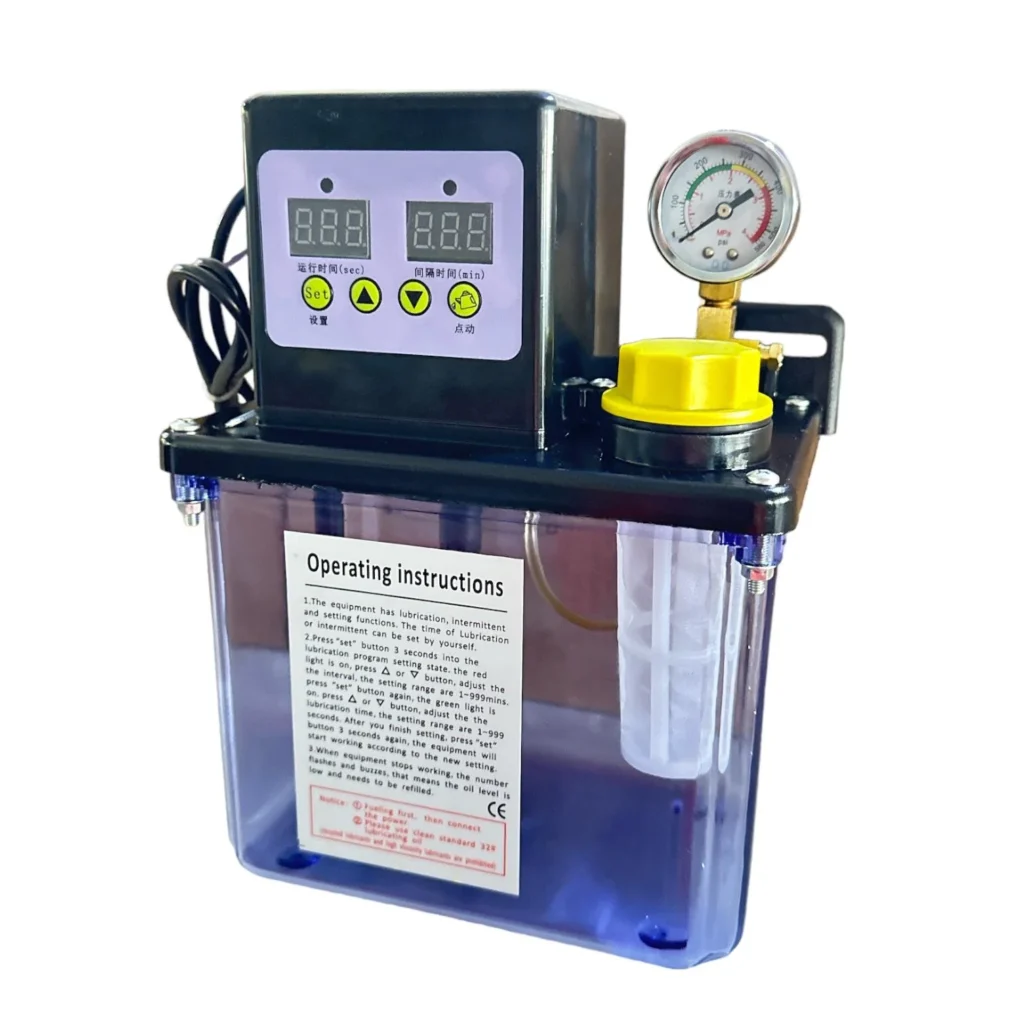
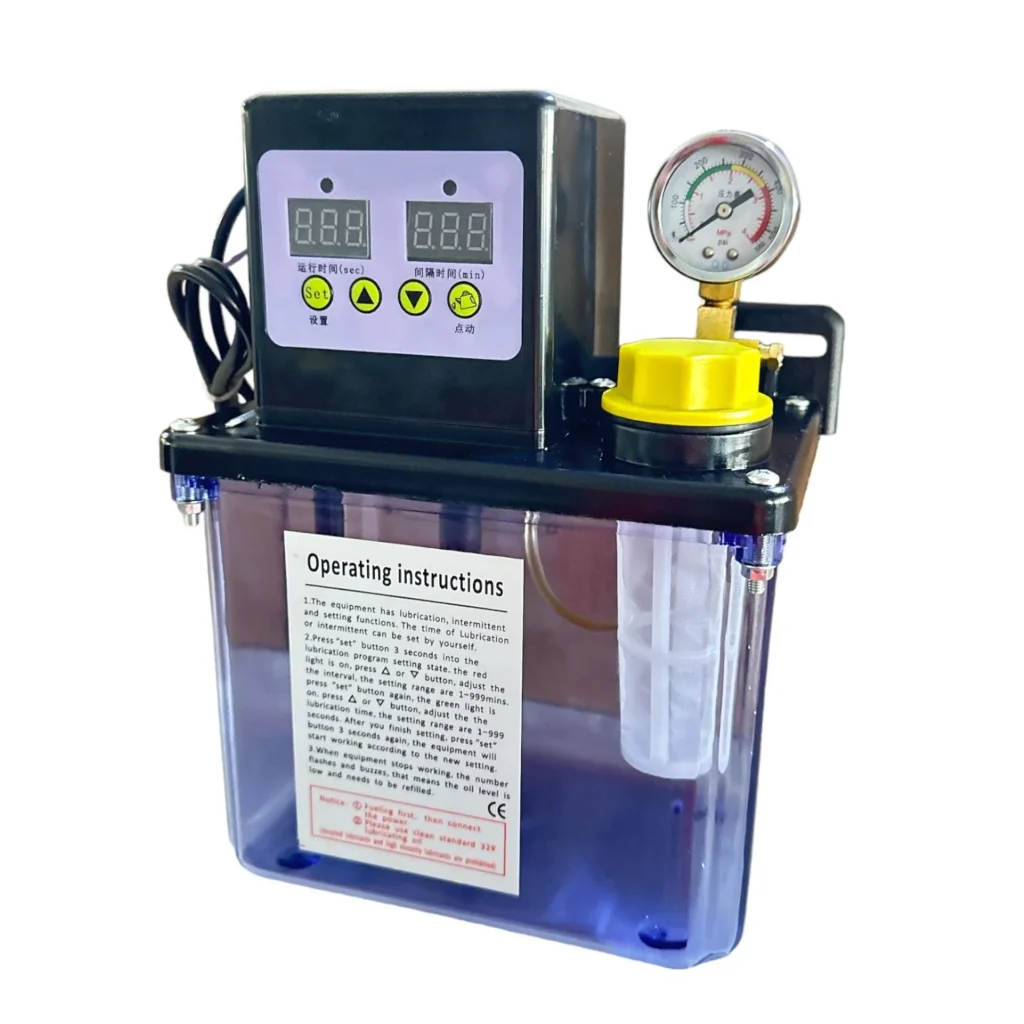
Modern industrial machines are typically equipped with automatic or centralized lubrication systems. These systems deliver measured amounts of lubricant (oil or grease) to critical points, known as lubrication points, via a network of hoses and distributors at specific intervals or under certain operating conditions. The primary goal is to create a lubricating film between moving surfaces, preventing metal-to-metal contact, and thereby minimizing friction, wear, and heat generation. Lubrication hoses act as the arteries of these systems, ensuring the lubricant is transported safely and efficiently from the reservoir or pump to the target component. A clog in a hose interrupts this flow. Clogs typically occur due to: contaminated lubricant (metal chips, dust, moisture), degraded or solidified lubricant (oxidation, thermal stress), sediment buildup inside the hose, or physical damage like kinking, crushing, or internal lining separation. Technically, a blockage disrupts the pressure distribution within the lubrication system. Pressure builds up before the clog and drops to zero after it, as lubricant cannot reach its destination. While pressure sensors can detect this, minor clogs might go unnoticed initially. Insufficient lubrication leads to boundary lubrication conditions, where the oil film is extremely thin or absent, resulting in high friction coefficients and rapid wear. Hydrodynamic or elastohydrodynamic lubrication regimes are completely compromised. Wear particles mix with the lubricant, increasing the risk of further blockages and creating an abrasive paste. This also negatively impacts the machine’s overall energy efficiency, as more power is consumed to overcome friction, leading to increased energy usage.
| Parameter | Value/Description |
|---|---|
| Lubricant Viscosity | ISO VG 32 – 460 (Oil), NLGI 000 – 3 (Grease); Critical based on hose diameter and temperature |
| System Operating Pressure | 50 – 350 bar (Typical for automatic systems); Pressure drop observed with clogs |
| Lubrication Point Flow Rate | 0.01 – 50 cm³/min (Varies by application); Flow stops completely with clogs |
| Hose Material | Polyamide (PA), Polyethylene (PE), Teflon (PTFE), Rubber (NBR); Chemical compatibility and pressure resistance are important |
| Clog Detection Methods | Pressure sensors, flow monitors, thermal cameras, visual inspection, oil analysis |
| Typical Failure Mode | Insufficient lubrication → Increased friction → Overheating → Rapid wear → Component failure |
| Recommended Maintenance Interval | Per manufacturer instructions (typically hose and connection check every 3-12 months, replacement every 1-5 years) |
Field Considerations for Prevention
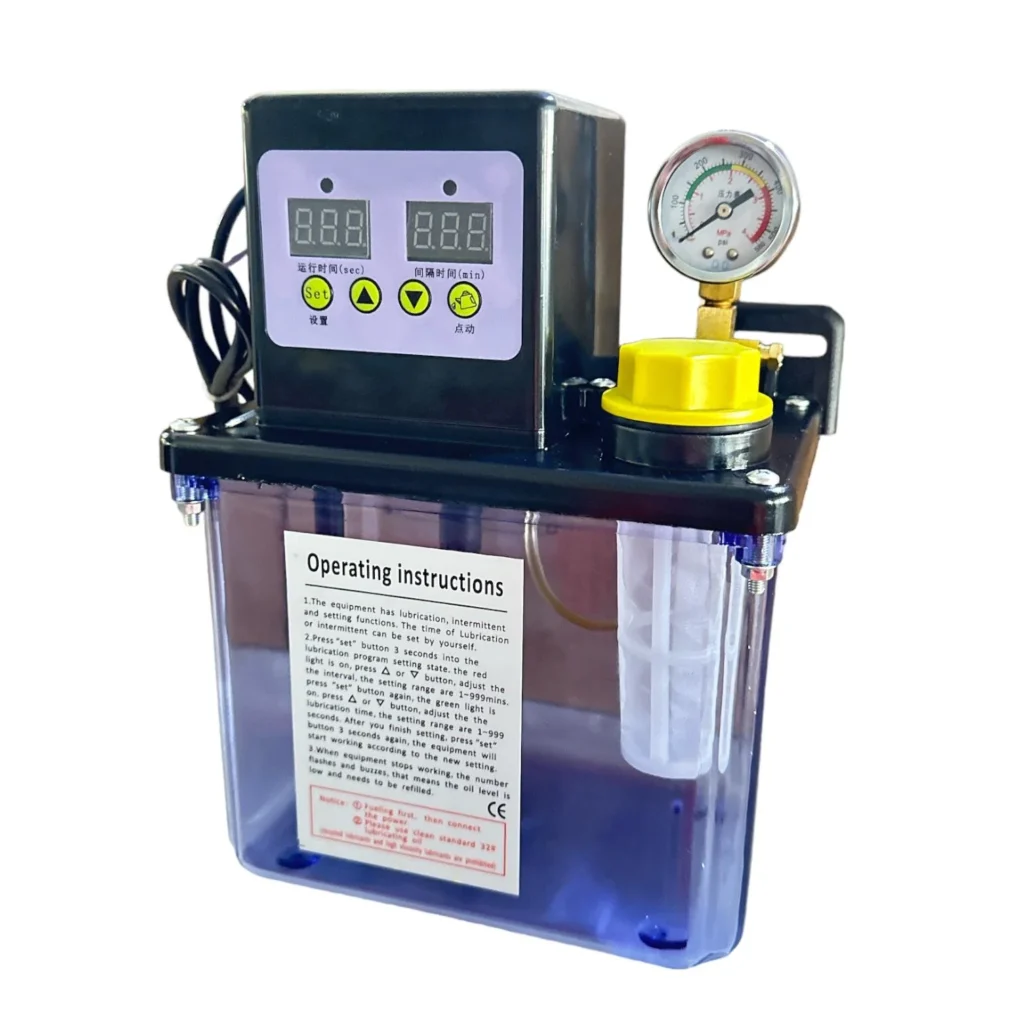
- Periodic Checks and Inspections: Regular visual inspection of lubrication hoses and fittings is crucial. Check for cracks, kinks, crushing, leaks, or signs of wear. Monitor pressure gauges and flow monitors on centralized lubrication systems for sudden drops in pressure or flow interruptions. Thermal cameras can help identify potential under-lubricated areas by detecting overheating.
- Proper Lubricant Selection and Management: Selecting the correct lubricant with the appropriate viscosity and properties for each machine and application is essential. The quality, lifespan, and compatibility of the lubricant directly impact the risk of clogging. Preventing contamination during lubricant storage and refilling is vital. Dirty or unsuitable lubricants are primary causes of sediment buildup and blockages within hoses. Oil analysis is a powerful tool for periodically assessing lubricant condition and contamination levels.
- Hose and Fitting Quality and Installation: Hoses and fittings used in lubrication systems must be made of high-quality materials suitable for the operating pressure, temperature, and chemical environment. Cutting hoses to the correct length, avoiding sharp bends, and ensuring proper tightening torque during installation prevent damage to the hose’s internal structure, reducing clog risk and leaks. Using inexpensive or low-quality components can lead to greater costs in the long run.
- Effectiveness of Filtration Systems: Regularly inspecting, cleaning, and replacing filters in lubrication systems is essential for removing particulate matter from the lubricant. Effective filtration prevents clogging of hoses and other sensitive components, enhancing overall system reliability. Filters are the first line of defense and should not be neglected.
- Early Warning and Monitoring Systems: Integrating early warning systems such as pressure sensors, flow monitors, level sensors, and even vibration analyzers into lubrication systems, in line with Industry 4.0 principles, can detect potential clogs or lubrication failures before they escalate. These systems allow maintenance teams to intervene proactively, minimizing unplanned downtime.
- Trained Personnel: Machine operators and maintenance technicians must possess adequate knowledge of lubrication system principles, potential failure indicators, and basic troubleshooting methods. Accurate diagnosis and prompt intervention can prevent a minor issue from becoming a major breakdown.
Common Issues and Solutions for Lubrication Hose Clogs
Lubrication hose clogs manifest in various ways, and accurate diagnosis coupled with swift action is critical for machine health.
- Issue 1: Abnormal Noises and Vibrations
- Causes: Increased friction between metal surfaces due to insufficient lubrication, formation of play in bearings, wear in gears, and irregular contact. This leads to grinding, rubbing, or knocking sounds from the machine.
- Solutions: Immediately inspect the lubrication system for clogs or low lubricant levels. Verify that the correct lubricant is being used and that the pump is functioning correctly. Clean or replace any clogged hoses or filters. Check and adjust bearing preloads if necessary.
- Issue 2: Overheating of Components
- Causes: Direct metal-to-metal contact due to lack of lubrication generates significant heat. This can be observed in bearings, spindle motors, or linear guide rail systems.
- Solutions: Use thermal imaging to pinpoint hot spots. Check the lubrication system’s integrity and flow. Ensure all lubrication points are receiving lubricant. If overheating persists after addressing lubrication, inspect the component for internal damage or excessive load.
- Issue 3: Premature Wear and Component Failure
- Causes: Chronic insufficient lubrication leads to accelerated wear on critical parts like ball screws, linear guides, bearings, and gears. This results in reduced precision, increased backlash, and eventual component seizure.
- Solutions: Perform a thorough inspection of all lubricated components. Replace any excessively worn parts. Implement a strict preventative maintenance schedule for the lubrication system, including regular hose checks and lubricant changes. Consider upgrading to a more robust lubrication system if the current one is inadequate for the machine’s operating conditions.
- Issue 4: System Pressure Fluctuations or Loss
- Causes: A partially or fully clogged hose restricts lubricant flow, causing pressure to build up before the blockage and drop significantly downstream. This can trigger error codes or system shutdowns.
- Solutions: Use a pressure gauge to identify the location of the pressure drop. Disconnect sections of the hose to isolate the clog. Flush the affected hose with a suitable solvent or compressed air. Replace hoses that are damaged internally or show signs of degradation. Ensure all connections are secure and free from obstructions.
Regular maintenance and prompt attention to these issues can prevent minor problems from escalating into costly breakdowns, ensuring your CNC router machine operates at peak performance.
For expert advice on maintaining your industrial CNC router or to inquire about advanced lubrication systems, please contact us.
Ready to ensure your machinery runs smoothly? Request a quote on WhatsApp today!
Related product categories: Electronics · Combination Packages · Linear Guides, Bearings, and Housings
