







































































What Happens If Spindle Cooling Water Stops Circulating?
📑 Table of contents (Click to open)
A stopped spindle cooling water system leads to rapid overheating, damaging bearings, motor windings, and reducing precision. This results in costly repairs and production downtime. Learn how to prevent these issues.
Practical notes for CNC router, automation and industrial motion systems.
The Critical Role of Spindle Cooling Water Circulation in CNC Operations
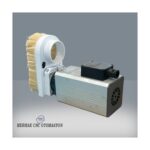
In industrial automation, particularly with CNC router machines, laser cutting systems, and high-speed machining centers, the spindle is the heart of the operation. It rotates the cutting tool at high speeds to shape materials. This high-speed rotation and the forces involved in machining generate significant heat within the spindle. Effective heat dissipation is crucial for maintaining spindle performance, longevity, and machining accuracy. This is where the spindle cooling water circulation system plays a vital role. It ensures that the heat generated is efficiently removed, keeping the spindle’s operating temperature within optimal limits. If this cooling water circulation stops or becomes insufficient, the spindle can overheat, leading to a cascade of severe technical and operational problems, including permanent damage and expensive repairs.
Understanding Spindle Cooling System Operation
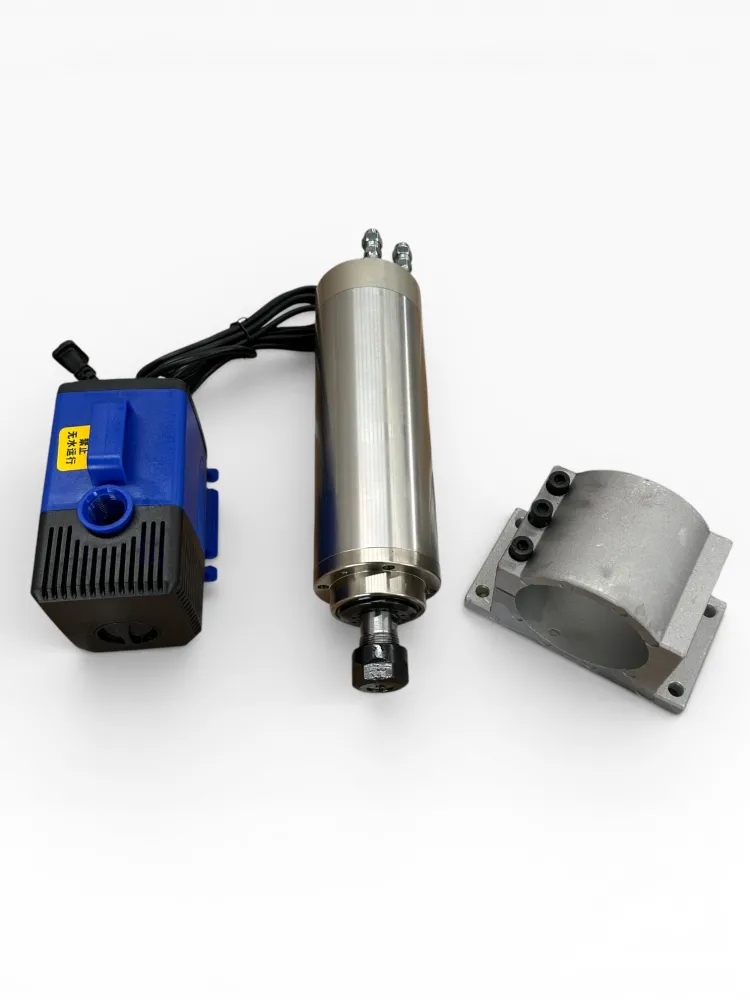
Spindle cooling systems typically operate on a closed-loop principle. They consist of a chiller unit, a pump, a water reservoir, filters, flow sensors, and temperature sensors, all integrated with cooling channels within the spindle itself. The pump circulates coolant from the chiller, where it has been cooled, into the spindle’s cooling jacket. As the coolant absorbs heat from the spindle, it warms up and returns to the chiller for re-cooling. This continuous cycle maintains the spindle’s temperature within a specific range, usually between 20-25°C. This temperature control is critical for the lifespan of bearings, the integrity of motor windings, and managing thermal expansion. When cooling water circulation ceases, heat rapidly accumulates, causing:
- Bearing Damage: Elevated temperatures degrade bearing lubricants, increasing friction and leading to premature wear or seizure. This directly impacts machining precision and increases vibration.
- Motor Winding Insulation Failure: The insulation on the spindle’s internal motor windings has a specific temperature tolerance. Overheating can cause this insulation to melt, crack, or carbonize, leading to short circuits and motor failure.
- Thermal Expansion and Precision Loss: Metals expand when heated. Excessive spindle heat causes differential thermal expansion in the spindle and connected components, resulting in dimensional inaccuracies, poor surface finish, and compromised overall geometric accuracy.
- Reduced Tool Life: Overheating can transfer to the tool holder and cutting tool, negatively affecting cutting performance and shortening tool life.
- Damage to Sensors and Electronics: Internal sensors (temperature, speed, position) and other electronic components within the spindle are also vulnerable to damage from high temperatures.
An effective cooling system must maintain a consistent flow rate (liters per minute) and pressure (bar) of coolant. Flow and temperature sensors monitor these parameters, alerting the control system to any deviations. Alarms or automatic machine shutdowns can prevent more severe damage.
| Parameter | Value/Description |
|---|---|
| Spindle Type | Typically Water-Cooled High-Speed Motor Spindles |
| Cooling Fluid | Deionized Water or Low Concentration Ethylene Glycol Mixture |
| Ideal Operating Temperature | 20-25°C (Can be up to +5°C above ambient) |
| Max Temperature Tolerance | Generally 30-35°C (Above this is risky, varies by manufacturer) |
| Minimum Flow Rate | 3-10 Liters/Minute (Varies with spindle power) |
| Pressure Range | 0.1 – 0.3 MPa (1-3 Bar) |
| Cooling Capacity Requirement | 20-30% of Spindle Power (in kW) |
| Cooling System Type | Closed-Loop Chiller System |
Key Maintenance and Operational Checks
- Regular Maintenance and Cleaning: To ensure system efficiency, regular maintenance is essential. This includes cleaning or replacing chiller filters, cleaning the water reservoir, and periodically checking and replacing the coolant. Clogged filters reduce flow rate and cooling capacity. Monitor the coolant’s pH level and conductivity, and use corrosion and antifreeze inhibitors as recommended.
- Monitor Flow and Temperature Sensors: Modern CNC machines are equipped with sensors that continuously monitor coolant flow and temperature. Operators must regularly check these readings. Any drop in flow rate or rise in temperature requires immediate attention. Periodic calibration of sensors ensures accuracy.
- Leak Checks and Connection Integrity: Hoses, fittings, and seals in the cooling system can wear out or loosen over time, leading to leaks. Leaks reduce coolant levels and can cause the pump to draw air. Regular visual inspections should identify and address leaks promptly. Ensure all connections are secure and properly made.
- Coolant Quality and Level: Using the correct type and quality of coolant is vital for system performance. Opt for deionized or distilled water instead of tap water, and add manufacturer-recommended corrosion inhibitors and algaecides. Regularly check the coolant level and top up as needed. Low levels can lead to pump cavitation or dry running.
- Chiller Unit Inspection: Ensure the chiller’s condenser and evaporator coils are clean, airflow is unobstructed, and refrigerant levels are adequate. The chiller’s capacity must match the spindle’s heat load. Avoid placing the chiller in areas with extreme temperature fluctuations.
- Pump Performance Verification: Confirm the cooling water pump is operating correctly. Check its flow rate and pressure output. Listen for unusual noises, vibrations, or signs of overheating from the pump motor, which could indicate an impending failure.

Common Issues and Solutions
Problems with spindle cooling water circulation often share similar symptoms but can stem from various causes. For instance, a low flow alarm might be triggered by a clogged filter, a failing pump, a kinked hose, or a leak in the system. Similarly, a high-temperature alarm could indicate insufficient coolant flow, a malfunctioning chiller, or an excessively high ambient temperature. Identifying the root cause through systematic troubleshooting is key. This might involve checking sensor readings, inspecting filters and hoses, verifying chiller operation, and confirming pump performance. Addressing these issues promptly prevents costly damage to the industrial CNC router and ensures uninterrupted production.
Don’t let cooling system failures halt your operations. Ensure regular maintenance and prompt attention to any alerts. For reliable CNC router machines and expert support, contact us.
Ready to optimize your CNC operations? Request a quote on WhatsApp today!
Related product categories: Genel · Gdz Motor · Spindle Motor Ve Sürücüler
