





































































What is a Sheet Metal Enclosure? Where is it Used in Electrical Systems?

📑 Table of contents (Click to open)
Sheet metal enclosures are essential protective housings for electrical and automation components. They organize, protect, and ensure safe operation in diverse industrial and building applications, from power distribution to motor control.
Practical notes for CNC router, automation and industrial motion systems.
Understanding Sheet Metal Enclosures in Electrical Systems
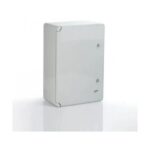
Sheet metal enclosures are fundamental components in electrical and automation systems, serving as protective housings for various devices. Typically constructed from steel, galvanized steel, or stainless steel, these enclosures safeguard sensitive electrical and electronic equipment—such as contactors, circuit breakers, PLCs, relays, and terminals—from external environmental factors like dust, moisture, water, impacts, and chemical agents. They also prevent unauthorized access, enhancing operational safety. Beyond protection, sheet metal enclosures play a crucial role in organizing complex wiring and components, making systems more manageable, maintainable, and efficient.
The applications for sheet metal enclosures are extensive and integral to modern electrical infrastructure:
- Industrial Automation Systems: Widely used in factories for controlling production lines, housing motor drives, PLC systems, and SCADA panels. Machine control panels and power/control units for robotic systems are common examples.
- Power Distribution Systems: Employed in substations, transformer stations, main building power inlets, and secondary distribution points for the safe distribution and protection of electrical energy. Key examples include Main Distribution Boards (MDBs), compensation panels, and Motor Control Centers (MCCs).
- Building Automation Systems: In smart buildings, they house control units for lighting, HVAC (Heating, Ventilation, and Air Conditioning), security systems (cameras, fire detection), and access control.
- Water and Wastewater Treatment Plants: Automation panels controlling pumps, valves, and sensors often utilize stainless steel enclosures to withstand high humidity and corrosive environments.
- Telecommunications and Data Centers: Provide protective housing for communication equipment, servers, and network devices, where thermal management and EMC protection are paramount.
- Renewable Energy Systems: Used for inverters, charge controllers, and distribution panels in solar (photovoltaic) and wind energy plants.
- Infrastructure Projects: Protect signaling, lighting, and control systems in tunnels, bridges, highways, and railways.
In essence, sheet metal enclosures are the vital core of electrical and automation systems, ensuring the reliable, continuous, and efficient operation of critical equipment by shielding them from external threats.
Operational Principles and Technical Specifications
The primary function of a sheet metal enclosure is to isolate internal electrical and automation components from the external environment, creating a physical barrier that protects both the equipment’s lifespan and the safety of personnel. The design and manufacturing consider factors like thermal management, cable routing, and electromagnetic compatibility (EMC) for optimal component performance. Modern enclosures offer both passive and active protection mechanisms.
Passive Protection: The metal structure itself provides a barrier against physical impacts, dust, and water. The material type and thickness (e.g., galvanized steel, stainless steel, or aluminum) and surface treatments (like electrostatic powder coating for corrosion resistance) determine the level of protection. Door seals and cable glands ensure ingress protection according to IP (International Protection) ratings. Proper grounding is essential for electrical safety and EMC (Electromagnetic Compatibility).
Active Protection and Management: Beyond passive shielding, enclosures can incorporate active systems for optimal internal conditions. Thermal management is crucial for components that consume high power or generate heat. This is achieved through ventilation louvers, fan units, filtered fan units, or industrial air conditioners. Internal lighting aids service and maintenance, while modular mounting plates, cable trunking, and rail systems facilitate organized component placement. Locking mechanisms prevent unauthorized access.
| Parameter | Value/Description |
|---|---|
| Material Type | Galvanized Steel (DC01, DX51D+Z), Stainless Steel (304, 316), Aluminum |
| Sheet Thickness | Typically 1.0 mm to 2.0 mm (varies by application) |
| Surface Treatment | Electrostatic powder coating in RAL colors, high corrosion resistance |
| Protection Rating (IP) | IP54, IP55, IP65, IP66 (Level of protection against dust and water) |
| Impact Resistance (IK) | IK08, IK10 (Resistance to mechanical impacts) |
| Thermal Management | Natural ventilation, filtered fan, air conditioner unit, heater integration |
| Mounting Type | Wall-mount, floor-mount (freestanding), modular, console type |
| Applicable Standards | IEC 61439, EN 62208, UL 508A, CE compliance |
On-Site Considerations for Sheet Metal Enclosures
- Proper Selection and Sizing: Choose an enclosure based on the total volume and thermal load of internal equipment, environmental conditions (dust, moisture, temperature, chemical exposure), and required protection class (IP, NEMA). Undersized enclosures can lead to overheating and maintenance issues, while oversized ones increase costs and space requirements. Consider future expansion needs.
- Mounting and Placement: Install enclosures on a stable, vibration-free surface or wall. Ensure adequate clearance around the enclosure for ventilation and maintenance access. For outdoor installations, avoid direct sunlight and areas prone to water pooling. Proper grounding connections are critical.
- Cable Management and Labeling: Organize wiring neatly within the enclosure using cable trunking, ties, and markers. Separate power and signal cables to minimize electromagnetic interference. Clearly label all terminals and devices to facilitate maintenance and troubleshooting.
- Thermal Management: Select appropriate thermal management solutions (natural ventilation, filtered fans, or air conditioners) based on the internal heat load. Regularly clean fans and filters to maintain cooling efficiency. Heaters may be necessary in cold environments to prevent condensation.
- Safety and Accessibility: Ensure enclosure doors and locking mechanisms prevent unauthorized access. Emergency stop buttons and accessible service points should be considered in the design.
By adhering to these principles, you ensure the longevity, safety, and optimal performance of your electrical and automation systems. For robust and reliable sheet metal enclosure solutions tailored to your industrial needs, request a quote on WhatsApp.
Related product categories: Genel · Plastik Pano · Plastik Pano
