





































































Plastic vs. Metal Electrical Enclosures: Key Differences for Industrial Applications

📑 Table of contents (Click to open)
- Understanding Electrical Enclosures: Plastic vs. Metal
- Operational Principles and Technical Specifications
- Plastic Enclosures: Material Properties and Advantages
- Metal Enclosures: Material Properties and Advantages
- Comparative Technical Data
- Choosing the Right Enclosure for Your Industrial Needs
- Conclusion
Discover the essential distinctions between plastic and metal electrical enclosures. Ideal for industrial buyers, this guide details material properties, protection levels, and application suitability for environments requiring CNC routers, automation controls, and robust electrical protection.
Practical notes for CNC router, automation and industrial motion systems.
Understanding Electrical Enclosures: Plastic vs. Metal
In industrial automation and electrical systems, protecting sensitive electronic components and electrical equipment from external factors is paramount. This ensures a safe operating environment and maintains system integrity. Electrical enclosures, often referred to as control panels or automation panels, are crucial for this purpose. They are primarily manufactured from two distinct material types: plastic and metal. Each type is engineered to meet specific application demands, with the choice often dictated by factors such as environmental conditions, required mechanical strength, electrical characteristics, and budget.
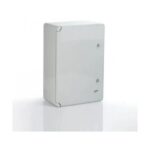
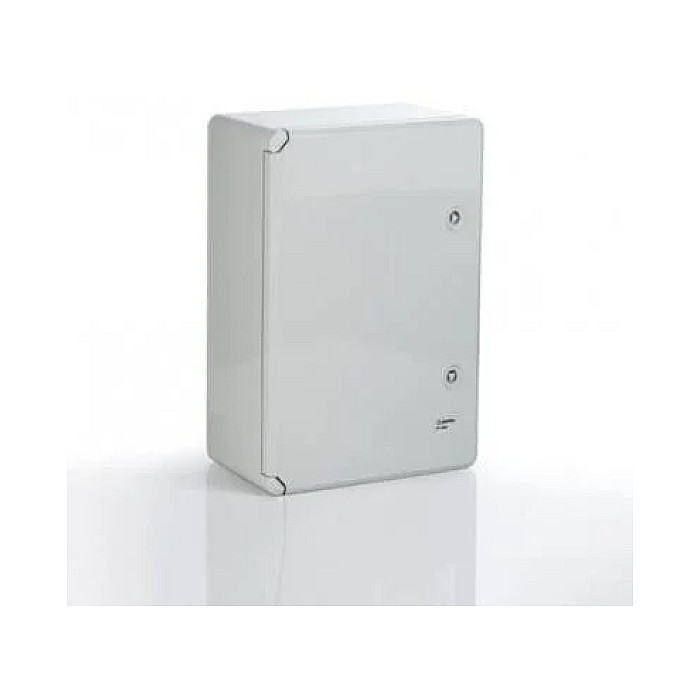
Plastic enclosures are typically constructed from materials like polyester (GRP/SMC), polycarbonate (PC), or ABS. Their inherent insulating properties reduce the risk of electric shock and offer a degree of protection against external electrical noise (EMI/RFI), while also acting as a barrier against external interference. Their excellent resistance to corrosion makes them a preferred choice in chemical plants, marine applications, food processing facilities, and generally in humid or corrosive environments. Their lightweight nature also simplifies handling and installation.
Conversely, metal enclosures are usually made from sheet steel, galvanized steel, stainless steel (grades 304, 316), or aluminum. The primary advantage of metal enclosures is their high mechanical strength, providing superior protection against impacts, vibrations, and physical stress. When properly grounded, they function as a Faraday cage, effectively shielding internal components from electromagnetic interference (EMI) and radio frequency interference (RFI). Metal’s good thermal conductivity also facilitates heat dissipation, which is vital for high-power equipment. They are commonly used in heavy industry, power plants, machine automation, and hazardous environments (e.g., Ex-proof enclosures).
The fundamental differences extend beyond material composition, influencing a range of technical and operational aspects critical for selecting the right enclosure. Making the correct choice directly impacts system reliability, lifespan, and maintenance costs.
Operational Principles and Technical Specifications
The core function of industrial enclosures is to safeguard the electrical and electronic equipment housed within, prevent unauthorized access, and ensure safe system operation. Plastic and metal enclosures achieve this through their distinct material properties.
Plastic Enclosures: Material Properties and Advantages
Plastic enclosures excel in applications demanding electrical insulation and corrosion resistance. Key materials include:
- Polyester (GRP/SMC): Glass Reinforced Polyester (GRP) or Sheet Molding Compound (SMC) offers high mechanical strength, UV resistance, and chemical resistance, making it ideal for outdoor and demanding industrial settings. As a thermoset material, it maintains its shape at high temperatures.
- Polycarbonate (PC): Known for its high impact resistance, transparency (for models with transparent covers), and UV resistance. It’s a lightweight and easily workable thermoplastic.
- ABS (Acrylonitrile Butadiene Styrene): A more economical option, typically used for indoor applications or less demanding outdoor conditions. Its impact resistance is lower than polycarbonate, and its UV resistance is more limited.
Advantages:
- Insulation: Inherently electrically insulating, reducing the risk of electric shock and simplifying grounding requirements.
- Corrosion Resistance: Excellent resistance to moisture, chemicals, saltwater, and acids, crucial for chemical, marine, and food industries.
- Lightweight: Significantly lighter than metal enclosures, reducing transportation, handling, and installation costs.
- UV Resistance: Particularly polyester and polycarbonate variants offer high resistance to sunlight, ensuring longevity in outdoor use.
- Low Maintenance: Do not require rust prevention or repainting.

Metal Enclosures: Material Properties and Advantages
Metal enclosures are indispensable for applications requiring durability and electromagnetic shielding. Common materials include:
- Sheet Steel (Carbon Steel): The most common material, typically finished with electrostatic powder coating for corrosion protection. Suitable for indoor and less corrosive outdoor environments.
- Stainless Steel (304, 316): Offers superior corrosion resistance, especially grade 316, making it ideal for food, pharmaceutical, chemical, and marine industries where hygiene and corrosion are critical.
- Aluminum: Offers a good balance of light weight and corrosion resistance. However, it generally has lower mechanical strength than steel and can be more expensive. It is a good thermal conductor.
Advantages:
- Mechanical Strength: High resistance to impacts, vibrations, and physical stress, essential in heavy industry and machine automation.
- EMI/RFI Shielding: Properly grounded metal enclosures act as Faraday cages, protecting sensitive equipment from external electromagnetic and radio frequency interference, vital for data centers and telecommunications.
- Heat Dissipation: Metals are good thermal conductors, efficiently dissipating heat generated by internal components, preventing overheating of high-power equipment.
- Grounding: Metallic construction facilitates easy and effective grounding systems.
- Fire Resistance: Generally offer higher fire resistance compared to plastic enclosures.
Comparative Technical Data
| Parameter | Plastic Enclosure (Polyester/Polycarbonate) | Metal Enclosure (Steel/Stainless Steel) |
|---|---|---|
| Material Structure | Insulating, composite or thermoplastic | Conductive, ferromagnetic or non-ferromagnetic |
| Mechanical Strength | Medium – High (Better in Polyester) | Very High (Impact, vibration resistance) |
| Corrosion Resistance | Excellent (Chemicals, moisture, saltwater) | Variable (Coated steel requires protection, Stainless steel excellent) |
| Thermal Management | Low thermal conductivity (Risk of internal heat buildup) | High thermal conductivity (Better heat dissipation) |
| EMI/RFI Shielding | Limited (Can be enhanced with specific designs) | Excellent (When properly grounded) |
| Weight | Light | Heavy |
| Cost | Generally lower initial cost | Generally higher initial cost (depends on material) |
| Typical Applications | Corrosive environments, outdoor installations, low-power electronics, food & beverage, water treatment | Heavy industry, machine tools (e.g., CNC routers), high-power systems, areas requiring high mechanical protection or EMI shielding |
Choosing the Right Enclosure for Your Industrial Needs
The selection between a plastic and a metal enclosure hinges on a thorough assessment of the operating environment and the equipment being housed. For instance, a CNC router machine operating in a workshop environment with potential dust and coolant exposure might benefit from a robust metal enclosure to protect its sensitive motion control systems, servo drives, and spindle motor from debris and electromagnetic interference. The linear guide rails and vacuum table components also require protection from contaminants.
In contrast, an electrical control panel for a water treatment plant, exposed to high humidity and corrosive chemicals, would be better suited for a high-grade plastic enclosure, such as one made from GRP or UV-resistant polycarbonate. This choice leverages the material’s inherent resistance to corrosion and its insulating properties, reducing maintenance needs and enhancing safety.
Consider these key questions when making your decision:
- Environmental Factors: Will the enclosure be exposed to moisture, chemicals, extreme temperatures, UV radiation, or saltwater?
- Mechanical Stress: Is high impact resistance, vibration dampening, or protection against physical damage required?
- Electrical Interference: Does the housed equipment require protection from EMI/RFI, or does it generate significant interference?
- Thermal Load: Will the equipment generate substantial heat that needs efficient dissipation?
- Safety Regulations: Are there specific safety standards (e.g., IP ratings, NEMA types, hazardous area classifications) that must be met?
- Budget and Installation: What are the cost constraints, and what are the requirements for ease of installation and maintenance?
For applications involving complex machinery like industrial CNC routers, where precision and protection are critical, metal enclosures often provide the necessary robustness and shielding. However, for less demanding environments or where corrosion is a primary concern, plastic enclosures offer a cost-effective and durable solution.
Conclusion
Both plastic and metal enclosures play vital roles in industrial automation, offering distinct advantages tailored to specific operational contexts. Plastic enclosures provide excellent insulation, corrosion resistance, and lightweight benefits, making them ideal for harsh chemical or humid environments. Metal enclosures deliver superior mechanical strength, effective EMI/RFI shielding, and better heat dissipation, essential for heavy-duty applications and sensitive electronic equipment. By carefully evaluating the environmental conditions, mechanical demands, and electrical requirements of your application, you can select the most appropriate enclosure to ensure the safety, reliability, and longevity of your industrial systems.
Need expert advice on selecting the right enclosure for your industrial automation needs?
Contact us on WhatsApp for a personalized quote and consultation!
Related product categories: Plastik Pano · Genel · Mafsallı Plastik Oynar Ayak
