No products in the cart.
Pneumatic Fittings Explained: Types for Hose Connections in Industrial Automation
Contents
Pneumatic fittings are crucial for connecting hoses and tubes in industrial automation systems. This guide explores common types like push-to-connect, threaded, and compression fittings, helping you choose the right one for your application.
Mermak CNC Technical Guide
Practical notes for CNC router, automation and industrial motion systems.
What are Pneumatic Fittings? Types for Hose Connections in Industrial Automation
Pneumatic fittings are critical connection components in industrial automation systems, ensuring the safe, leak-free, and rapid connection of hoses and tubes that carry air or other gases. They link these conduits to other pneumatic components, enabling efficient operation. In industrial automation, the reliability of every pneumatic connection is vital for the overall performance and efficiency of the system. Incorrectly selected or poorly installed fittings can lead to air leaks, energy loss, system malfunctions, production downtime, and safety hazards.
The choice of pneumatic fitting depends heavily on specific application requirements. Common types include push-to-connect fittings, favored for their ease and speed of installation; threaded fittings, offering robust connections; compression fittings, ideal for high-pressure or vibrating environments; and quick-disconnect couplings, designed for frequent assembly and disassembly. Understanding the technical details, operating principles, and best practices for each type is essential for industrial automation specialists to ensure the longevity, efficiency, and safety of their systems.
Operating Principles and Technical Data of Pneumatic Fittings
A thorough understanding of pneumatic fittings is fundamental for designing and maintaining industrial automation systems. Each fitting type operates on specific principles and possesses distinct technical characteristics. Here, we delve into the primary fitting types, their operational mechanisms, and key technical specifications.
Push-to-Connect Fittings
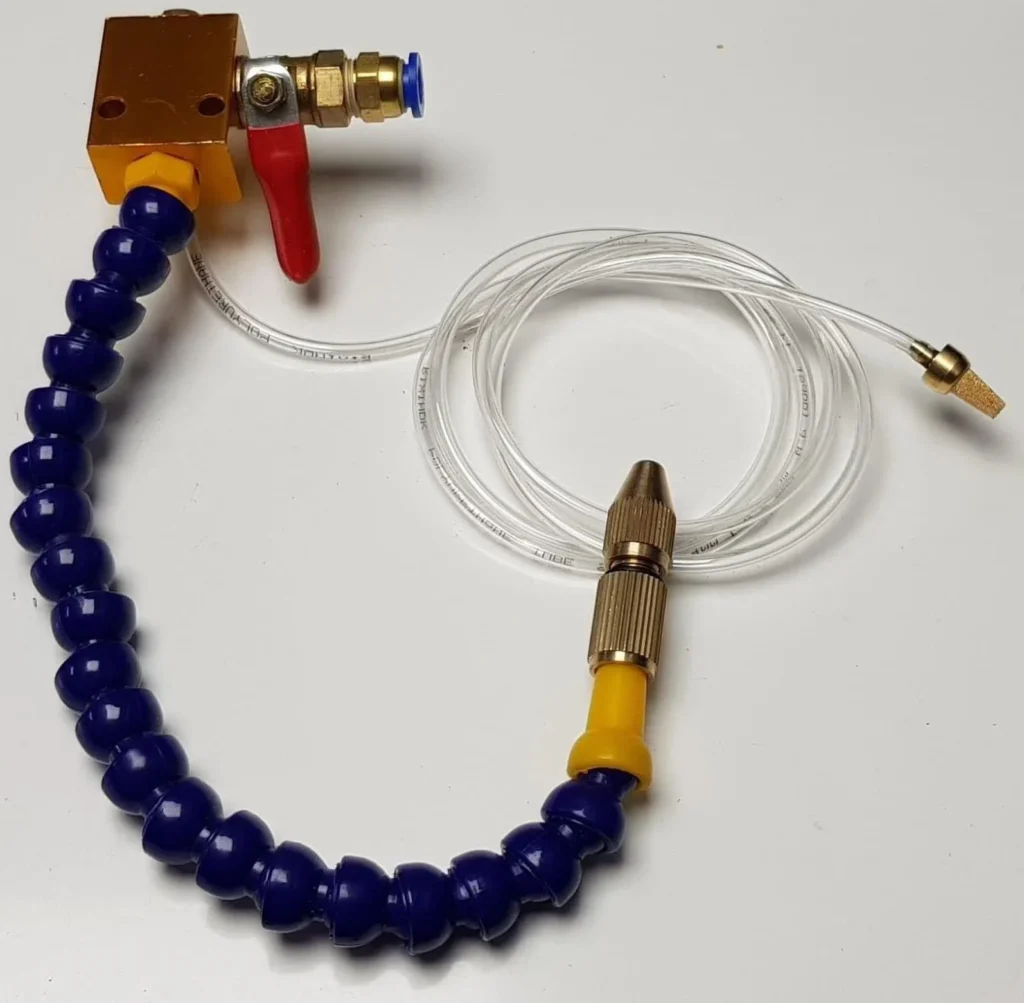
Push-to-connect fittings are among the most popular and user-friendly connectors in industrial automation. They allow for quick and easy hose installation by simply pushing the hose into the fitting until it locks. Removal is equally simple, requiring a press on a release collar. These fittings are typically made from thermoplastic materials like PA, PP, or POM, but options in nickel-plated brass or stainless steel are available for more demanding applications. The internal mechanism features a collet that grips the hose and an O-ring for sealing. The collet prevents the hose from dislodging when pulled, while the O-ring ensures an airtight seal.
Technical Data:
- Working Pressure: Generally from -0.95 bar (vacuum) up to 10-15 bar. High-pressure versions can reach 20 bar.
- Working Temperature: -20°C to +80°C (varies by material).
- Hose Diameters: Commonly available for outer diameters ranging from 4 mm to 16 mm.
- Application Areas: Robotics, packaging machinery, assembly lines, and general pneumatic applications.
- Advantages: Fast assembly and disassembly, reusable, wide variety of configurations (straight, elbow, T, Y, cross, etc.).
- Disadvantages: Performance may be limited in high-vibration or very high-pressure applications.
Threaded Fittings
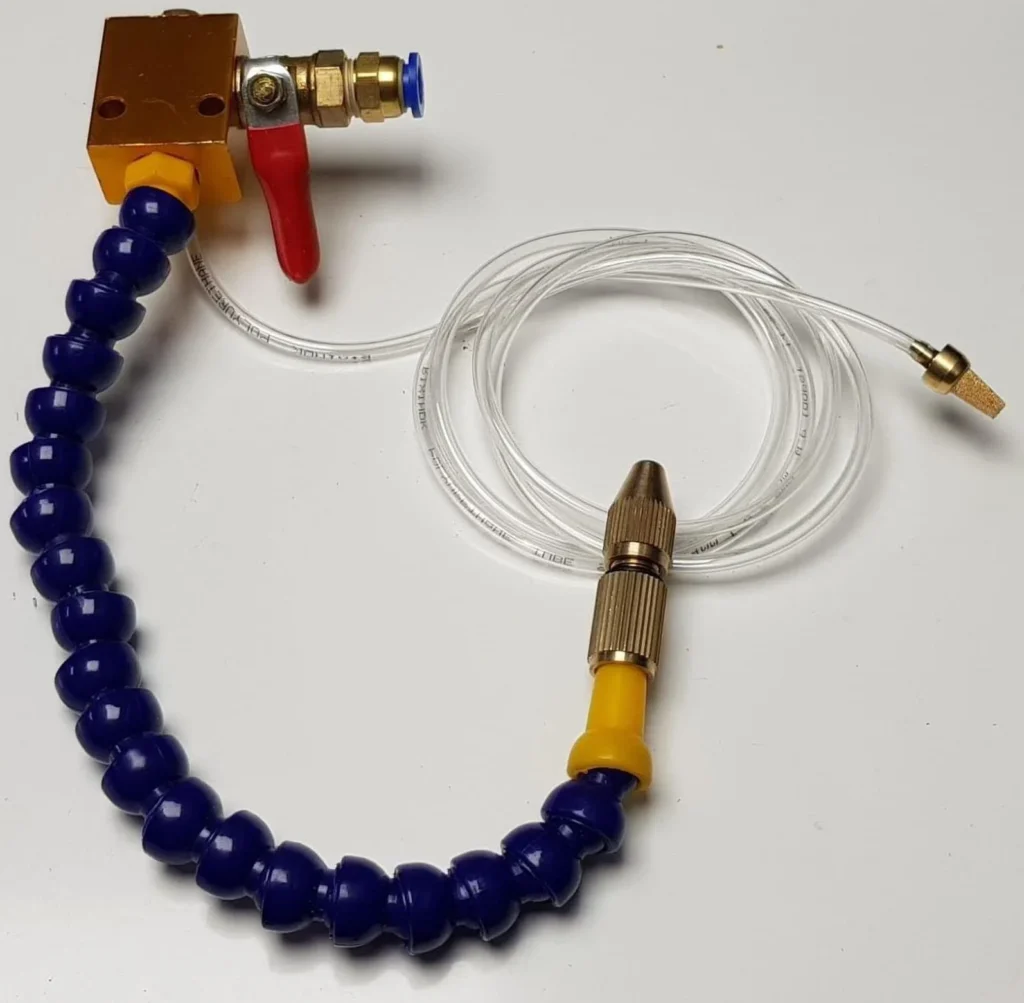
Threaded fittings represent a fundamental and robust method for connections in pneumatic systems. They screw directly into the threaded ports of components like valves, cylinders, or other fittings. These fittings are typically manufactured from metals such as brass, nickel-plated brass, or stainless steel. Thread types vary according to international standards:
- BSP (British Standard Pipe): Common in Europe and Commonwealth countries. Available in tapered (BSPT) and parallel (BSPP) threads. Tapered threads provide self-sealing, while parallel threads require a gasket (O-ring, washer).
- NPT (National Pipe Taper): A tapered thread standard prevalent in North America. Its conical shape ensures sealing, but the use of PTFE tape or liquid sealant is recommended.
- Metric Threads: Used in Japan and some European countries. Typically parallel threads conforming to ISO standards, requiring a gasket.
Threaded fittings are often used in conjunction with other fitting types (e.g., a fitting with one threaded end and one push-to-connect end) to connect a hose to a device.
Technical Data:
- Working Pressure: Can withstand pressures of 20 bar and above (depending on material and thread type).
- Working Temperature: -40°C to +200°C (depending on material and sealing element).
- Application Areas: All pneumatic systems, especially those involving high pressure, high temperature, or vibration.
- Advantages: High strength, reliable sealing (with proper installation), wide range of material and size options.
- Disadvantages: Slower to install than push-to-connect fittings; may require additional sealing materials.

Compression Fittings
Compression fittings are used for securely connecting metal or rigid plastic tubing in high-pressure and vibrating applications. These fittings consist of a body, a nut, and one or two ferrules (sleeves). When the nut is tightened, the ferrule compresses onto the tubing, creating both a mechanical grip and a leak-proof seal. They are commonly made from durable materials like brass, stainless steel, or Monel.
Technical Data:
- Working Pressure: Capable of handling very high pressures, up to 200 bar.
- Working Temperature: -60°C to +250°C (depending on material and ferrule type).
- Application Areas: High-pressure air lines, hydraulic systems, chemical processing, precision instrumentation.
- Advantages: Extremely robust and leak-proof connections, resistant to high pressure and vibration.
- Disadvantages: Installation can be more time-consuming and may require specialized tools. Reusability can be limited, especially with single-use ferrules.

Quick-Disconnect Couplings
Quick-disconnect couplings are designed for applications where pneumatic tools or components need to be connected and disconnected frequently and rapidly. They typically consist of two parts: a coupler and a nipple. When the nipple is inserted into the coupler, it locks automatically, establishing an air flow. A sleeve or button on the coupler allows for quick disconnection. These are available in various standards (e.g., ISO standards like ISO 6150 B, or industrial standards like Nitto-style) to ensure compatibility.
Technical Data:
- Flow Rate: Varies significantly by size and standard, designed for minimal pressure drop.
- Working Pressure: Typically up to 10-15 bar, though some industrial types can handle higher pressures.
- Working Temperature: -20°C to +100°C (varies by seal material).
- Application Areas: Pneumatic tools, assembly lines, maintenance tasks, any situation requiring rapid connection/disconnection of air lines.
- Advantages: Extremely fast connection and disconnection, reduces downtime during tool changes or maintenance.
- Disadvantages: Can be more prone to leaks if not properly maintained or if debris enters the mechanism. Some types may have higher initial cost.
Selecting the Right Pneumatic Fitting
Choosing the correct pneumatic fitting is crucial for system performance and safety. Consider the following factors:
- Application Pressure and Temperature: Ensure the fitting’s specifications exceed the maximum operating pressure and temperature of your system.
- Hose/Tubing Type and Size: The fitting must be compatible with the outer diameter and material of the hose or tubing.
- Vibration and Movement: For high-vibration environments, threaded or compression fittings may be more suitable than standard push-to-connect types.
- Connection/Disconnection Frequency: If frequent changes are needed, quick-disconnect couplings are the most efficient choice.
- Environmental Conditions: Corrosive environments might require stainless steel or specialized plastic fittings.
- Cost and Ease of Installation: Push-to-connect fittings offer a balance of cost, ease of use, and performance for many general applications.
Properly selected and installed pneumatic fittings are essential for the reliable operation of any automated system, from advanced CNC router machines to simpler pneumatic circuits. They ensure that compressed air is delivered efficiently and safely, supporting the seamless functioning of industrial machinery.
For robust and reliable pneumatic solutions tailored to your industrial needs, including those for your CNC machinery, explore our range of components. If you require specific advice or custom solutions, do not hesitate to reach out.
Ready to optimize your pneumatic systems? Request a quote on WhatsApp today!
Related product categories: Genel · Ayak Bağlantı Parçaları · Bağlantı Sacları ve Proje Ürünleri