








































































What is an Electrical Panel? How is it Designed in Machine Control Systems?

📑 Table of contents (Click to open)
Practical notes for CNC router, automation and industrial motion systems.
An electrical panel is the brain and heart of machine control systems, serving as a critical enclosure that distributes, controls, and protects electrical energy in industrial automation. Its design integrates components like PLCs, contactors, drives, and safety relays, adhering to international standards to ensure the safe, efficient, and precise operation of machinery.
An indispensable part of industrial automation, the electrical panel is a centralized structure that houses, protects, and manages all the electrical components of a machine or production line. Fundamentally, it ensures the safe distribution of electrical energy from the facility’s entry point to various machine components, processes control signals, and protects the entire system against electrical faults such as overloads and short circuits. In machine control systems, the electrical panel is not just an enclosure but an ecosystem where critical hardware like PLC (Programmable Logic Controller), HMI (Human-Machine Interface), Variable Frequency Drives (VFDs), servo drives, motor starters, contactors, relays, fuses, and terminal blocks operate in harmony. The design of these panels requires a detailed engineering process, considering the machine’s functionality, safety, ease of maintenance, and future expansion needs.
The primary purpose of an electrical panel is to provide the correct voltage and current levels to meet the machine’s operational requirements, guarantee operator and equipment safety, and minimize production downtime by protecting the system during fault conditions. In modern automation systems, the intelligent and modular structure of panels offers rapid fault detection and easy integration capabilities. During the design process, aspects such as electrical load calculations, cable cross-sections, selection of protective devices, thermal management, and electromagnetic compatibility (EMC) are of paramount importance. Furthermore, international standards (such as IEC 61439, UL 508A) and local regulations mandate the safe and compliant design and manufacturing of these panels.
Working Principle and Technical Data
The working principle of an electrical panel is fundamentally based on managing energy flow and processing control signals. Main power from the grid enters the panel and is first distributed to the system via a main switch or circuit breaker. This main protective device safeguards the entire panel, and consequently the machine, against overcurrents and short circuits. The distributed power is then converted to lower voltage levels, such as 24V DC for the control circuit, through power supplies. This low voltage powers control components like the PLC, sensors, actuators, and HMI. The PLC, acting as the machine’s brain, processes information from sensors and sends commands to output elements (contactors, motors, valves, etc.) based on its programmed logic. Contactors are used to switch motors on and off or to control other high-power loads, while Variable Frequency Drives (VFDs) and servo drives are used for precise control of motor speed, torque, and position.
During the design phase, the internal layout of the panel, wiring scheme, and thermal management are critical. Component heat dissipation is calculated, and appropriate ventilation, fans, or air conditioning systems are integrated. EMC (Electromagnetic Compatibility) is ensured through grounding, shielded cables, and filtering techniques to maintain signal integrity and prevent interference, especially in panels containing drives and sensitive control equipment. Modular design approaches offer flexibility for future expansions and ease of maintenance. The technical specifications of each component, including operating voltage, current, protection class (IP rating), and resistance to environmental conditions, directly impact the overall performance and lifespan of the panel. The selection of all these components is based on the machine’s specific requirements, industrial standards, and budget constraints.
| Parameter | Value/Description |
|---|---|
| Protection Class (IP Rating) | Typically IP54 – IP66. Level of protection against dust and water ingress. |
| Operating Voltage | 230V AC, 400V AC (3-Phase), 24V DC (Control). Varies by machine and region. |
| Operating Ambient Temperature | Generally -10°C to +40°C. Wider ranges for special applications. |
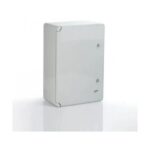
| Panel Material | Sheet metal (painted or stainless steel), aluminum, or thermoplastic. |
| Thermal Management | Fans, filters, heat exchangers, air conditioners. To control internal temperature. |
| Applicable Standards | IEC 61439 (Low-voltage switchgear and controlgear assemblies), UL 508A (Industrial Control Panels), CE Marking. |
| Typical Components | PLC, HMI, VFD, Servo Drive, Contactor, Thermal Relay, Fuse/Circuit Breaker, Power Supply, Terminal Blocks. |
Field Considerations
- Correct Placement and Environmental Conditions: The installation location of the panel must be carefully assessed for environmental factors. Elements such as excessive temperature, humidity, dust, vibration, and corrosive gases can negatively impact the panel’s lifespan and performance. The panel’s IP rating should be suitable for the environmental conditions, and adequate ventilation and access space must be provided. Avoiding direct sunlight or high heat sources is important for maintaining controlled internal temperatures.
- Wiring and Labeling Standards: Field wiring is critical not only for aesthetics but also for safety and maintenance. All cables must be of the correct cross-section, adhere to color coding, and be installed according to international standards (e.g., IEC 60204-1). Clear labeling of every cable, terminal, and component significantly speeds up troubleshooting and maintenance processes. Labels should be legible, durable, and resistant to fading.
- Grounding and EMC Practices: An effective grounding system in electrical panels is vital for both personnel safety and the system’s electromagnetic compatibility (EMC). All metal parts, panel doors, and components must be properly grounded. In panels using devices like VFDs and servo drives that generate high-frequency noise, properly terminated shielded cables and the use of EMC filters are essential to prevent interference with control signals.
- Periodic Maintenance and Checks: Regular maintenance is crucial for the long-term, trouble-free operation of electrical panels. This includes checking the tightness of connections, cleaning dust and dirt, inspecting/replacing fans and filters, using thermal imaging to detect hot spots, and testing protective devices. Periodic maintenance helps identify potential faults early, preventing unexpected production stoppages.
- Importance of Documentation: Having complete and up-to-date documentation, including electrical schematics, bill of materials, wiring diagrams, PLC programs, and user manuals, is indispensable for field teams. This documentation provides quick access to accurate information during installation, commissioning, troubleshooting, and future modifications. It is recommended to store documentation in a durable, water and dust-resistant format, either within or near the panel.

Common Issues and Solutions
Common issues in industrial electrical panels often stem from design flaws, incorrect installation, inadequate maintenance, or environmental factors. One of the most frequent problems is overheating. This can occur due to insufficient ventilation within the panel or overloading of components, leading to increased internal temperatures.
Solutions for Overheating:
- Ensure adequate ventilation by checking and cleaning filters and fans regularly.
- Install additional cooling systems like fans or air conditioners if the heat load is high.
- Perform load calculations to ensure components are not overstressed.
- Optimize component layout to improve airflow.
Component Failures: Individual components like PLCs, drives, or contactors can fail due to electrical stress, wear and tear, or environmental factors. Regular inspections and using high-quality components can mitigate this.
Wiring Issues: Loose connections, incorrect wiring, or damaged cables can lead to intermittent operation or complete system failure. Strict adherence to wiring standards and regular checks are crucial.
Power Quality Problems: Voltage fluctuations, harmonics, or power surges can damage sensitive electronics. Using surge protectors, line conditioners, and appropriate filtering can help maintain stable power quality.
By understanding these common issues and implementing best practices in design, installation, and maintenance, the reliability and longevity of industrial electrical panels can be significantly enhanced.
For robust and reliable machine control solutions, including expertly designed electrical panels, Mermak CNC is your trusted partner. Request a quote on WhatsApp to discuss your specific industrial automation needs.
Related product categories: ssss2 · Uncategorized · 0.75 Kw Variable Frequency Drives
