No products in the cart.
Cable Ties: What They Are and How They’re Used in Panel and Machine Cable Management

Contents
Cable ties are essential fasteners for organizing and securing wires and conductors in industrial automation panels and machinery. They prevent clutter, reduce the risk of failures, simplify maintenance, and enhance system safety.
Mermak CNC Technical Guide
Practical notes for CNC router, automation and industrial motion systems.
Understanding Cable Ties in Industrial Automation
In the complex world of industrial automation, reliability and efficiency are paramount. Often overlooked but critically important are the humble cable ties, also known as cable clamps or zip ties. These simple yet highly effective fasteners are designed to bundle, secure, and organize cables and conductors across a wide range of applications, from electrical control panels and modern production lines to robotic systems and process control units. Essentially, a cable tie consists of a flexible strap with an integrated locking mechanism at one end. When the strap is threaded through the locking mechanism, a one-way ratchet system engages with serrations on the strap, creating a secure, self-locking bond. This design ensures that cable bundles or individual cables are kept neat, protected from abrasion caused by vibration, and minimizes the risk of electrical faults.
The use of cable ties in panel and machine cable management goes beyond mere aesthetics; it directly impacts system performance, safety, and longevity. Proper cable organization speeds up troubleshooting and repair processes, reduces maintenance costs, and improves operator safety. For instance, in a control panel, messy and disorganized cables can increase the risk of short circuits, impede airflow leading to overheating, and even pose an electrocution hazard to personnel. On a machine, loose cables can become entangled with moving parts, causing mechanical damage or machine downtime. This is where correctly selected and applied cable ties provide a fundamental engineering solution to mitigate these potential risks. With a variety of materials (nylon 6.6, stainless steel, UV-resistant polymers, etc.) and design features (releasable, mountable, printable), they offer optimized solutions for every industrial environment and application.
Operating Principle and Technical Specifications
The working principle of cable ties is straightforward yet highly effective from an engineering perspective. At its core, a cable tie comprises a strap and a locking head integrated into one end of the strap. After the strap is looped around the cable bundle, its pointed end is inserted through an opening in the locking head. Inside the head, a ratchet mechanism (typically a pawl or tooth) engages with the serrations on the strap. As the strap is pulled, the pawl seats into the serrations, preventing the strap from sliding back. This creates a unidirectional locking mechanism, ensuring the cable tie is securely fastened. Once the strap is tightened to the desired tension, the excess length can be cleanly cut off with a specialized cable tie cutting tool.
Selecting cable ties for industrial applications requires careful consideration of the specific requirements of the environment and the task. Here are key technical details and application areas:
- Material Variety:
- Nylon 6.6 (Polyamide 6.6): The most common material, offering good mechanical strength, abrasion resistance, and a wide temperature range. Ideal for indoor applications.
- UV-Resistant Nylon 6.6 (PA66W): Typically black, this formulation contains carbon black additive for high resistance to sunlight (ultraviolet radiation), making it indispensable for outdoor and direct sunlight exposure applications.
- Heat-Stabilized Nylon 6.6 (PA66HS): Formulated for high-temperature resistance, suitable for hot environments like engine compartments or near heat sources.
- Polypropylene (PP): Chosen for its high chemical resistance, particularly in environments where contact with acids or bases may occur.
- ETFE (Fluoropolymer): Offers excellent resistance to very high temperatures and chemicals, along with superior UV resistance. Used in specialized, demanding industrial settings.
- Stainless Steel (304 or 316 Grade): Provides extreme mechanical strength, high-temperature, chemical, and corrosion resistance. Commonly used in petrochemical, marine, food processing, and heavy industries.
- Tensile Strength: Indicates the force required to break the cable tie. It varies based on the width and thickness of the tie. High tensile strength ties are necessary for bundling heavy cables or in applications with high vibration.
- Temperature Range: The minimum and maximum operating temperatures at which the cable tie can maintain its performance. Exceeding these limits can lead to brittleness or loss of flexibility.
- Chemical Resistance: Describes the tie’s ability to withstand exposure to oils, solvents, acids, and bases.
- Flammability Rating: In areas with fire risk, such as electrical cabinets, ties with flame-retardant properties like UL94 V-2 or V-0 are preferred.
- Special Designs:
- Releasable Cable Ties: Useful when maintenance or cable additions/removals are frequent.
- Mounting Cable Ties: Designed to be secured to a surface with screws or adhesives, holding cable bundles at specific points.
- Cable Ties with Mounting Bases: These bases attach to a surface, and the tie secures the bundle to the base.
- Push-Mount Cable Ties: Snap into pre-drilled holes for quick and easy installation.
Application Areas in Panel and Machine Cable Management:
- Control Panels: Organizing cables between PLCs, relays, contactors, and terminals to protect against vibration, improve EMC performance, and optimize airflow.
- Machine Internal Wiring: Securing cables in robotic arms, CNC machines, conveyor systems, and other equipment with moving parts to prevent snagging, reduce abrasion, and extend cable life. High tensile strength or metal ties may be used in high-vibration areas.
- Cable Trays and Conduits: Bundling cables within trays or conduits to prevent slippage or tangling, crucial for large and dense wiring systems.
- Outdoor and Harsh Environments: Using UV-resistant, stainless steel, or specialized fluoropolymer ties in chemical plants, outdoor power stations, or marine applications for maximum environmental protection.
| Parameter | Value/Description |
|---|---|
| Main Material | Polyamide 6.6 (Nylon 6.6), UV-Resistant PA66, Stainless Steel (304/316), Polypropylene, ETFE |
| Tensile Strength | 80N – 7000N (Varies by material and size) |
| Operating Temperature | -40°C to +85°C (for Nylon 6.6); -80°C to +538°C (for Stainless Steel) |
| UV Resistance | Low (Standard Nylon), High (Carbon black-added Nylon, Stainless Steel) |
| Chemical Resistance | Oils, greases, solvents, weak bases/acids (Varies by material) |
| Flammability Rating | UL94 V-2 (Standard), UL94 V-0 (High performance) |
| Standard Colors | Natural (White), Black (UV-resistant), Colored (for cable identification) |
| Max Cable Diameter | 5 mm – 300 mm (Varies by tie length) |

Field Considerations
- Correct Material Selection and Environmental Conditions: Consider the operating environment’s temperature, humidity, UV exposure, and chemical presence. For outdoor use, UV-resistant (black) nylon or stainless steel ties are essential. High-temperature areas require heat-stabilized nylon or stainless steel, while chemically active zones may need polypropylene or ETFE. Incorrect material choice shortens tie life and compromises system reliability.
- Proper Sizing and Tensioning: Select ties with appropriate width and length for the cable bundle’s diameter and weight. The tie should be neither too loose nor too tight. Overtightening can damage cable insulation, increasing the risk of short circuits or signal loss. Insufficient tension allows cables to shift, leading to wear or disorganization. Using adjustable cable tie tensioning tools ensures consistent, optimal tensioning for reliable assembly.
- Preventing Sharp Edges and Ensuring Safety: Ensure that cut tie ends are not sharp. Sharp edges can injure personnel and damage adjacent cable insulation over time, leading to failures. Use flush-cutting tools and verify a smooth finish after cutting.
- Mounting Orientation, Layout, and Labeling: The orientation and layout of cable ties impact both aesthetics and functionality. Aligning cables neatly improves airflow within panels, preventing overheating. Consistent tie direction and spacing simplify maintenance and troubleshooting. For complex systems, ties with label holders or separate labeling systems are invaluable for long-term identification. Color-coded ties can also differentiate circuits or voltage levels.
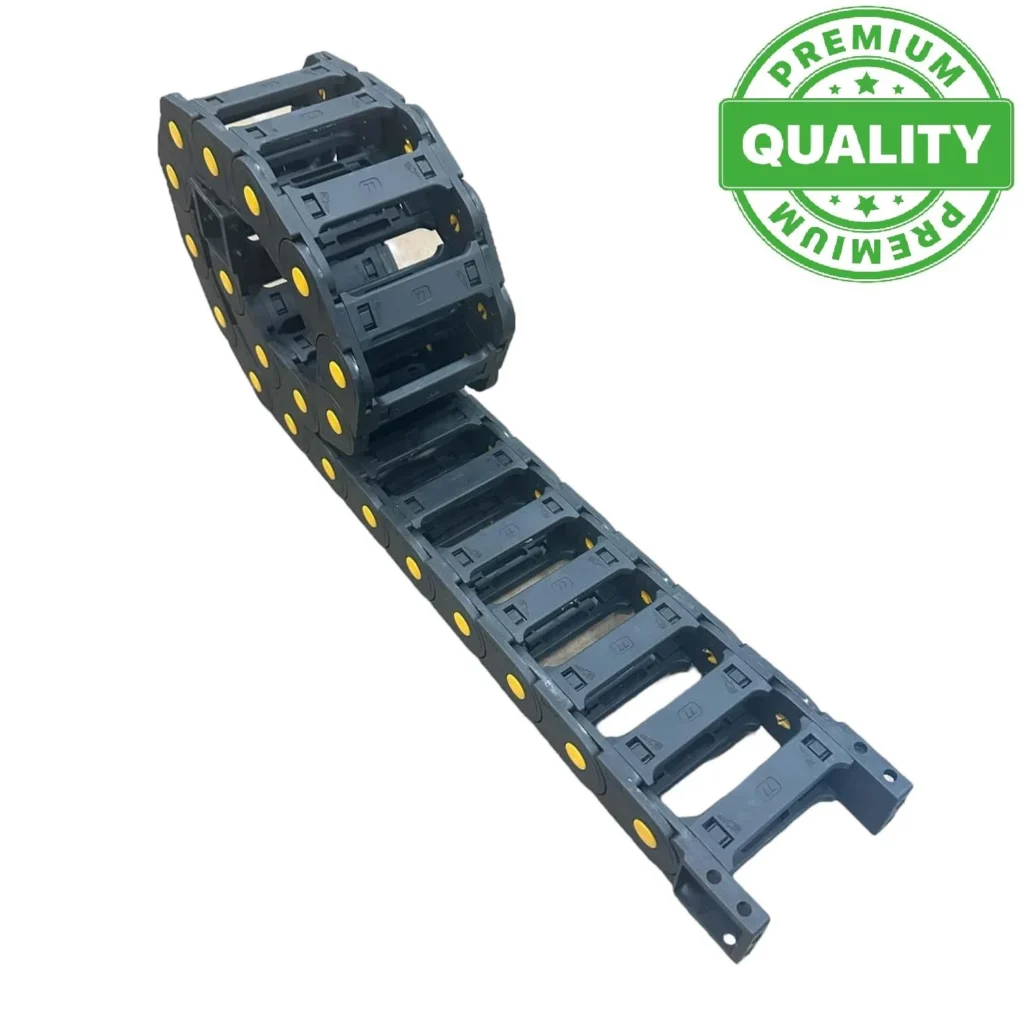
- Vibration and Moving Applications: For internal machine wiring with constant vibration or contact with moving parts, standard ties may be insufficient. Use high-tensile strength, wide-band ties or metal cable ties. Rubber-coated or cushioned ties can prevent cable abrasion. Consider integrated solutions with cable carriers and conduit clamps to support cables without restricting movement.
- Compliance with Standards and Certifications: Like all industrial automation components, cable ties should comply with relevant industry standards and safety regulations, such as UL (Underwriters Laboratories), CE (Conformité Européenne), and RoHS (Restriction of Hazardous Substances). Certifications like flame retardancy (UL94 V-2 or V-0) and halogen-free properties are important for fire safety and environmental compliance.
Common Issues and Solutions
Despite their simplicity, incorrect selection or application of cable ties can lead to significant problems in industrial systems. Here are common field issues and their engineering solutions:
1. Cable Tie Breakage or Loosening:
- Issue: Ties may break over time, especially in high-vibration environments or with heavy cable loads, or the locking mechanism may loosen. UV exposure in outdoor applications also degrades material.
- Solution:
- Material Choice: Opt for high-tensile strength, wide-band nylon ties or stainless steel cable ties. Use UV-resistant (black) nylon for outdoor use.
- Vibration Management: In vibrating areas, bundle cables at multiple points or use specialized vibration-dampening ties (e.g., rubber-coated).
- Proper Tensioning: Use cable tie tensioning tools to ensure optimal, consistent tension. Overtightening stresses the material, while undertightening leads to loosening.
2. Damage to Cable Insulation:
- Issue: Overtightened ties or those with sharp cut edges can crush, cut, or abrade cable insulation, causing short circuits, signal loss, or ground faults.
- Solution:
- Adjustable Tensioning Tools: Employ tools with automatic tension adjustment to ensure ties are snug but not damaging to the insulation.
- Rounded-Edge Ties: Select ties with smooth, rounded edges to minimize the risk of insulation damage.
- Protective Sleeving: Use protective sleeves or padding between the tie and sensitive cables, especially near sharp edges.
3. Premature Aging and Environmental Degradation:
- Issue: High temperatures, chemical exposure, or constant moisture can rapidly degrade standard nylon ties, making them brittle, discolored, or weak.
- Solution:
- Specialized Materials: Choose materials suited for the environment:
- Heat-stabilized nylon (PA66HS) or stainless steel for high temperatures.
- Polypropylene or ETFE for chemical resistance.
- Stainless steel (316 grade) for humid or corrosive conditions.
- Periodic Inspection: Regularly inspect ties in harsh environments and replace any showing signs of wear.
- Specialized Materials: Choose materials suited for the environment:
4. Disorganized Appearance and Maintenance Difficulty:
- Issue: Randomly placed, messy, or improperly oriented ties create a complex appearance in panels or machines, hindering troubleshooting and maintenance.
- Solution:
- Planned Layout: Plan cable routes, bundle cables logically, and secure them at regular intervals.
- Color Coding and Labeling: Use color-coded cable ties or ties with label holders to differentiate cable bundles by function, voltage, or circuit. This significantly speeds up fault finding.
- Releasable Ties: Employ releasable cable ties in areas requiring frequent access for maintenance or cable modifications, saving time and labor.
- Cable Management Systems: Utilize cable trunking, mounting bases, and adhesive tie mounts for more organized and professional cable management in large panels or on machinery.
Addressing these issues requires viewing cable ties not just as fasteners, but as integral components of industrial automation systems, selected and applied with proper engineering principles.
Expert Advice
At every level of industrial automation, the management of cables within panels and machinery directly influences the system’s overall performance, reliability, and lifespan. Cable ties, despite their simple design, play a crucial role in the seamless operation of complex industrial environments. They don’t just hold cables together; they help meet electromagnetic compatibility (EMC) requirements, minimize vibration-induced wear, reduce troubleshooting times, and, most importantly, enhance the safety of operators and maintenance personnel. No matter how sophisticated an automation system is, weak cable management inevitably leads to potential failures and inefficiencies.
As expert advice, the selection and application of cable ties should never be underestimated. It’s not about choosing the cheapest option; it’s a strategic decision considering long-term reliability, ease of maintenance, and total cost of ownership (TCO). Every industrial application is unique, so the material, size, tensile strength, and resistance to UV and chemicals must be meticulously chosen based on the specific environmental conditions. For example, the food and pharmaceutical industries may require easily cleanable stainless steel ties or specialized polymers compliant with hygiene standards, while outdoor power substations demand UV-resistant and high-temperature-tolerant solutions. Furthermore, installation quality is as critical as product selection. Using adjustable tensioning tools ensures optimal tightness without damaging cable insulation, extending cable life and preventing electrical issues.
In conclusion, cable ties are the unsung heroes of modern industrial automation systems. Without them, panels descend into chaos, machines suffer from failures, and safety risks escalate. Therefore, investing in the right cable tie solutions and training personnel on proper application techniques, from the design phase through installation and maintenance, is not merely an organizational matter but a critical aspect of ensuring efficiency, safety, and longevity. Optimizing cable management in your industrial facilities is key to ensuring your systems operate continuously and reliably.
For robust and reliable cable management solutions, including a wide range of industrial cable ties and accessories, explore our offerings. Request a quote on WhatsApp today to enhance your system’s organization and safety.
Related product categories: Genel · Kilitler · Turuncu Makine Ayağı