




































































Why Is My Linear Rail Making Noise? Causes and Solutions

📑 Table of contents (Click to open)
Linear rail systems can produce noise due to lack of lubrication, contamination, installation errors, wear, or damaged components. Addressing these issues promptly is crucial for maintaining system efficiency and longevity.
Practical notes for CNC router, automation and industrial motion systems.
Understanding Linear Rail Noise: Causes and Solutions
In industrial automation and precision positioning applications, linear rail systems are fundamental for ensuring accuracy, repeatability, and smooth motion in machinery. However, unexpected noises can sometimes arise from these critical systems. A noisy linear rail often signals an underlying mechanical issue that can directly impact system performance, reduce production quality, and lead to unplanned downtime. This article delves into the primary reasons for noise in linear rail systems, providing technical explanations and practical solutions applicable in industrial settings. The sound produced by a linear rail is more than just noise; it’s an indicator of the system’s health. Different sounds like squeaking, clicking, humming, grinding, or metallic clanking can point to various failure scenarios. Correctly interpreting these sounds is vital for diagnosing the fault and implementing the appropriate corrective actions. A professional approach to understanding these noise sources can help improve preventive maintenance strategies and boost operational efficiency.
How Linear Rail Systems Work
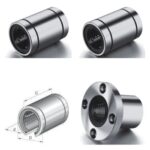
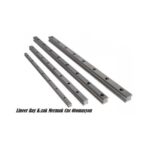
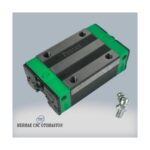
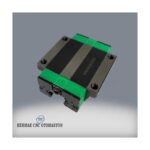
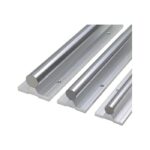
Linear rail systems typically consist of a rail (guide) and one or more carriages (blocks or carriers) that move along it. The carriage contains balls or rollers that enable low-friction rolling motion along the rail. These balls or rollers move in a recirculating path within the carriage. This design allows heavy loads to be moved with high precision and minimal friction. For the system to function correctly, all components must be manufactured to high precision and work in harmony. Even the slightest deviation or wear can lead to undesirable noise and performance degradation.
Common Causes of Linear Rail Noise
The primary reasons for a linear rail making noise can generally be categorized as follows:
- Insufficient or Poor Lubrication: Proper lubrication is critical to reduce friction between the balls and the rail surface. Inadequate lubrication or the use of the wrong lubricant type increases metal-to-metal contact, leading to friction, squeaking, and wear noises. The lubricant film distributes the load, dissipates heat, and extends component life.
- Contamination and Foreign Objects: Dust, debris, moisture, rust, or other environmental contaminants can impede the movement of balls or rollers within the carriage. These foreign materials can accumulate on the rail surface or in the ball recirculation paths, increasing friction, causing jamming, and leading to clicking sounds. This is a common issue in industrial environments.
- Installation Errors and Misalignment: Errors during the installation of linear rail systems, such as rails not being parallel, the mounting surface not being flat, or the carriage not being properly seated on the rail, can induce stress and uneven load distribution. This prevents the balls from rolling smoothly, causing friction, humming, or clicking noises. Parallelism, flatness, and perpendicular alignment are critical parameters.
- Wear and Damaged Components: Prolonged use, overloading, inadequate maintenance, or sudden impacts can cause wear or damage to the balls, rail surface, or the internal structure of the carriage. Pitting on ball surfaces, scoring on the rail, or deformation within the carriage disrupt smooth movement and result in distinct noises (clicking, clanking). Ball raceways and recirculation elements are particularly susceptible to such wear.
- Overloading or Excessive Speed: Exceeding the manufacturer’s specified maximum load and speed limits places excessive stress on the system. This can lead to accelerated wear, deformation of components, and consequently, noisy operation. Accurate calculation of dynamic and static load capacities is essential.
- Vibration and Resonance: Sometimes, the noise may not originate from the linear rail system itself but from the connected machine structure or external environmental vibrations. The system can enter resonance at a specific frequency, producing humming or buzzing sounds. This can occur if mounting components are loose or if the system’s natural frequency coincides with the operating frequency.
Each of these causes can negatively affect the lifespan and performance of a linear rail system. Therefore, accurately identifying the source of the noise and taking appropriate action is essential for maintaining system reliability.
| Parameter | Value/Description |
|---|---|
| Lubrication Type | Grease (Lithium soap, synthetic), Oil (Mineral, synthetic). Selected based on application and ambient temperature. |
| Lubrication Frequency | Every 50-500 operating hours or 3-6 months, depending on operating cycles, load, speed, and environmental conditions. |
| Operating Temperature Range | Typically -20°C to +80°C. Wider ranges are available for special applications. |
| Dynamic Load Capacity (C) | Maximum load the system can bear for a specified life (e.g., 100 km). In Newtons (N). |
| Static Load Capacity (C0) | Maximum load the system can withstand without permanent deformation. In Newtons (N). |
| Maximum Speed | Typically 3-5 m/s, over 10 m/s in some specialized systems. Affects operating life. |
| Mounting Tolerance | 0.01-0.05 mm/m for rail parallelism, 0.02-0.04 mm/m for base flatness. Varies by precision class. |
Field Considerations for Maintenance
- Periodic Maintenance and Correct Lubrication: Regular and correct lubrication is the cornerstone of quiet and efficient operation for linear rail systems. Use the lubricant type (grease or oil) and frequency recommended by the manufacturer. Lubrication not only reduces friction but also protects against corrosion and helps expel contaminants. Ensure lubrication points are not blocked and that each carriage receives an adequate amount of lubricant. Insufficient or incorrect lubrication increases metal-to-metal contact, causing squeaking and wear noises. It is also important to clean and replace old, contaminated lubricant.
- Mounting Precision and Alignment Checks: Alignment is critical during the initial installation and subsequent maintenance of linear rail systems. The parallelism of the rails, the flatness of the mounting surface, and the proper seating of the carriage on the rail directly impact the system’s life and performance. Adhere to specified torque values during installation and ensure there is no forcing or stress between the rails and the carriage. Misaligned rails cause uneven load distribution on the balls, leading to abnormal friction, humming, and premature wear noises. Periodic alignment checks using laser alignment tools or precision measuring instruments should be performed.
- Protection from Environmental Factors and Cleaning: Industrial environments pose numerous threats to linear rail systems. Contaminants such as dust, metal chips, moisture, water, and chemicals can infiltrate the carriage, block ball recirculation paths, increase friction, and cause corrosion. This leads to clicking, grinding noises, and system jamming. Ensure sealing elements (wipers, bellows) are intact and replace any damaged ones immediately. Regularly clean the work area and keep the linear rail surfaces free of contaminants. For environments with high humidity or chemical vapors, consider using stainless steel or specially coated rails.
- Adherence to Load and Speed Limits: Every linear rail system has specified maximum load and speed limits. Exceeding these limits places excessive stress on the components, accelerating wear, causing deformation, and leading to noisy operation. Always operate within the manufacturer’s recommended parameters to ensure longevity and performance. If your application requires higher loads or speeds, consult with Mermak CNC for suitable industrial CNC router machine components or upgrades.
By understanding and addressing these common causes, you can significantly extend the life of your linear rail systems and maintain the high precision expected from your CNC router machine. For any persistent issues or complex diagnostic needs, Mermak CNC is ready to assist. Request a quote on WhatsApp for expert consultation and solutions tailored to your industrial CNC router needs.
Internal Links: