

















































































Why the Surface for Linear Rail Mounting Must Be Machined

📑 Table of contents (Click to open)
The precise machining of surfaces where linear rails are mounted is crucial for the performance of linear motion systems. It directly impacts accuracy, rigidity, load capacity, and lifespan. Machined surfaces ensure perfect contact between the rail and the mounting base, minimizing vibration, preventing wear, and guaranteeing optimal system operation.
Practical notes for CNC router, automation and industrial motion systems.
The Critical Role of Machined Surfaces for Linear Rail Mounting
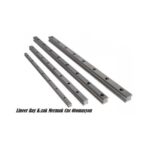
In industrial automation and precision machinery manufacturing, linear motion systems, comprising linear rails and carriages, are fundamental for achieving high-precision positioning, smooth movement, and substantial load-carrying capabilities. The performance of these systems hinges significantly on the quality of the surface to which the linear rails are mounted. Machining this surface is not merely an aesthetic consideration but an engineering imperative that ensures the system operates at its intended performance level. A machined surface guarantees that the rail sits flush and without gaps, adhering to specific tolerances for flatness, parallelism, and surface roughness. This precise fit minimizes stress on the rail, ensures even load distribution, and prevents premature wear, thereby extending the overall lifespan and maintaining the accuracy of the linear motion system.
Operating Principles and Technical Data
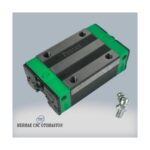
Linear rail systems operate on the principle of low-friction, high-precision movement of carriages along the rail. For this motion to be accurate and repeatable, the geometric integrity of both the rail and its mounting surface is paramount. A machined surface facilitates the adherence to critical technical parameters during installation:
- Flatness: The mounting surface must be perfectly flat within a specified tolerance. Deviations can cause the rail to bend or twist, leading to uneven carriage movement, increased friction, and accelerated bearing wear. For instance, a flatness tolerance of less than 0.02 mm per meter is often required.
- Parallelism: In systems with multiple rails, maintaining perfect parallelism between them is essential. Surface machining helps achieve this critical alignment. Errors in parallelism can cause carriages to bind or experience cross-loading, resulting in excessive friction.
- Surface Roughness (Ra): The Ra value of the machined surface affects the contact area and friction. While a smooth surface is desirable, excessively polished surfaces might not retain lubrication effectively. Typically, Ra values between 0.8 and 3.2 µm are considered optimal.
- Perpendicularity and Squareness: In applications where rails must be mounted perpendicular to a reference surface (e.g., a machine frame), a precisely machined surface ensures this angular accuracy.
- Vibration Damping and Rigidity: A well-machined mounting surface enhances the overall rigidity of the linear motion system. The absence of gaps between the rail and the surface allows for more effective vibration damping, directly improving machining accuracy and surface finish quality.
Adherence to these parameters ensures that linear motion systems can operate reliably at high speeds, high accelerations, and under heavy loads. In applications like CNC machines, robotic arms, and automated assembly lines, the quality of the mounting surface directly influences product quality and overall machine efficiency.
| Parameter | Value/Description |
|---|---|
| Flatness Tolerance | 0.01 – 0.05 mm/1000 mm (Varies by application precision) |
| Surface Roughness (Ra) | Ra 0.8 – 3.2 µm (Depends on machining method and material) |
| Parallelism Tolerance | 0.01 – 0.03 mm/300 mm (Critical for dual-rail systems) |
| Mounting Hole Position Tolerance | ±0.05 mm (Ensures stress-free rail mounting) |
| Surface Hardness | Varies by material type (Steel, aluminum, etc.) |
| Thermal Expansion Coefficient | Compatibility between rail and mounting surface (Material selection is key) |
| Torque Tightening Values | Per manufacturer specifications (Prevents rail deformation) |
Field Considerations for Installation
- Surface Preparation and Cleaning: Before mounting, thoroughly clean the surface of all dirt, oil, rust, and debris. Even minor contaminants can prevent proper rail seating, leading to stress and loss of accuracy. Use isopropyl alcohol or specialized cleaners and lint-free cloths.
- Flatness and Parallelism Verification: Use precision measuring instruments (dial indicators, levels, laser trackers) to verify the flatness, parallelism, and roughness of the machined surface before installation. If tolerances are exceeded, consider re-machining or using appropriate shims, though shim usage should be minimized.
- Bolt Tightening Sequence and Torque: Adhere strictly to the manufacturer’s specified tightening sequence and torque values for mounting bolts. Typically, a center-out or specific cross-pattern is recommended. Incorrect tightening can induce internal stresses or warp the rail. Use a calibrated torque wrench.
- Thermal Expansion Management: Account for potential thermal expansion differences between the rail and the mounting surface, especially with long rails and varying ambient temperatures. Consider using slotted mounting holes at one end to allow for expansion.
- Utilizing Reference Edges: When mounting rails against a machine frame or table edge, ensure this reference edge is also precisely machined and clean to guarantee accurate rail positioning.
- Protection and Storage: Protect linear rails and carriages from corrosion and damage before and after installation. Use protective coatings and original packaging until assembly, storing them in a dust-free, dry environment.

Common Issues and Solutions
Improperly machined or installed surfaces lead to several problems in linear motion systems, reducing performance, increasing maintenance, and impacting product quality:
- Issue: Premature Wear and Reduced Lifespan: Uneven loading on the rail due to surface irregularities causes accelerated wear on the rail and bearing elements. Solution: Verify and, if necessary, re-machine the mounting surface to meet flatness and roughness specifications. Ensure proper lubrication and regular inspection of the rail and carriage.
- Issue: High Friction and Increased Drive Torque: A poorly seated or warped rail increases friction, demanding more torque from the servo drive or stepper motor, leading to higher energy consumption and potential overheating. Solution: Ensure the mounting surface is perfectly flat and parallel. Check and correctly apply the specified torque to all mounting fasteners.
- Issue: Inaccurate Positioning and Repeatability: Any deviation from flatness or parallelism directly translates into positioning errors and reduced repeatability, compromising the precision of the CNC router machine or automated system. Solution: Rigorous inspection of the mounting surface and rail geometry is essential. Use high-precision alignment tools during installation.
- Issue: Vibration and Noise: Gaps or uneven contact between the rail and the mounting surface can amplify vibrations, leading to increased noise and potentially affecting the quality of machined parts. Solution: Ensure a continuous, gap-free contact by achieving the required surface finish and flatness. Proper fastener torque also contributes to damping.
Investing in precise surface machining for linear rail mounting is a fundamental step towards ensuring the optimal performance, reliability, and longevity of your industrial machinery. For critical applications requiring the highest accuracy, always consult the specifications provided by the linear rail manufacturer and ensure your mounting surfaces meet these demanding requirements.
Need to ensure your CNC machinery operates at peak performance? Discuss your linear motion system requirements with our experts. Request a quote on WhatsApp today!
Related product categories: General · Electronics · Combination Packages