No products in the cart.
Why Does a Lathe Tool Vibrate? Understanding and Preventing Chatter
Contents
Lathe tool vibration, commonly known as chatter, is a persistent issue in CNC machining that degrades surface quality and reduces tool life. This phenomenon arises from a complex interplay of factors including insufficient system rigidity, dynamic instabilities, and the feedback loop between cutting forces and the machine-tool-workpiece system. Understanding the root causes is crucial for implementing effective solutions.
Mermak CNC Technical Guide
Practical notes for CNC router, automation and industrial motion systems.
Understanding Lathe Tool Vibration (Chatter)
Lathe tool vibration, or chatter, is a common and undesirable occurrence in industrial CNC machining operations. It manifests as a rapid, self-excited vibration during the cutting process, leading to a poor surface finish on the workpiece, premature tool wear, and potential damage to machine components. Essentially, chatter occurs when the dynamic forces generated during cutting interact with the natural frequencies of the machine-tool-workpiece system, creating a resonance or instability. This feedback loop can amplify vibrations, making precise and efficient machining impossible.
The Mechanics Behind Chatter: Regenerative Vibration
The most prevalent form of chatter is regenerative chatter. This occurs because the tool, as it moves across the workpiece, encounters a surface that was slightly deformed by its own previous pass. This uneven surface leads to variations in chip thickness and, consequently, fluctuating cutting forces. These force variations cause the tool to vibrate. If the system’s damping capacity is insufficient to dissipate this energy, the vibration amplitude increases with each pass, creating a self-sustaining cycle. This dynamic instability significantly impacts machining accuracy and efficiency.
Key Technical Factors Influencing Chatter
- System Rigidity: The overall stiffness of the machine, tool holder, cutting tool, and workpiece clamping system is paramount. A less rigid system will deflect more under cutting forces, increasing the susceptibility to vibration. Factors like tool overhang (the length of the tool extending from the holder) significantly reduce rigidity.
- Cutting Forces and Tool Geometry: The magnitude and direction of cutting forces are directly influenced by the tool’s geometry (rake angles, clearance angles, nose radius) and the material being cut. Inappropriate tool geometry can lead to excessive forces, triggering vibrations.
- Cutting Parameters: Spindle speed, feed rate, and depth of cut play critical roles. Certain combinations of these parameters can excite the natural frequencies of the system, leading to resonance and chatter.
- Workpiece Characteristics: The material properties (hardness, tensile strength), dimensions, and shape of the workpiece influence its susceptibility to vibration. Long, slender workpieces are inherently less rigid and more prone to chatter.
- Machine Dynamics: The condition of the CNC machine itself, including spindle bearings, linear guide rails, and ball screws, affects its dynamic behavior. Worn components can introduce unwanted play and reduce overall stiffness.
- Damping: The system’s ability to dissipate vibrational energy is crucial. While machine structures have inherent damping, specialized solutions like vibration-damping tool holders can significantly improve this.
| Parameter | Description & Impact |
|---|---|
| Tool Overhang | The distance the cutting tool extends from its holder. Excessive overhang drastically reduces rigidity and increases chatter risk. Aim for the shortest practical overhang. |
| System Rigidity | The resistance of the machine, tool holder, and workpiece setup to deflection under load. Higher rigidity is essential for chatter-free machining. Measured as force per unit deflection (e.g., N/µm). |
| Natural Frequency | The inherent frequency at which a system tends to vibrate when disturbed. When cutting frequencies align with natural frequencies, resonance and chatter occur. |
| Damping Ratio | A measure of how quickly vibrations decay in a system. A higher damping ratio effectively reduces vibration amplitude. |
| Critical Depth of Cut | The maximum depth of cut possible before chatter initiates, dependent on system rigidity and damping. |
| Cutting Speed Range | Specific speed ranges where chatter is more or less likely to occur. Avoiding resonance zones identified through analysis is key. |
| Tool Nose Radius | The radius at the cutting tip. While larger radii can improve surface finish, they can also increase cutting forces and potentially contribute to chatter in certain conditions. |

Practical Solutions for Preventing Chatter
- Optimize Tool Selection and Mounting: Minimize tool overhang by using the shortest possible tool and holder combination. Ensure the tool holder is securely mounted and that the cutting tool itself is firmly clamped. Consider using tools or holders with inherent vibration-damping properties, often made from materials like tungsten carbide or featuring specialized designs. Employing tools with positive rake angles can help reduce cutting forces.
- Adjust Cutting Parameters: If chatter occurs, experiment with adjusting the depth of cut (reducing it often helps) and the feed rate. Modifying the feed rate can disrupt the regenerative chatter cycle. Critically, adjust the spindle speed to move away from frequencies that excite the system’s natural modes. This might involve consulting machine documentation or using vibration analysis tools to identify problematic speed ranges.
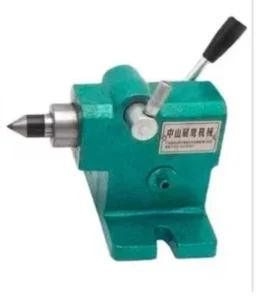
- Enhance Workpiece Support: For long or slender workpieces, robust support is essential. Use a live center or a fixed center (tailstock) to support the free end. For extended lengths, a steady rest or follower rest provides multiple support points, significantly increasing rigidity and suppressing vibrations. Ensure the workpiece is securely and accurately clamped in the chuck or collet.
- Maintain the CNC Machine: Regular maintenance is vital. Inspect and adjust linear guide rails, check spindle bearing play, and ensure all machine components are properly tightened. Worn or loose components introduce compliance into the system, exacerbating vibration issues. Address any structural damage or wear on the machine tool.
- Manage Coolant and Chip Evacuation: Proper use of cutting fluid not only extends tool life but also helps manage heat and friction at the cutting zone, potentially reducing cutting forces. Efficient chip evacuation prevents chip buildup, which can interfere with the cutting process and contribute to vibration.
By systematically addressing these factors—from the rigidity of your setup and the selection of your cutting tools to the precise control of cutting parameters and diligent machine maintenance—you can effectively mitigate lathe tool vibration. This leads to improved surface finish, extended tool life, and increased overall productivity on your CNC router machine and other industrial CNC router applications.
For expert advice on optimizing your CNC machining processes and selecting the right components, including high-quality linear guide rail systems and precise motion control solutions, contact Mermak CNC.
Ready to enhance your machining precision? Request a quote on WhatsApp today!
Related product categories: Linear Guides, Bearings, and Housings · Mechanical Components · Sigma Profiles