No products in the cart.
How to Prepare a Periodic Maintenance Schedule for CNC Machines

Contents
- How to Prepare a Periodic Maintenance Schedule for CNC Machines: Introduction and Technical Analysis CNC (Computer Numerical Control) machines, forming the backbone of the modern manufacturing sector, have become an indispensable part of industrial automation by providing high precision, repeatability, and efficiency in production processes. However, to sustain the performance of these complex and high-tech systems, minimize unexpected breakdowns, and extend machine life, a regular and systematic approach is essential. At this point, preparing a periodic maintenance schedule for CNC machines is not just a necessity but a strategic investment and the foundation of operational excellence. The transition from reactive approaches (intervening after a breakdown occurs) to proactive approaches (taking precautions before a breakdown occurs) is critically important for businesses in today’s competitive environment. This technical article, from the perspective of experts in the industrial automation sector, will comprehensively discuss how to create an effective periodic maintenance schedule for CNC machines, what technical details should be considered, and the advantages this process provides for businesses. How to Prepare a Periodic Maintenance Schedule for CNC Machines: Operating Principle and Technical Data
- How to Prepare a Periodic Maintenance Schedule for CNC Machines: On-Site Considerations
- How to Prepare a Periodic Maintenance Schedule for CNC Machines: Common Problems and Solutions
- How to Prepare a Periodic Maintenance Schedule for CNC Machines: Conclusion and Expert Advice
- FAQ
How to Prepare a Periodic Maintenance Schedule for CNC Machines: Introduction and Technical Analysis
CNC (Computer Numerical Control) machines, forming the backbone of the modern manufacturing sector, have become an indispensable part of industrial automation by providing high precision, repeatability, and efficiency in production processes. However, to sustain the performance of these complex and high-tech systems, minimize unexpected breakdowns, and extend machine life, a regular and systematic approach is essential. At this point, preparing a periodic maintenance schedule for CNC machines is not just a necessity but a strategic investment and the foundation of operational excellence. The transition from reactive approaches (intervening after a breakdown occurs) to proactive approaches (taking precautions before a breakdown occurs) is critically important for businesses in today’s competitive environment. This technical article, from the perspective of experts in the industrial automation sector, will comprehensively discuss how to create an effective periodic maintenance schedule for CNC machines, what technical details should be considered, and the advantages this process provides for businesses.
How to Prepare a Periodic Maintenance Schedule for CNC Machines: Operating Principle and Technical Data
CNC machines are advanced technological products that process workpieces within specified tolerances through computer-controlled systems. The basic operating principle of a CNC machine is to receive commands prepared with special programming languages such as G-codes and M-codes, and precisely move mechanical components like servo motors, linear guides, ball screws, tool magazines, and spindle motors. Each component of this complex system is subjected to continuous wear and tear while operating at high speed and precision. Therefore, regular inspection, cleaning, lubrication, and adjustment of these components are key to extending machine life and maintaining production quality. Periodic maintenance ensures that critical machine parts are repaired or replaced in a timely manner, minimizing unplanned downtime and reducing production costs.
Among the most important factors to consider when creating a maintenance schedule are the machine’s model, brand, frequency of use, type of material processed, operating environment conditions (dust, humidity, temperature), and the manufacturer’s recommendations. Maintenance types are generally divided into three: preventive maintenance, predictive maintenance, and corrective maintenance. A periodic maintenance schedule forms the basis of preventive maintenance and includes regular checks and operations performed at specific time intervals or based on operating hours. This aims to prevent small problems from escalating into major breakdowns. Predictive maintenance, on the other hand, uses sensors and data analysis to monitor the condition of machine components and allows intervention before a breakdown occurs. Corrective maintenance refers to repair activities performed after a breakdown occurs, which is the most costly and undesirable situation.
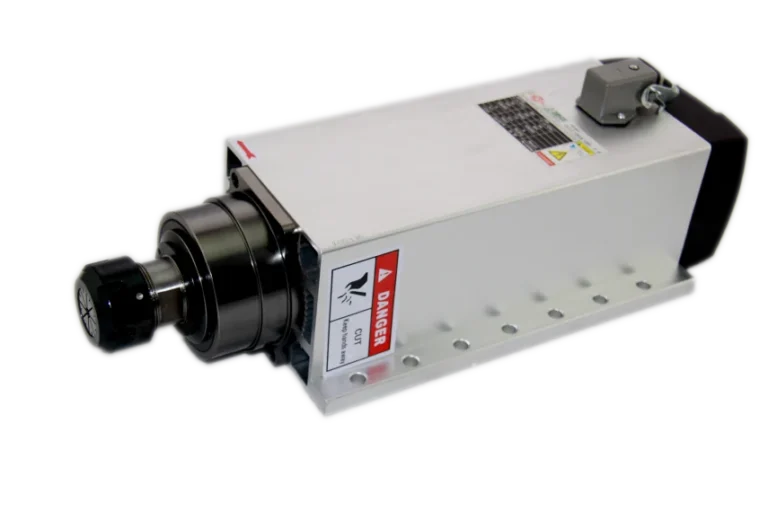
The precise positioning capability of CNC machines depends on the correct operation of moving parts such as linear guides and ball screws. Regular lubrication and cleaning of these components reduce friction, slow down wear, and prevent loss of accuracy. The spindle motor, operating at high RPMs, carries the risk of overheating and bearing wear. Regular inspection and lubrication of spindle bearings extend their life and maintain machining quality. The tool changer mechanism is a critical unit that provides automatic tool changes, and its correct operation directly affects production speed. Periodic inspection of sensors, mechanical arms, and pneumatic/hydraulic systems prevents breakdowns. Electrical and electronic components (control unit, servo drives, cables, sensors) are sensitive and must be protected from dust, humidity, and excessive temperatures, and inspected regularly. Cleaning and changing air filters are vital for cooling electronic components and maintaining air quality.
When creating a maintenance schedule, the frequency of each maintenance activity (daily, weekly, monthly, quarterly, annually) and the competency of the personnel who will perform these activities should be determined. For example, daily checks are usually performed by operators, while more detailed mechanical and electrical checks are carried out by authorized maintenance technicians. In this process, the maintenance manuals and technical documents provided by the machine manufacturer should be the primary reference points.
| Maintenance Parameter | Frequency | Action/Description |
|---|---|---|
| Daily Operator Checks | Before Each Shift | Coolant level, air pressure, machining area cleanliness, emergency stop button check. |
| Lubrication System Check and Replenishment | Weekly/250 Operating Hours | Check central lubrication system for linear guides, ball screws, tool changer mechanism, and spindle motor; replenish oil level, check grease fittings. |
| Air Filter Cleaning/Replacement | Monthly/1000 Operating Hours | Clean or replace filters for electrical panel, cooling unit, and air dryer. |
| Mechanical Component Check | Quarterly/3000 Operating Hours | Linear guide and ball screw backlash check, spindle motor bearing noise check, tool changer mechanism adjustments, door interlock system check. |
| Electrical and Electronic Checks | Bi-annually/6000 Operating Hours | Check tightness of cable connections, review terminals, functional check of sensors, clean control unit fans, check grounding. |
| Geometric Calibration and Accuracy Adjustment | Annually/12000 Operating Hours | Axis parallelism, perpendicularity, straightness, and repeatability tests, calibration with laser interferometer or ballbar test, and necessary adjustments. |
| Spindle Maintenance and Bearing Replacement | Every 2-3 Years (Usage Dependent) | Detailed inspection of spindle bearings, replacement if necessary, spindle balancing, and general overhaul. |

How to Prepare a Periodic Maintenance Schedule for CNC Machines: On-Site Considerations
- Detailed Machine Documentation and Historical Records: It is mandatory to keep a comprehensive maintenance history record for each CNC machine. These records should include all performed maintenance, replaced parts, encountered problems, error codes, and resolution methods. Original maintenance manuals, electrical and mechanical diagrams, and spare parts lists provided by the manufacturer should always be accessible. These documents play a vital role in diagnosing current problems and planning future maintenance. Accurate and up-to-date records form the machine’s “health history” and provide data for predictive maintenance strategies.
- Correct Maintenance Materials and Spare Parts: It is critically important that the oils, greases, filters, seals, and other consumables used in maintenance operations comply with the machine manufacturer’s specifications. Using the wrong type or quality of oil can shorten the life of bearings or linear guides. The use of original equipment manufacturer (OEM) approved or equivalent quality spare parts is essential to maintain the machine’s original performance and reliability. Keeping critical spare parts (e.g., specific sensors, special bearings) in stock significantly reduces unplanned downtime.
- Trained and Competent Personnel: The technical team performing maintenance activities must have up-to-date knowledge and skills in CNC technologies, mechanical, electrical, electronic, pneumatic, and hydraulic systems. Periodic training and certification programs are the most effective way to enhance personnel competency and ensure their adaptation to new technologies. Expertise is especially required for diagnosing and resolving complex breakdowns. They must also be trained in occupational safety to minimize risks during maintenance.
- Safety Protocols and Personal Protective Equipment (PPE): Occupational safety is one of the highest priorities during maintenance activities. Before performing any work on the machine, LOTO (Lockout/Tagout) procedures must be applied to cut off power and secure the machine. Additionally, maintenance personnel must use appropriate Personal Protective Equipment (PPE) such as safety glasses, gloves, and work shoes. Failure to comply with safety instructions can lead to serious accidents and injuries.
- Control of Environmental Conditions: It is important for the machine’s lifespan and performance that the environment in which CNC machines operate is under ideal conditions in terms of environmental factors such as temperature, humidity, dust, and vibration. Excessively dusty or humid environments can cause short circuits in electrical components, corrosion in mechanical parts, and premature wear. Regular cleaning of the environment, and the use of appropriate ventilation and air conditioning systems, minimize these risks.
- Integration of Sensor and Monitoring Systems: Thanks to Industry 4.0 and Internet of Things (IoT) technologies, modern CNC machines can continuously monitor operational data such as vibration, temperature, current, and pressure via sensors. The analysis of this data forms the basis of predictive maintenance strategies. When abnormal values are detected, they are considered a signal of a potential breakdown, providing an opportunity to intervene before the problem escalates. These systems make the maintenance schedule more dynamic and needs-oriented.

How to Prepare a Periodic Maintenance Schedule for CNC Machines: Common Problems and Solutions
Despite periodic maintenance or in cases where maintenance is insufficient, various problems can be encountered with CNC machines. Recognizing these problems and intervening quickly is critically important to minimize unplanned downtime.
- Spindle Vibration or Abnormal Noise:
- Problem: The spindle vibrates excessively or makes unusual noises when operating at high RPMs. This reduces machining quality and shortens tool life.
- Causes: Worn, dirty, or insufficiently lubricated spindle bearings; spindle imbalance; incorrect mounting of tool holders or tools; electrical problems in the spindle motor.
- Solutions: Inspect and replace spindle bearings if necessary; perform spindle balancing; ensure tool holders and tools are correctly mounted; check spindle motor connections and electrical supply. Periodic lubrication and cleaning are key to preventing this issue.
- Positioning Error or Loss of Accuracy:
- Problem: The machine cannot accurately reach the programmed position, resulting in dimensional errors or reduced surface quality in machined parts.
- Causes: Worn or dirty ball screws; dirty or poorly lubricated linear guides; misaligned servo motors or encoder problems; mechanical backlash; machine geometry shift.
- Solutions: Detailed cleaning and proper lubrication of ball screws and linear guides; checking and optimizing servo motor settings; inspecting and replacing encoders if necessary; adjusting mechanical backlash; performing geometric calibration of the machine (with laser interferometer or ballbar test).
- Tool Changer Malfunctions:
- Problem: The tool changer cannot retrieve a tool from the magazine, cannot mount it to the spindle, or cannot rotate the magazine. This can completely halt production.
- Causes: Mechanical jams; dirty or faulty sensors; pressure drop or leaks in the pneumatic/hydraulic system; problems with the tool magazine motor; deformation in tool holders.
- Solutions: Clean and lubricate the tool changer mechanism; inspect, clean, or replace sensors; check pressure and leaks in the pneumatic/hydraulic system; inspect the tool magazine motor and its connections; replace deformed tool holders.
- Coolant Problems:
- Problem: Coolant level drop, odor formation, foaming, or bacterial growth. These situations shorten tool life, reduce machining quality, and pose health risks.
- Causes: Incorrect coolant concentration; clogged filters; suitable environment for bacterial growth (stagnant fluid); oil leaks.
- Solutions: Periodically check and adjust coolant concentration; regularly clean the tank and filters; use anti-bacterial additives; use oil skimmers; fix leaks in the coolant system.
- Electrical or Control Unit Malfunctions:
- Problem: The machine does not power on, the control unit displays error messages, servo motors do not work or move erratically.
- Causes: Blown fuse; loose or damaged cable connections; power fluctuations; faulty control unit boards; servo drive failure; sensor failures.
- Solutions: Check and replace fuses; check all cable connections for tightness and integrity; check power supply and voltage; analyze control unit error codes and intervene in the relevant component; replace faulty boards or drives; check grounding.
How to Prepare a Periodic Maintenance Schedule for CNC Machines: Conclusion and Expert Advice
Preparing and implementing a periodic maintenance schedule for CNC machines is an indispensable strategy for the sustainability and competitiveness of modern manufacturing facilities. As we have discussed in this detailed field guide, adopting a proactive approach with regular and planned maintenance, rather than merely reacting to breakdowns, offers numerous advantages to businesses. Minimizing unplanned downtime ensures production continuity, which directly impacts adherence to delivery times and customer satisfaction. Extending the lifespan of machine components delays costly part replacements and new machine investments, thereby reducing operational expenses. Furthermore, regular maintenance preserves machine accuracy and repeatability, leading to consistent product quality and reduced scrap rates.
As experts in the industrial automation sector, our advice is this: when creating a CNC periodic maintenance schedule, first and foremost, rely on the machine manufacturer’s original manuals and recommendations. However, these guides are not static; dynamically update and optimize the schedule based on the machine’s operating conditions, workload, environmental factors, and collected maintenance data. Ensure your maintenance team receives continuous training and maintains their competencies at the highest level. In a digitized world, do not hesitate to integrate sensor-based monitoring systems and predictive maintenance software into your processes. These technologies will make your maintenance strategies more data-driven, efficient, and proactive. Remember, a well-planned and meticulously implemented maintenance program is not just an expense, but a long-term investment and the key to operational excellence. This will enable you to maximize the efficiency of your CNC machines, ensure an uninterrupted flow in your production processes, and maintain your competitive advantage in the industry.
FAQ
What is a periodic maintenance schedule for CNC machines?
A periodic maintenance schedule for CNC machines is a planned program of inspections, cleanings, lubrications, and adjustments performed at regular intervals (daily, weekly, monthly, annually) or after a certain number of operating hours. Its purpose is to prevent breakdowns, extend machine life, maintain precision, and ensure continuous production.
Which components of a CNC machine require the most attention during periodic maintenance?
Key components include the spindle motor, linear guide rails, ball screws, servo drives, tool changer mechanism, and the control unit. Each of these requires specific checks, lubrication, and adjustments to ensure optimal performance and prevent wear.
What factors should be considered when creating a CNC machine maintenance schedule?
You should consider the machine's model and brand, its usage frequency, the type of materials being processed, environmental conditions (dust, humidity, temperature), and the manufacturer's specific recommendations. These factors help tailor the schedule to your specific operational needs.
What are some common problems encountered with CNC machines, and how can periodic maintenance address them?
Common issues include spindle vibration, positioning errors, tool changer malfunctions, and coolant system problems. Solutions often involve inspecting and replacing worn parts, recalibrating axes, cleaning and lubricating mechanical components, and ensuring proper electrical connections and coolant management.
What are the main benefits of implementing a robust periodic maintenance schedule for industrial CNC router machines?
Regular maintenance minimizes unplanned downtime, extends the lifespan of expensive components, maintains machining precision and product quality, reduces scrap rates, and ultimately lowers overall operating costs. It's a proactive approach that ensures operational efficiency and competitiveness.