











































































How to Check Ball Screw Lubrication Points for Industrial CNC Routers

📑 Table of contents (Click to open)
Proper lubrication is crucial for the longevity and performance of ball screws in CNC machinery. This guide explains how to visually inspect, monitor temperature, and listen for issues related to lubrication points on your industrial CNC router.
Practical notes for CNC router, automation and industrial motion systems.
Understanding Ball Screw Lubrication Points
Ball screws are fundamental components in industrial automation, enabling precise positioning, high speeds, and heavy load capacities in CNC router machines. Ensuring their optimal performance and longevity hinges on regular and correct lubrication. Checking the lubrication points is a critical process for assessing the overall health of the system and detecting potential issues before they lead to failure. This inspection goes beyond simply verifying the presence of lubricant; it involves assessing its quality, quantity, and the accuracy of its application. Insufficient or incorrect lubrication can increase friction, leading to overheating, wear, loss of precision, and ultimately, costly breakdowns. Therefore, effectively inspecting lubrication points is a foundational step for maintaining production continuity, system reliability, and optimizing maintenance costs.
Operating Principle and Technical Data
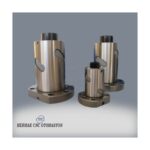
Ball screws convert rotational motion into linear motion with high efficiency. They utilize recirculating ball bearings within helical grooves on the screw and nut to minimize friction. A continuous lubricant film covering these balls and raceways further reduces friction and prevents wear. Lubrication points are access ports designed to deliver lubricant regularly and controllably to these critical surfaces. They typically appear as grease fittings or connection points for automatic lubrication systems.
The lubrication principle involves creating a hydrodynamic film between the balls and grooves, preventing metal-to-metal contact. This film distributes load evenly, reduces localized stress, and minimizes heat generation. The type of lubricant (grease or oil), its viscosity, additives, and application method must be carefully selected based on the screw’s operating conditions, including load, speed, temperature, and environment. For instance, low-viscosity oils or synthetic greases are preferred for high-speed applications, while greases with EP (Extreme Pressure) additives are more suitable for heavy-load screws. Lubrication intervals are determined by factors such as manufacturer recommendations, operating hours, environmental conditions, and screw size. Automatic lubrication systems optimize these intervals, minimizing human error, while manual lubrication requires strict adherence to the correct quantity and frequency. Applying the right amount of lubricant prevents wear from under-lubrication and avoids issues like leakage, contamination, and energy loss from over-lubrication.
| Parameter | Value/Description |
|---|---|
| Lubricant Type | Typically Lithium Soap Grease (NLGI 1 or 2) or Synthetic Oils (ISO VG 32-68). High-performance greases for demanding applications. |
| Viscosity Grade | Oils from ISO VG 32 to 220 depending on operating temperature and speed; NLGI 1 or 2 for greases. |
| Lubrication Interval | Varies by manufacturer and operating conditions; generally every 100-500 operating hours or every 3-6 months. Automatic systems use more frequent, smaller doses. |
| Operating Temperature Range | -20°C to +80°C (grease); -30°C to +120°C (synthetic oil). Lubricant must remain stable within this range. |
| Load Capacity Factor | Lubricant’s load-carrying capacity (EP additive greases for heavy loads). |
| Inspection Methods | Visual inspection, thermal imaging, acoustic analysis, oil analysis (periodic), automatic lubrication system indicators. |
| Lubrication Amount | Specified by the manufacturer based on screw diameter and pitch; typically a specific number of grease pump strokes or in ml. |
Field Inspection Considerations
- Visual Inspection and Correct Lubricant Application: The primary and simplest check is visual inspection of lubrication points. This involves assessing the lubricant’s presence, color, consistency, and any signs of leakage. Fresh lubricant should appear clean and bright, while darkened, solidified, or metal-particle-laden lubricant indicates wear or contamination. Excessive lubricant leakage around the points may suggest faulty seals or over-lubrication. Ensure the correct type and amount of lubricant are used, as incompatible greases or oils can lead to performance degradation. For manual lubrication, calibrated grease guns and a consistent number of strokes per point are essential. For automatic systems, check lubricant levels and the integrity of distribution lines.
- Temperature and Acoustic Analysis: Overheating is a key indicator of insufficient lubrication. An industrial CNC router’s ball screw operating at higher-than-normal temperatures signifies increased friction and inadequate lubricant film. Non-contact IR thermometers or thermal cameras can detect this. Pay close attention to temperatures around bearing blocks and the nut. Any deviation from the normal operating temperature range warrants further investigation. The sounds produced during operation also offer valuable clues. A ball screw should operate smoothly and quietly. Grinding, squeaking, or humming noises can indicate lubrication issues, contamination, or mechanical damage. Stethoscopes or acoustic analysis tools can help pinpoint these abnormal sounds.
- Periodic Maintenance and Record Keeping: Adhering strictly to the manufacturer’s periodic maintenance schedule is the most effective inspection method. These schedules specify lubrication intervals, lubricant types, and quantities. Maintain detailed records for each inspection and lubrication event, including lubricant type, amount, application date, observed conditions, and any anomalies detected. Consistent record-keeping allows for tracking the lubrication history of the screw, analyzing trends in potential issues, and optimizing the maintenance program. For example, if a specific screw consistently requires more frequent lubrication, it might point to an underlying problem like a faulty seal. Furthermore, oil analysis can be periodically performed, especially in critical applications, to identify lubricant degradation, the presence of wear particles, and contamination levels.

Common Issues and Solutions
Several issues can arise during or after checking ball screw lubrication points. Insufficient lubrication is common, leading to overheating, increased friction noise, reduced operational accuracy, and eventual wear on ball or raceway surfaces. The solution involves verifying the manufacturer’s recommended lubrication interval and amount, potentially increasing lubrication frequency, or considering the installation of an automatic lubrication system. Ensure the lubricant has the correct viscosity and type.
Over-lubrication is another frequent problem. Excess lubricant can leak from seals, attract contaminants, increase drag, and lead to energy loss. If over-lubrication is detected, clean the area thoroughly and adjust the lubrication amount and frequency according to specifications. Check that seals are intact and functioning correctly. If seals are damaged, they must be replaced to prevent lubricant loss and contamination ingress.
Contamination of the lubricant or the ball screw itself is a serious issue. Dirt, metal chips, or other debris can severely damage the precision surfaces, leading to premature wear and reduced performance. Visual inspection should identify obvious contamination. If contamination is suspected, the system may need to be flushed and refilled with fresh lubricant. Ensuring proper sealing and maintaining a clean operating environment are crucial preventative measures. Regular checks of the lubricant’s condition can help detect contamination early.
Finally, using the wrong type of lubricant can cause compatibility issues, leading to reduced lubrication effectiveness, seal degradation, or accelerated wear. Always refer to the ball screw manufacturer’s specifications for the recommended lubricant type, viscosity, and performance characteristics. Using a lubricant not suited for the operating temperature, speed, or load can negate the benefits of lubrication.
Conclusion
Regularly checking ball screw lubrication points is not merely a maintenance task; it’s a proactive strategy to ensure the reliability and precision of your CNC router machine. By implementing thorough visual inspections, monitoring temperature and sound, adhering to maintenance schedules, and addressing common issues like insufficient lubrication, over-lubrication, contamination, or incorrect lubricant types, you can significantly extend the lifespan of your ball screws and maintain peak operational efficiency. Proper lubrication management is key to preventing costly downtime and ensuring consistent, high-quality production on your industrial CNC router.
For expert advice on maintaining your CNC machinery or to explore advanced lubrication solutions, contact our specialists today. Request a quote on WhatsApp to ensure your equipment runs smoothly and efficiently.
Related product categories: General · Electronics · Combination Packages
