No products in the cart.
HGR Linear Guide vs. SBR Shaft: Understanding the Differences for Industrial Applications
Contents
Choosing the right linear motion system is crucial for the performance of any industrial automation or CNC machinery. This article delves into the distinctions between HGR Linear Guides and SBR Shafts, two common components used for linear movement. We will examine their working principles, technical specifications, and ideal applications to help you make an informed decision.
Mermak CNC Technical Guide
Practical notes for CNC router, automation and industrial motion systems.
HGR Linear Guide vs. SBR Shaft: Key Differences Explained
In the realm of industrial automation and machine manufacturing, precise and reliable linear motion is paramount. The quality, accuracy, and durability of this motion directly impact the overall performance of a system. Two prevalent components for achieving linear movement are the HGR Linear Guide (also known as a linear rail system) and the SBR Shaft (or supported shaft system). While both serve to guide and move a load along a specific axis, their structural differences lead to significant variations in performance, application suitability, and cost.
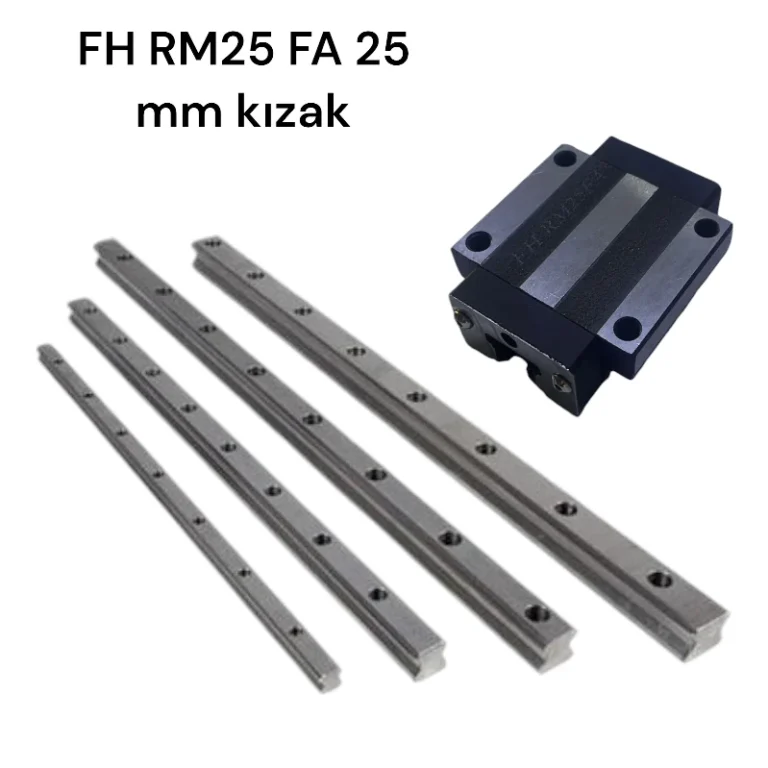
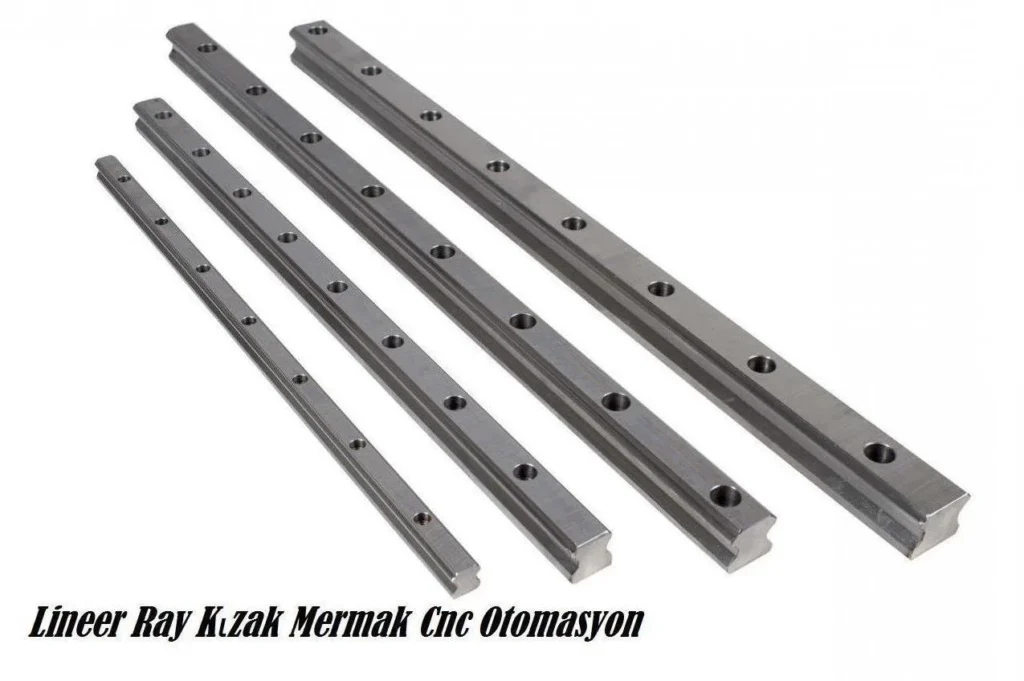
HGR Linear Guide Systems are typically the preferred choice for applications demanding high precision, heavy load capacities, and exceptional rigidity. These systems consist of a precisely machined profile rail and one or more guide blocks (carriages) that travel along this rail. The guide blocks contain recirculating ball bearings that distribute the load evenly across the rail surface, ensuring low-friction movement. These balls move in a closed loop, guaranteeing continuous contact and high load-bearing capability. The HGR series is renowned for its resistance to high torque and moment loads.
Conversely, SBR Shaft Systems offer a simpler design and are generally a more economical solution. These systems comprise a hardened and precision-ground shaft, supported by an aluminum profile rail underneath. Linear bearings (typically ball bushings or plain bearings) move along the shaft’s surface, providing linear motion. The SBR series is popular for applications with moderate loads, where high precision is not the primary requirement, and budget is a consideration. The supported structure helps minimize deflection (sag) in longer shafts.
Working Principles and Technical Data
Understanding the working principles and technical specifications of each system is key to selecting the right one for your application. Let’s explore the fundamental differences in how HGR Linear Guides and SBR Shafts operate and their technical characteristics.
Working Principle
- HGR Linear Guide (Rail System):
HGR series linear guides operate on the principle of recirculating ball bearings. Precision balls within the guide block travel in a closed loop, contacting the rail on four surfaces. This design allows them to handle radial, axial, and moment loads with high rigidity. The precise contact between the balls and the rail surfaces minimizes friction, enabling smooth and accurate movement even at high speeds. The tight tolerances between the rail and block surfaces provide micron-level positioning accuracy.
- SBR Shaft (Supported Shaft System):
SBR shaft systems rely on linear ball bearings sliding on a hardened shaft. The shaft is typically mounted on an aluminum support rail, which provides rigidity and prevents the shaft from bending. The linear bearings move along the outer surface of the shaft using integrated balls. This system is best suited for carrying loads primarily in one direction (radial) and is less resistant to moment loads compared to HGR systems. The primary function of the support rail is to prevent excessive shaft deflection over longer spans.
These fundamental differences in operating principles directly influence the load-carrying capacity, precision, rigidity, and application flexibility of each system.
| Parameter | HGR Linear Guide | SBR Shaft |
|---|---|---|
| Design Principle | Profile rail with recirculating ball bearing carriage | Hardened shaft with linear ball bearings (supported) |
| Load Capacity | Very High (radial, axial, moment loads) | Moderate (primarily radial loads) |
| Precision & Repeatability | Very High (micron-level) | Moderate (typically 0.05-0.1 mm) |
| Rigidity | Very High (high resistance in all directions) | Low-Moderate (weaker against moment loads) |
| Mounting Simplicity | Requires precise alignment, more complex | Simpler, more tolerant mounting |
| Cost | Higher | Lower, more economical |
| Maintenance Needs | Periodic lubrication and cleaning, precise maintenance | Periodic lubrication, less critical maintenance |
| Application Areas | CNC machines, robotics, precision measurement, high-speed automation | 3D printers, laser cutters, conveyors, simple automation |
| Vibration & Noise | Low vibration, low noise (with proper installation) | Higher potential for vibration and noise compared to HGR |
Key Considerations for Industrial Use
- Accurate Determination of Load and Rigidity Requirements:
The most critical step in selecting a linear motion system is accurately analyzing the application’s static and dynamic loads (radial, axial, moment) and the required rigidity. If high speeds, accelerations, or repetitive shock loads are involved, the superior rigidity and load distribution of HGR Linear Guides become essential. For lighter or moderate loads acting primarily in one direction, an SBR shaft might offer a more suitable and cost-effective solution. Incorrect selection can lead to premature wear, loss of precision, or system failure.
- Mounting Surface Precision and Alignment:
HGR Linear Guides demand extremely flat and precisely machined mounting surfaces to achieve their optimal performance. The parallelism of the rails and the flatness of the mounting surface must be within micron tolerances. Misalignment can cause premature wear, binding, and increased resistance in the guide blocks. SBR shaft systems are more tolerant of mounting surface variations than HGR guides, but careful installation is still necessary to ensure shaft straightness and support rail integrity, preventing sag and vibration.
- Environmental Conditions and Protection:
Both systems can be affected by dust, moisture, contaminants, and temperature fluctuations in the operating environment. HGR guides often come with integrated seals and can be further protected with bellows or covers. Protecting the shaft surface in SBR systems is more critical, as scratches or corrosion on the shaft can directly impact the lifespan of the linear bearings. In harsh environments, consider stainless steel or special coated versions, or implement appropriate protective enclosures.
- Lubrication and Maintenance Routines:
Both HGR and SBR systems require regular lubrication to ensure low friction and longevity. HGR guides typically use specialized greases or lubrication systems applied through designated ports. For SBR shafts, regular lubrication of the linear bearings on the shaft surface reduces wear and friction. Maintenance routines should follow manufacturer recommendations based on operating conditions. Insufficient or incorrect lubrication will degrade system performance and shorten its lifespan.
By carefully considering these factors, you can select the linear motion system that best meets the demands of your industrial CNC router machine or automation project. For high-performance applications requiring maximum precision and load capacity, HGR linear guides are the superior choice. For more budget-conscious or less demanding applications, SBR shafts provide a reliable and economical alternative.
Need help selecting the right linear motion components for your CNC machine?
Related product categories: Lineer Rulman · Genel · 25 Mm Lineer Kızak, Rulman Ve Yataklar