






































































Domestic vs. Imported CNC Machines: A Technical Analysis for Industrial Buyers

📑 Table of contents (Click to open)
- Introduction and Technical Analysis: Domestic vs. Imported CNC Machines
- Operating Principles and Technical Data: Domestic vs. Imported CNC Machines
- Key Considerations in the Field: Domestic vs. Imported CNC Machines
- Common Issues and Solutions: Domestic vs. Imported CNC Machines
- Conclusion and Expert Advice: Domestic vs. Imported CNC Machines
- FAQ
Introduction and Technical Analysis: Domestic vs. Imported CNC Machines
The industrial automation sector is one of the most dynamic fields, characterized by intense global competition and rapidly evolving technologies. In this environment, CNC (Computer Numerical Control) machines, which are at the heart of manufacturing processes, play a critical role in helping businesses achieve their efficiency, precision, and cost-effectiveness goals. In recent years, domestic CNC machine production in Turkey has gained significant momentum, reaching technological competencies capable of competing with imported machines. However, for a business, selecting the right CNC machine is far more than a simple decision based solely on technical specifications; it is a strategic investment. This comprehensive field guide and technical article aims to assist industry professionals and decision-makers by deeply analyzing the advantages, disadvantages, technical differences, and impacts on industrial automation processes of both domestically produced and imported CNC machines.
CNC technology minimizes the human factor in material processing, offering high repeatability and superior precision even for complex geometries. Used in various operations such as milling, turning, grinding, laser cutting, plasma cutting, and bending, these machines find wide application across sectors from automotive to aerospace, mold making to medical. Turkey’s young and dynamic industrial structure has steered domestic manufacturers towards R&D and innovation, allowing domestic CNC machines to establish a solid foothold in the market. This situation creates a dilemma between the established engineering and global experience offered by imported machines and the flexibility, local support, and cost advantages provided by domestic machines. In the decision-making process, factors such as initial investment cost, operating and maintenance expenses, spare parts accessibility, service speed and quality, technological adaptability, and long-term sustainability must be thoroughly evaluated. This article will objectively address the potential and risks offered by both options, thereby helping businesses find the most suitable solution for their specific needs.
Operating Principles and Technical Data: Domestic vs. Imported CNC Machines
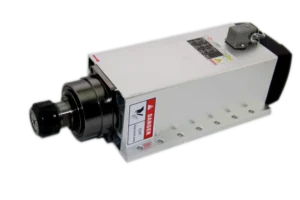
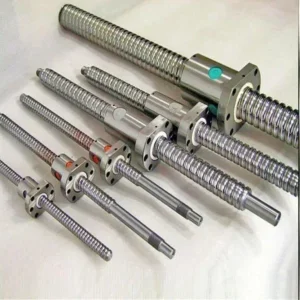
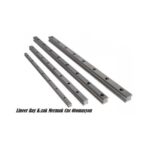
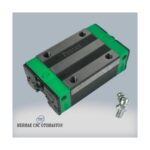
The operating principle of CNC machines is fundamentally based on precisely controlling machine axes and tool movements using numerical commands (G-codes and M-codes) sent by a computer control unit (CNC Controller). These commands define the geometry of the part to be machined, tool path, cutting speeds, feed rates, and other operational parameters. The control unit transmits this information to servo motors and drives, ensuring the machining tool moves at specified coordinates and speeds. Precise motion is typically achieved through ball screws, linear guide rails, and high-resolution encoders. Spindle motors, on the other hand, control the rotational speed of the cutting tool.
Technical differences between domestically produced and imported CNC machines typically focus on areas such as component selection, assembly quality, control system integration, and R&D accumulation. Imported machines, especially those from countries like Germany, Japan, and Switzerland, often stand out with years of engineering experience, high-precision components (e.g., Fanuc, Siemens, Heidenhain control units; THK, Rexroth linear guides; NSK, SKF bearings), and globally recognized quality standards. These machines are generally characterized by higher machining precision (at micron levels), faster machining speeds (rapid traverse and cutting feeds), longer life expectancy, and less vibration. They also offer easy integration capabilities with complex automation solutions.
Domestically produced CNC machines have shown significant development in recent years. While many domestic manufacturers import some critical components (e.g., control units, servo motors), they utilize their own engineering expertise in machine body construction, assembly, software integration, and automation solutions. This provides a significant advantage for domestic machines in terms of cost-effectiveness. Domestic manufacturers can offer performance close to or equivalent to imported machines, especially in mid- and lower-segment applications. Key technical aspects of domestic machines include:
- Control System Integration: Domestic manufacturers can integrate control units from different brands (Fanuc, Siemens, Heidenhain, Fagor, etc.) or their own developed control systems, according to customer preference. This flexibility helps users adapt to their existing experience and operator habits.
- Structural Rigidity and Vibration Damping: The design of the machine body, casting quality, and machining precision determine the overall rigidity and vibration damping capacity. Domestic manufacturers develop optimized body designs using modern engineering tools like FEM (Finite Element Analysis) and work with high-quality casting suppliers. This ensures stability even in heavy cutting operations.
- Machining Capacity and Number of Axes: Domestic manufacturers offer a wide range of products, from standard 3-axis milling and turning machines to 5-axis simultaneous machining centers and special-purpose machines. Machining area size, spindle power, and torque values are competitive with imported rivals.
- Energy Efficiency: New generation domestic CNC machines focus on reducing operating costs by using energy-efficient servo motors, LED lighting, and smart energy management systems. This provides a significant long-term advantage.
In conclusion, in terms of technical data and operating principles, both types of machines are based on fundamental engineering principles. However, component quality, assembly precision, and R&D accumulation create decisive differences in performance and longevity. Domestic manufacturers are continuously investing to close this gap and striving to gain a competitive advantage by offering customized solutions.
| Parameter | Value/Description |
|---|---|
| Machining Precision | Imported: Generally 5-10 micron levels, superior repeatability. Domestic: 10-20 micron levels, high potential for improvement. |
| Machining Speed (Rapid Traverse) | Imported: 36-60 m/min and above, high production capacity. Domestic: 24-48 m/min, optimized according to market demands. |
| Control System Compatibility | Imported: Generally focused on specific brands (Fanuc, Siemens, Heidenhain), deep integration. Domestic: Flexible integration with various control systems, choice according to user preference. |
| Service and Spare Parts Access | Imported: Global network, but risk of long waiting times and high costs for parts. Domestic: Fast local service, affordable and easily accessible spare parts. |
| Initial Investment Cost | Imported: Generally higher, includes brand value and technology cost. Domestic: More affordable, can be attractive with VAT advantages and local incentives. |
| Long-Term Operating Cost (TCO) | Imported: High spare part and service costs, but lower breakdown frequency. Domestic: Low service and spare part costs, potentially more frequent maintenance needs. |
| Technology Adaptation / Upgrade | Imported: Model updates at specific intervals, software license costs. Domestic: More flexible software and hardware updates, faster response to special requests. |
Key Considerations in the Field: Domestic vs. Imported CNC Machines
- Strength and Accessibility of Service and Support Network: Due to their complex nature, CNC machines require periodic maintenance and rapid intervention in case of potential breakdowns. For imported machines, while the brand’s global service network may be extensive, the competency of the local representative in Turkey, spare parts inventory, and intervention speed are critically important. Especially in critical production lines, prolonged machine downtime can lead to significant costs. For domestic machines, access to the service team is generally faster, and issues like language barriers are avoided. Spare parts are largely sourced from local supply chains, shortening waiting times. However, the expertise level of the domestic manufacturer’s technical team and their 24/7 support capacity should be thoroughly investigated.
- Spare Parts Supply and Costs: One of the most significant cost items over the lifespan of a CNC machine is spare parts. For imported machines, the cost of high-tech components such as control units, servo motors, or special spindle units can be quite high, and supply times can extend to weeks. This can lead to unexpected stoppages and production losses. For domestic machines, many parts can be obtained from local supply chains or more easily accessible sources. This reduces both costs and supply times. However, it should be questioned whether the domestic manufacturer maintains sufficient stock for critical imported components.
- Operator Training and Ease of Use: In a new CNC machine investment, the adaptation of existing operators to the machine and the training of new operators are important factors. Imported machines typically offer standardized interfaces and comprehensive documentation. However, training may need to be conducted in a foreign language or abroad. For domestic machines, Turkish user manuals, local language training, and more personalized support options are generally available. The choice of control system (common brands like Fanuc, Siemens, Heidenhain, or domestic alternatives) will directly affect the operator’s adaptation process. The existing operator pool’s familiarity with specific control systems should be considered.
- Technological Adaptation, Updates, and Automation Integration: With the rise of Industry 4.0 and smart manufacturing concepts, the ability of CNC machines to integrate with other automation systems (robots, AGVs, MES/ERP systems) has become crucial. Imported machines often offer standard interfaces and software packages for such integrations. Domestic manufacturers are also making significant strides in this area, but the depth and flexibility of integration may vary by brand. The machine’s capacity to adapt to future technological developments, receive software and hardware updates, will determine the long-term value of the investment. Especially for custom automation projects, domestic manufacturers may offer more flexible and personalized solutions.
- Total Cost of Ownership (TCO) Analysis: The cost of a CNC machine is not limited to its initial purchase price. Factors such as energy consumption, consumables, spare parts, maintenance, service, operator salaries, losses due to production downtime, and the machine’s scrap value constitute the Total Cost of Ownership (TCO). While imported machines generally have a higher initial investment cost, they may offer lower breakdown frequency and longer life expectancy. Domestic machines, on the other hand, can be attractive with more affordable initial costs, lower spare parts, and service expenses. Businesses must conduct a detailed TCO analysis based on their own production environments, maintenance capabilities, and financial structures.
- Suitability for Application and Custom Solutions: Every business has different production needs. Factors such as the type of material to be processed, part dimensions, desired surface quality, precision tolerances, and production volume directly affect machine selection. While imported machines generally offer a wide range of standard products, domestic manufacturers may be more willing to develop more flexible and customized solutions, especially for niche markets or special applications. The machine supplier’s ability to understand the specific needs of the business and offer the most efficient solution should be considered.
Common Issues and Solutions: Domestic vs. Imported CNC Machines
Despite being advanced technology products, CNC machines can encounter various problems due to their complex structures and intensive operating conditions. These issues can occur in both domestic and imported machines, but the solution approaches and speeds may differ.
1. Loss of Precision and Surface Quality Issues:
- Problem: Exceeding expected tolerances in machined parts, increased surface roughness, geometric errors.
- Causes: Backlash or wear in ball screws, deformation in linear guides, runout in tool holders or spindle, thermal deformation in the machine table or body, tool wear, incorrect cutting parameters, poor calibration.
- Solutions:
- Periodic calibration of machine axes using a laser interferometer or ballbar test.
- Timely replacement of worn mechanical components (ball screws, guides, bearings).
- Checking spindle runout and repairing/replacing if necessary.
- Optimizing cutting parameters (RPM, feed rate, depth of cut).
- Controlling temperature variations in the operating environment.
- Regularly tracking tool life and replacing worn tools.
2. Control System Errors and Software Problems:
- Problem: Unexpected machine stoppage, alarm messages, program loading or execution errors, interface freezes.
- Causes: Hardware failure in the control unit, software bugs, power supply fluctuations, operator errors, G-code programming errors, sensor failures.
- Solutions:
- Carefully reading alarm codes and messages to identify the source of the error.
- Regularly updating control system software.
- Using a regulator or UPS to ensure stable power supply.
- Providing comprehensive training to operators and adhering to programming standards.
- Contacting the control system manufacturer or machine supplier for remote or on-site support. This process can often be faster and more direct for domestic machines.
3. Mechanical Wear and Breakdowns:
- Problem: Abnormal noises from the spindle, axis jamming, tool changer malfunction, coolant leaks.
- Causes: Insufficient or incorrect lubrication, overloading, vibration, contamination, natural end of component life.
- Solutions:
- Regular lubrication using the manufacturer’s recommended periods and correct types of lubricants.
- Paying attention to machine cleanliness, preventing accumulation of chips and dirt.
- Periodically checking the wear status of mechanical components (bearings, gears, seals) and replacing them when necessary.
- Checking spindle unit balance and repairing if necessary.
- Regular cleaning of cooling system filters and checking fluid levels.
4. Difficulty in Spare Parts Procurement and High Cost:
- Problem: Inability to find a faulty part or obtaining it after a very long time and at a high cost.
- Causes: Rarity of the part, supply chain issues, customs procedures for imported parts, discontinuation of part production for older machine models.
- Solutions:
- Making spare parts agreements with the supplier, especially for critical components.
- Maintaining minimum stock of important and frequently failing parts within the business.
- Inquiring about the local distributor’s spare parts stock for imported machines.
- Evaluating the domestic manufacturer’s local supply chain and part production capacity for domestic machines.
- In some cases, investigating the possibility of local repair or remanufacturing of faulty parts (which may be more feasible for domestic machines).
To prevent these problems, it is vital to implement proactive maintenance (preventive and predictive maintenance) strategies, ensure continuous training for operators and maintenance personnel, and establish a strong communication and support network with the machine manufacturer. Domestic manufacturers generally have the potential to offer more flexible and faster solutions in these areas, but they need to continuously improve to reach the global standards and technical depth offered by imported machines.
Conclusion and Expert Advice: Domestic vs. Imported CNC Machines
In the industrial automation sector, selecting a CNC machine is a strategic decision that directly impacts a company’s production capacity, efficiency, and competitiveness. The choice between domestically produced and imported CNC machines is not about selecting the “best” one, but rather determining which one is “most suitable for the specific needs of the business.” As we have discussed throughout this detailed field guide, both options have their unique advantages and disadvantages, and making the right decision requires a comprehensive analysis and evaluation process.
Imported CNC machines typically stand out with features such as established engineering expertise, global quality standards, superior precision, high speed, and proven reliability. Especially for critical production lines requiring very high precision or continuous operation under heavy loads, imported machines might be the first choice. However, these advantages often come with a higher initial investment cost, potentially long spare parts delivery times, and reliance on an international service network. Foreign language barriers, sensitivity to currency fluctuations, and customs procedures can also be counted among the disadvantages of imported machines.
Domestically produced CNC machines, on the other hand, have become a noteworthy alternative due to the significant progress they have made in recent years. Domestic manufacturers offer performance and quality close to their imported rivals, especially in mid- and lower-segment applications, while providing a much more competitive initial investment cost. Their biggest advantages include fast and local service support, easy and affordable spare parts access, Turkish documentation and training opportunities, flexibility for customization according to customer needs, and contribution to the national economy. Furthermore, the ability to communicate directly with local manufacturers and provide feedback offers an opportunity to indirectly contribute to machine development processes. However, it should be considered that domestic manufacturers may not yet have reached the technological depth and R&D budgets of their global competitors in some cases, there is still reliance on imports for some critical components, and there might be precision and speed limitations in high-performance applications.
As expert advice; I recommend that businesses meticulously follow the steps below before making a CNC machine investment:
- Needs Analysis: All operational and financial constraints such as types of parts to be processed, material properties, desired precision and surface quality, production volume, automation integration requirements, and budget should be determined in detail.
- Detailed TCO (Total Cost of Ownership) Analysis: Instead of focusing only on the purchase cost, all life cycle costs such as energy consumption, maintenance, spare parts, service, operator training, production downtime costs, and the machine’s resale value should be taken into account.
- Reference Checks and Site Visits: References should be obtained from existing customers of potential suppliers, and if possible, businesses with similar applications should be visited to gather information about machine performance under real operating conditions, service, and support quality.
- Comparison of Technical Specifications: Technical parameters such as machine body rigidity, spindle power and torque, axis speeds and precisions, control system capabilities, and tool magazine capacity should be objectively compared in line with identified needs.
- Service and Support Agreements: Warranty conditions, service intervention times, spare parts warranty, and maintenance agreements should be examined in detail. Especially the after-sales service quality of domestic manufacturers will be decisive for long-term satisfaction.
- Future-Oriented Approach: The machine’s Industry 4.0 compliance, software updates, potential for integration with automation systems, and adaptability to new technologies should be evaluated.
In conclusion, domestically produced CNC machines are an attractive and sustainable option, especially for SMEs and businesses engaged in flexible manufacturing in Turkey. In addition to supporting the national industry, they can increase operational efficiency with the local advantages they offer. However, for high-precision and very specialized niche applications, imported machines may still hold a significant advantage. The smartest approach is to evaluate both options impartially, make a detailed comparison, and realize the most suitable investment aligned with your business’s long-term strategic goals. It should be remembered that a successful CNC investment does not end with purchasing the machine; it must also be supported by proper operator training, effective maintenance programs, and a culture of continuous improvement.
FAQ
What are the main cost advantages of choosing a domestic CNC machine?
Domestic CNC machines often offer a more competitive initial investment cost compared to imported machines. Additionally, they typically provide faster and more affordable local service and spare parts access, reducing overall operating costs.
In which areas do imported CNC machines typically offer superior performance?
Imported CNC machines generally excel in very high-precision applications, offering superior repeatability and often faster rapid traverse and cutting speeds due to long-standing engineering expertise and globally recognized component quality.
What key factors should industrial buyers consider when choosing between domestic and imported CNC machines?
When selecting a CNC machine, consider factors such as machining precision requirements, production volume, material types, desired surface quality, budget, and the importance of local service and spare parts availability. A detailed Total Cost of Ownership (TCO) analysis is also crucial.
What are the common technical problems encountered with CNC machines, and how can they be addressed?
Common issues include loss of machining precision, control system errors, mechanical wear, and challenges with spare parts procurement. Solutions involve regular calibration, software updates, proper lubrication, proactive maintenance, and establishing strong communication with the machine supplier.
What are the benefits of local service and support for domestically produced CNC machines?
For domestic machines, benefits include faster local support, easier access to spare parts from local supply chains, local language documentation and training, and greater flexibility for customization. This can lead to reduced downtime and operational expenses.