





































































Detecting and Addressing Play in Linear Guide Rails
📑 Table of contents (Click to open)
Practical notes for CNC router, automation and industrial motion systems.
Understanding Play in Linear Guide Rails
Play, also known as backlash or looseness, in linear guide rails refers to the unwanted free movement between the guide rail and the carriage (block) it supports. This condition significantly degrades system performance, leading to reduced positioning accuracy, increased vibration, abnormal noise, and a general loss of operational stability. Detecting and rectifying this play is critical for ensuring the precision and reliability of industrial automation systems, including CNC router machines and robotic applications.
The Importance of Precision in Linear Guides
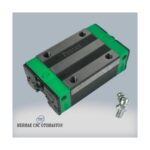
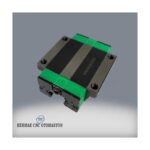
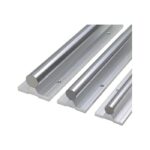
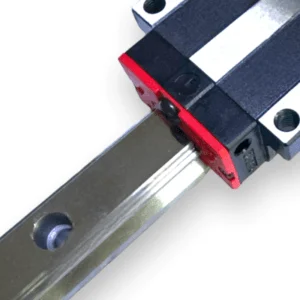
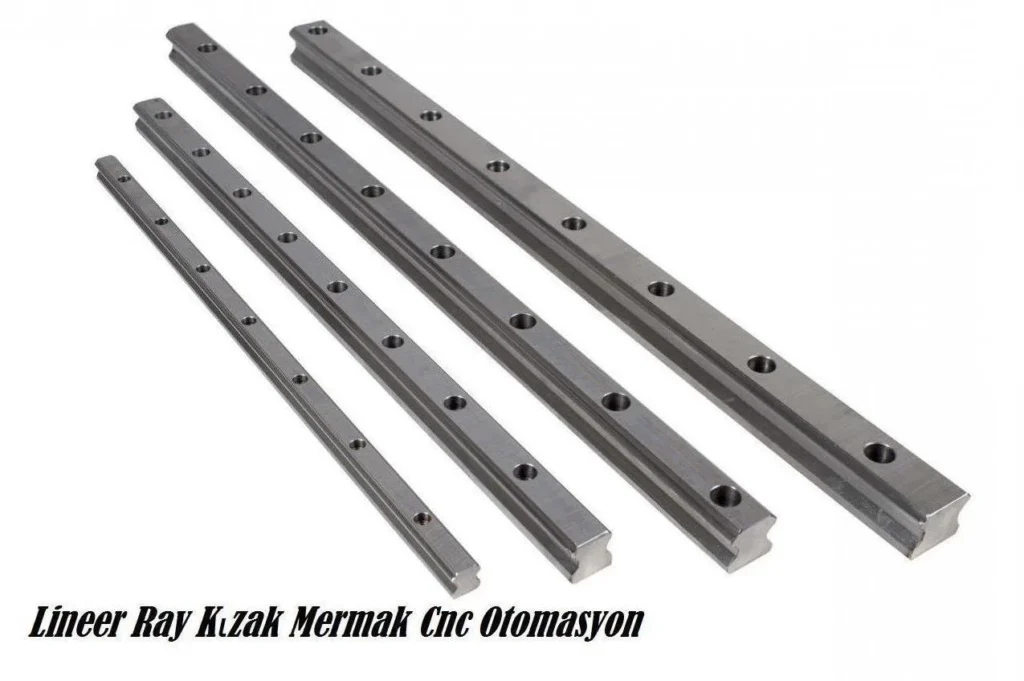
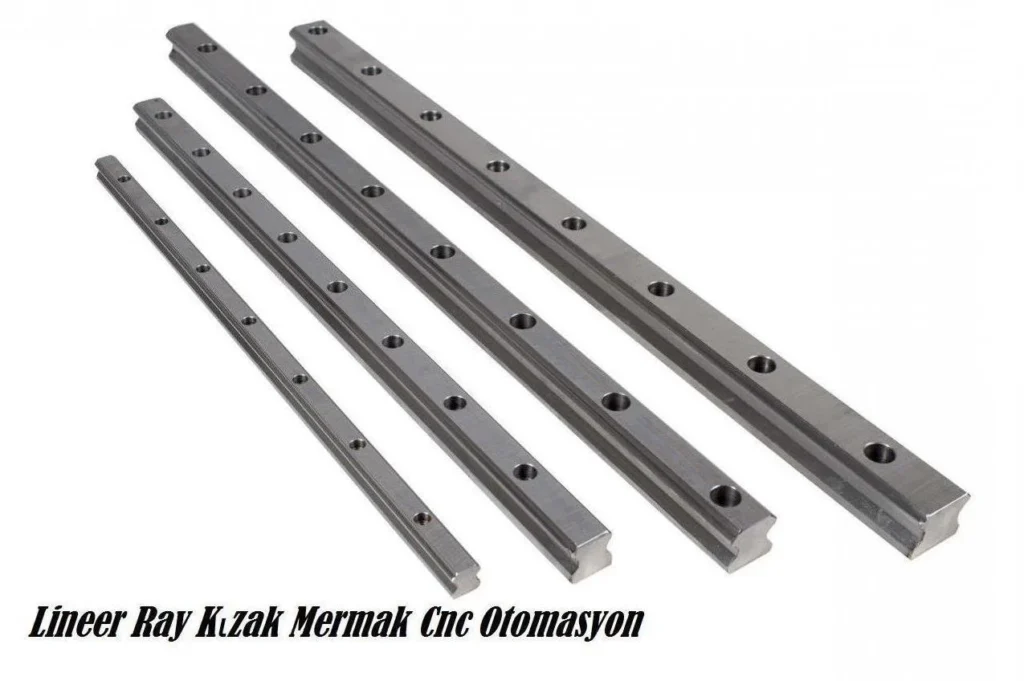
Linear guide rails are fundamental components in industrial automation, designed to provide high-precision linear motion and accurate positioning. They typically consist of a rail (guide path) and a carriage (block) that moves along it. The carriage contains recirculating balls, rollers, or sliding elements that interface with the rail surface, minimizing friction and enabling smooth movement. A crucial design element is the preload, which is the initial force applied to the rolling elements. Proper preload ensures that the carriage is held snugly against the rail, minimizing or eliminating play and maximizing rigidity. This preload is a key technical parameter directly influencing the system’s accuracy and load-bearing capacity. When this preload is compromised, play develops, impacting the machine’s repeatability, accuracy, and overall stability.
Causes of Play in Linear Guide Rails
Several factors can contribute to the development of play in linear guide systems:
- Wear: Continuous operation, heavy loads, and inadequate lubrication can cause wear on the rolling elements (balls or rollers) and the rail surfaces. This wear gradually increases the gap, leading to play.
- Insufficient Lubrication: Lack of proper lubrication increases friction, accelerating wear and contributing to premature play development.
- Contamination: Debris such as metal chips, dust, and dirt can enter the system, acting as abrasives and damaging the rail and carriage surfaces.
- Improper Installation: Misalignment of the rail or carriage, insufficiently tightened mounting bolts, or uneven mounting surfaces can create localized stress and lead to play.
- Overloading: Operating the system beyond its designed load limits can deform the guide elements, resulting in permanent play.
- Manufacturing Tolerances: Although less common, minor deviations in manufacturing tolerances or quality control issues can sometimes result in play, particularly in new components.
The presence of play directly affects the dynamic behavior of the system. In a CNC machine, for instance, play can cause the cutting tool to be mispositioned, leading to poor surface finish and machining errors. In robotics, it results in loss of positioning accuracy and repeatability issues. Therefore, timely detection and resolution of play are vital for the optimal functioning of any automated system.
| Parameter | Value/Description |
|---|---|
| Type of Play | Radial (vertical/lateral) and Axial (direction of motion) play. Radial play is most common. |
| Critical Play Tolerance | Varies by application and manufacturer, typically between 0.005 mm (5 microns) and 0.02 mm (20 microns) is considered the acceptable or critical threshold. |
| Measurement Methods | Dial indicator (comparator gauge), precision micrometer, laser interferometer, or capacitive sensors. |
| Potential Impact | Vibration, noise, positioning errors, loss of repeatability, poor surface finish, premature component wear. |
| Possible Causes | Wear, improper installation, insufficient lubrication, contamination, overloading, manufacturing defects. |
| Preload (Preload) | Initial force applied to rolling elements to achieve zero or negative play. Key to minimizing backlash. |
| Material Wear | Loss of material at the micron level on rail and ball/roller surfaces, the primary physical cause of play. |
Practical Detection Methods for Play
- Visual Inspection and Tactile Check:
After powering down the machine and ensuring safety, visually inspect the linear rail and carriage surfaces. Look for signs of wear, rust, scratches, or unusually shiny areas on the rail. Irregularities on the surfaces where the balls or rollers make contact can indicate wear. Accumulation of metal chips or dust around the carriage may also suggest wear. Observe if there is visible looseness between the rail and the carriage. Manually move the carriage along the rail in different directions (up/down, left/right, forward/backward) to feel for any abnormal looseness or binding. This is often the quickest initial check for play.
- Manual Manipulation and Auditory Clues:
With the machine powered off, try to manually move the linear guide carriage in various directions. If you feel excessive movement or hear a clicking or rattling sound as the carriage moves, it’s a strong indicator of play. A properly preloaded linear guide should resist manual movement and not feel loose. During operation, unusual friction noises, squeaks, clicks, or knocking sounds can indicate that components are impacting each other due to play, signaling a need for immediate attention.
- Positioning Accuracy and Repeatability Tests:
Test the machine’s positioning repeatability by commanding it to move to a specific point multiple times. If the system does not return to the exact same point each time, showing a deviation, this can be a sign of play. For example, on a CNC machine, if the cutting tool does not consistently reach the same coordinates, the resulting parts will have dimensional inconsistencies or surface quality issues. Using precision measuring instruments like a laser interferometer or a dial indicator is the most reliable way to quantify this deviation. A dial indicator, mounted near the carriage and touching the rail, can measure the extent of movement in microns as the carriage is moved.
- Vibration Analysis:
In advanced automation systems, vibration sensors can monitor the vibration levels of the linear guides during operation. A linear guide with play may exhibit higher-than-normal vibration levels and characteristic frequency spikes. These vibrations can accelerate wear on the guide components and compromise the overall stability of the machine. Vibration analysis can help detect play in its early stages, even before it becomes visually or audibly apparent, providing valuable data for predictive maintenance strategies.
Common Issues and Solutions
Addressing play in linear guide rails typically involves a combination of maintenance and potential component replacement. Regular cleaning and proper lubrication are essential preventive measures. If play is detected, the first step is often to check and tighten mounting bolts and ensure proper alignment. In many cases, play is a direct result of wear. If wear is significant, the worn components (balls, rollers, or the entire rail and carriage assembly) may need to be replaced. Adjusting or restoring the preload is crucial during reassembly. For critical applications requiring the highest precision, consider upgrading to linear guides with higher preload ratings or specialized designs that are more resistant to wear and contamination. Consulting the manufacturer’s specifications for acceptable tolerances and recommended maintenance procedures is always advised.
Maintaining the integrity of your linear guide systems is paramount for achieving consistent quality and performance from your industrial CNC router machine. Proactive detection and resolution of play ensure your machinery operates at peak efficiency.
Need expert advice on your linear motion systems? Request a quote on WhatsApp today!
