No products in the cart.
Daily and Weekly Maintenance Routines to Extend the Life of Your CNC Machine
Contents
- Daily and Weekly Maintenance Routines to Extend the Life of Your CNC Machine: A Field Guide and Technical Article At the heart of industrial automation, CNC (Computer Numerical Control) machines are indispensable components of modern manufacturing. These high-precision and complex systems play a critical role in many areas such as metalworking, woodworking, plastic forming, and composite manufacturing. However, the performance, accuracy, and most importantly, the lifespan of these machines are directly related to the quality of the maintenance routines applied. Insufficient or irregular maintenance can lead to production disruptions, costly repairs, a decrease in machining quality, and even premature machine obsolescence. This field guide and technical article comprehensively addresses the daily and weekly maintenance routines that should be implemented to extend the life of CNC machines, increase operational efficiency, and maximize return on investment for professionals in the industrial automation sector. Proactive maintenance strategies not only prevent breakdowns but also ensure the machine continuously operates at optimal performance, guaranteeing production continuity and profitability. This guide details the steps maintenance personnel and operators need to take to preserve machine health, aiming to minimize unexpected downtime and reduce operating costs. Operating Principle and Technical Data
- On-Site Considerations
- Common Problems and Solutions
- Expert Advice
- FAQ
Daily and Weekly Maintenance Routines to Extend the Life of Your CNC Machine: A Field Guide and Technical Article
At the heart of industrial automation, CNC (Computer Numerical Control) machines are indispensable components of modern manufacturing. These high-precision and complex systems play a critical role in many areas such as metalworking, woodworking, plastic forming, and composite manufacturing. However, the performance, accuracy, and most importantly, the lifespan of these machines are directly related to the quality of the maintenance routines applied. Insufficient or irregular maintenance can lead to production disruptions, costly repairs, a decrease in machining quality, and even premature machine obsolescence. This field guide and technical article comprehensively addresses the daily and weekly maintenance routines that should be implemented to extend the life of CNC machines, increase operational efficiency, and maximize return on investment for professionals in the industrial automation sector. Proactive maintenance strategies not only prevent breakdowns but also ensure the machine continuously operates at optimal performance, guaranteeing production continuity and profitability. This guide details the steps maintenance personnel and operators need to take to preserve machine health, aiming to minimize unexpected downtime and reduce operating costs.
Operating Principle and Technical Data
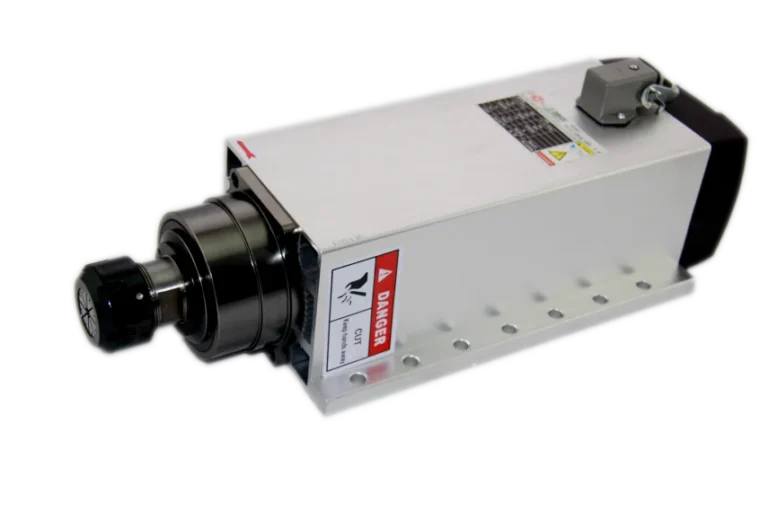
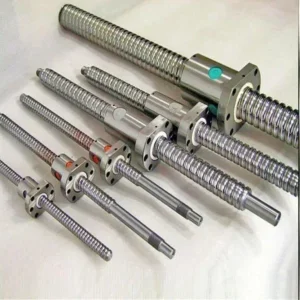
CNC machines are complex engineering marvels that precisely process workpieces by following programmed commands (G-codes and M-codes) via computer-controlled systems. Fundamentally, a CNC machine consists of main components such as a control unit (CNC controller), servo motors and their drives, mechanical axes (linear guide rails, ball screws), spindle motor, tool magazine and automatic tool changer (ATC), cooling system, and lubrication system. The control unit interprets machining instructions from CAD/CAM software and sends motion signals to the servo motors. Servo motors move the axes via ball screws, ensuring the cutting tool follows the desired path on the workpiece. The spindle motor rotates the cutting tool at high speeds to perform the material removal operation. Each of these components is critical for the machine’s overall performance and lifespan and requires regular maintenance. For example, lack of lubrication or contamination in ball screws and linear guide rails increases friction, leading to wear and deviations in axis movements. Irregular lubrication or cooling of the spindle motor bearings can lead to overheating and bearing failures. Tool magazine and automatic tool changer (ATC) systems directly affect tool change speed and reliability; mechanical or pneumatic issues in these systems can disrupt the production cycle. Dust and moisture accumulating in the electrical panel can cause electronic components to overheat and short-circuit, leading to control unit failures. Environmental conditions also have a significant impact on machine health; dust, chips, moisture, and temperature fluctuations in the workshop environment are serious risk factors, especially for exposed mechanical parts, sensors, and electrical components. Therefore, systematic and regular maintenance applications, in accordance with the technical specifications of all these components, are vital for the machine to operate efficiently and for a long lifespan. Adherence to the manufacturer’s technical specifications and periodic maintenance schedules ensures the machine completes its design life and maintains its precision.
| Parameter | Value/Description |
|---|---|
| Daily Maintenance Duration | 15-30 minutes (Varies by machine type) |
| Weekly Maintenance Duration | 1-2 hours (Varies by machine type) |
| Spindle Lubrication Type | Should be checked according to manufacturer datasheet values. (Typically Grease or Oil Mist) |
| Guide Rail Lubrication Oil | ISO VG 32 or ISO VG 68 (Varies by manufacturer) |
| Coolant Concentration | 5% – 10% (According to material to be processed and manufacturer recommendation) |
| Air Pressure Requirement | 5-7 bar (For tool changer, pneumatic cylinders) |
| Electrical Panel Filter Replacement Period | 3-6 months or depending on contamination level |
| Axis Backlash Check | 1-2 times a year or in case of precision loss |
On-Site Considerations
- Proper Lubrication and Coolant Management: Correct type and amount of lubrication are vital for the moving parts, spindle motor bearings, and ball screws of CNC machines. Daily, check that the automatic lubrication system is operating, review the oil level, and refill if necessary. Weekly, inspect the lubrication system filters and clean or replace them if clogged. Especially guide rail oils directly affect the smoothness and precision of axis movements. Coolant (cutting fluid) management is similarly important. Daily, check the coolant level and refill if low. Weekly, measure the coolant concentration with a refractometer and adjust according to manufacturer recommendations. Low concentration shortens tool life and causes corrosion, while high concentration can lead to issues like foaming and skin irritation. Additionally, regular cleaning should be performed in the coolant tank to prevent bacterial growth, and biocide should be used if necessary. Coolant filters should also be checked and cleaned weekly.
- Mechanical Tolerances and Precision Control: Machining precision, one of the most critical features of CNC machines, is directly related to the condition of mechanical components. Weekly, check for visible backlash in the machine’s main axes (X, Y, Z). This check is important for understanding the wear condition of ball screws and linear guide rails. When the machine is off, move the axes manually or at low speed and listen for abnormal noises or vibrations. The cleanliness of tool holder tapers and the spindle motor’s internal taper is critical for tool clamping precision, so they should be cleaned daily. Dirty or damaged tapers prevent the tool from seating correctly, leading to a decrease in machining precision. Weekly, tool magazine pockets should also be checked and cleaned of chips and dirt accumulation.
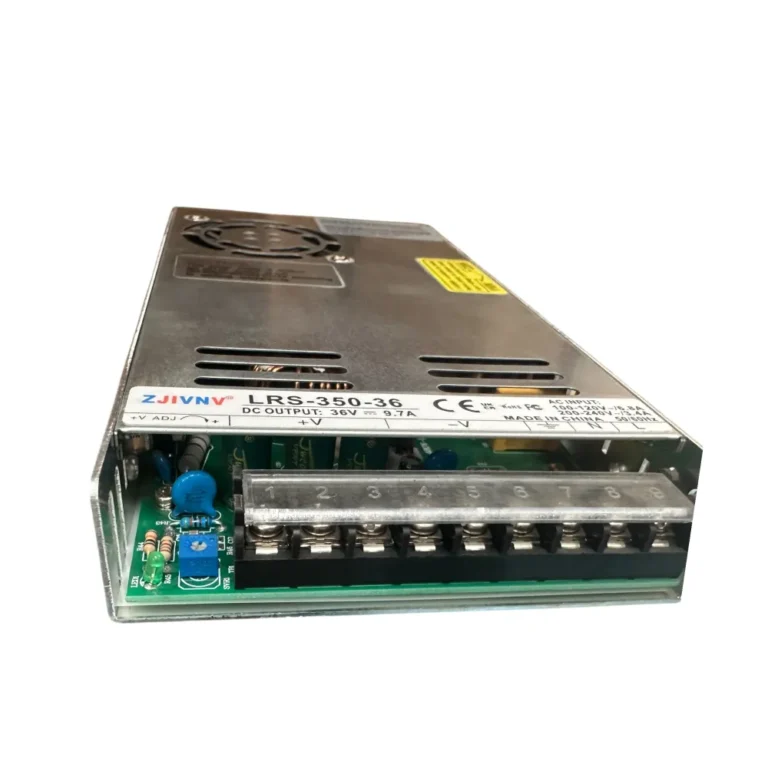
- Protection of Electrical and Electronic Components: The control unit, the brain of CNC machines, and other electrical components must operate in a clean and stable environment. Weekly, open the electrical panel covers and clean accumulated dust and dirt with special industrial vacuum cleaners or dry air (low pressure). Inspect fan filters, cleaning or replacing them if dirty. Carefully examine for loose cable connections, signs of corrosion, or burnt odors. Such issues can lead to electronic board failures or machine downtime. Additionally, periodically check that the machine’s grounding connections are secure and protected against voltage fluctuations. The control unit screen and keypad should also be cleaned daily using non-abrasive cleaners.
- Tool Holder and Magazine Maintenance: Automatic tool changer (ATC) systems are vital for the efficiency of CNC machines. Daily, check the cleanliness and integrity of the tool holders in use. Specifically, there should be no chips, oil, or dirt on the surfaces of HSK or BT/CAT tapers. Dirty tapers prevent the tool from seating fully in the spindle motor, negatively affecting machining precision and tool life. Weekly, tool magazine pockets should be thoroughly cleaned, and the movement mechanism of the tool change arm should be inspected. Check for any jamming, excessive wear, or looseness in the mechanism. Air pressures of pneumatic tool clamping/unclamping systems should be checked and ensured to be within manufacturer specifications. Observe that sensors are working correctly and that synchronization during tool changes is smooth.
- Operator Training and Responsibility: The success of maintenance routines largely depends on the knowledge and attentiveness of machine operators. Operators should be trained to recognize early warning signs such as abnormal noises, vibrations, odors, or visual changes from the machine, in addition to daily and weekly maintenance tasks. In case of any abnormality, it is important for them to immediately report the situation to the maintenance department and keep necessary records. Maintaining a machine log to record performed maintenance, encountered problems, and solutions is a critical data source for long-term troubleshooting and developing preventive maintenance strategies. Operators regularly performing basic tasks such as machine cleaning, chip management, and coolant level checks significantly contribute to overall machine health.
Common Problems and Solutions
Despite regular maintenance, or due to maintenance deficiencies, various problems can arise in CNC machines. Early diagnosis and correct application of solutions are critical to extending machine life and minimizing production losses.
Problem 1: Vibration, Abnormal Noise, or Sticking in Axes. This is typically caused by lack of lubrication, contamination/wear of ball screws or linear guide rails, deterioration of servo drive settings, or looseness in couplings.
Solution: First, ensure the automatic lubrication system is working correctly and the oil level is sufficient. Clean the guide rail and ball screw surfaces and lubricate manually if necessary. If the problem persists, check the physical condition (wear, backlash) of the ball screws and linear guide rails. Review the mechanical connections and couplings of the servo motors for tightness. If necessary, adjust servo drive parameters via the control unit or seek assistance from a specialized technician.
Problem 2: Decrease in Machining Precision or Deterioration of Surface Quality. This situation usually results from contamination between the tool holder and spindle motor taper, tool wear, axis backlash, problems in spindle motor bearings, or loss of machine calibration.
Solution: First, check the sharpness and correct clamping of the tool in use, replace worn tools. Thoroughly clean the internal surfaces of the tool holder and spindle motor taper with an alcohol-based cleaner. Check for backlash in the axes; if backlash exists, check the adjustment of ball screw nuts or replace worn components. Observe the spindle motor bearings for overheating, noise, or vibration; this may require bearing replacement. Finally, check the machine’s geometric calibration (straightness, perpendicularity) with precise measuring instruments like a laser interferometer and recalibrate if necessary.
Problem 3: Coolant Odor, Foaming, or Rusting. These problems typically stem from incorrect coolant concentration, bacterial growth, inadequate filtration, or the use of unsuitable coolant.
Solution: Measure the coolant concentration with a refractometer and adjust according to manufacturer recommendations. In case of excessive foaming, use anti-foaming additives. A foul odor is a sign of bacterial growth; in this case, completely drain the coolant, disinfect the tank and system, refill with new coolant, and use a biocide additive. Regularly clean or replace coolant filters. Also, ensure you are using the correct type of coolant for the material being processed.
Problem 4: Automatic Tool Changer (ATC) Errors. Problems such as jamming, dropping, or inability to select the correct tool during tool changes are usually caused by mechanical misalignments, pneumatic issues, sensor failures, or dirty tool holders.
Solution: Ensure the cleanliness of tool holders and the spindle motor taper. Check the movement mechanism of the tool change arm; identify and replace any jammed or worn parts. Check the air pressure of the pneumatic system and ensure it is sufficient; clean moisture traps and filters in the air line. Check the tool magazine position sensors and tool holder detection sensors, clean them if dirty, or replace them if faulty. Check and adjust the synchronization between the tool magazine and the spindle motor if necessary.
Problem 5: Electrical Faults, Controller Errors, or Machine Stoppages. These types of problems usually arise from dust accumulation in the electrical panel, loose connections, voltage fluctuations, grounding issues, fan failures, or electronic board damage.
Solution: Regularly clean the electrical panel and check fan filters. Ensure all cable connections are tight and corrosion-free. Check the mains voltage supplied to the machine and ensure it is stable; use a voltage regulator if necessary. Check the machine’s grounding connections. Note down error codes on the control unit and refer to the troubleshooting section in the manufacturer’s manual. Ensure fans are working properly, as overheating can damage electronic components. In such situations, seeking support from an electrical/electronic technician is usually the safest approach.
Expert Advice
CNC machines form the backbone of industrial automation and modern manufacturing; therefore, their smooth, precise, and uninterrupted operation is vital for a company’s competitiveness and profitability. The daily and weekly maintenance routines we have covered in this detailed guide not only prevent breakdowns but also significantly extend the machine’s lifespan, providing substantial cost advantages in the long run. Based on our field experience, we can say that every minute spent on maintenance saves hours of downtime and costly repairs caused by unexpected failures. Adopting a proactive maintenance approach is far more economical than reactive (post-failure) maintenance and provides predictability in production planning. It should be remembered that a CNC machine is not just a tool for processing metal or plastic, but also a high-tech investment. To protect and maximize the value of this investment, maintenance activities must be carried out meticulously and regularly. Regular maintenance record-keeping, continuous training of operators and maintenance personnel, the use of correct consumables (oils, coolants, filters), and strict adherence to manufacturer recommendations are indispensable components of this process. In the future, maintenance of CNC machines will become even smarter with sensor-based predictive maintenance systems and Industry 4.0 integrations, but fundamental daily and weekly routines will always remain the foundation of operational excellence. It is key for every business to optimize and regularly review these routines according to its specific conditions to maximize the efficiency obtained from CNC machines. Remember, a well-maintained machine not only operates longer but also produces higher quality products and directly contributes to your company’s overall success.
FAQ
What are the essential daily maintenance tasks for a CNC router machine?
Daily maintenance for an industrial CNC router machine typically involves checking coolant levels, ensuring the automatic lubrication system is functioning, clearing chips from the work area, inspecting tool holders for cleanliness, and cleaning the control panel. These tasks usually take 15-30 minutes.
What does weekly maintenance for an industrial CNC machine entail?
Weekly maintenance includes more in-depth checks such as measuring coolant concentration, inspecting and cleaning coolant filters, checking for axis backlash, cleaning the electrical panel and its fan filters, and inspecting the automatic tool changer (ATC) mechanism for wear or misalignment. This can take 1-2 hours.
What are the risks of inadequate lubrication on CNC machine components?
Lack of proper lubrication can lead to increased friction, premature wear of linear guide rails and ball screws, and potential damage to the spindle motor bearings. This results in reduced machining precision, abnormal noises, and ultimately, costly repairs and downtime.
What are some common problems encountered with industrial CNC machines and their typical causes?
Common issues include axis vibration or sticking (often due to lubrication issues or worn components), decreased machining precision (from dirty tool tapers or axis backlash), coolant problems like odor or foaming (due to incorrect concentration or bacterial growth), and ATC errors (from mechanical misalignment or sensor faults).
How can I protect the electrical and electronic components of my CNC machine?
Regular cleaning of the electrical panel, checking for loose cable connections, ensuring stable power supply, and verifying proper grounding are crucial. Overheating from dust accumulation or voltage fluctuations can lead to electronic component damage and control unit failures.