
























































































CNC Spare Parts List for Sale: Most Needed Components for Industrial CNC Routers
📑 Table of contents (Click to open)
Introduction and Technical Analysis
At the heart of industrial automation, CNC (Computer Numerical Control) machines are indispensable elements of modern manufacturing. Thanks to their precision, repeatability, and high production speeds, they play critical roles across a wide spectrum of industries, from automotive to aerospace, medical to mold making. However, the uninterrupted operation of these complex systems is directly linked to regular maintenance and proper spare parts management. An unexpected breakdown can lead to significant production stoppages, costly delays, and even loss of brand reputation. Therefore, understanding the most frequently needed spare parts for CNC machines, establishing correct stocking strategies, and anticipating potential failures are of strategic importance for every business. This field guide and technical article aims to address CNC spare parts management from an expert perspective for professionals in the industrial automation sector. We will meticulously examine the critical role of each component, from the machine’s core to control systems, motion components to sensors, along with their failure symptoms and the importance of selecting the right parts. The objective is to help businesses enhance their efficiency, minimize unplanned downtime, and achieve operational excellence. This analysis will not only provide a parts list but also cover the technical depth, operating principles, and preventive measures against challenges encountered in the field for each component.
Operating Principle and Technical Data
CNC machines operate through the harmonious functioning of a series of integrated systems. Each component directly affects the machine’s overall performance, precision, and reliability. In this section, we will delve into the most critical and frequently needed spare parts, examining them in terms of their technical functions, potential causes of failure, and selection criteria.
Servo Motors and Servo Drives: These are fundamental components that ensure the dynamic and precise movement of CNC machines. Servo motors rotate with millimeter precision based on signals from the control system, while servo drives control the speed, torque, and position of these motors. They provide closed-loop control by receiving feedback via encoders. Failures typically manifest as wear in motor bearings, encoder damage, insulation breakdown in windings, or burnout of power electronics boards (IGBTs) in the drive due to overload. Correct selection of servo motors and drives is vital for the machine’s dynamic response, acceleration/deceleration times, and machining quality. High torque density, fast response time, and low inertia are desired features for modern CNC applications.
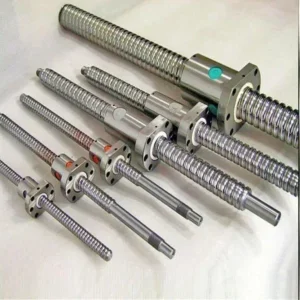
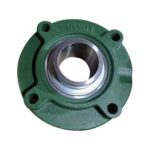
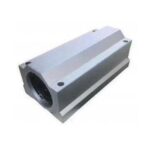
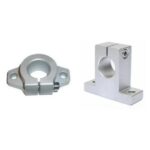
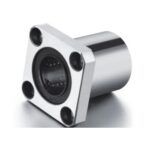
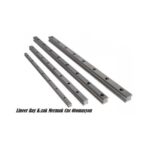
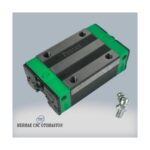
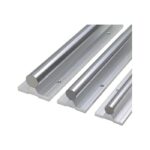
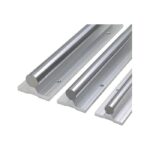
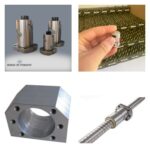
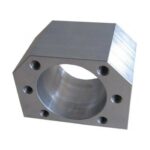
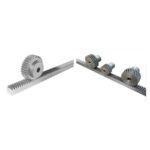
Linear Guide Rails and Ball Screws: These are mechanical transmission systems that execute the machine’s axial movements with high precision. Linear guide rails reduce friction of moving parts, ensuring smooth and stable motion, while ball screws convert rotary motion into linear motion and provide positioning accuracy. Common failures include wear, insufficient lubrication, contamination, or backlash formation in ball screws due to impact, or hardening and increased friction in guide rails. These situations directly affect machining precision and degrade surface quality. In spare part selection, load capacity, precision class, preload level, and sealing properties against contamination are critically important.
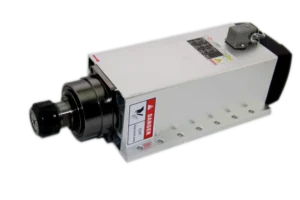
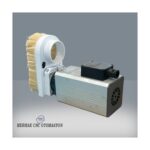
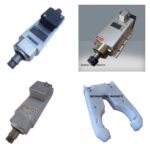
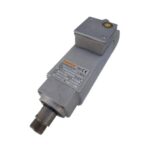
Spindle Units and Bearings: One of the most critical components of CNC machines, providing the rotational movement of the cutting tool. Since they operate at high speeds and under heavy loads, spindle bearings are among the most worn parts. Excessive heating, vibration, changes in sound, or a decrease in machining quality can indicate spindle bearing failure. Spindle units themselves can also wear over time, lose their balance, or experience problems with motor windings. In spare part selection, rotational speed capacity, torque characteristics, cooling system, and bearing type (such as ceramic ball bearings) should be considered. Thermal stability and dynamic balance are particularly important in high-speed machining centers.
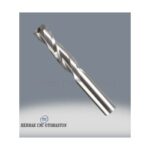
Tool Holders and Collets: These parts secure cutting tools to the spindle and ensure tool stability and precision during machining. Over time, wear, impact, or improper use can cause deformations. This leads to tool runout, vibration, and consequently, a decrease in machining quality, or even reduced tool life. In spare part selection, clamping force, balance quality, tool type, and machining tolerances should be considered. High-precision (HP) tool holders should be preferred for precise work.
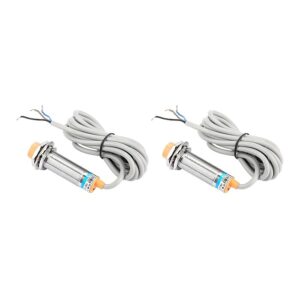
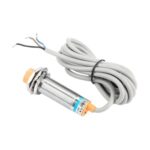
Sensors (Limit, Proximity, Encoder): Vital feedback and safety elements for the correct operation of CNC machines. Limit switches define the end points of axis movements, while proximity sensors detect the presence of metal parts without contact. Encoders transmit position and speed information of motors or axes to the control system. Contamination, physical damage, cable breaks, or electronic failures can cause sensors to lose their function. These situations can lead to incorrect machine positioning, failure of safety systems to engage, or complete shutdown. In spare part selection, sensing distance, output type (PNP/NPN), protection class (IP rating), and resolution (for encoders) are important.
Control Cards and PLC Modules: These act as the brain of the CNC machine. They interpret machining programs and coordinate motors, sensors, and all other peripherals. CPU cards, I/O modules, memory cards, and communication modules fall into this category. Voltage fluctuations, overheating, electrostatic discharge (ESD), or component failures due to aging can cause control cards to malfunction. Such failures lead to the machine completely stopping, receiving incorrect commands, or giving intermittent errors. In spare part procurement, full compatibility with the existing system and software version compatibility are critically important. Finding parts for older systems can be challenging, which may necessitate modernization.
Cables and Connectors: Although they may seem simple, they are critically important for the reliability of CNC machines. Power cables, signal cables, encoder cables, and communication cables are subjected to bending and stress in constantly moving axes. Over time, fatigue, cracking of outer insulation, breakage of internal conductors, or loosening/oxidation of connectors lead to failures. This can cause signal loss, electrical noise (EMI), or power interruptions. In spare part selection, flexibility degree (drag chain compatibility), shielding quality, oil and chemical resistance, and connectors with the correct pin arrangement should be preferred.
Hydraulic/Pneumatic Valves and Cylinders: Used in auxiliary functions such as tool changers, workpiece clamping (vise/fixture), and door opening/closing. Valves control the direction and pressure of the fluid, while cylinders provide linear motion. Wear of sealing elements (seals), contamination, incorrect pressure settings, or coil failures are common problems encountered in these systems. Failures can lead to slowing down of functions, loss of power, or complete non-operation. In spare part selection, pressure resistance, flow rate, sealing material, and coil voltage are important parameters.
Operator Panels and HMI Screens: These are the interfaces through which the operator interacts with the machine. Keypads, touchscreens, and LCD panels fall into this category. Physical damage, liquid contact, wear of keys, loss of touch sensitivity, or backlight failures are common problems in operator panels. These situations make machine control difficult or impossible. In spare part selection, screen size, resolution, touchscreen technology (resistive/capacitive), and connection interfaces (Ethernet, USB) should be considered.
| Parameter | Value/Description |
|---|---|
| CNC Machine Type | 3 Axis Machining Center |
| Spindle Speed (Max.) | 12,000 RPM (Revolutions per Minute) |
| Axis Travel Speed (Max.) | 30 m/min (meters/minute) |
| Positioning Repeatability | ±0.005 mm (millimeter) |
| Servo Motor Torque (Nominal) | 10 Nm (Newton meter) |
| Linear Guide Rail Size (Example) | HG Type, 35mm Width |
| Control System Brand | Fanuc, Siemens, Heidenhain (Example) |
| Operating Voltage | 3 Phase 400V AC, 50Hz |
| Protection Class (Average) | IP54 / IP65 (Varies by product) |
| Cooling System | Air Cooled / Liquid Cooled (Must be checked according to manufacturer datasheet value.) |
Field Considerations
- Importance of Original Spare Parts: CNC machines are systems that require high precision and integration. Using original or manufacturer-approved spare parts directly affects the machine’s performance, reliability, and lifespan. While aftermarket or incompatible parts may offer a short-term cost advantage, in the long run, they can lead to incompatibilities, low performance, frequent breakdowns, and even permanent damage to the machine, resulting in much higher costs. Especially for critical components such as servo motors, drives, encoders, and control cards, the use of original parts is indispensable.
- Periodic Maintenance and Preventive Measures: A large proportion of failures result from a lack of regular maintenance. Periodic tasks such as checking lubrication points, cleaning/replacing filters, internal cleaning of electrical panels, visual inspection of cables and connections, and maintenance of cooling systems help detect potential failures in advance and extend lifespan. Regular and correct lubrication of linear guide rails and ball screws, in particular, significantly delays wear. The lifespan of spindle bearings is directly related to correct operating conditions and thermal management.
- Inventory Management and Identification of Critical Parts: Every business must establish a spare parts inventory strategy based on its CNC machine park and production criticality level. Methods such as “ABC analysis” should be used to identify critically important parts that have long lead times or would completely halt production if they failed, and these should be kept in stock. When creating a spare parts list, the machine’s age, usage intensity, breakdown history, and the parts supply chain should be considered. Especially for older machines, planning in advance for the procurement of discontinued or hard-to-find parts is vital.
- Trained Personnel and Fault Detection Capability: Accurate and rapid diagnosis of failures in CNC machines is critical to minimizing downtime. Regular training for machine operators and maintenance technicians ensures they are competent in understanding error codes, performing basic troubleshooting steps, and seeking expert assistance when needed. Problems such as sensor failures, cable breaks, or simple mechanical jams can be quickly resolved by trained personnel, while more complex electronic or mechanical failures require in-depth technical knowledge.
- Impact of Environmental Factors: The conditions of the environment where CNC machines are located directly affect the lifespan of spare parts and the overall performance of the machine. High humidity, extreme temperature fluctuations, dust, chips, or chemical vapors can cause premature wear or failure of electronic components, sensors, and moving parts. Protecting electrical panels and sensitive electronic cards from dust, moisture, and vibration is vital for longevity. Efficient operation of cooling systems ensures temperature control, preventing overheating of electronic cards and critical components like the spindle.
Common Problems and Solutions
Problems encountered in CNC machines are often related to the failure of specific components. Here are some common scenarios and suggested solutions:
1. Servo Motor Overheating or Vibration:
- Problem: Servo motor overheating more than normal, vibrating during machining, or giving an alarm.
- Possible Causes: Bearing wear, encoder failure, incorrect servo drive parameter settings, partial short circuit in motor windings, insufficient cooling, overload, or mechanical jamming.
- Solution: First, check the mechanical load. Test the integrity of motor bearings and the encoder. Optimize servo drive parameters (gain, inertia). Measure motor winding insulation with a megger test. Check if the motor’s cooling fan is working or if cooling channels are blocked. Replace the motor or drive if necessary.
2. Loss of Positioning Accuracy or Backlash:
- Problem: Dimensional deviations in machined parts, rounding at corners, or vibration in axis movements.
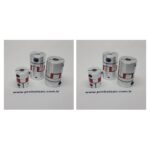
- Possible Causes: Wear in the ball screw nut (backlash formation), loosening in ball screw bearings, wear or contamination in linear guide rails, incorrect feedback from the encoder, loosening/damage of the coupling between the servo motor and ball screw.
- Solution: Perform backlash tests to determine which axis has backlash and how much. Adjust or replace the ball screw nut. Clean and lubricate linear guide rails; replace if excessively worn. Check and tighten or replace the coupling. Check encoder connections and signals.
3. Abnormal Noise or Vibration from Spindle:
- Problem: High-pitched noise from the spindle, increased vibration, or a decrease in machining quality.
- Possible Causes: Wear or damage to spindle bearings, imbalance, insufficient lubrication, cooling system failure, imbalance of the tool holder or tool.
- Solution: Check spindle bearings; replace if there is excessive noise or play. Check the spindle’s balance and rebalance if necessary. Check the coolant level and flow. Inspect tool holders and tools to ensure there is no imbalance.
4. Control System Errors or Machine Non-Operation:
- Problem: Machine not turning on at all, giving error codes on startup, certain functions not working, or random stoppages.
- Possible Causes: Power supply failure, component failure in control cards (CPU, I/O), memory error, cable connection problems, software or parameter corruption.
- Solution: Check the output voltages of power supplies. Review error codes in the machine manual. Visually inspect control cards for signs like burnt or swollen capacitors. Ensure all cable connections are secure. Replace control cards or the power supply if necessary. Try restoring from a software or parameter backup.
5. Tool Changer Not Working or Malfunctioning:
- Problem: Automatic tool changer (ATC) failing to properly place the tool, dropping the tool, or jamming.
- Possible Causes: Hydraulic/pneumatic cylinder or valve failure, sensor failures (tool recognition, positioning), mechanical jamming in the tool holder mechanism, alignment issue in the tool magazine.
- Solution: Check hydraulic or pneumatic pressures. Test relevant valves and cylinders; repair or replace if there is leakage or malfunction. Check, clean, or replace the tool changer’s sensors. Clear mechanical jams, check and adjust magazine alignment.
Expert Advice
CNC machines are indispensable for modern manufacturing, and their uninterrupted, efficient operation forms the backbone of industrial automation. As we have discussed in this detailed field guide, every spare part, from servo motors to linear guide rails, spindle units to control cards, has a critical impact on the machine’s overall performance, precision, and reliability. From an expert perspective, we emphasize that spare parts management is not just a cost item but a strategic investment. Being able to procure the right spare parts, at the right time, in the right quality, and in the right quantity prevents production losses by minimizing unplanned downtime and enhances the business’s competitive edge.
Our field experience shows that using original spare parts, periodic and preventive maintenance routines, effective inventory management, and continuously trained competent personnel are key factors in preventing failures and quickly resolving problems. Especially for older generation CNC machines, considering the difficulties in parts procurement, planning ahead for critical components or evaluating modernization options is vital. Not overlooking the impact of environmental factors (dust, humidity, vibration, temperature) and optimizing the machine environment is also an important detail that extends the lifespan of spare parts.
It should not be forgotten that a CNC machine is not just a pile of iron, but a system of precision engineering products. The compatibility and correct functioning of each part directly affect the quality of the final product and production efficiency. Therefore, in spare parts procurement processes, priority should be given to quality, reliability, and supplier support, rather than just focusing on price. Working with an expert supplier provides significant advantages in finding the right part, receiving technical support, and even getting advance information about potential failures. Establishing a comprehensive spare parts strategy not only solves existing problems but also forms a solid foundation for achieving future production goals. Paying attention to these details is an indispensable step in the journey of sustainable success for businesses to survive and grow in the dynamic world of industrial automation.
FAQ
Why is it important to use original spare parts for CNC machines?
Original or manufacturer-approved spare parts are crucial for CNC machines because they ensure optimal performance, reliability, and longevity. Aftermarket or incompatible parts can lead to decreased performance, frequent breakdowns, and even permanent damage, resulting in higher long-term costs and production downtime.
What are the common indicators of a servo motor problem in a CNC machine?
Common signs of servo motor issues include overheating, unusual vibrations during operation, and alarm messages from the control system. These can indicate bearing wear, encoder damage, incorrect drive parameters, or motor winding problems.
How can I prevent backlash and maintain positioning accuracy in my CNC machine?
To prevent backlash and maintain positioning accuracy, regular lubrication of linear guide rails and ball screws is essential. Additionally, periodic checks for wear, contamination, and proper tightening of couplings and bearings are crucial. If backlash is detected, the ball screw nut may need adjustment or replacement.
What should be included in an effective spare parts inventory management strategy for industrial CNC routers?
A comprehensive spare parts strategy should involve an ABC analysis to identify critical components, maintaining a strategic stock of long lead-time or production-halting parts, and considering the machine's age, usage intensity, and breakdown history. For older machines, proactive planning for hard-to-find parts or modernization options is vital.
How can I extend the lifespan of my CNC machine's spindle unit and bearings?
Spindle units are critical, and their bearings are prone to wear. To extend their lifespan, ensure proper operating conditions, efficient thermal management through the cooling system, and regular checks for abnormal noise or vibration. Using balanced tool holders and tools also reduces stress on the spindle bearings.