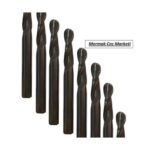

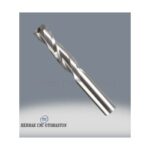


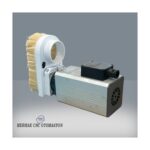

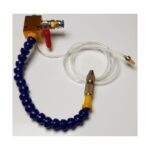



































































CNC Plexiglass, Aluminum, and Wood Cutting Speeds (Feed & Speed) Table
📑 Table of contents (Click to open)
Introduction and Technical Analysis
In the industrial automation sector, precision and efficiency are the cornerstones of manufacturing processes. CNC machines are among the most critical elements providing this precision and efficiency. However, unlocking the full potential of a CNC router machine is only possible by determining the correct cutting speeds (Feed & Speed) parameters. Incorrectly set cutting speeds not only degrade surface quality but also shorten tool life, increase energy consumption, and most importantly, raise production costs. Different material groups such as plexiglass (acrylic), aluminum, and wood have unique physical and chemical properties, each requiring specific cutting strategies and parameters. This guide aims to provide a comprehensive roadmap for industrial automation engineers and technicians to determine and apply optimal CNC cutting speeds for these three main material groups, and to find solutions to potential problems. The goal is not only to convey theoretical knowledge but also to share field experiences and practical tips, offering readers applicable solutions in real-world scenarios. Finding the right combination of feed rate and spindle speed is key to maximizing part quality while minimizing production time and costs.
Operating Principles and Technical Data
In CNC cutting operations, feed rate and spindle speed are two fundamental parameters that determine how the tool processes the material. Spindle speed (RPM – Revolutions Per Minute) indicates how many revolutions the tool makes per minute, while feed rate (mm/min or inches/min) shows how fast the tool moves across the material. The correct combination of these two values determines the chip load (feed per tooth – FPT), which is the thickness of the chip per cutting edge. Chip load is a critical factor for tool life, surface quality, and chip evacuation.
Chip load (FPT) is calculated with the following formula:
FPT = Feed Rate (mm/min) / (Spindle Speed (RPM) * Number of Tool Teeth (Z)).
An optimal chip load ensures that the tool’s cutting edge is used correctly. Too low a chip load causes the tool to
FAQ
Why are correct CNC cutting speeds important for industrial applications?
Optimal cutting speeds are crucial for CNC machining because they directly impact part quality, tool life, energy consumption, and overall production costs. Incorrect settings can lead to poor surface finish, premature tool wear, and increased operational expenses.
What is chip load and how does it affect CNC cutting performance?
Chip load (Feed Per Tooth – FPT) is the thickness of the material removed by each cutting edge of the tool per revolution. It is calculated as: Feed Rate (mm/min) / (Spindle Speed (RPM) * Number of Tool Teeth (Z)). Maintaining an optimal chip load is vital for efficient material removal, preventing tool rubbing or overloading, and achieving desired surface quality.
What are the specific considerations for CNC cutting plexiglass to avoid melting and achieve a smooth finish?
For plexiglass, use sharp, single or double-flute carbide tools with positive helix angles. Prioritize high spindle speeds and appropriate feed rates to maintain a low chip load, preventing melting and chip adhesion. Air blowing or specialized acrylic coolants are recommended for cooling and chip evacuation.
How do I prevent chip welding and burr formation when CNC machining aluminum?
When cutting aluminum, use high helix angle (45 degrees or more), polished carbide tools, typically with 2 or 3 flutes, to prevent chip welding. Abundant cutting fluid (emulsion or specialized aluminum oils) is essential for lubrication and chip evacuation. High spindle speeds and medium to high feed rates help remove chips quickly.
What are the key factors for achieving clean cuts and preventing tear-out in CNC wood machining?
For wood, use sharp carbide or HSS tools with 2 or 3 flutes. High spindle speeds and moderate feed rates are generally preferred for a smooth finish. Pay close attention to the grain direction to prevent tear-out. A powerful vacuum system is critical for chip evacuation to prevent accumulation and fire hazards.