

































































































CNC Dust Protection Bellows: Selection, Installation & Advantages
📑 Table of contents (Click to open)
Introduction and Technical Analysis
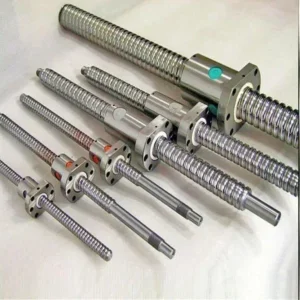
At the heart of industrial automation, CNC machines are critical equipment that determines the speed, precision, and repeatability of manufacturing processes. The long-term, efficient, and uninterrupted operation of these machines depends on the protection of their moving axis components from external factors. This is precisely where CNC dust protection bellows come into play. Often overlooked, yet directly impacting the machine’s overall performance and lifespan, these seemingly simple components minimize machine breakdowns and reduce maintenance costs by protecting sensitive linear guide rails, ball screws, drive shafts, and sensors from chips, dust, coolant, oil mist, and other abrasive particles. This comprehensive field guide and technical article will delve into the selection, technical specifications, installation advantages, and critical points to consider for optimal performance of CNC dust protection bellows for industrial automation specialists. The correct bellows selection is not merely a protective measure, but a strategic investment that extends the machine’s overall economic lifespan and optimizes operating costs.
Operating Principle and Technical Data
CNC dust protection bellows are flexible enclosures that follow the back-and-forth movement of machine axes, isolating moving parts from the external environment. The basic operating principle is to create a durable and flexible barrier that can fold and unfold to accommodate axis movement. This barrier prevents the accumulation of contaminants on machine components, particularly in industries with high dust and chip generation such as metalworking, woodworking, and stone processing, thereby preventing premature wear, corrosion, and loss of precision. Bellows are produced in various types and materials according to different application requirements:
- Stitched Bellows: Typically made from fabric-reinforced PVC or polyurethane materials. Ideal for high travel speeds and large dimensions. Can be produced in various geometries.
- Thermo-welded (Welded) Bellows: Preferred for smaller dimensions and high aesthetic expectations. Formed by heat-sealing polyurethane or PVC films. Offers higher liquid impermeability.
- Molded Bellows: Produced by molding rubber or special polymers. Suitable for specific applications requiring high flexibility, chemical resistance, and temperature tolerance. Generally preferred for low travel speeds.
- Telescopic Steel Covers: Used as an alternative to bellows in situations requiring very heavy loads, high impact resistance, or very high temperatures. However, they differ from bellows in terms of flexibility and space utilization.
Technical data to consider when selecting bellows is directly related to the machine’s operating conditions and environmental factors:
- Material Type: Materials such as PVC, PU, Neoprene, Viton, Hypalon are selected based on the application’s required chemical resistance (oil, coolant, acids), temperature range, abrasion resistance, and UV resistance. Polyurethane and PVC-coated fabrics are commonly used as they offer a good balance.
- Folding Ratio (Compression Ratio): This is the ratio between the bellows’ extended (maximum elongation) and compressed (minimum compression) lengths. A high compression ratio means a bellows that takes up less space for a greater travel distance. This ratio is critical in machine design.
- Maximum Travel Speed and Acceleration: The bellows must be durable enough to withstand the machine’s axis speed and acceleration. At high speeds, aerodynamic resistance, vibration, and material fatigue become more pronounced. This directly affects the lifespan of the bellows.
- Operating Temperature Range: The environment in which the machine operates and the temperatures generated during processing are vital for bellows material selection. Extreme hot or cold can reduce the material’s flexibility and durability.
- Chemical Resistance: Contact with chemicals such as cutting fluids, oils, and cleaning agents can cause the bellows material to degrade. Therefore, selecting a material resistant to the chemicals used is essential.
- Mounting Method: Flanged, bolted, Velcro, or special clip mounting options are available for machine integration. Easy assembly and disassembly accelerate maintenance processes.
- Internal Support Structures: In large and long bellows, internal support lamellae or springs prevent sagging, ensuring smooth operation and maintaining optimal folding geometry.
Accurate analysis of these technical parameters directly impacts the machine’s operational efficiency and component lifespan. Incorrect bellows selection can lead to frequent breakdowns, production losses, and high maintenance costs.
| Parameter | Value/Description |
|---|---|
| Material Type | Polyurethane Coated Fabric (Common), PVC, Neoprene, Viton |
| Operating Temperature Range | -30°C to +100°C (Varies by material) |
| Maximum Travel Speed | 60-120 m/min (Depends on Design and Material) |
| Compression Ratio | 1:5 to 1:12 (Typically 1:6 – 1:8 is common) |
| Chemical Resistance | High resistance to oils, coolants, water, and dust |
| UV Resistance | High UV resistant materials available for outdoor applications |
| Mounting Type | Flanged, Bolted, Velcro, Special Clip (Varies by application) |
| Protection Class | IP50 – IP65 (Varies by processing and material quality) |
| Min. Bending Radius | Must be checked according to manufacturer datasheet value. |
Field Considerations
- Correct Material Selection and Environmental Factors: Analyzing the operating environment of the CNC machine is critical for bellows selection. If the environment contains heavy chips, cutting oil, chemical vapors, or abrasive particles, a chemically resistant and abrasion-resistant material should be chosen accordingly. For example, for fine dust generated in laser cutting machines, special antistatic and flame-retardant bellows may be preferred, while for metalworking machines, oil and coolant-resistant polyurethane-coated fabrics would be more suitable. Temperature fluctuations and exposure to UV rays also directly affect material selection.
- Bellows Sizing and Machine Dynamics: Correct bellows sizing is vital for both protection effectiveness and lifespan. Considering the machine’s maximum travel distance (stroke), compressed length, travel speed, and acceleration, the bellows must be sized so that it does not hinder axis movement and does not remain taut in both fully extended and fully compressed states. Excessive tension or looseness can lead to premature fatigue or jamming of the bellows. Furthermore, bellows with appropriate internal support structures should be preferred for aerodynamic effects and vibrations that may occur during high-speed movements.
- Installation Quality and Sealing: Bellows installation directly affects protection performance. The bellows should be mounted parallel to the axis and without tension. Mounting surfaces must be clean, smooth, and free of any sharp edges. Adequate sealing must be provided at connection points (flanges, bolts, Velcro straps). Incorrect installation can lead to sagging, bending, tearing, or leakage of dust and liquid into the internal parts of the bellows. Especially the sealing elements on the sides (wipers, brushes) should be correctly positioned to provide additional protection. During installation, attention must be paid to the folding direction of the bellows; it will not function properly if mounted in the wrong direction.
- Periodic Maintenance and Observation: Although bellows are passive protection elements, they require periodic maintenance. Regularly cleaning the bellows surface and removing accumulated chips and dust is important. Any cuts, tears, holes, or signs of excessive wear on the bellows surface should be immediately checked, and repairs or replacements made as necessary. The condition of internal support lamellae or springs should also be checked. Coolant or oil leaks can cause deformation of the bellows material over time, so the source of such leaks should be identified and rectified. Early detection and intervention prevent major breakdowns and production losses.
Common Problems and Solutions
CNC dust protection bellows, despite their durable construction, can encounter problems under various operating conditions. Most of these issues can be prevented or resolved with correct selection, installation, and maintenance practices.
- Tearing or Puncturing of Bellows: This is one of the most common problems. It usually occurs due to sharp chips or flying particles hitting the bellows surface during machining, material fatigue, excessive tension from incorrect installation, or chemical reaction with the bellows material.
Solution: First, determine the cause of the tear. If sharp chips are a problem, a thicker and more cut-resistant material (e.g., specially coated fabric) or a more robust bellows type (e.g., steel-reinforced) should be considered. Ensure proper installation and that the bellows is not over-tensioned. If a material with poor chemical resistance was chosen, replace it with a chemically resistant material. Small tears can be temporarily repaired with special patches, but extensive damage requires complete replacement.
- Dust and Chip Accumulation Inside Bellows: Although the primary purpose of bellows is protection, contaminants can accumulate inside due to insufficient sealing or design flaws. This can damage moving axis components.
Solution: Check and, if necessary, improve the sealing elements (flange gaskets, side wipers) at the bellows mounting points. Ensure that brush or wiper seals at the bellows edges are correctly adjusted. In some cases, feeding positive pressure air into the bellows can prevent contaminants from entering. Ensure the bellows design is optimized to expel contaminants during folding.
- Bellows Jamming, Sticking, or Irregular Folding: This problem can occur especially in bellows with long travel distances or at high speeds. Causes include incorrect sizing, deformation of internal support elements (lamellae, springs), mounting misalignment, or excessive dirt accumulation on the bellows surface.
Solution: Ensure the bellows is re-sized by correctly calculating the travel distance and compression ratio. Check internal support elements and replace them if deformed. Check alignment to ensure the mounting is parallel to the axes and tension-free. Regularly clean the bellows surface and folding points. If necessary, a bellows type with more rigid internal supports or a different folding geometry can be preferred.
- Premature Wear or Material Fatigue: Bellows wearing out much earlier than their expected lifespan is usually caused by incorrect material selection, high speed/acceleration combinations, excessive temperature, or chemical exposure.
Solution: Consider all environmental and mechanical factors required by the application, and select a more durable material with appropriate properties (e.g., polyurethane with higher abrasion resistance, Viton with higher temperature tolerance). Review machine dynamics (speed, acceleration) to assess whether the bellows is suitable for these conditions. If necessary, perform more frequent maintenance to preserve the cleanliness and surface integrity of the bellows.
- Noisy Operation: Abnormal sounds from the bellows during movement due to friction or vibration are usually caused by mounting problems, loosening of internal support elements, or insufficient lubrication.
Solution: Ensure the mounting is proper and tension-free. Check that the internal support elements (lamellae) are correctly positioned and not loose. In some cases, applying a light silicone-based lubricant to the bellows surface can reduce friction. Anti-vibration gaskets can be added to the bellows mounting points to absorb vibrations.
Expert Advice
CNC dust protection bellows are the unsung heroes of industrial automation systems. While they may seem like simple protective elements at first glance, they have a direct and critical impact on machine lifespan, maintenance costs, production quality, and operational efficiency. From an expert perspective, a correctly selected and meticulously installed bellows is not just a cost item, but a strategic investment for protecting machine investment and ensuring production continuity. For engineers and field technicians operating in the industrial automation sector, it is vital to holistically evaluate factors such as material science, machine dynamics, environmental conditions, and long-term operating costs, rather than approaching bellows selection solely based on price. Thoroughly examining manufacturer technical documents, seeking application-specific consultation, and understanding the advantages and disadvantages of different bellows types are key to making the most informed decision. It should not be forgotten that the lifespan of a bellows directly affects machine downtime and maintenance expenses. Therefore, periodic inspection, cleaning, and early intervention against possible damage to the bellows will guarantee the machine’s uninterrupted and high-performance operation. Finally, it should be noted that dust protection bellows not only protect against dust and chips but also enhance worker safety by preventing access to moving parts and contribute to machine aesthetics. This holistic perspective forms the foundation for maximizing efficiency from CNC machines and achieving sustainable success in a competitive industrial environment.
FAQ
What are CNC dust protection bellows and why are they important?
CNC dust protection bellows are flexible covers designed to protect the sensitive moving components of CNC machines, such as linear guide rails, ball screws, and drive shafts, from contaminants like dust, chips, coolant, and oil mist. They extend machine lifespan and reduce maintenance.
What technical specifications should be considered when selecting CNC dust protection bellows?
Key factors include the material type (e.g., polyurethane, PVC, Viton) based on chemical and temperature resistance, folding ratio, maximum travel speed and acceleration, and the mounting method. Environmental conditions and the type of contaminants present are also crucial.
What are the common problems encountered with CNC dust protection bellows and how can they be resolved?
Common issues include tearing or puncturing, dust accumulation inside the bellows, jamming or irregular folding, premature wear, and noisy operation. These are often caused by incorrect material selection, improper sizing, poor installation, or inadequate maintenance.
How can I ensure optimal performance and longevity of my CNC dust protection bellows?
Proper installation involves ensuring the bellows is mounted parallel to the axis without tension, with clean and smooth mounting surfaces. Adequate sealing at connection points is essential. Regular cleaning, inspection for damage, and timely replacement of worn-out bellows are crucial for optimal performance.
Do CNC dust protection bellows offer any benefits beyond protecting machine components?
Yes, beyond protecting machine components, bellows also enhance operator safety by enclosing moving parts, preventing accidental contact. They also contribute to a cleaner, more organized machine appearance.