








































































Building a CNC Router: Best Materials and Price-Performance Guide for Industrial Automation
📑 Table of contents (Click to open)
- Introduction and Technical Analysis
- Operating Principle and Technical Data
- Chassis and Structural Elements
- Motion Systems: Linear Guides and Ball Screws
- Drive Systems: Motors and Drivers
- Spindle Motor
- Control System and Software
- Workholding: Vacuum Table Systems
- Accessories and Peripheral Equipment
- Price-Performance Analysis and Optimization Strategies
- Budgeting for Key Components
- Optimization Strategies
- Conclusion
- FAQ
Introduction and Technical Analysis
In the industrial automation sector, precision, repeatability, and efficiency form the cornerstone of production processes. In this context, CNC router machine systems have become an indispensable part of modern manufacturing, offering material processing capabilities across a wide range, from wood, plastics, and composite materials to metals. The decision to build a CNC router in-house or optimize an existing system not only provides cost advantages but also offers the flexibility to develop customized solutions tailored to specific production needs. However, this process is a complex engineering challenge that requires careful material selection, design in accordance with engineering principles, and a delicate balance of price-performance. This comprehensive field guide and technical article aims to provide industrial automation experts with an in-depth perspective on material selection, technical details, and cost optimization issues they will encounter in their CNC router projects. The goal is not just to build a machine, but to create a durable, reliable, and high-performance manufacturing tool. This guide will analyze the critical role of each component, from structural rigidity to motion systems, drive elements to control electronics, and offer strategies to maximize return on investment. Especially considering the increasing need for automation in the manufacturing industry and the demands for customized production, a CNC router designed with the right components can provide businesses with a significant competitive advantage.
Operating Principle and Technical Data
The fundamental operating principle of a CNC router machine is based on the conversion of geometric data prepared with computer-aided design (CAD) software into G-codes via computer-aided manufacturing (CAM) software. These codes are then interpreted by a control unit to move the machine’s axes. Through precise movements in the X, Y, and Z axes, the cutting tool on the spindle motor follows a predefined path to process the material. The performance of this system largely depends on the quality of the components used and their compatibility with each other. Critical engineering data and material selections for a successful CNC router design are detailed below. The selection of each component will directly affect the machine’s overall accuracy, speed, lifespan, and ultimately the quality of the parts produced. Therefore, it is necessary to focus not only on the individual characteristics of the components but also on their integration and interactions within the system.
Chassis and Structural Elements
The machine’s rigidity and vibration damping capacity directly affect the final machining quality. Therefore, the selection of the chassis material is vital. High rigidity means minimum deformation under cutting forces, while effective vibration damping reduces ripples on machined surfaces and tool wear.
- Steel Construction (Welded Profile): This is a preferred solution, especially for heavy-duty and high-precision industrial CNC router machines. Chassis made by welding square or rectangular steel profiles (e.g., ST37 or ST52) with a minimum wall thickness of 4 mm offer high torsional resistance and excellent vibration damping properties. Post-weld stress relief and precision machining (milling) operations ensure the flatness of the mounting surfaces and the overall accuracy of the machine. Disadvantages include high weight, risk of rust (requires surface treatment), and difficulty in processing. In terms of price-performance, for long-term industrial use, welded steel chassis provides superior stability and durability.
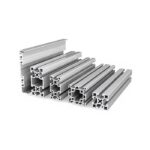
- Aluminum Extrusion Profiles: Lightweight and easy to assemble, aluminum profiles are often used for lighter-duty or hobbyist CNC router machines. However, for industrial applications, they may lack the necessary rigidity and vibration damping compared to steel. If chosen, larger cross-sections and internal bracing are essential to enhance structural integrity. Anodizing provides corrosion resistance. While offering ease of modification, their lower stiffness can lead to reduced machining precision, especially with harder materials.
- Granite or Polymer Concrete (Mineral Casting): These materials offer exceptional vibration damping and thermal stability, making them ideal for ultra-high precision industrial CNC router machines. Their high mass and inherent damping properties significantly reduce chatter and improve surface finish. However, they are heavy, expensive, and require specialized manufacturing processes. They are typically reserved for high-end applications where precision is paramount.
Motion Systems: Linear Guides and Ball Screws
The accuracy and smoothness of motion are critical for the performance of an industrial CNC router. The choice of linear guides and ball screws directly impacts these factors.
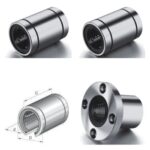
- Linear Guide Rails (Linear Bearings): These are essential for precise, low-friction movement along the axes.
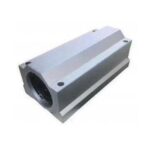
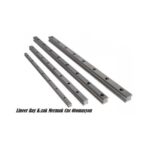
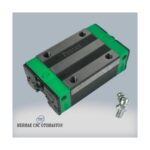
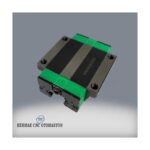
- Profiled Linear Guide Rails (e.g., HIWIN, THK, PMI): These are the industry standard for industrial CNC router machines due to their high load capacity, rigidity, and precision. They consist of a hardened steel rail and recirculating ball or roller bearing blocks. For heavy-duty applications, larger sizes (e.g., HGR20, HGR25, HGR30) are recommended. They offer excellent repeatability and long lifespan with proper lubrication. Price-performance is high for industrial use, justifying the initial investment with superior accuracy and durability.
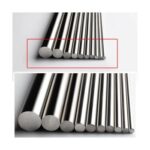
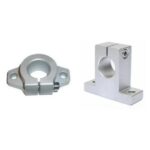
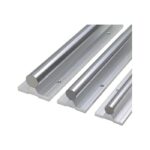
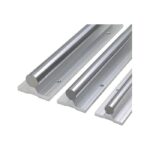
- Supported Round Rails: A more economical option for lighter loads or less demanding applications. They consist of a hardened steel shaft supported by an aluminum profile, with linear bearings running on the shaft. While cheaper, they offer less rigidity and load capacity compared to profiled rails, making them less suitable for precision industrial work.
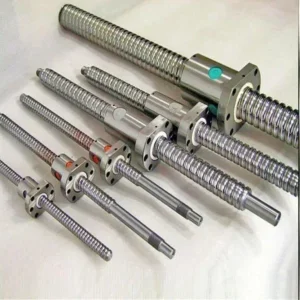
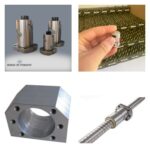
- Rolled Ball Screws: A cost-effective option with good accuracy for many industrial applications. They are manufactured by rolling the threads, which is less precise than grinding but sufficient for many tasks. Precision grades C7 or C5 are common.
- Ground Ball Screws: Offer the highest precision (e.g., C3 grade) and are used in applications where extreme accuracy and minimal backlash are required. They are significantly more expensive due to the grinding process. For industrial CNC router machines, a balance between precision and cost, often C5 grade rolled ball screws, is a good compromise.
Drive Systems: Motors and Drivers
The choice of motors and their corresponding drivers dictates the speed, torque, and positional accuracy of the CNC router machine.
- Stepper Motors: Economical and relatively simple to implement. They move in discrete steps and hold position well when stationary. However, they can lose steps under heavy loads or high speeds, leading to positional errors. For industrial CNC router machines, larger NEMA 34 or NEMA 42 stepper motors with high torque are often used, paired with micro-stepping drivers for smoother motion. They are suitable for applications where cost is a primary concern and extreme dynamic performance is not required.
- Servo Motors: Offer superior performance in terms of speed, torque, and positional accuracy. They provide feedback to the control system, ensuring that the desired position is always maintained, eliminating step loss. Industrial CNC router machines typically use AC servo motors with matched servo drives. They are more expensive and complex to tune but deliver significantly higher dynamic performance, faster acceleration, and better surface finish. For high-production environments and demanding materials, servo drives are the preferred choice.
Spindle Motor
The spindle motor is the heart of the cutting operation, determining the machine’s ability to process different materials and achieve desired surface finishes.
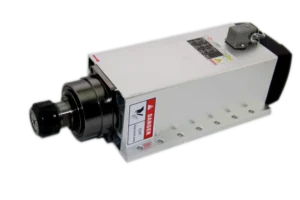
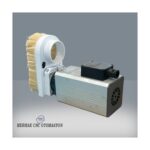
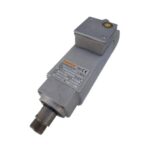
- Air-Cooled Spindle Motors: More common and generally less expensive. They use a fan to dissipate heat. Suitable for most woodworking, plastic, and light metal applications. Power ratings typically range from 2.2 kW to 9 kW for industrial CNC router machines.
- Water-Cooled Spindle Motors: Offer better cooling efficiency, quieter operation, and are often preferred for continuous heavy-duty cutting, especially in metalworking. They maintain a more stable temperature, which can prolong bearing life. Power ratings can go from 3 kW to 12 kW or higher. While more complex to install due to the need for a chiller, they provide superior performance and longevity for demanding industrial tasks.
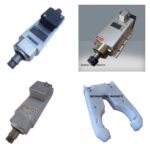
- Automatic Tool Changer (ATC) Spindles: For high-volume production and complex parts requiring multiple tools, an ATC spindle is essential. It significantly reduces setup time and increases efficiency by automatically changing tools. These are typically high-power, water-cooled units with specialized tool holders (e.g., ISO30, HSK63F).
Control System and Software
The control system acts as the brain of the CNC router machine, interpreting G-code and coordinating all machine movements.
- PC-Based Controllers (e.g., Mach3, UCCNC, LinuxCNC): Offer flexibility and a wide range of features. They require a dedicated computer and a motion control card. Mach3 is popular for its ease of use and affordability, while LinuxCNC provides open-source flexibility and robust performance. These systems are suitable for users who prefer customization and have technical expertise.
- DSP Controllers (e.g., RichAuto, Weihong): Standalone controllers that do not require a separate computer. They are often more robust in industrial environments, less susceptible to software conflicts, and easier to operate with a handheld pendant. They are a good choice for production environments where simplicity and reliability are key.
- Industrial CNC Controllers (e.g., Siemens, Fanuc, Fagor): High-end controllers found in professional industrial CNC router machines. They offer advanced features, superior reliability, and integration with factory automation systems. These are significantly more expensive but provide unparalleled performance and support for complex machining operations.
Workholding: Vacuum Table Systems
Effective workholding is crucial for precision and safety. A vacuum table system provides efficient and secure clamping for various materials.
- Vacuum Table (T-Slot Hybrid): A common industrial setup combining the flexibility of T-slots with the efficiency of vacuum clamping. The vacuum pump creates a strong hold on flat materials, while T-slots allow for mechanical clamping of irregularly shaped or smaller pieces.
- Dry Rotary Vane Vacuum Pumps: Suitable for most applications, offering good vacuum levels and flow rates. They are relatively low maintenance.
- Liquid Ring Vacuum Pumps: Offer higher vacuum levels and are more robust for applications involving dust or moisture, but require a water supply and drainage.
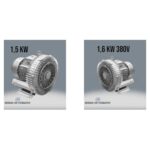
- Regenerative Blowers: Provide high airflow at lower vacuum levels, ideal for porous materials like MDF.
Accessories and Peripheral Equipment
- Dust Collection System: Essential for maintaining a clean working environment, protecting machine components, and ensuring operator safety. Industrial CNC router machines require powerful dust collectors with adequate filtration.
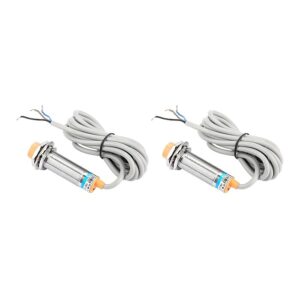
- Tool Length Sensor: Automates the process of setting tool offsets, improving accuracy and reducing setup time.
- Coolant System: Necessary for machining metals and some plastics to dissipate heat, lubricate the cut, and extend tool life.
- Safety Enclosures and Light Curtains: Critical for operator safety, especially in industrial settings.
Price-Performance Analysis and Optimization Strategies
Building or upgrading an industrial CNC router machine involves significant investment. A thorough price-performance analysis is crucial to ensure that the chosen components deliver the best value for the intended application.
Budgeting for Key Components
- Chassis: While steel is more expensive initially due to fabrication and machining, its long-term rigidity and durability offer superior performance and reduced maintenance, justifying the cost for industrial use.
- Motion System: Investing in high-quality profiled linear guide rails and precision ball screws (e.g., C5 grade) is highly recommended. These components directly impact accuracy and reliability. Cheaper alternatives often lead to compromises in precision and increased wear over time.
- Drive System: For industrial production, servo motors provide a significant performance advantage over steppers, despite their higher cost. The increased speed, accuracy, and reliability translate into higher throughput and better product quality.
- Spindle Motor: The spindle power and cooling method should match the materials and cutting operations. For general industrial use, a 4.5 kW to 9 kW air-cooled or water-cooled spindle offers a good balance. ATC spindles, while expensive, dramatically improve efficiency in high-mix, low-volume production.
- Control System: DSP controllers offer a robust and user-friendly solution for many industrial applications, providing a good balance between features and cost. For advanced integration or highly complex tasks, industrial CNC controllers are the ultimate choice.
Optimization Strategies
- Modular Design: Design the CNC router machine with modularity in mind. This allows for easier upgrades, maintenance, and replacement of components, extending the machine’s lifespan and adaptability.
- Standardization of Components: Where possible, use standard industrial components. This ensures availability of spare parts, reduces lead times, and can sometimes lower costs through economies of scale.
- Preventive Maintenance: Implement a rigorous preventive maintenance schedule. Regular lubrication of linear guides and ball screws, inspection of electrical connections, and cleaning of dust collection systems will significantly extend the life of components and prevent costly breakdowns.
- Supplier Relationships: Develop strong relationships with reputable suppliers of industrial CNC components. They can offer technical support, competitive pricing, and insights into new technologies.
- Software Optimization: Utilize advanced CAM software features to optimize tool paths, reduce machining time, and minimize material waste. This can significantly improve overall efficiency and reduce operational costs.
Conclusion
Building or optimizing an industrial CNC router machine is a strategic investment that can significantly enhance manufacturing capabilities. The selection of materials and components must be guided by a clear understanding of the application’s requirements, a commitment to engineering principles, and a meticulous price-performance analysis. Prioritizing structural rigidity, precise motion systems, powerful and reliable drive components, and an appropriate spindle motor will lay the foundation for a high-performance, durable, and efficient production tool.
While the initial investment in high-quality industrial-grade components may be higher, the long-term benefits in terms of precision, reliability, reduced downtime, and lower operational costs far outweigh the upfront expenses. By carefully planning each aspect, from the chassis to the control system, businesses can create a CNC router machine that not only meets their current production needs but also provides a competitive edge in the evolving landscape of industrial automation.
For expert guidance on selecting the right components for your industrial CNC router project or to explore Mermak CNC’s range of high-performance machines, we invite you to request a quote on WhatsApp. Our team of specialists is ready to assist you in designing a solution that maximizes your investment and optimizes your production processes.
FAQ
What are the most critical components for building an industrial CNC router machine?
The most critical components for building a high-performance industrial CNC router include a rigid steel chassis, profiled linear guide rails (e.g., HGR20+), precision ball screws (C5 grade), powerful servo motors with matching drives, and an appropriate spindle motor (e.g., 4.5 kW+ water-cooled or ATC). A robust control system and a reliable vacuum table are also essential.
Should I choose stepper motors or servo motors for an industrial CNC router?
For industrial applications, servo motors are generally preferred over stepper motors. Servo motors offer higher speed, greater torque, and superior positional accuracy with feedback, eliminating step loss and ensuring consistent performance under heavy loads. While more expensive and complex, their benefits in production efficiency and part quality justify the investment.
Is a vacuum table necessary for an industrial CNC router?
A vacuum table is highly recommended for industrial CNC router machines, especially when working with flat sheet materials like wood, plastics, or composites. It provides fast, efficient, and secure workholding, reducing setup time and improving machining accuracy. For irregular parts, a hybrid system combining vacuum with T-slots offers versatility.
How can I ensure the long-term reliability and precision of my custom-built CNC router?
To ensure long-term reliability and precision, focus on high-quality components from reputable brands for linear guides, ball screws, and motors. Implement a strict preventive maintenance schedule, including regular lubrication and cleaning. Ensure proper grounding and electrical shielding for the control system, and invest in a robust dust collection system to protect mechanical parts.
What spindle motor power is suitable for industrial CNC router applications?
The ideal spindle motor power depends on the materials you plan to cut and the depth of cut. For general industrial woodworking and plastics, a 4.5 kW to 6 kW air-cooled spindle is often sufficient. For heavier metal cutting or continuous operation, a 7.5 kW to 12 kW water-cooled or ATC spindle is recommended for better performance and tool life.