







































































Building a CNC Hot Wire Foam Cutting Machine: Components & Technical Analysis

📑 Table of contents (Click to open)
- Introduction and Technical Analysis of CNC Hot Wire Foam Cutting Machine Construction and Components
- Working Principle and Technical Data of CNC Hot Wire Foam Cutting Machine Construction and Components
- Critical Considerations for CNC Hot Wire Foam Cutting Machine Construction and Components in the Field
- Common Problems and Solutions for CNC Hot Wire Foam Cutting Machine Construction and Components
- Conclusion and Expert Advice on CNC Hot Wire Foam Cutting Machine Construction and Components
- FAQ
Introduction and Technical Analysis of CNC Hot Wire Foam Cutting Machine Construction and Components
In today’s rapidly advancing world of industrial automation, the efficiency and precision of manufacturing processes are critically important. Shaping lightweight and easily workable materials, especially those used in advertising, architectural modeling, packaging, insulation, and composite mold production, requires specialized solutions. In this context, the CNC Hot Wire Foam Cutting Machine, a computer-controlled foam cutting machine using a heated wire, has become an indispensable tool for industrial users. These machines enable the production of complex geometries economically and repeatably by cutting foam-derivative materials such as EPS (Expanded Polystyrene) and XPS (Extruded Polystyrene) with high accuracy and speed. Offering a much cleaner surface finish compared to traditional cutting methods, minimizing material loss, and providing a dust-free working environment are among the primary advantages of this technology. This guide aims to provide a comprehensive resource for experts by deeply examining the construction of a CNC Hot Wire machine, its fundamental components, working principles, and critical points encountered in the field, from an industrial automation perspective. Understanding, designing, and operating such machines correctly is crucial for achieving digital manufacturing and precision production goals in modern manufacturing facilities.
Working Principle and Technical Data of CNC Hot Wire Foam Cutting Machine Construction and Components
As its name suggests, a CNC Hot Wire Foam Cutting Machine is an automation system that cuts foam and similar foam materials using a heated wire (Hot Wire) moved by a computer-aided numerical control (CNC) system. Its working principle is quite simple, but its implementation requires engineering and automation knowledge. Basically, a resistance wire heated by electric current melts the foam where it contacts the material, thus performing the cut. This melting process disrupts the molecular structure of the material, creating a smooth and clean cutting surface.
The main components and technical details of the machine are as follows:
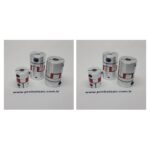
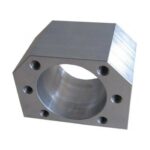
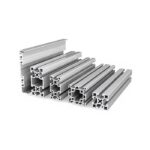
- Mechanical Structure (Chassis and Axes): The machine’s frame is typically constructed from aluminum profiles, steel structures, or rigid MDF/plywood. This structure must provide a vibration-free and stable working environment. The machine is usually designed with two or four axes.
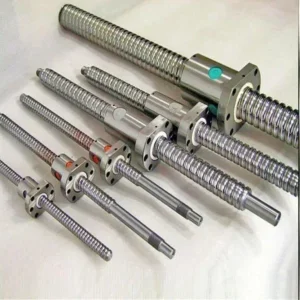
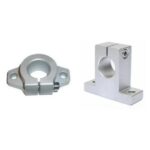
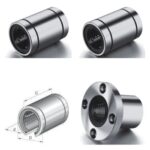
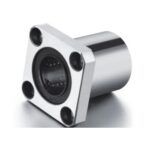
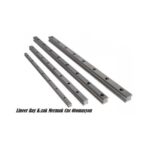
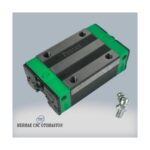
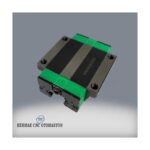
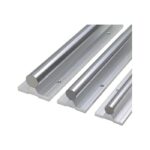
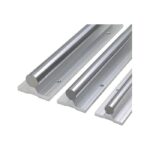
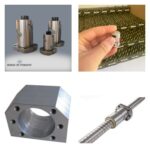
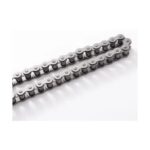
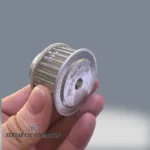
- X and Y Axes: Move the cutting wire in the horizontal plane (usually over the work table). These axes are typically driven by linear guide rails, ball screws, or belt-pulley systems.
- Z Axes (Optional): Used to adjust the wire height, which is important when cutting materials of different thicknesses or making tapered cuts.
- A/Rotational Axis (Advanced): In four-axis machines, this typically allows independent X and Y movements of both ends of the wire. This is critical for creating complex 3D forms such as tapered cuts and wing profiles.
- Motion Control System: This system interprets G-codes from the CNC software and directs the motors to the correct positions.
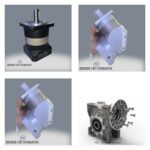
- Stepper Motors: Often preferred due to their cost-effectiveness and sufficient precision. They provide precise positioning by rotating at a specific angle with each step.
- Servo Motors: Offer higher speed, torque, and feedback, leading to greater precision and dynamic performance, but at a higher cost.
- Motor Drivers: Used to control stepper or servo motors. They optimize motor performance by adjusting settings such as current and micro-stepping.
- CNC Control Board: Boards compatible with popular control software like GRBL (Arduino-based), Mach3, LinuxCNC, UCCNC (e.g., Arduino Uno + CNC Shield, Ethernet-based controllers) process G-codes and send signals to the drivers.
- Hot Wire System: This system, the heart of the machine, performs the cutting operation.
- Resistance Wire: Typically, Nickel-Chromium (NiCr) alloy wires are used. NiCr wires have high electrical resistance, high-temperature resistance, and a long lifespan. The wire diameter (usually between 0.2 mm – 0.8 mm) affects cutting precision and speed.
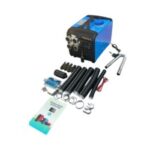
- Power Supply: A low-voltage (typically 12V-48V) high-current (from a few Amperes to 20-30 Amperes or more) DC power supply is used to heat the wire. The appropriate voltage and current must be set according to the wire’s length and diameter. Some systems use PID control with feedback for temperature control to maintain a constant wire temperature.
- Wire Tension Mechanism: It is essential to keep the wire continuously taut to prevent it from flexing during cutting and to ensure a smooth cut. Spring-loaded or weighted tension systems are used.
- Software Infrastructure:
- CAD (Computer-Aided Design): Software used for 2D or 3D modeling of the part to be cut (AutoCAD, SolidWorks, Fusion 360, SketchUp).
- CAM (Computer-Aided Manufacturing): Software that converts CAD models into G-code (VCarve Pro, Estlcam, Fusion 360 CAM module, FoamWorks). This software defines cutting paths, speeds, wire temperature, and other parameters.
- CNC Control Software: The interface that sends G-code to the machine and provides motion control (GRBL Controller, Mach3, LinuxCNC, UCCNC).
Proper integration and calibration of these components directly impact the machine’s performance and cutting quality. In industrial applications, repeatability, precision, and reliability must be at the highest level.
| Parameter | Value/Description |
|---|---|
| Working Area (X, Y, Z) | Customizable, typically from 600x600x300 mm to 2500x1250x600 mm |
| Number of Axes | 2, 3, or 4 independent axes (typically X, Y, Y’, X’ or X, Y, Z, A) |
| Cutting Speed | 50 mm/min – 2000 mm/min (depends on material density and wire temperature) |
| Wire Material | Nickel-Chromium (NiCr) alloy (e.g., NiCr80/20) |
| Wire Diameter | 0.2 mm – 0.8 mm (typically 0.3 mm or 0.4 mm) |
| Wire Power/Voltage | 12V – 48V DC, 5A – 30A (adjusted according to wire length and resistance) |
| Control System | GRBL, Mach3, LinuxCNC, UCCNC compatible CNC control boards |
| Positioning Accuracy | ±0.1 mm – ±0.01 mm (depends on mechanical structure and motors) |
| Supported Materials | EPS (Styrofoam), XPS (Blue/Pink Foam), EPP, Kapron, DEPRON |
Critical Considerations for CNC Hot Wire Foam Cutting Machine Construction and Components in the Field
- Electrical Safety and Grounding: Hot wire systems draw high current and pose a risk of electric shock. Ensure all electrical connections have proper insulation, cable cross-sections are adequate, and all metal chassis parts are correctly grounded. Emergency Stop buttons and overcurrent protections must be integrated.
- Ventilation and Fume Extraction: Melting plastic during foam cutting can release potentially harmful fumes and gases. Ensure the working environment is well-ventilated and preferably equipped with a fume extraction/filtration system. This is critical for both operator health and preventing contamination of machine components.
- Wire Tension and Material Support: Consistent and correct tension of the cutting wire is vital for smooth and precise cuts. A loose wire will flex during cutting, leading to wavy or inaccurate cuts. Additionally, the foam block to be cut must be securely fixed to the work table and free from vibrations. For large blocks, additional support or vacuum tables may be used.
- Optimization of Cutting Parameters: The balance between wire temperature, cutting speed, and material density is crucial. Too low a temperature or too high a speed can cause the wire to fail to melt the material properly and get stuck, while too high a temperature or too low a speed can lead to unnecessary material loss (wide kerf) and burn marks. Optimum parameters should be determined by performing small test cuts for each new material or wire diameter.
- Mechanical Rigidity and Precision: The machine’s chassis and moving axes must be rigid enough to minimize vibrations and deflections that may occur during operation. Mechanical structures with backlash or flexibility reduce cutting precision and negatively affect repeatability. Precise motion elements such as linear guide rails and ball screws must be correctly mounted and regularly maintained.
- Software Calibration and G-code Optimization: Correct calibration of axes in the CNC control software (mm per step) is fundamental for cutting precision. Furthermore, optimizing the cutting paths in the G-code generated by the CAM software increases efficiency by minimizing unnecessary movements and pauses. Especially for designs with fine details or sharp corners, adjustments in the G-code may be required for the wire to slow down at corners and maintain the correct temperature.
- Ambient Temperature and Humidity Control: Especially in large-scale cutting operations, sudden changes in ambient temperature or high humidity can affect both the thermal behavior of the wire and the properties of the foam. A stable working environment provides an advantage for consistent cutting quality.
Common Problems and Solutions for CNC Hot Wire Foam Cutting Machine Construction and Components
As with any industrial machine, various problems can arise with CNC Hot Wire cutting machines. Recognizing and quickly resolving these issues is vital for production continuity and quality.
- Irregular Cuts, Ripples, or Curved Surfaces:
- Problem: Ripples, irregularities, or deviations from the expected geometry on the cut surface.
- Solution: First, check the wire tension; a loose wire is one of the most common causes. Ensure the wire is sufficiently taut. Readjust the cutting speed and wire temperature; too fast a cut or insufficient temperature can cause the wire to drag. Check for backlash or vibrations in the machine’s mechanical structure; review the rigidity of the linear guide rails and ball screws. Ensure the foam block is firmly secured to the work table.
- Wire Breakage or Premature Wear:
- Problem: The cutting wire breaks frequently or its lifespan is shorter than expected.
- Solution: Check if the wire is excessively tense. Excessive tension reduces wire strength. Check if the wire is getting snagged somewhere during cutting or entering a sharp corner abruptly; add slowdown commands for sharp turns in the CAM software. Check if the wire is drawing excessive current from the power supply; high current can overheat and weaken the wire. Check the quality of the wire and ensure it is of the correct diameter. Check for dirt or hard particles on the material.
- Axis Drift or Skipping Steps:
- Problem: The machine fails to reach the exact position determined by the G-code or experiences axis drift during cutting.
- Solution: Check the driver currents of the stepper motors; insufficient current can reduce motor torque. Ensure the motor drivers are set to the correct micro-stepping. Check for mechanical friction; moving parts may need lubrication or alignment. Check cable connections; loose or damaged cables can cause signal loss. Check if motors and drivers are overheating; cooling systems may be inadequate.
- Degradation of Surface Quality (Burn Marks or Rough Surface):
- Problem: Burn marks, discoloration, or a rough, granular texture on the surface after cutting.
- Solution: Reduce the wire temperature; excessive heat causes the material to burn. Increase the cutting speed; this prevents the wire from staying on the material for too long. Consider the material density; low-density foam is more sensitive. Clean any melted foam residue accumulated on the wire; this can degrade surface quality. Ensure ventilation is adequate.
- Control System Errors or Connection Issues:
- Problem: The machine cannot communicate with the computer, G-code is not loading, or it is not responding to commands.
- Solution: Check all USB/Ethernet cable connections. Ensure the CNC control software is using the correct COM port or IP address. Verify that the control board is powered and its status LEDs are operating normally. Ensure the computer’s USB drivers or network settings are up to date. Check grounding and cable insulation to reduce electrical interference.
Conclusion and Expert Advice on CNC Hot Wire Foam Cutting Machine Construction and Components
CNC Hot Wire Foam Cutting Machines have become an indispensable part of modern manufacturing processes, offering unique advantages in the precise shaping of lightweight and insulation materials. The construction and operation of these machines require knowledge and experience from various disciplines, including mechanical design, electronics control, software engineering, and material science. For industrial automation professionals, mastering this technology is key to gaining a competitive advantage and optimizing production processes. When designing a CNC Hot Wire machine or developing an existing system, system integration, environmental factors, and operator safety should always be prioritized. Every detail, from mechanical rigidity to software optimization, from wire material selection to power supply management, directly affects the quality of the final product and the machine’s lifespan. For successful implementation, investment should be made not only in the physical structure of the machine but also in the correct setting of cutting parameters, regular maintenance, and operator training. In the future, the capabilities of these machines will further increase with developments such as artificial intelligence (AI)-supported optimization, adaptive cutting with real-time sensor data, and Industry 4.0 compliant communication protocols. Therefore, continuous learning and keeping up with technological developments are fundamental responsibilities for every professional specialized in this field. It should be remembered that even the best machine cannot fully demonstrate its potential unless operated with the right knowledge and experience. This guide aims to provide a solid foundation against challenges encountered in the field and offer an in-depth perspective on CNC Hot Wire technology.
FAQ
How does a CNC Hot Wire Foam Cutting Machine work?
A CNC Hot Wire Foam Cutting Machine uses a computer-controlled system to move a heated resistance wire (typically Nickel-Chromium alloy) through foam materials like EPS and XPS. The hot wire melts the foam along the programmed path, creating precise and clean cuts for various industrial applications.
What are the main components of a CNC Hot Wire Foam Cutting Machine?
Key components include a rigid mechanical frame (chassis and axes), a motion control system (stepper or servo motors with drivers and a CNC control board), a hot wire system (resistance wire, power supply, and tension mechanism), and software (CAD, CAM, and CNC control software).
What are the common problems encountered with these machines and their solutions?
Common issues include irregular cuts (often due to loose wire or incorrect parameters), wire breakage (from excessive tension, snags, or overheating), axis drift (due to insufficient motor current or mechanical friction), and poor surface quality (burn marks from high temperature or slow speed).
What safety precautions should be taken when operating a CNC Hot Wire machine?
Essential safety measures include proper electrical grounding and insulation, emergency stop buttons, and overcurrent protection. Good ventilation and fume extraction are also critical to protect operator health from melting plastic fumes.
What are the typical industrial applications for a CNC Hot Wire Foam Cutter?
These machines are widely used in advertising for signage and 3D letters, architectural modeling for prototypes, packaging for custom inserts, insulation for building components, and composite mold production for aerospace and automotive industries.