


















































































Belt Pulley System or Coupling Connection? A Comprehensive Guide for Industrial Automation
📑 Table of contents (Click to open)
One of the fundamental elements at the heart of industrial automation is how power and motion are transmitted from one point to another. In this transmission process, a critical engineering decision directly impacts the system’s overall performance, efficiency, lifespan, and maintenance costs: should belt pulley systems or coupling connections be used? While this question may seem simple at first glance, it requires a complex and multi-dimensional analysis, considering the specific requirements of the application, operating conditions, budget constraints, and long-term operational goals. Both power transmission methods have their unique advantages and disadvantages, and making the right choice is vital for the success of the system. This comprehensive field guide and technical article aims to assist engineers, technical managers, and field operators in the industrial automation sector in making informed and optimized decisions by delving deep into these two fundamental power transmission mechanisms. We will detail the working principles, technical specifications, application areas, potential field problems, and proposed solutions for each system, providing our readers with practical and applicable information. Our goal is not only to convey theoretical knowledge but also to offer a perspective illuminated by years of field experience, shedding light on real-world scenarios. This guide will be a valuable resource to consult at every stage, from project design to commissioning and maintenance processes.
Working Principle and Technical Data
Understanding the principles at the heart of power transmission systems forms the basis for selecting the right technology. Both belt pulley systems and coupling connections are used to transmit rotational motion and torque from motors or other power sources to the machine or equipment that will perform the work. However, they differ significantly in how they do this, their performance characteristics, and ideal use scenarios.
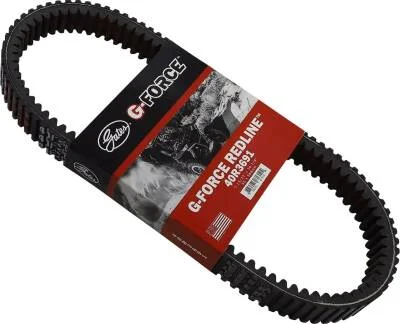
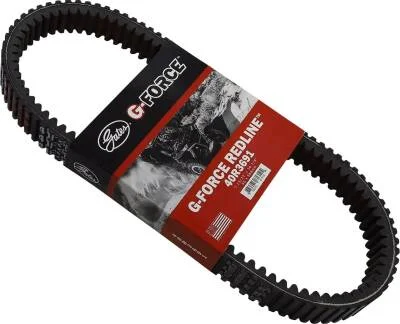
Belt Pulley Systems: These systems are generally used to transmit power between two or more shafts located at a certain distance from each other. They fundamentally consist of a belt and two or more pulleys. The belt wraps around the pulleys, transmitting motion through friction or gear interaction. The most common belt types are:
- V-Belts: These belts, with their “V” shaped cross-section, sit in the pulley grooves and transmit power with high friction force. They generally have a high capacity to absorb shock loads and can act as a protective mechanism in overload situations as they allow for a certain amount of slip. They are relatively easy to maintain and are used across a wide range of speeds and power. However, they are not suitable for applications requiring synchronized motion and may require tensioning over time.
- Timing Belts: Also known as synchronous belts, timing belts transmit power by direct mechanical interaction with matching teeth on the pulleys. This eliminates slip, achieving very high precision, synchronized motion. They are ideal for precise applications such as robotics, CNC machines, and positioning systems. Their efficiency is higher than V-belts, but their ability to absorb shock loads is lower, and they carry the risk of tooth jumping or premature wear in cases of incorrect tension or misalignment.
- Flat Belts: An older technology, generally used in high-speed but low-torque applications or over longer distances. They provide good friction due to their wide surface area but are not as efficient as V-belts and are more prone to slipping. Their use in modern automation systems has decreased.
One of the biggest advantages of belt pulley systems is the flexibility to position shafts at different distances and easily adjust speed ratios by changing pulley diameters. Additionally, the system’s inherent flexibility allows it to absorb vibrations and shock loads. However, belts may require regular maintenance (tension control, wear inspection) and replacement, which adds to operating costs. Their efficiency can vary between 90-98%, depending on the belt type and operating conditions; timing belts generally offer the highest efficiency.
Coupling Connections: Couplings are mechanical elements that connect the ends of two shafts directly, ensuring power and torque transmission. They are typically preferred in short-distance and direct connection situations, such as between a motor shaft and a gearbox shaft, or a gearbox shaft and a machine shaft. Couplings are mainly divided into two categories based on their ability to compensate for shaft misalignment and their shock absorption capacity:
- Rigid Couplings: These couplings are used when shafts are perfectly and accurately aligned. They have no flexibility and do not tolerate shaft misalignment errors. They are ideal for applications requiring high torque transmission and precise positioning. They are typically available in flanged or sleeved types. They do not have shock absorption or vibration damping properties, so any vibration and shock in the system are directly transmitted to the other shaft.
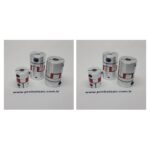
- Flexible Couplings: Much more commonly used in industrial automation, these couplings can tolerate slight shaft misalignment errors (angular, parallel, and axial) and generally have some ability to absorb shock and vibration. These features provide ease of assembly and extend the life of system components. Many different types of flexible couplings exist:
- Elastomeric Couplings: Types include spider, star, or rubber element couplings. They absorb vibrations and shocks very well thanks to an elastomeric element (usually polyurethane or rubber). They offer easy assembly and maintenance.
- Gear Couplings: Offer high torque transmission and moderate alignment tolerance. They are usually made of steel and may require lubrication.
- Disc/Lamina Couplings: Provide high torque and precise positioning using stainless steel lamellae or discs. They are maintenance-free and operate stably even at high speeds.
- Grid Couplings: Offer both torque transmission and high shock absorption capacity through a special spring element.
- Fluid Couplings: Transmit torque using fluid (oil) instead of a direct mechanical connection. This provides soft start, overload protection, and vibration damping. However, some slip and thus efficiency loss occur.
Coupling connections generally offer high efficiency (98%-99.5%) because they transmit power directly and slip is minimal (except for hydraulic couplings). Their compact structure and generally lower maintenance requirements (except for elastomeric couplings) are advantages. However, shaft alignment is critically important, and misalignment can significantly shorten the life of the coupling, bearings, and motor. Laser alignment devices are frequently used to ensure this precision.
| Parameter | Belt Pulley Systems | Coupling Connections |
|---|---|---|
| Power Transmission Principle | Indirect (friction or gear interaction) | Direct (mechanical connection) |
| Shaft Distance Flexibility | High (suitable for long distances) | Low (short, direct connection) |
| Shaft Alignment Precision | Medium (some tolerance) | High (critical, especially for rigid couplings) |
| Shock and Vibration Absorption | High (varies by belt type, V-belts better) | Variable (high in flexible couplings, none in rigid couplings) |
| Efficiency | 90% – 98% (timing belts higher) | 98% – 99.5% (except hydraulic couplings) |
| Speed Ratio Change | Easy (by changing pulley diameter) | Not possible (only with gearbox) |
| Maintenance Requirement | Medium-High (tension, wear control, replacement) | Low-Medium (periodic inspection, elastic element replacement) |
| Cost (Initial Setup) | Generally lower (especially in standard applications) | Generally higher (precision couplings and alignment tools) |
| Application Areas | Pumps, fans, conveyors, textile machines, some CNCs (timing) | Gearboxes, motors, generators, compressors, precise robotic joints |
| Precision and Synchronization | Medium (V-belt), High (timing belt) | Very High (rigid and disc couplings) |
Field Considerations
- Correct Selection and Sizing: All parameters required by the application, such as torque, speed, power, operating environment (temperature, humidity, dust), shaft distance, and desired precision, must be analyzed in detail. Manufacturer’s catalog data and sizing software are critically important. Oversizing increases cost, while undersizing leads to premature failures.
- Shaft Alignment: In coupled systems, shaft alignment is an absolutely critical factor for system life and efficiency. Alignment should be performed with micron-level precision using laser alignment devices. In belt pulley systems, the parallel and co-planar alignment of pulleys directly affects belt life and efficiency. Misalignment causes bearing failures, vibration, and energy loss.
- Assembly Procedures: In both systems, manufacturer’s assembly instructions must be strictly followed. Bolt torque values for couplings and belt tension values (with a tensiometer) for belt pulley systems must be set correctly. Incorrect assembly is the most common cause of premature failures and safety risks.
- Environmental Factors: Temperature, humidity, dust, contaminants, and chemicals in the operating environment can affect the materials of belts and coupling elements. The chemical resistance and temperature tolerances of rubber and elastomeric parts, in particular, must be considered. Protective covers and sealing elements can reduce the negative effects of these factors.
- Vibration and Dynamic Balancing: In high-speed or precise applications, sources of vibration in the system must be identified and minimized. The dynamic balance of pulleys in belt pulley systems and coupling elements in couplings must be checked. Imbalance can lead to resonance and premature bearing failures. Periodic vibration analysis helps detect potential problems at an early stage.
- Periodic Maintenance and Observation: Belt tension, wear condition, cracks, or breaks should be regularly checked. For couplings, the condition of elastic elements, tightness of bolts, and general signs of wear should be inspected. Oil level and quality should be checked in lubricated couplings. Preventive maintenance programs prevent unexpected shutdowns and costly failures.
- Safety Precautions: In both systems involving moving parts, protective covers and barriers must be used in accordance with occupational safety regulations. Energy lockout/tagout (LOTO) procedures must be applied during maintenance or repair. The use of personal protective equipment is mandatory when working with rotating equipment.
Common Problems and Solutions
Problems encountered in belt pulley and coupling connections in industrial automation systems generally stem from similar origins: incorrect selection, faulty assembly, inadequate maintenance, and environmental effects. However, each system has its unique failure scenarios and solutions.
Common Problems in Belt Pulley Systems:
- Belt Breakage or Premature Wear:
- Problem: Belt breaks sooner than expected, cracks on its surface, excessive wear, or burn marks.
- Causes: Incorrect belt tension (too loose or too tight), misalignment of pulleys, incorrect belt type selection (insufficient power transmission capacity), environmental factors (oil, chemical, excessive temperature), wear or burrs on pulleys.
- Solutions: Adjust belt tension to the correct value with a tensiometer. Align pulleys with laser or precise measuring tools. Select the belt type and size appropriate for the application’s torque and speed requirements. Check pulley surfaces and replace if necessary. Protect belts from environmental factors.
- Belt Jumping Off Pulley or Slipping:
- Problem: Especially in V-belts, the belt comes off the pulley or a slipping sound is heard during power transmission.
- Causes: Insufficient belt tension, misalignment of pulleys, wear of pulley grooves, sudden and high shock loads, oiling or contamination of the belt.
- Solutions: Increase belt tension. Align pulleys. Replace worn pulleys. Keep belt and pulley surfaces clean. If necessary, consider switching to a belt type with a higher coefficient of friction or a timing belt system.
- Excessive Vibration and Noise:
- Problem: Abnormal vibration or humming, squeaking sounds coming from the system.
- Causes: Incorrect belt tension, imbalance or eccentricity of pulleys, bearing wear, imbalances in the motor or driven equipment, incorrect belt profile or material.
- Solutions: Check and adjust belt tension. Check pulleys, perform dynamic balancing if necessary, or replace them. Check bearings and replace if worn. Perform a general vibration analysis of the system to find the main source.
Common Problems in Coupling Connections:
- Coupling Failure or Premature Wear:
- Problem: Cracks, breaks, excessive wear, or deformation in coupling elements.
- Causes: Shaft misalignment error (most common cause), excessive torque load (exceeding the coupling’s nominal torque capacity), fatigue (under continuously variable loads), incorrect coupling type selection (flexibility or rigidity not suitable for the application), environmental effects.
- Solutions: Realign shafts precisely with a laser alignment device. Select a coupling with a capacity that meets the application’s maximum torque requirements. Consider dynamic loads and fatigue life. Use a coupling made of material resistant to environmental factors.
- Bearing or Shaft Failures:
- Problem: Excessive heating, noise, premature wear in motor or gearbox bearings; cracks or breaks on shafts.
- Causes: Shaft misalignment error (more than the coupling can tolerate), excessive vibration transfer (in rigid couplings), excessive shock loads.
- Solutions: Adjust shaft alignment to be as close to zero as possible. Consider selecting a flexible coupling type with higher shock and vibration absorption capacity. Take preventive measures to avoid overloading the system.
- Excessive Vibration and Noise:
- Problem: Abnormal vibrations, knocking, or squeaking sounds coming from the coupling area.
- Causes: Shaft misalignment error, wear or damage to coupling elements, coupling imbalance, loosening of bolts, imbalances in the motor or driven equipment.
- Solutions: Realign shafts. Replace damaged or worn coupling elements. Tighten bolts according to manufacturer’s torque values. Use dynamically balanced couplings for high-speed applications.
- Overheating or Efficiency Loss in Hydraulic Couplings:
- Problem: Hydraulic coupling heats up more than normal, a significant drop in power transmission.
- Causes: Incorrect oil level or viscosity, contamination or degradation of oil, overloading, incorrect coupling sizing.
- Solutions: Check oil level and quality, replace if necessary. Use oil with the viscosity recommended by the manufacturer. In case of overloading, equip the system with protective measures or consider selecting a larger coupling.
Expert Advice
The selection of a power transmission mechanism in industrial automation systems is a critical engineering decision that has no single right answer, but rather is shaped by the unique dynamics of the application and long-term operational goals. Belt pulley systems and coupling connections, each with specific advantages and disadvantages, can perform excellently under the right conditions. Belt pulley systems stand out with features such as flexibility, shock absorption capacity, ease of speed ratio adjustment, and power transmission over long shaft distances, while coupling connections are indispensable in applications requiring high efficiency, compactness, precise positioning, and direct torque transmission. From an expert perspective, it is essential to consider the Total Cost of Ownership (TCO) rather than focusing solely on the initial investment cost when making this decision. This is a much broader perspective that includes energy efficiency, maintenance frequency and cost, spare part availability, expected system life, and the cost of potential production downtimes.
Our field experience shows that the most common failures usually result from incorrect system selection, faulty assembly, and inadequate preventive maintenance. Therefore, adhering to the following expert advice in every new project or revision of an existing system will significantly increase the reliability and efficiency of the system:
- Detailed Application Analysis: First and foremost, all parameters required by the application, such as torque, speed, acceleration, shaft distance, operating cycle, environmental conditions (temperature, humidity, dust, chemicals), and desired precision level, must be meticulously analyzed. This forms the basis for selecting the correct system and components.
- Compliance with Manufacturer Specifications: Ensure that the selected belt, pulley, or coupling elements do not exceed the nominal values and safety factors specified by the manufacturer. In particular, peak torques occurring during sudden starts, stops, or overload situations should not be overlooked.
- Professional Assembly and Alignment: Especially in coupled systems, it is mandatory to perform shaft alignment with micron-level precision using laser alignment devices. In belt pulley systems, correct pulley alignment and belt tension adjustment with a tensiometer are vital for system life and efficiency.
- Comprehensive Preventive Maintenance Program: For both systems, a maintenance program including regular visual inspections, tracking signs of wear and tear, tension or tightness checks, and component replacement when necessary, should be established and implemented. Predictive maintenance techniques such as thermal imaging and vibration analysis can detect potential failures at an early stage, minimizing unplanned shutdowns.
- Use of Quality Components: To save costs in the long run, avoid using low-quality or non-standard components. Quality belts, pulleys, and couplings offer longer life, higher efficiency, and lower maintenance requirements, reducing the total cost of ownership.
- Continuous Training and Development: Continuously training the field team on new technologies, assembly techniques, and maintenance procedures will help accelerate fault diagnosis and resolution processes.
Ultimately, the choice between a belt pulley system and a coupling connection is a strategic decision that impacts the long-term success of your industrial automation project. By carefully evaluating the technical requirements, environmental factors, and total cost of ownership, and by adhering to best practices in selection, installation, and maintenance, you can ensure a robust, efficient, and reliable power transmission system. For specific application needs and to request a quote, please do not hesitate to contact Mermak CNC experts on WhatsApp. We are here to provide tailored solutions that drive your industrial operations forward.
FAQ
What is the fundamental difference between belt pulley systems and coupling connections?
Belt pulley systems transmit power indirectly between shafts using a belt and pulleys, allowing for flexible shaft distances and speed ratio adjustments. Coupling connections, on the other hand, connect two shafts directly, providing high efficiency and precise torque transmission over short distances.
What are the main advantages of belt pulley systems over couplings, and vice versa?
Belt pulley systems generally offer higher shock and vibration absorption, are suitable for longer shaft distances, and allow for easy speed ratio changes. Couplings provide higher efficiency, are more compact, and are ideal for precise positioning and direct torque transfer, especially rigid couplings.
How do I choose between a belt pulley system and a coupling connection for my industrial application?
Key factors include the required torque and speed, shaft distance, desired precision, environmental conditions (temperature, dust, chemicals), and the need for shock absorption. A detailed application analysis and consideration of the Total Cost of Ownership (TCO) are crucial.
What are common problems with belt pulley systems and their solutions?
Common issues include belt breakage/wear (due to incorrect tension or misalignment), belt slipping, and excessive vibration. Solutions involve correct tensioning with a tensiometer, precise pulley alignment, using the right belt type, and protecting from environmental factors.
What are common problems with coupling connections and their solutions?
Frequent problems include coupling failure/wear (often due to shaft misalignment or excessive torque), bearing/shaft failures, and excessive vibration/noise. Solutions involve precise laser alignment, selecting a coupling with adequate torque capacity, and regular maintenance.