












































































Understanding Air Hoses: Selection Guide for Pneumatic Systems
📑 Table of contents (Click to open)
Practical notes for CNC router, automation and industrial motion systems.
What is an Air Hose? How to Select One for Pneumatic Systems?
Air hoses are essential flexible conduits in pneumatic systems, responsible for transferring compressed air from its source, such as a compressor, to actuators or tools. The selection of an air hose is a critical process, requiring careful consideration of parameters like operating pressure, temperature, flow rate, environmental conditions, material strength, and chemical resistance. Proper hose selection is vital for ensuring the efficiency and safety of the entire pneumatic system.
In industrial automation and modern manufacturing, pneumatic systems are indispensable. They utilize compressed air to generate motion and force. At the heart of these systems are air hoses, which serve as the primary conduits for safely and efficiently transporting this compressed air. An air hose is a flexible tubing designed to carry high-pressure air from the compressor to cylinders, valves, pneumatic tools, or other actuators. Its function extends beyond simple air transport; it must withstand the system’s operating pressure, temperature, and environmental stresses while ensuring maximum performance with minimal energy loss. Choosing the correct air hose can extend system lifespan, whereas an incorrect choice can lead to inefficiency, energy waste, safety hazards, and frequent malfunctions. Therefore, approaching air hose selection with an engineering mindset is crucial when designing or optimizing a pneumatic system.
Operating Principle and Technical Data
The basic principle of an air hose is straightforward: compressed air from the compressor flows through the hose to its destination. However, several technical details warrant consideration during this process. The hose’s inner diameter directly impacts airflow velocity and pressure drop, while its material properties determine its resistance to pressure, temperature, and environmental factors. Accurately assessing these parameters is critical for the overall efficiency and safety of the system.
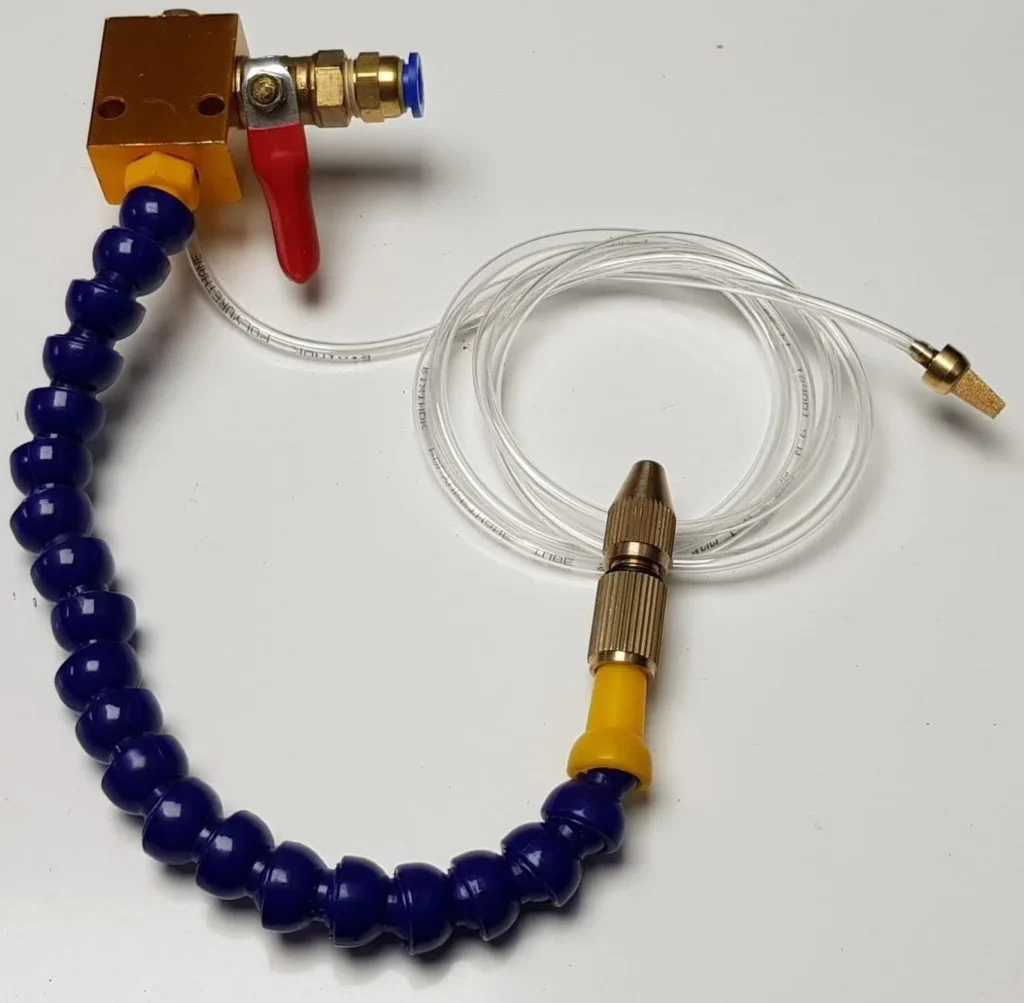
Selection Criteria
- Operating Pressure and Burst Pressure: The maximum continuous operating pressure the hose will encounter, along with a safety factor, must be evaluated. Typically, the burst pressure should be 3 to 4 times the working pressure, providing an extra margin of safety against sudden pressure surges or impacts.
- Operating Temperature: The lowest and highest ambient and fluid temperatures the hose will be exposed to must be considered to ensure the hose material maintains its performance within this range. High temperatures can soften the hose, while low temperatures can make it brittle and prone to cracking.
- Material Type:
- Polyurethane (PU): Offers high flexibility, abrasion resistance, and a tight bend radius. Ideal for robotic applications, automation, and general industrial use. It has a wide temperature range and good chemical resistance.
- Polyamide (PA – Nylon): Provides high pressure and temperature resistance, along with excellent chemical resistance. Its stiffer nature makes it less flexible than PU. Preferred in heavy-duty industrial applications, hydraulic, and pneumatic brake systems.
- PVC (Polyvinyl Chloride): An economical option with good flexibility and chemical resistance. Suitable for lower pressure and temperature applications. Specialized grades are used in the food and beverage industry.
- Rubber (NBR, EPDM, etc.): Offers high flexibility, resistance to abrasion, and weathering. Suitable for heavy-duty applications, outdoor environments, and vibrating conditions. NBR is resistant to oils and fuels, while EPDM is resistant to ozone and UV.
- PTFE (Teflon): Exhibits very high temperature and chemical resistance. Ideal for chemical plants, high-purity applications, and the food industry. However, it has low flexibility and is more expensive.
- Inner Diameter (ID) and Outer Diameter (OD): The inner diameter determines the airflow rate and pressure drop. An insufficient ID leads to pressure loss and system sluggishness. The outer diameter is important for selecting fittings and connectors.
- Flexibility and Bend Radius: The degree of flexibility required depends on the application. Hoses used on moving parts need high flexibility and a small bend radius. For static applications, lower flexibility may suffice.
- Chemical Resistance: The hose’s resistance to oils, solvents, acids, or other chemicals it might encounter is a critical factor in material selection.
- Environmental Conditions: Exposure to UV radiation, ozone, corrosive particles, sparks, or oily environments influences the choice of the hose’s outer layer material and overall durability.
- Fitting Compatibility: The hose must be fully compatible with the intended fittings, quick connectors, and other hardware to ensure a leak-free and secure connection.
- Color Coding: In complex systems, color-coding can help differentiate hoses with different functions, simplifying maintenance and troubleshooting.
| Parameter | Value/Description |
|---|---|
| Material Type | Polyurethane (PU), Polyamide (PA), PVC, Rubber (NBR/EPDM), PTFE |
| Operating Pressure Range | 0-15 bar (PU), 0-30 bar (PA), 0-10 bar (PVC), 0-20 bar (Rubber), 0-200 bar (PTFE) |
| Operating Temperature Range | -30°C to +80°C (PU), -40°C to +100°C (PA), -10°C to +60°C (PVC), -40°C to +120°C (Rubber), -60°C to +260°C (PTFE) |
| Inner Diameter (ID) Range | 2 mm – 25 mm (General Industrial), larger diameters for special applications |
| Flexibility | High (PU), Medium (PVC), Low (PA, PTFE), Very High (Rubber) |
| Chemical Resistance | Good (PU), Very Good (PA, Rubber), Medium (PVC), Excellent (PTFE) |
| Application Areas | Automation, Robotics, Heavy Industry, Food, Chemical, Automotive, General Pneumatics |
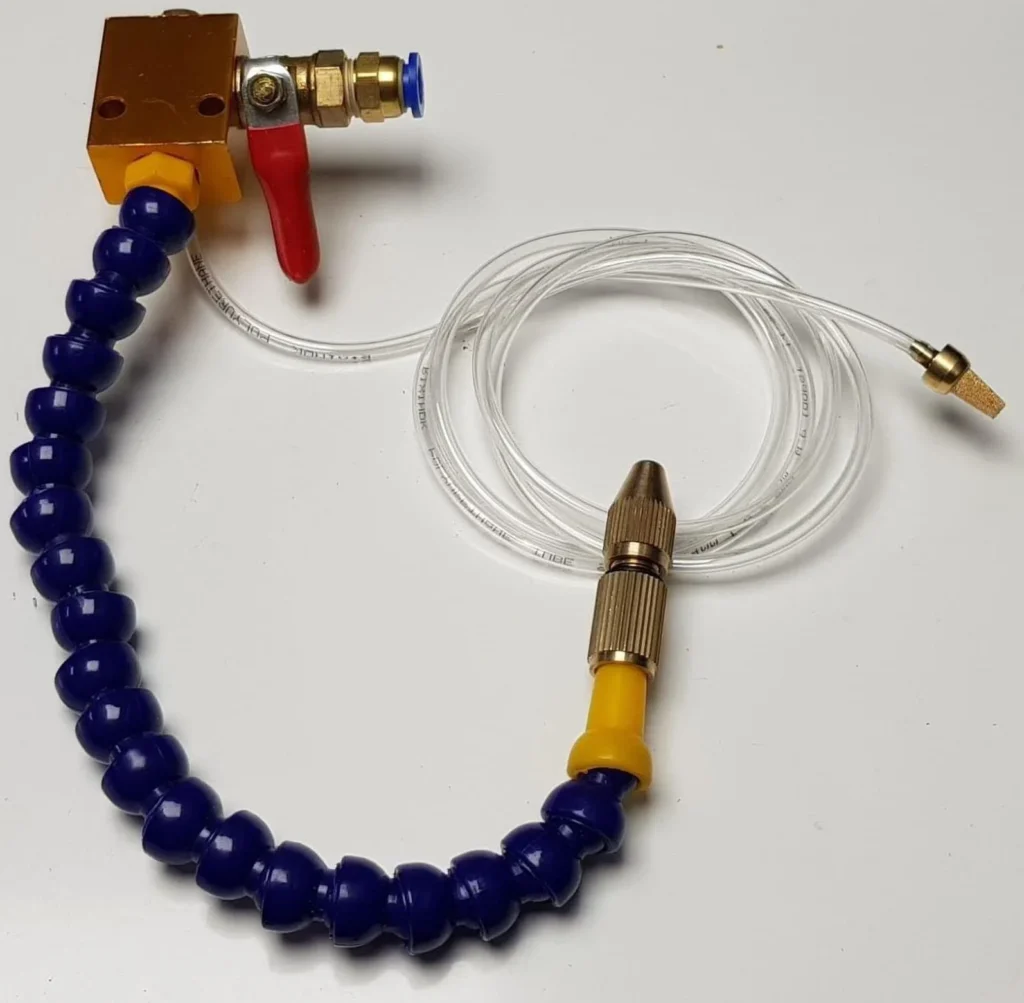
Field Considerations
- Correct Sizing and Length: The hose’s inner diameter must accommodate the required flow rate and volume for the system. An undersized diameter leads to pressure loss and energy inefficiency. Avoid unnecessarily long hoses, as they also contribute to pressure drop. However, ensure sufficient length and flexibility to cover the full range of motion for any moving parts, preventing strain or breakage.
- Installation and Routing Techniques: Avoid sharp bends or stretching of hoses. Adhere to the manufacturer’s specified minimum bend radius. Use appropriate clamps, supports, and protective sleeves to shield hoses from vibration, friction, and heat sources. Route hoses to prevent rubbing against each other or other equipment to avoid abrasion.
- Environmental Compatibility: The characteristics of the installation environment (UV radiation, ozone, chemical vapors, extreme temperatures, abrasive particles) should dictate the hose material choice. For instance, hoses used outdoors or in welding areas require UV and spark resistance.
- Periodic Inspection and Maintenance: Like all pneumatic system components, air hoses require regular visual inspection. Cracks, cuts, signs of wear, discoloration, hardening, or blistering indicate that the hose is nearing the end of its life or has been damaged and should be replaced immediately. Leaks at connection points can be detected using simple methods like a soap and water test.
- Connection Points and Sealing: Compatibility between the hose and its fittings (couplings, connectors) is paramount. Incorrect fitting selection or improper installation can lead to leaks. Ensure all connections are tight and secure.
Selecting the appropriate air hose is a critical step in ensuring the reliability, efficiency, and safety of any pneumatic system. By carefully considering the operating conditions, material properties, and application requirements, engineers and technicians can make informed decisions that contribute to optimal system performance and longevity. For specialized pneumatic components and expert advice, consider exploring options that integrate seamlessly with your industrial CNC router machines and other automated equipment.
For tailored solutions and to discuss your specific pneumatic needs, request a quote on WhatsApp today.
