






































































Why is My Air-Cooled Spindle Making Noise? Causes and Solutions

📑 Table of contents (Click to open)
Practical notes for CNC router, automation and industrial motion systems.
Understanding Air-Cooled Spindles in CNC Machining
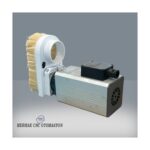
The air-cooled spindle is a critical component in industrial CNC router machines, responsible for high-speed rotation to perform cutting, engraving, and drilling operations. It integrates a motor and a tool holder, cooled by a fan that circulates air to prevent overheating. While a low level of fan noise and motor hum is normal, any sudden or escalating abnormal sounds from your spindle indicate a potential problem. These noises can degrade performance, affect workpiece quality, and lead to costly failures. Prompt diagnosis and repair are essential.
How Air-Cooled Spindles Work: Technical Overview
An air-cooled spindle typically comprises an electric motor, a tool holder (collet), and high-precision bearings. A fan, built into the spindle housing, draws in ambient air and directs it over the motor and bearings, dissipating heat. This forced air circulation ensures the spindle operates within optimal temperature ranges. Most industrial CNC spindles use brushless AC motors controlled by a Variable Frequency Drive (VFD). The VFD allows for precise adjustment of motor speed and torque, catering to different materials and machining tasks. Spindle performance is heavily influenced by bearing quality and rotational accuracy (runout). High-quality ceramic or hybrid bearings offer lower friction and longer life at high RPMs, while minimal runout ensures superior machining precision. Any degradation in these components can result in noise generation.
| Parameter | Value/Description |
|---|---|
| Spindle Type | Air-Cooled, Brushless AC Motor |
| Power Range | 0.8 kW – 9.0 kW (Varies by industrial application) |
| Speed Range (RPM) | 6,000 – 24,000 RPM (Some specialized models exceed 40,000 RPM) |
| Bearing Type | Typically 2×7005 P4 + 2×7002 P4 or 4×7005 P4 (Ceramic or Hybrid) |
| Cooling Mechanism | Forced Air Circulation via Integrated Axial Fan |
| Runout (TIR) | ≤ 0.005 mm (≤ 0.002 mm for high-precision models) |
| Noise Level (Normal) | 65-75 dB (Depending on fan and motor speed) |
| Supply Voltage | 220V / 380V (3-Phase) |
Key Maintenance and Operational Considerations
- Bearing Maintenance and Replacement: Bearings are the heart of the spindle and are subject to wear due to constant high-speed operation and lubricant degradation. Worn bearings often produce grinding, squealing, or rumbling noises. Regular inspection and replacement of bearings, following the manufacturer’s recommended intervals (typically 800-1500 operating hours), with high-precision, compatible bearings are crucial. Maintaining a clean environment and using correct installation techniques during bearing replacement significantly impacts the lifespan of new bearings.
- Cooling System Cleaning and Inspection: Air-cooled spindles draw in ambient air, making them susceptible to dust and chip accumulation in the fan blades and cooling channels, especially in dusty environments. This buildup can unbalance the fan, causing vibration and humming. It also reduces cooling efficiency, leading to spindle overheating and premature bearing failure. Regularly clean the fan blades and air vents with compressed air, ensuring the fan rotates freely. Inspect the fan motor for any signs of malfunction.
- Spindle Mounting and Mechanical Connections: Proper and secure mounting of the spindle to the CNC machine is vital for minimizing vibration and noise. Loose mounting bolts can cause the spindle to vibrate and produce rattling sounds. The mounting plate or bracket should also be robust and capable of dampening vibrations. Ensure the collet and cutting tool are correctly installed, securely fastened, and balanced. Imbalanced or loose tools can generate excessive vibration and noise at high speeds. Periodically check and tighten all mounting points and bolts.
- VFD Settings and Electrical Connections: Correct VFD parameter settings are essential for efficient and smooth motor operation. Incorrect settings can lead to motor strain, vibration, or electrical humming. Pay close attention to acceleration/deceleration ramps, maximum frequency, and overload limits, configuring them according to the spindle manufacturer’s recommendations. Ensure the power cables between the VFD and the spindle are intact, properly insulated, and free from interference. Loose or damaged connections can cause electrical noise and motor issues.
- Operating Environment and Load Conditions: Environmental factors such as temperature, humidity, and dust levels significantly impact spindle performance and longevity. High temperatures or humidity can accelerate lubricant degradation, while excessive dust and chips can clog the cooling system or infiltrate bearings. Ensure the cutting load applied to the spindle does not exceed its capacity. Continuous operation under excessive load can strain the motor, over-pressure the bearings, and cause abnormal noises like groaning or squealing. Adjust cutting parameters (feed rate, speed, depth of cut) according to the material and tooling specifications.
Common Spindle Noise Issues and Resolutions
Abnormal noises from air-cooled spindles often point to specific failure modes. Accurate diagnosis and appropriate solutions are key to extending machine life and minimizing production downtime.
- Issue: Squealing, Grinding, or Rumbling Noises
Cause: These sounds typically originate from worn or damaged bearings. The bearing balls or cages may be worn, the lubricant depleted, or contamination present. Bearings are among the most critical and frequently failing spindle components.
Solution: The spindle must be disassembled to inspect the bearings. Replace them with new, high-precision bearings of the correct type. Ensure a clean working environment during replacement and proper lubrication. Prompt action can prevent damage to the spindle shaft or housing.
- Issue: Humming, Whining, or Vibrating Sounds
Cause: This can be caused by an imbalanced fan, loose mechanical components, improper VFD settings leading to motor resonance, or electrical interference. An unbalanced fan due to dirt accumulation is a common culprit.
Solution: First, thoroughly clean the fan and cooling channels. Check for any obstructions. Verify that all mechanical connections, including the tool holder and mounting bolts, are secure and tight. Review and adjust VFD parameters, ensuring they align with the spindle’s operating specifications. Investigate electrical connections for any loose wires or grounding issues.
- Issue: Knocking or Clicking Sounds
Cause: These noises often indicate loose parts within the spindle assembly, such as a loose collet, tool holder, or internal components. It could also signify severe bearing damage or rotor imbalance.
Solution: Ensure the collet and cutting tool are correctly seated and securely tightened. Check all external mounting bolts for tightness. If the issue persists, it may require internal inspection and potential replacement of bearings or other components. Rotor imbalance usually necessitates professional repair or replacement of the entire spindle unit.
Preventative Maintenance for Longevity
Regular preventative maintenance is the most effective strategy to avoid spindle noise and premature failure. This includes:
- Scheduled cleaning of the cooling system.
- Periodic inspection and lubrication (if applicable) or replacement of bearings.
- Verification of all mechanical and electrical connections.
- Monitoring VFD parameters and spindle operating temperatures.
- Adhering to correct cutting parameters to avoid overloading the spindle.
By addressing potential issues proactively, you can ensure your industrial CNC router machine’s spindle operates smoothly and reliably, minimizing costly downtime and maintaining high-quality production.
If your air-cooled spindle is exhibiting persistent or severe noise issues, it’s time to seek expert assistance. Contact Mermak CNC for professional diagnosis and repair services. Request a quote on WhatsApp today and keep your operations running efficiently.
Related product categories: Mekanik · Genel · Allen (Alyan) Başlı İmbus Civata
