





































































How to Adjust Depth When Grooving Composite Panels

📑 Table of contents (Click to open)
Practical notes for CNC router, automation and industrial motion systems.
The groove depth for composite panels is precisely determined using sensitive CNC router machines or manual milling machines’ adjustment mechanisms, based on panel thickness, cutter diameter, and the desired V-groove angle. Typically, it’s set to include the top aluminum layer and a portion of the core material, leaving the bottom aluminum layer intact for bending. Correct depth is verified through test cuts and is critical for the project’s aesthetic and structural integrity.
Understanding Composite Panel Grooving Depth Adjustment
Composite panels, particularly Aluminum Composite Panels (ACP) or Aluminum Composite Materials (ACM), are widely used in architectural facade cladding, interior decoration, and signage applications, offering both aesthetics and durability. To utilize these panels in projects, they often need to be bent or folded into specific shapes. This is where the grooving (or slotting) process comes into play. Grooving involves removing material from one face of the panel to a specific depth, enabling the panel to be bent easily and cleanly at the desired angle. One of the most critical parameters in this process is the groove depth. Setting the correct depth directly impacts the panel’s post-bend strength, visual appearance, and ease of installation. An incorrect depth can prevent the panel from bending properly, cause cracking during bending, or even lead to complete breakage. Therefore, adjusting the groove depth when grooving composite panels is not just a technical detail but a fundamental engineering requirement that determines project success.
Working Principle and Technical Data
The process of grooving composite panels is typically performed using CNC router machines or specialized manual grooving machines (milling machines). Both methods achieve depth adjustment based on different principles, but the fundamental goal is the same: to remove the top aluminum layer and a significant portion of the core material while preserving the bottom aluminum layer.
Depth Adjustment on CNC Router Machines
CNC routers, key representatives of industrial automation, offer high precision and repeatability in grooving operations. Depth adjustment is managed by the machine’s Z-axis control and can typically be set with accuracy to a hundredth of a millimeter via software. The process steps are as follows:
- Material Thickness Input: First, the exact thickness of the composite panel to be machined (e.g., 4 mm) is entered into the system.
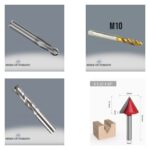
- Cutter Tool Information: The diameter, angle (e.g., 90° or 135°), and offset values of the V-groove cutter being used are defined in the machine’s control unit or CAM software.
- Target Remaining Material: To ensure structural integrity after bending, a specific amount of material, usually the bottom aluminum layer, is left untouched. This target thickness is defined in the software. For a 4mm panel with a V-groove, you might aim to remove 3mm of material, leaving the 1mm aluminum backing intact.
- Z-Axis Zeroing: The machine’s Z-axis is zeroed on the surface of the composite panel.
- Automated Cutting: The CNC router then executes the programmed path, precisely removing material to the specified depth. The servo drive system ensures smooth and accurate motion control throughout the operation.
Manual Milling Machines for Grooving
While less automated, manual milling machines can also be used for grooving. Depth adjustment is typically done via a mechanical depth stop or by carefully controlling the plunge of the spindle motor. This method requires more operator skill to achieve consistent results.
Factors Influencing Depth Setting
Several factors must be considered when setting the groove depth:
- Panel Thickness: The total thickness of the composite panel is the primary determinant.
- V-Groove Angle: Different angles (e.g., 90°, 120°, 135°) require different depths to achieve the desired bend radius and structural integrity. A sharper angle (like 90°) might require a deeper groove than a wider angle (like 135°).
- Core Material: The type and thickness of the core material (e.g., polyethylene, mineral-filled) can influence how deep the groove needs to be.
- Desired Bend Radius: A tighter bend radius generally requires a deeper groove.
- Bottom Aluminum Layer Thickness: This layer must remain intact to provide structural support after bending. Its thickness is a critical constraint.
- Cutter Tool Geometry: The shape and cutting edges of the V-groove bit directly affect the groove profile and the required depth setting.
Achieving Precision: Test Cuts and Verification
Before committing to a full production run, it is essential to perform test cuts on scrap pieces of the same composite panel material. These test cuts allow for:
- Verification of Depth: Using a caliper or micrometer to measure the actual groove depth and compare it against the target.
- Assessment of Bend Quality: Bending the test piece to the desired angle and checking for clean folds, absence of cracking, and overall structural integrity.
- Optimization: Adjusting the depth setting based on the test results to achieve the perfect balance between a clean bend and sufficient residual strength.
The use of a high-quality linear guide rail system on the CNC router ensures smooth movement and precise cutting, contributing to accurate depth control. A robust vacuum table can also help secure the panel firmly during the operation, preventing any shifting that could affect the groove depth.
Common Mistakes to Avoid
- Grooving Too Deep: This can weaken the panel significantly, potentially causing it to break during bending or under load. It compromises the integrity of the bottom aluminum layer.
- Grooving Not Deep Enough: The panel may not bend cleanly, resulting in a radius that is too large or an incomplete fold.
- Incorrect V-Angle: Using a cutter with the wrong angle for the desired outcome.
- Ignoring Material Variations: Different batches or types of composite panels may have slight variations in thickness or core density, requiring minor adjustments.
Conclusion
Accurately setting the groove depth when working with composite panels is paramount for achieving professional and durable results in architectural and design projects. Whether using advanced industrial CNC routers with precise motion control or manual methods, understanding the interplay between panel thickness, cutter geometry, and desired bend characteristics is key. Always perform test cuts to verify depth and bend quality. By mastering this critical adjustment, you ensure the aesthetic appeal and structural integrity of your composite panel applications.
Ready to achieve precision in your composite panel projects? Request a quote on WhatsApp for Mermak CNC solutions.
Related product categories: Genel · Kompozit Derz Açma Bıçakları · Takım Tutucu Kovanlar